
Long Term Trading Strategy: Achieving Consistent Performance

Long-term trading is an investment strategy characterized by holding securities for extended periods, typically measured in years rather than days, weeks, or months. This approach operates on the principle that financial markets generally exhibit upward trends over extended timeframes, enabling investors to benefit from compound growth. Long-term trading differs fundamentally from short-term strategies such as […]
Navigating High Frequency Strategy Performance Risks

High Frequency Trading (HFT) is a computerized trading method that uses algorithms and high-speed data connections to execute large volumes of trades in milliseconds. HFT systems employ quantitative models and automated processes to identify and exploit small price differences that exist for brief periods, typically lasting fractions of a second. HFT firms generate profits through […]
Maximizing Returns: Multi Timeframe Strategy Performance

Multi timeframe strategy is a trading approach that involves analyzing price movements across different timeframes to make informed trading decisions. This method allows traders to gain a comprehensive view of market dynamics, as it combines insights from both short-term and long-term trends. By examining various timeframes, traders can identify potential entry and exit points that […]
Backtesting Momentum Strategy: Results Revealed

Backtesting is a critical component in the development and validation of trading strategies, particularly in the realm of momentum investing. This process involves applying a trading strategy to historical market data to assess its viability and performance over time. The momentum strategy, which capitalizes on the tendency of assets to continue moving in the same […]
Intraday Trading Strategy: Performance Analysis
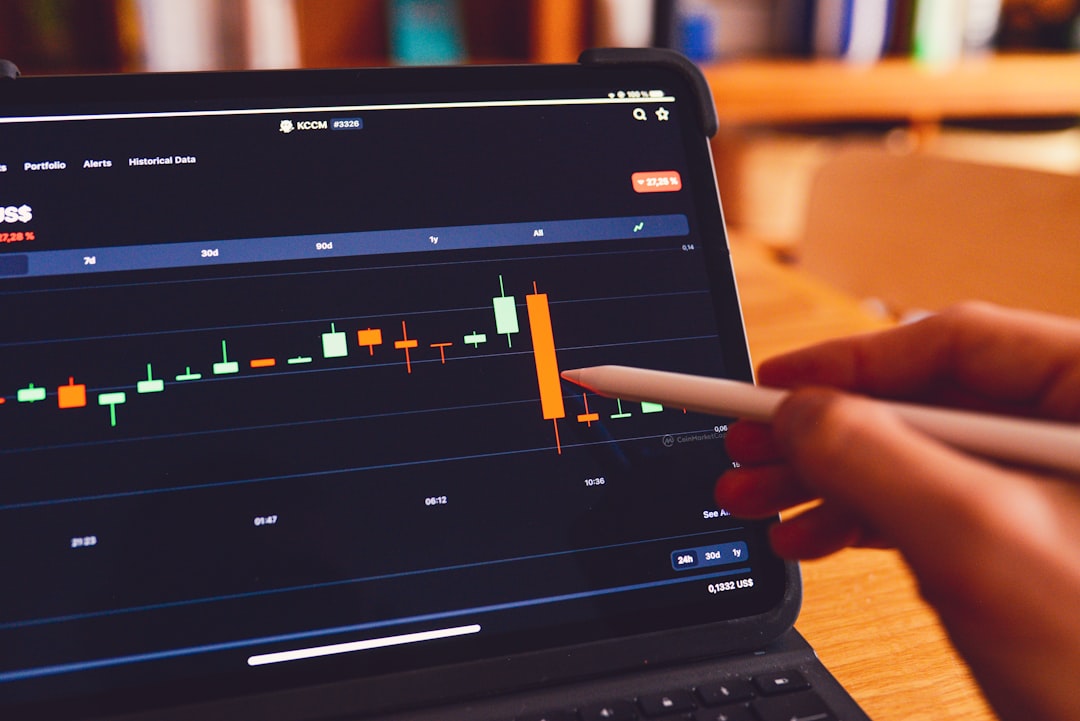
Intraday trading, also known as day trading, involves buying and selling financial instruments within a single trading day. Unlike long-term investing, intraday traders seek to profit from short-term price movements in stocks, commodities, currencies, and other financial assets. The defining characteristic of this trading style is that all positions are opened and closed before the […]
Maximizing Gains: Swing Trading Strategy Outperforms Market

Swing trading is a popular trading strategy that seeks to capitalize on short- to medium-term price movements in financial markets. Unlike day trading, where positions are opened and closed within the same trading day, swing trading typically involves holding positions for several days to weeks. This approach allows traders to take advantage of price swings […]
Scalping Strategy Performance Metrics: A Comprehensive Analysis

Scalping is a trading strategy that focuses on making small profits from numerous trades throughout the day. Traders who employ this technique, known as scalpers, aim to capitalize on minor price fluctuations in highly liquid markets. The essence of scalping lies in its rapid execution and the ability to enter and exit positions within seconds […]
Analyzing Breakout Strategy Performance

In the realm of trading and investing, breakout strategies have garnered significant attention for their potential to capitalize on price movements following periods of consolidation. A breakout occurs when the price of an asset moves beyond a defined support or resistance level, often accompanied by increased volume. This phenomenon can signal the beginning of a […]
Mean Reversion Strategy: Performance Analysis

The mean reversion strategy is a fundamental concept in financial trading based on the principle that asset prices tend to return to their historical average over time. This approach assumes that extreme price movements are temporary and will eventually correct themselves, moving back toward equilibrium. Practitioners of this strategy identify assets that have significantly deviated […]
Trend Following Strategy: Performance Analysis

Trend following is a systematic investment strategy designed to profit from sustained price movements in financial markets. The core principle underlying this approach is that securities experiencing upward price momentum will likely continue rising, while those in decline will persist in falling. This strategy draws from behavioral finance theory, which indicates that market participants frequently […]