
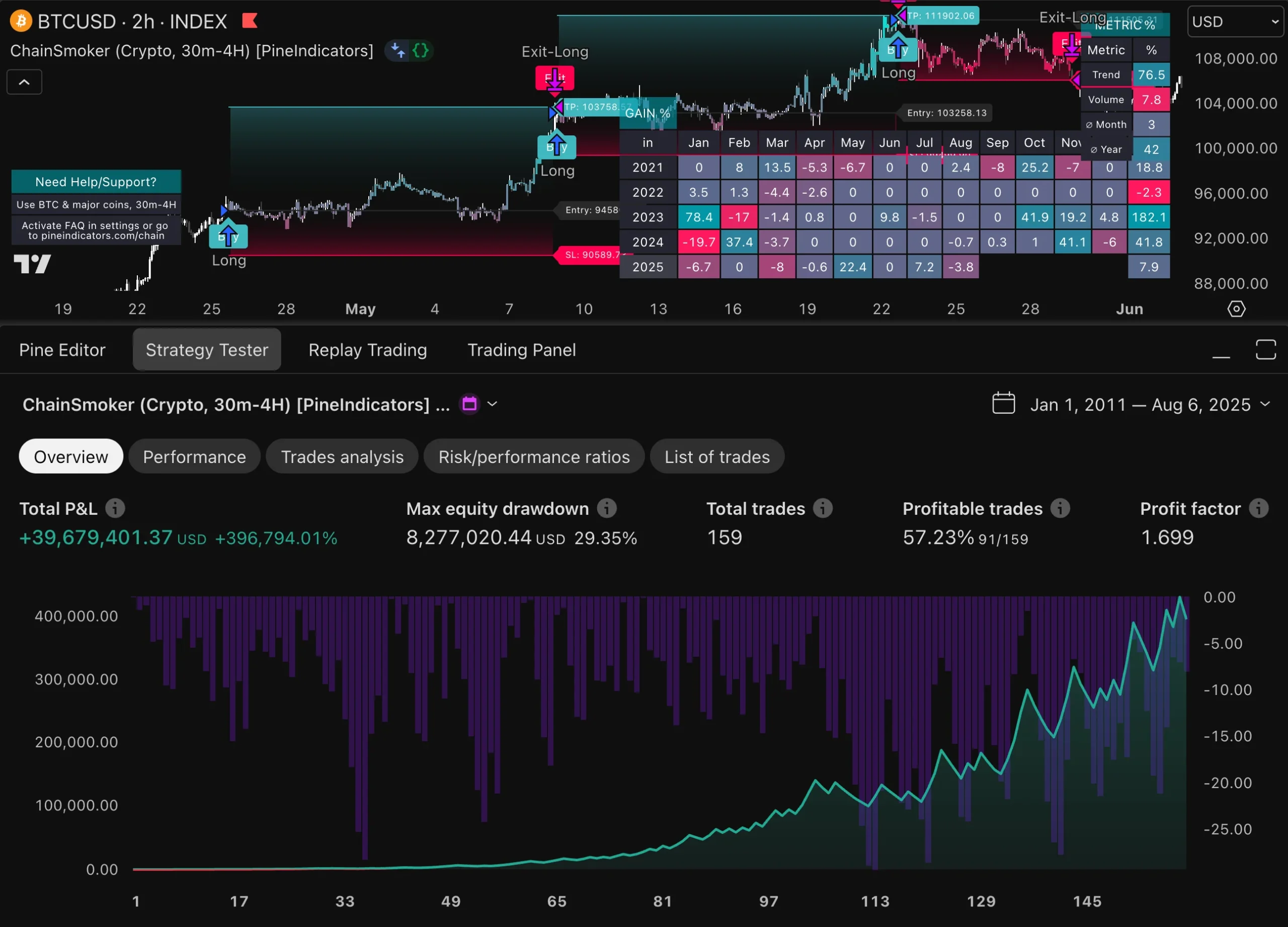
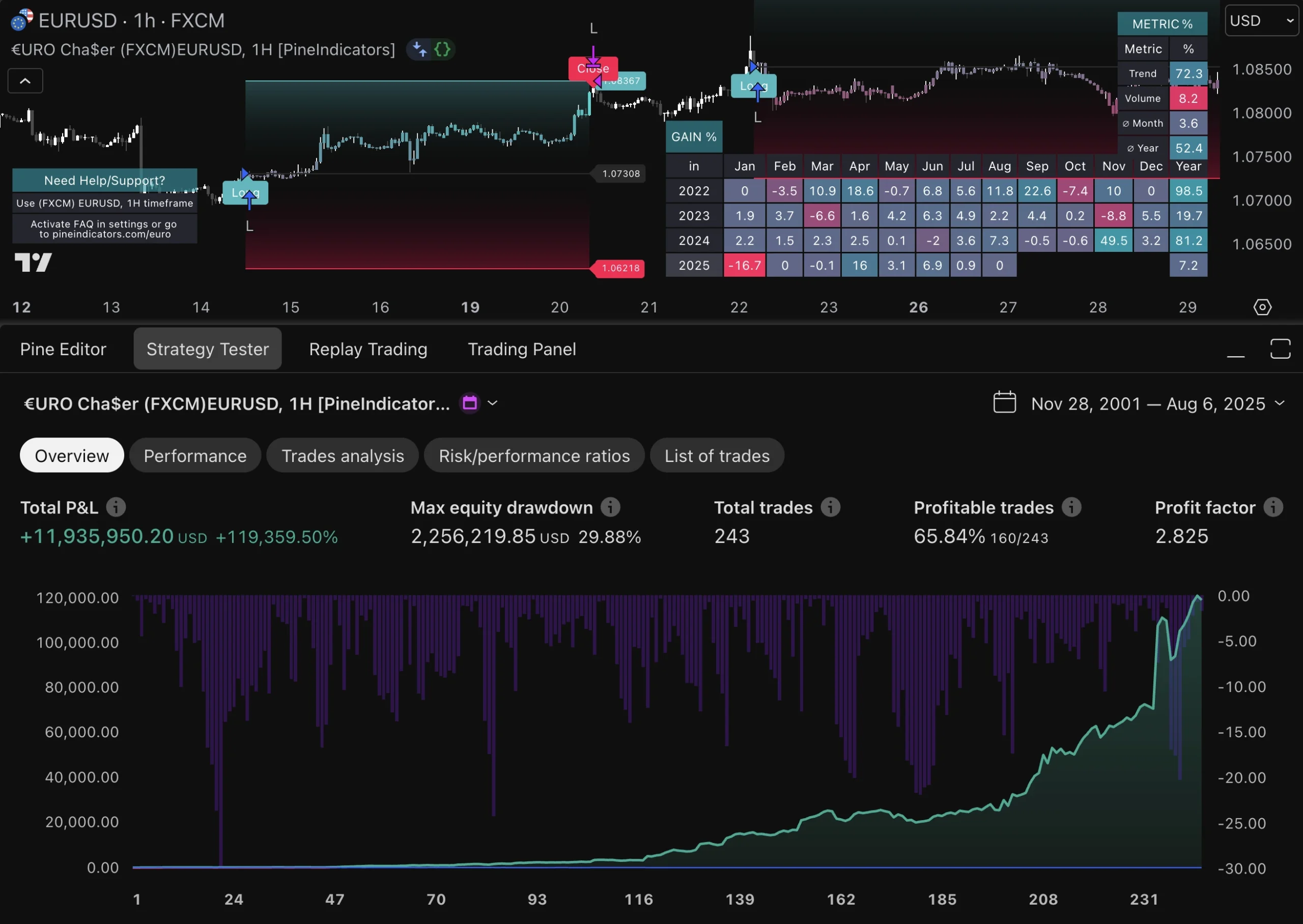
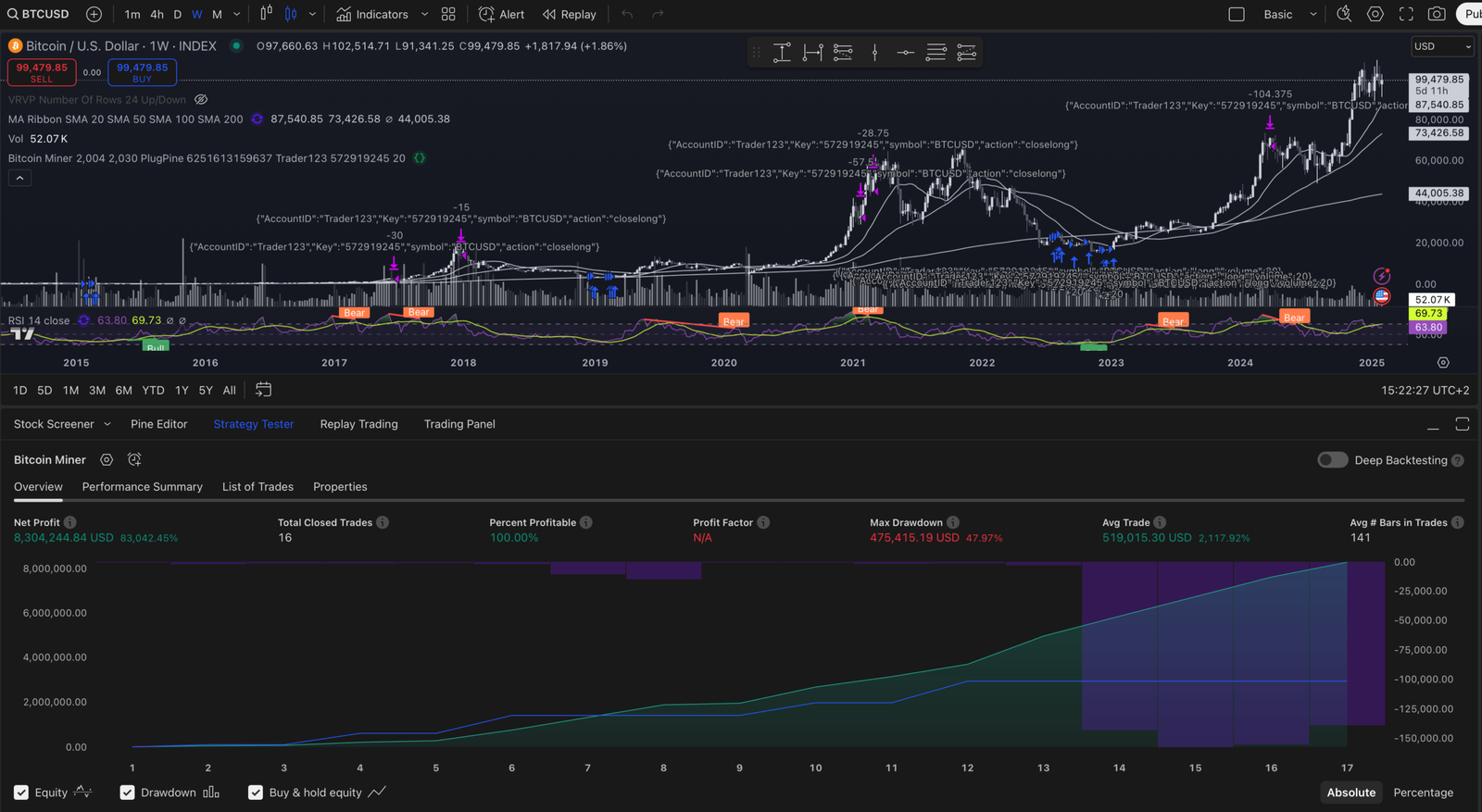
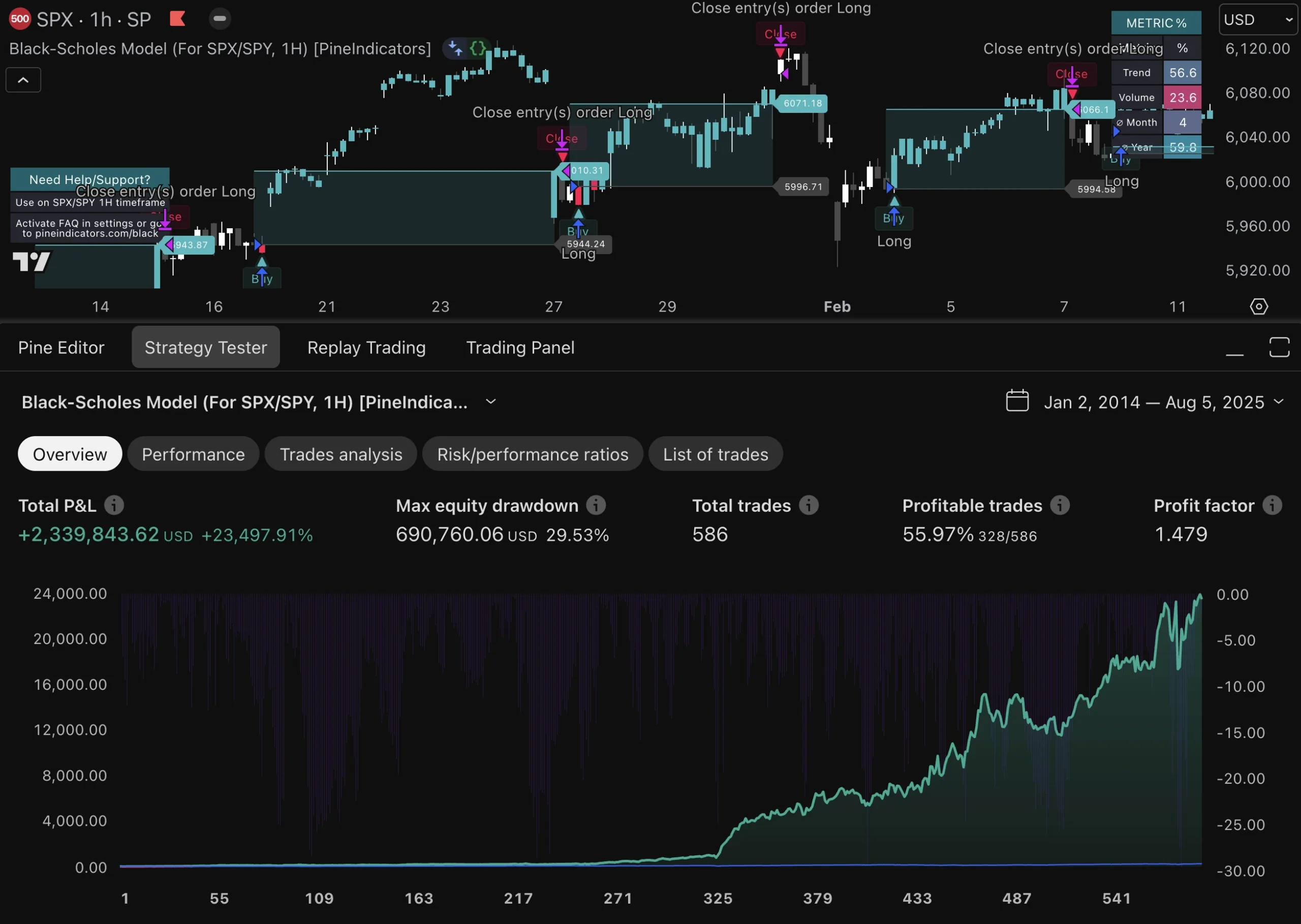
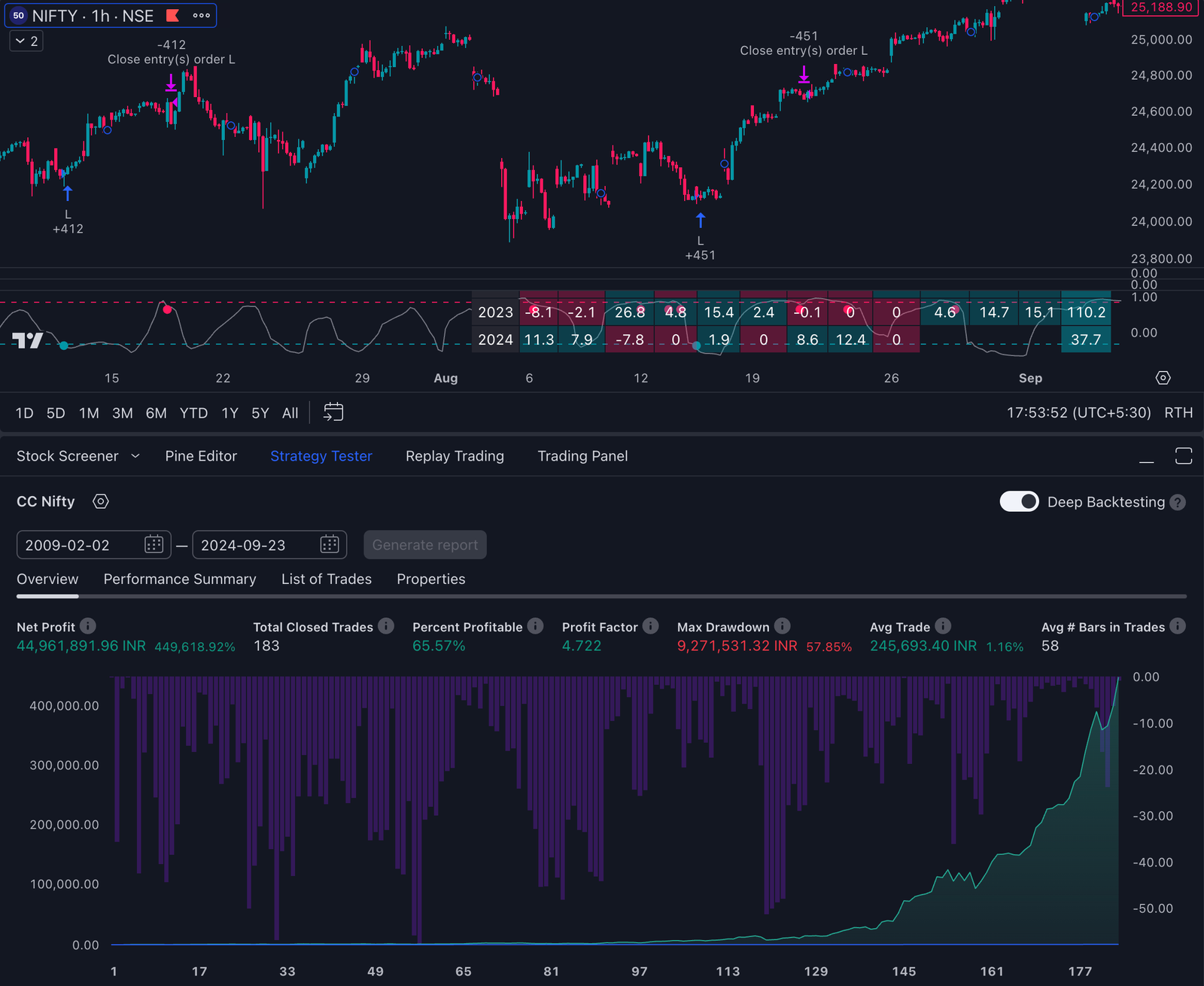
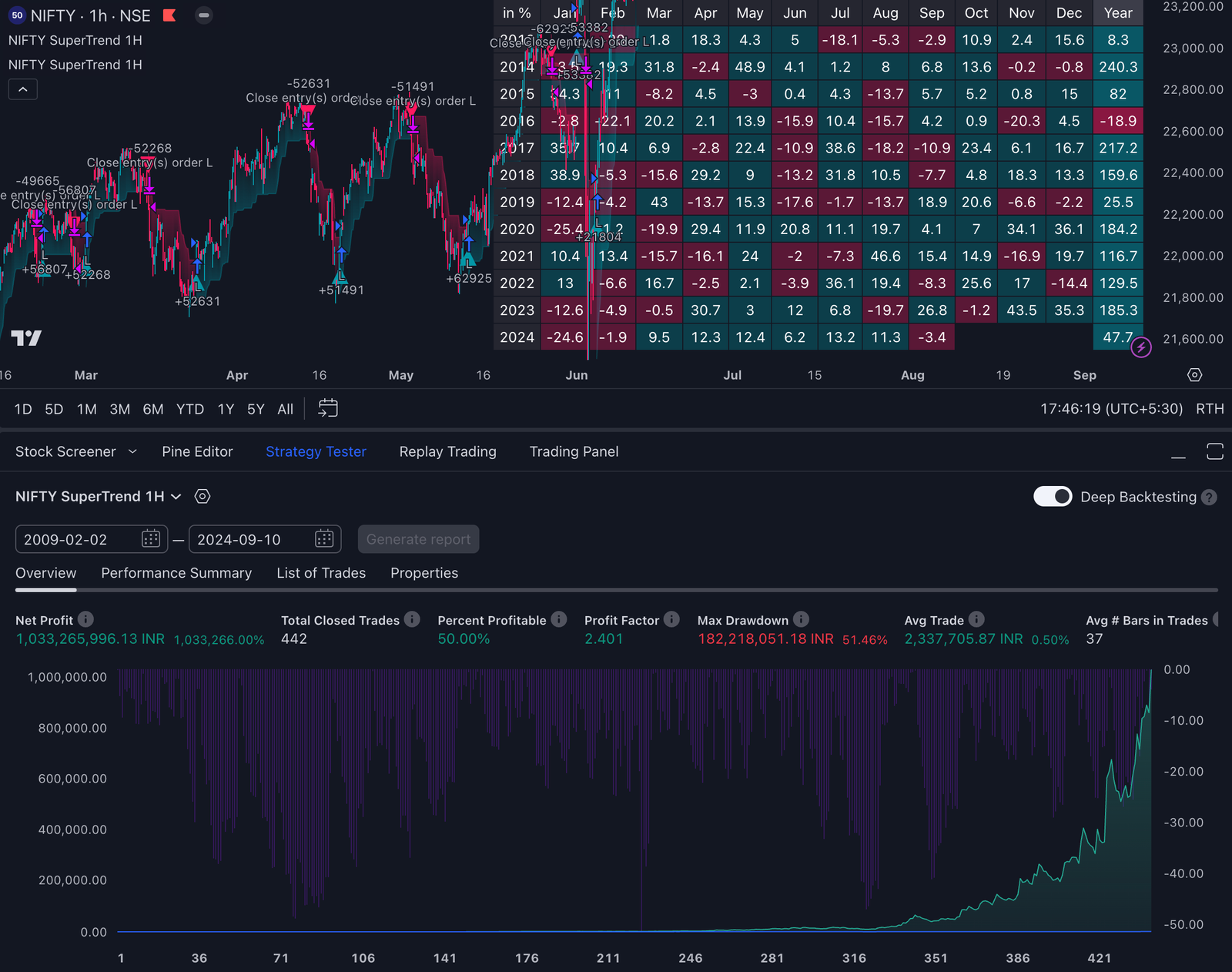

The mean reversion strategy is a fundamental concept in financial trading based on the principle that asset prices tend to return to their historical average over time. This approach assumes that extreme price movements are temporary and will eventually correct themselves, moving back toward equilibrium. Practitioners of this strategy identify assets that have significantly deviated from their historical mean and position themselves to profit when prices normalize.
The effectiveness of mean reversion stems from market psychology, where emotional reactions often drive prices away from fundamental values. Mean reversion can be implemented across stocks, commodities, currencies, and other financial instruments. Traders employ various techniques to execute this strategy, including statistical analysis, technical indicators, and automated trading algorithms.
As market efficiency increases, successfully applying mean reversion requires careful identification of appropriate conditions. This demands comprehensive knowledge of market mechanics, historical price patterns, and the external factors that influence asset valuations.
Key Takeaways
- Mean reversion strategy relies on the concept that asset prices tend to revert to their historical average over time.
- Performance metrics and backtesting are essential to evaluate the effectiveness of mean reversion strategies.
- Transaction costs can significantly impact the profitability of mean reversion trading.
- Comparing mean reversion with other strategies helps identify its strengths and weaknesses in different market conditions.
- Continuous analysis and adjustment based on risk factors and market dynamics improve the strategy’s performance.
Understanding Mean Reversion and its Application in Trading
At its core, mean reversion is based on the statistical concept of a mean or average. In financial markets, this average can be represented by various metrics, such as the moving average of an asset’s price over a specific period. When prices deviate significantly from this average—whether through rapid increases or decreases—traders employing a mean reversion strategy will look for opportunities to capitalize on the expected return to the mean.
For instance, if a stock has historically traded around $50 but suddenly spikes to $70 due to market overreaction, a mean reversion trader might short the stock, anticipating that it will eventually fall back toward its historical average. The application of mean reversion can take many forms. One common approach is to use technical indicators such as Bollinger Bands or the Relative Strength Index (RSI).
Bollinger Bands consist of a moving average and two standard deviation lines that help traders identify overbought or oversold conditions. When prices breach these bands, it may signal a potential reversal back toward the mean. Similarly, the RSI measures the speed and change of price movements, providing insights into whether an asset is overbought or oversold.
By integrating these tools into their trading strategies, traders can enhance their ability to identify mean reversion opportunities.
Performance Metrics for Mean Reversion Strategy
To evaluate the effectiveness of a mean reversion strategy, traders must rely on various performance metrics that provide insights into profitability and risk. One of the most fundamental metrics is the Sharpe Ratio, which measures the risk-adjusted return of an investment. A higher Sharpe Ratio indicates that an investment has generated more return per unit of risk taken, making it an essential tool for assessing mean reversion strategies.
Traders often seek strategies with Sharpe Ratios above 1.0, indicating that they are generating excess returns relative to their risk exposure. Another critical performance metric is the maximum drawdown, which quantifies the largest peak-to-trough decline in an investment’s value during a specific period. This metric is particularly important for mean reversion strategies, as they may experience significant drawdowns during periods of strong trends or market anomalies.
Understanding the maximum drawdown helps traders gauge the potential risks associated with their strategies and make informed decisions about position sizing and risk management. Additionally, metrics such as win rate and average profit per trade provide further insights into the strategy’s overall performance and can help traders refine their approach.
Backtesting Mean Reversion Strategy
Backtesting is an essential component of developing a robust mean reversion strategy. It involves applying the strategy to historical data to assess its performance over time. By simulating trades based on past price movements, traders can gain valuable insights into how their strategy would have performed under various market conditions.
This process allows for the identification of strengths and weaknesses in the strategy, enabling traders to make necessary adjustments before deploying it in live markets. When conducting backtests for mean reversion strategies, it is crucial to use high-quality historical data that accurately reflects market conditions. Traders should consider factors such as slippage, transaction costs, and market impact when analyzing backtest results.
Additionally, employing different time frames can provide insights into how well the strategy performs across various market cycles. For instance, a mean reversion strategy may work well in a sideways market but struggle during strong trending periods. By thoroughly backtesting their strategies, traders can develop a more nuanced understanding of when and how to apply mean reversion techniques effectively.
Analyzing Risk and Return of Mean Reversion Strategy
| Metric | Value | Description |
|---|---|---|
| Annualized Return | 8.5% | Average yearly return generated by the strategy |
| Sharpe Ratio | 1.2 | Risk-adjusted return measure (higher is better) |
| Max Drawdown | 12% | Maximum observed loss from a peak to a trough |
| Win Rate | 65% | Percentage of profitable trades |
| Average Trade Duration | 5 days | Average holding period per trade |
| Profit Factor | 1.5 | Ratio of gross profits to gross losses |
| Volatility | 10% | Standard deviation of returns |
Analyzing risk and return is paramount when evaluating any trading strategy, including mean reversion. The relationship between risk and return is often depicted through the risk-return tradeoff, where higher potential returns are typically associated with higher levels of risk. In the context of mean reversion strategies, understanding this relationship helps traders make informed decisions about position sizing and risk management.
One way to analyze risk is through Value at Risk (VaR), which estimates the potential loss in value of an asset or portfolio over a defined period for a given confidence interval. For example, if a trader’s mean reversion strategy has a VaR of $1,000 at a 95% confidence level over one month, it suggests that there is only a 5% chance that losses will exceed $1,000 during that period. This metric allows traders to quantify potential losses and adjust their strategies accordingly.
Return analysis often involves examining both absolute returns and relative returns compared to benchmarks or indices. For instance, if a mean reversion strategy generates an annualized return of 15%, it is essential to compare this performance against relevant benchmarks to determine whether it adds value relative to passive investment strategies. Additionally, analyzing the consistency of returns over time can provide insights into the reliability of the strategy.
Evaluating the Impact of Transaction Costs on Mean Reversion Strategy
Transaction costs play a significant role in determining the overall profitability of any trading strategy, including mean reversion. These costs encompass brokerage fees, spreads, slippage, and other expenses incurred when executing trades. For mean reversion strategies that often involve frequent trading—buying low and selling high—transaction costs can erode profits significantly if not carefully managed.
To evaluate the impact of transaction costs on a mean reversion strategy, traders should incorporate these costs into their backtesting models. By simulating trades with realistic transaction costs, traders can gain insights into how these expenses affect overall performance metrics such as net returns and Sharpe Ratios. For instance, if a strategy generates substantial gross returns but incurs high transaction costs due to frequent trading, its net profitability may be severely compromised.
Moreover, traders can explore ways to minimize transaction costs by optimizing trade execution strategies or using limit orders instead of market orders to reduce slippage. Additionally, considering longer holding periods for trades may help mitigate transaction costs while still capitalizing on mean reversion opportunities.
Comparing Mean Reversion Strategy with Other Trading Strategies
When evaluating trading strategies, it is essential to compare mean reversion with other approaches such as trend following or momentum trading.
This fundamental difference in approach leads to varying performance characteristics under different market conditions.
For example, during strong trending markets—such as bull markets—trend-following strategies may outperform mean reversion strategies as prices continue to move in one direction without significant corrections. Conversely, in choppy or sideways markets where prices oscillate around a range, mean reversion strategies may thrive as they exploit short-term price fluctuations. Additionally, momentum trading seeks to capitalize on existing trends by buying assets that have shown upward momentum while shorting those with downward momentum.
While there are overlaps between momentum and mean reversion—particularly in identifying overbought or oversold conditions—the underlying philosophies differ significantly. Understanding these distinctions allows traders to tailor their approaches based on prevailing market conditions and their risk tolerance.
Case Studies of Mean Reversion Strategy Performance
Examining real-world case studies can provide valuable insights into the practical application of mean reversion strategies across different markets and time frames. One notable example is the use of mean reversion in equity markets during periods of heightened volatility. For instance, during the COVID-19 pandemic in early 2020, many stocks experienced extreme price fluctuations due to panic selling and uncertainty surrounding economic conditions.
Traders employing mean reversion strategies capitalized on these price dislocations by identifying stocks that had fallen significantly below their historical averages. For example, shares of companies like Carnival Corporation saw dramatic declines as travel restrictions were implemented globally. Mean reversion traders who recognized this opportunity could have entered positions anticipating a rebound as market sentiment stabilized.
Another case study involves currency markets where traders often utilize mean reversion techniques based on interest rate differentials between countries. For instance, if one currency pair experiences significant appreciation due to favorable economic data while another pair remains stagnant, traders may look for opportunities to short the overvalued currency pair while going long on the undervalued one—anticipating a return to equilibrium based on interest rate expectations.
Factors Affecting the Performance of Mean Reversion Strategy
Several factors can influence the performance of mean reversion strategies beyond mere price movements. Market conditions play a crucial role; for instance, during periods of high volatility or uncertainty—such as geopolitical tensions or economic crises—mean reversion may become less reliable as prices can trend for extended periods without reverting to historical averages. Additionally, liquidity is another critical factor affecting performance.
In illiquid markets or during times of low trading volume, executing trades at desired prices may become challenging due to wider bid-ask spreads or slippage issues.
Furthermore, trader psychology cannot be overlooked when considering factors affecting performance.
Market participants’ emotions—fear and greed—can lead to irrational behavior that drives prices away from their intrinsic values for extended periods. Understanding these psychological dynamics can help traders better anticipate potential reversals and refine their entry and exit strategies accordingly.
Tips for Improving the Performance of Mean Reversion Strategy
To enhance the effectiveness of a mean reversion strategy, traders can implement several best practices aimed at refining their approach and improving overall performance metrics. One key tip is to incorporate multiple time frames into analysis; by examining both short-term and long-term price movements simultaneously, traders can gain insights into broader trends while still identifying short-term reversals. Additionally, utilizing advanced statistical techniques such as z-scores can help quantify deviations from historical means more effectively.
A z-score measures how many standard deviations an asset’s price is from its historical average; this allows traders to set more precise entry points based on statistical significance rather than arbitrary thresholds. Moreover, maintaining discipline in trade execution is paramount for success with mean reversion strategies. Traders should establish clear rules regarding entry and exit points based on predefined criteria rather than succumbing to emotional decision-making during periods of market volatility.
Key Takeaways from Mean Reversion Strategy Performance Analysis
The analysis of mean reversion strategies reveals both opportunities and challenges inherent in this approach to trading. By understanding key concepts such as performance metrics, backtesting methodologies, risk assessment techniques, and factors influencing performance outcomes—traders can develop more robust strategies tailored to their individual risk profiles and market conditions. Ultimately, successful implementation requires continuous learning and adaptation as market dynamics evolve over time; those who remain vigilant in refining their approaches will be better positioned to capitalize on the inherent tendencies within financial markets toward mean reversion.
A comprehensive understanding of mean reversion strategies can significantly enhance trading performance. For those interested in maximizing their profits through automated trading signals, a related article that delves into this topic is available at Maximize Profits with Automated Trading Signals. This resource provides valuable insights and techniques that can be applied to improve the effectiveness of mean reversion strategies in various market conditions.
FAQs
What is a mean reversion strategy?
A mean reversion strategy is a trading approach based on the idea that asset prices tend to revert to their historical average or mean over time. Traders using this strategy buy assets when prices are below the mean and sell when prices are above it.
How is the performance of a mean reversion strategy measured?
Performance is typically measured using metrics such as return on investment (ROI), Sharpe ratio, maximum drawdown, win rate, and volatility. These metrics help assess profitability, risk-adjusted returns, and consistency.
What factors influence the performance of mean reversion strategies?
Key factors include the choice of asset class, time frame, look-back period for calculating the mean, market volatility, transaction costs, and the presence of market trends or structural changes.
Are mean reversion strategies effective in all market conditions?
No, mean reversion strategies tend to perform better in range-bound or sideways markets where prices oscillate around a stable mean. They may underperform during strong trending markets where prices move persistently away from historical averages.
What are common risks associated with mean reversion strategies?
Risks include prolonged trends that prevent prices from reverting, sudden market shocks, high transaction costs from frequent trading, and model risk from incorrect assumptions about the mean or market behavior.
Can mean reversion strategies be combined with other trading strategies?
Yes, mean reversion strategies are often combined with trend-following or momentum strategies to adapt to different market regimes and improve overall performance.
How important is backtesting in evaluating mean reversion strategy performance?
Backtesting is crucial as it allows traders to evaluate how the strategy would have performed historically, identify potential weaknesses, and optimize parameters before applying it in live markets.
Do mean reversion strategies require frequent adjustments?
Yes, market conditions change over time, so parameters such as the look-back period and thresholds for entry and exit signals may need periodic adjustment to maintain effectiveness.
What role does volatility play in mean reversion strategy performance?
Volatility affects the likelihood and speed of price reversions. Higher volatility can create more trading opportunities but also increases risk, while low volatility may reduce the frequency of profitable trades.
Is mean reversion strategy performance consistent across different asset classes?
Performance can vary significantly across asset classes. For example, mean reversion may work well in equities or forex markets but less so in commodities or cryptocurrencies, depending on their price behavior and market dynamics.