
Intraday trading, also known as day trading, involves buying and selling financial instruments within a single trading day. Unlike long-term investing, intraday traders seek to profit from short-term price movements in stocks, commodities, currencies, and other financial assets. The defining characteristic of this trading style is that all positions are opened and closed before the market closes, with traders often executing multiple transactions throughout the day.
The appeal of intraday trading stems from several factors. It offers the possibility of generating substantial returns quickly by capitalizing on market volatility during trading hours. Technological advancements have democratized access to real-time market data and trading platforms, enabling more individuals to participate.
However, intraday trading carries significant risks alongside its potential rewards. Success requires comprehensive knowledge of market mechanics, disciplined execution of trading strategies, and effective risk management techniques. Prospective intraday traders must develop these skills to operate effectively in this fast-paced trading environment.
Key Takeaways
- Intraday trading requires precise strategies and continuous performance analysis to succeed.
- Key metrics and backtesting are essential for evaluating the effectiveness of intraday trading strategies.
- Risk and return assessment helps traders balance potential profits against possible losses.
- Utilizing specialized performance analysis tools can enhance decision-making in intraday trading.
- Learning from case studies and avoiding common pitfalls improves overall trading performance and adaptability.
Importance of Performance Analysis in Intraday Trading
Performance analysis is a critical component of successful intraday trading. It involves the systematic evaluation of trading results to identify strengths and weaknesses in a trader’s approach. By analyzing past trades, traders can gain insights into their decision-making processes, risk management practices, and overall effectiveness.
This reflective practice is essential for continuous improvement and helps traders refine their strategies over time. One of the primary benefits of performance analysis is that it allows traders to recognize patterns in their trading behavior. For instance, a trader may discover that they consistently perform better during specific market conditions or times of day.
By identifying these trends, traders can tailor their strategies to capitalize on favorable circumstances while avoiding situations that lead to losses. Furthermore, performance analysis fosters accountability; traders who regularly assess their results are more likely to adhere to their trading plans and make informed decisions rather than succumbing to emotional impulses.
Understanding Intraday Trading Strategies
Intraday trading strategies are diverse and can vary significantly based on individual trader preferences, market conditions, and asset classes. Some common strategies include scalping, momentum trading, and range trading.
This strategy requires quick decision-making and execution, as traders aim to profit from minimal fluctuations in price. Momentum trading, on the other hand, focuses on identifying stocks or assets that are experiencing significant upward or downward trends. Traders employing this strategy look for strong price movements accompanied by high volume, indicating that the trend is likely to continue.
Range trading involves identifying key support and resistance levels within which an asset’s price oscillates. Traders buy at support levels and sell at resistance levels, capitalizing on predictable price movements within a defined range. Each of these strategies requires a different skill set and mindset, emphasizing the importance of aligning one’s approach with personal strengths and market conditions.
Key Metrics for Performance Analysis
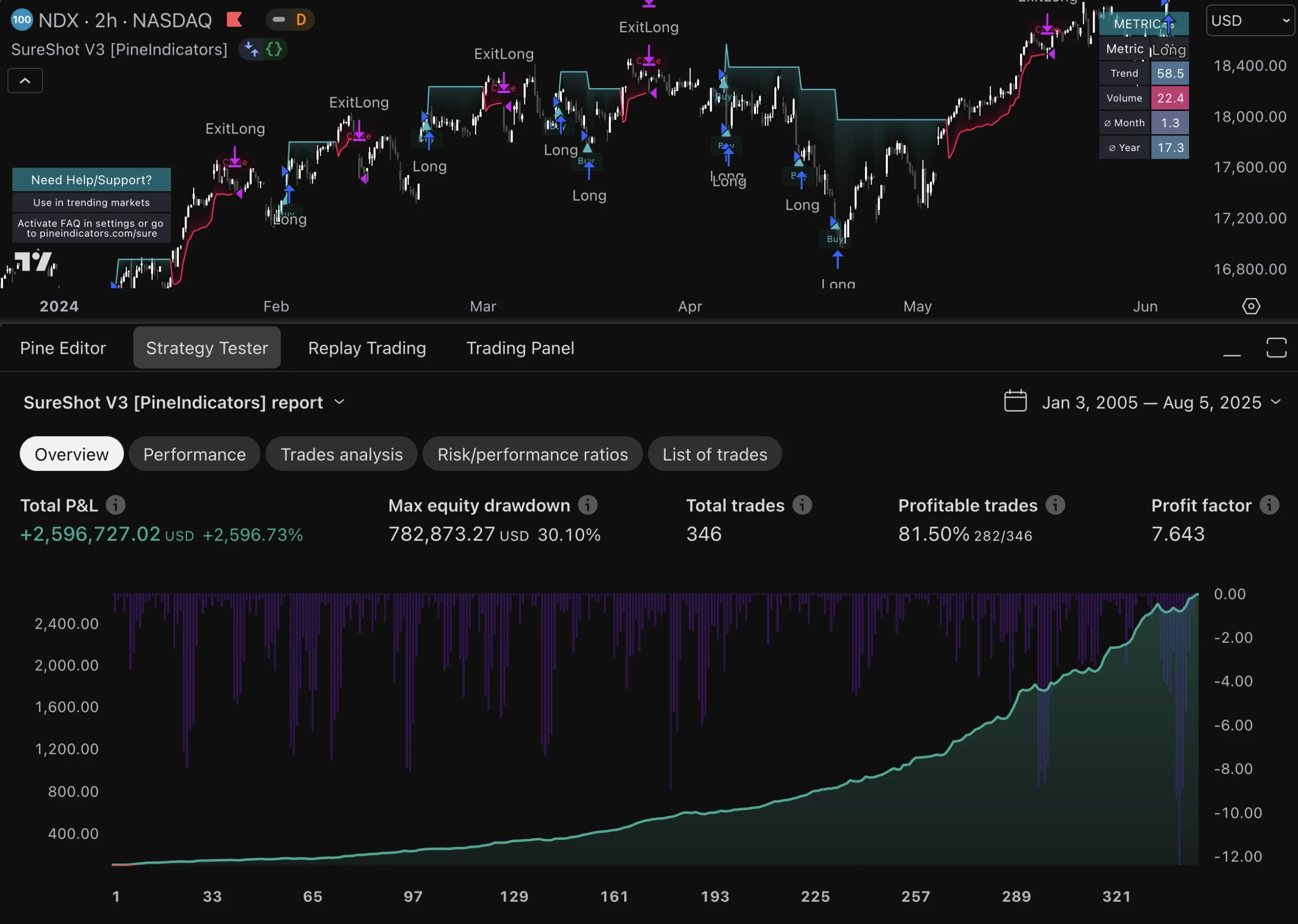
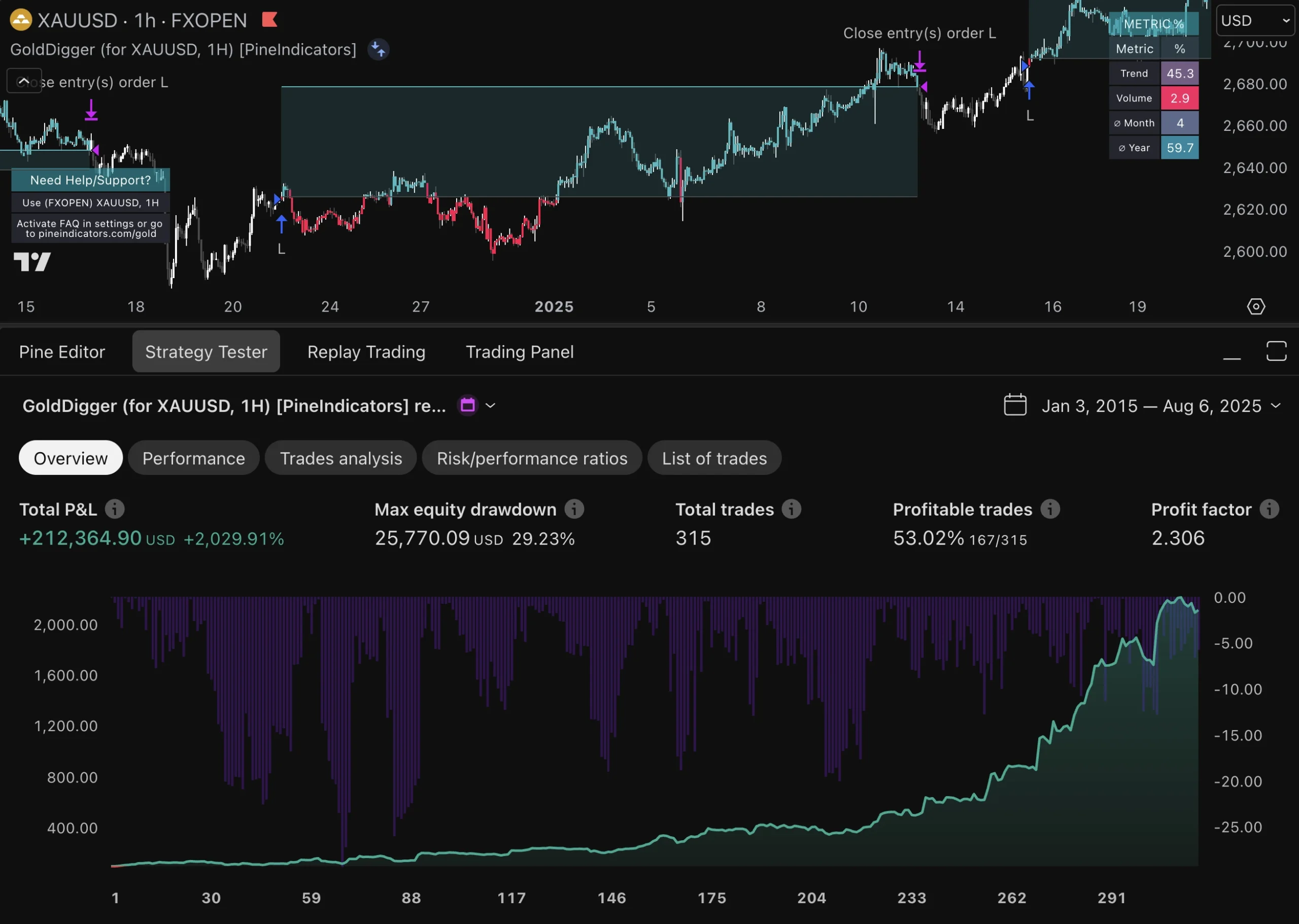
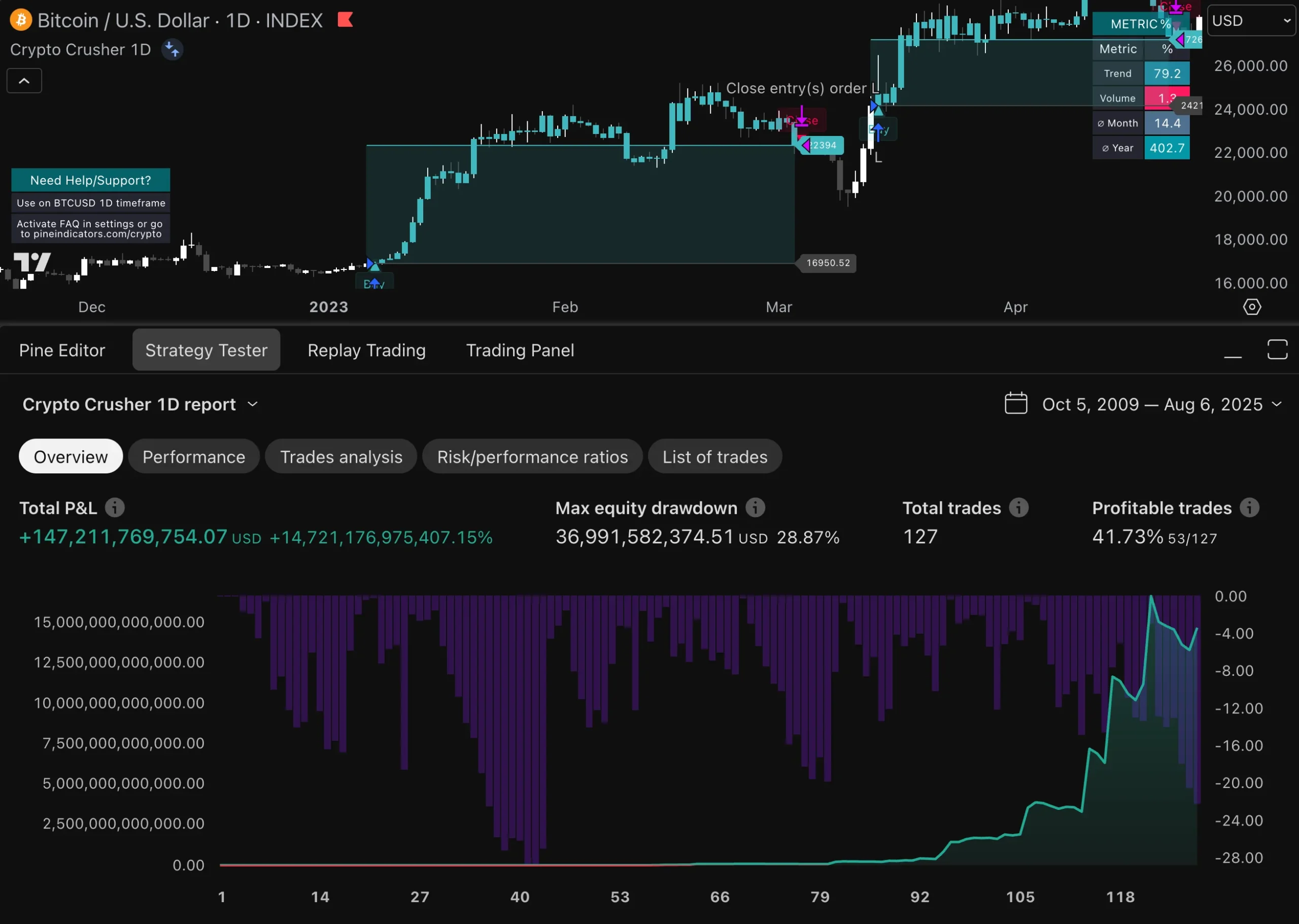
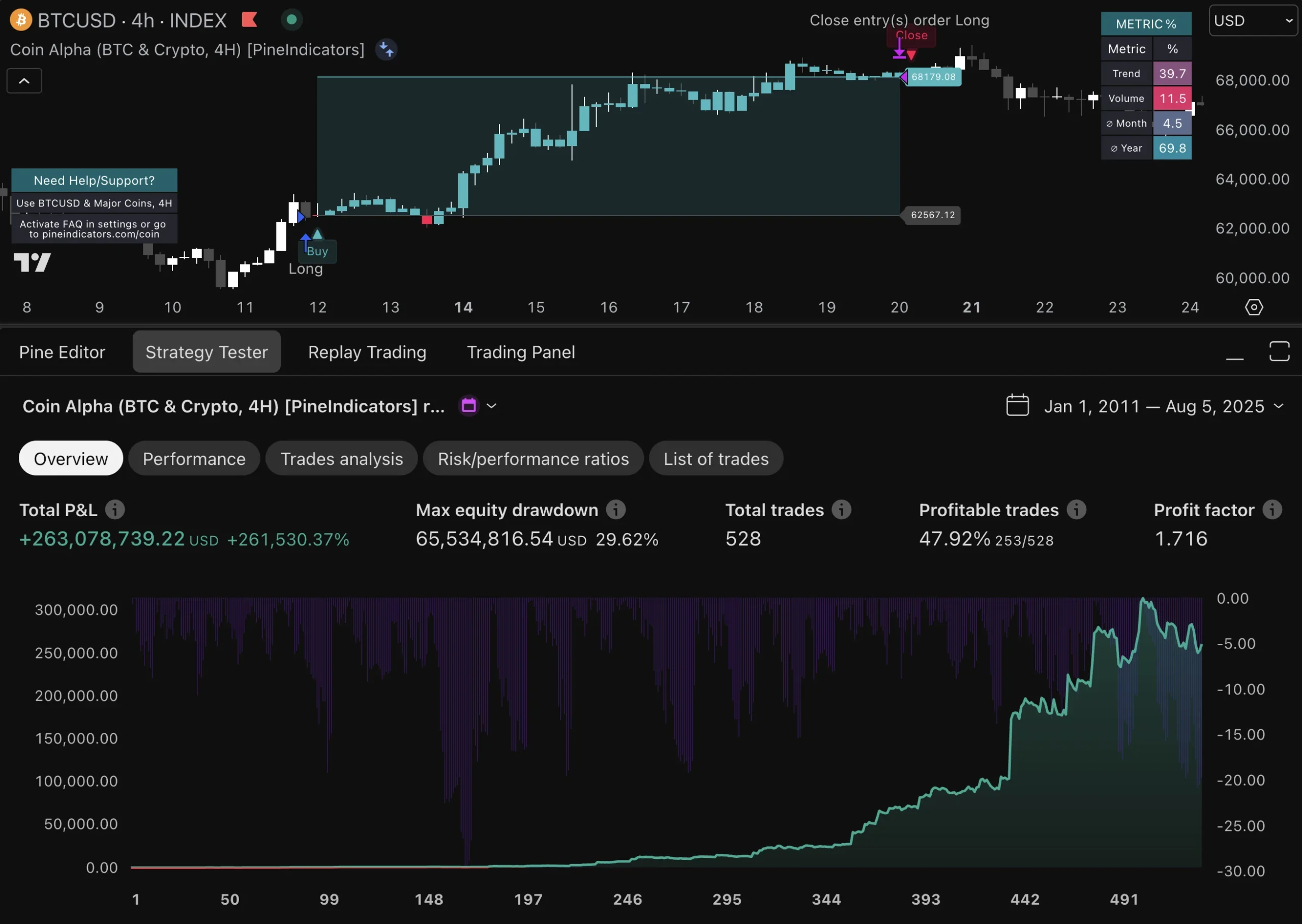
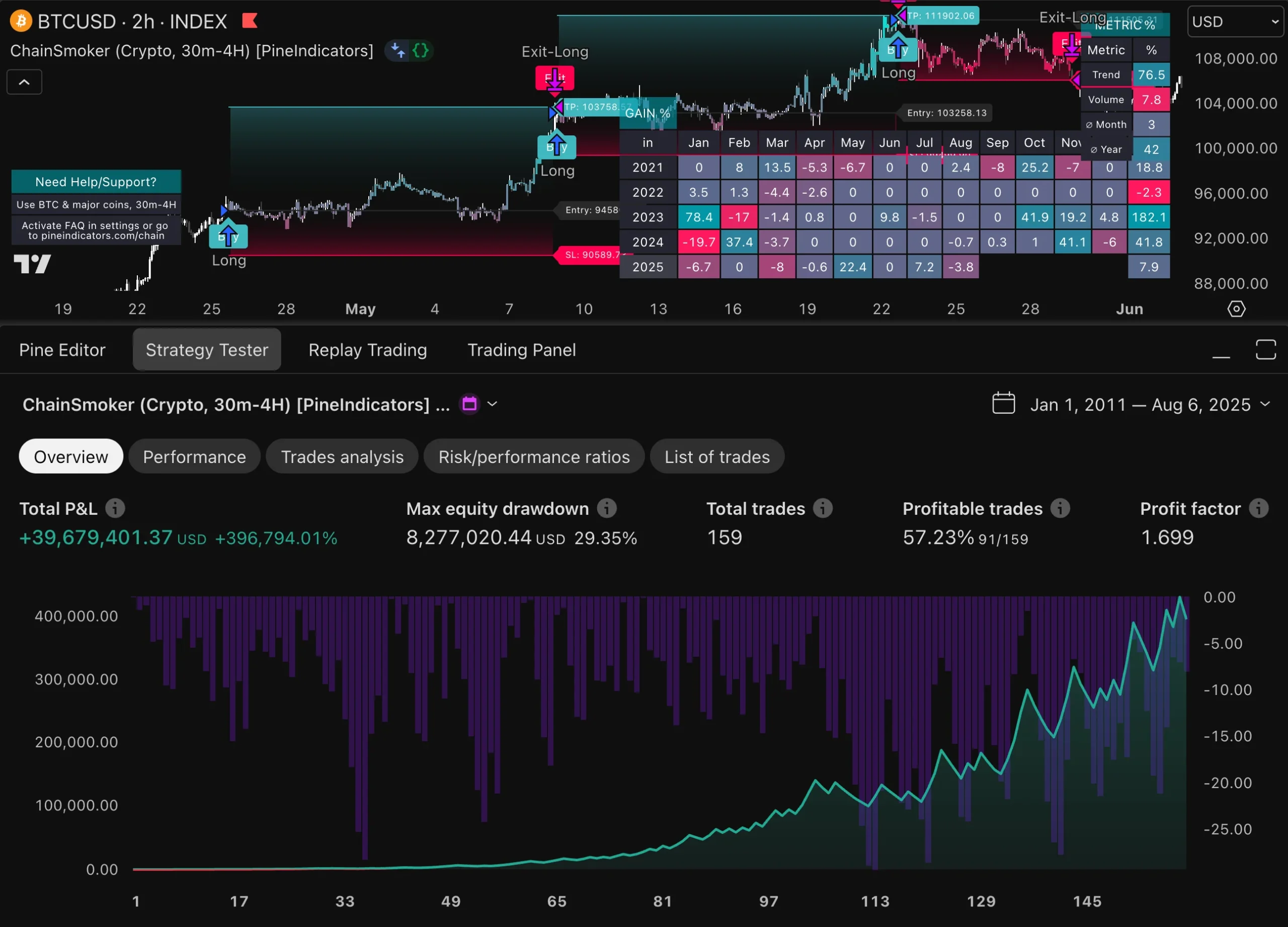
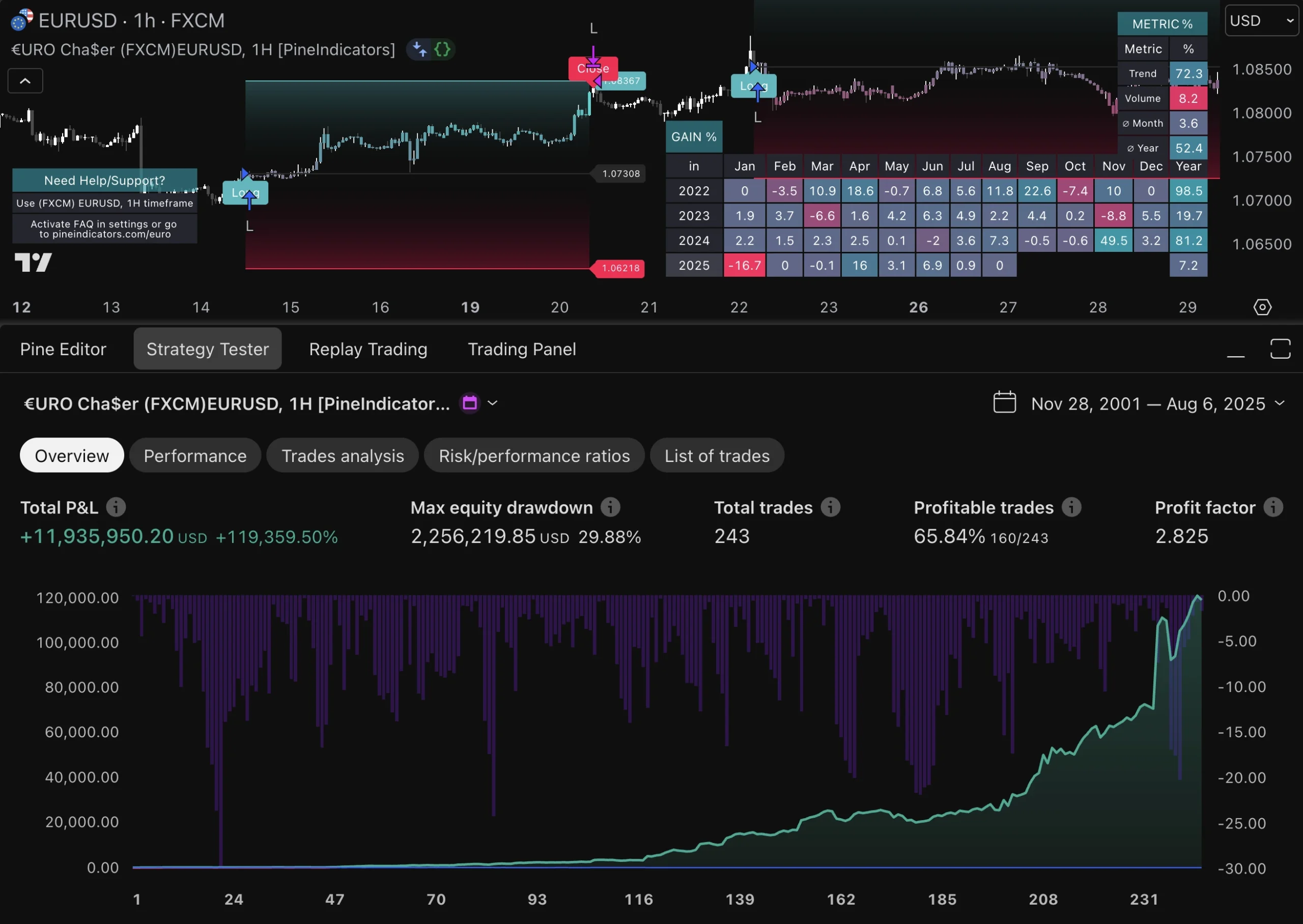
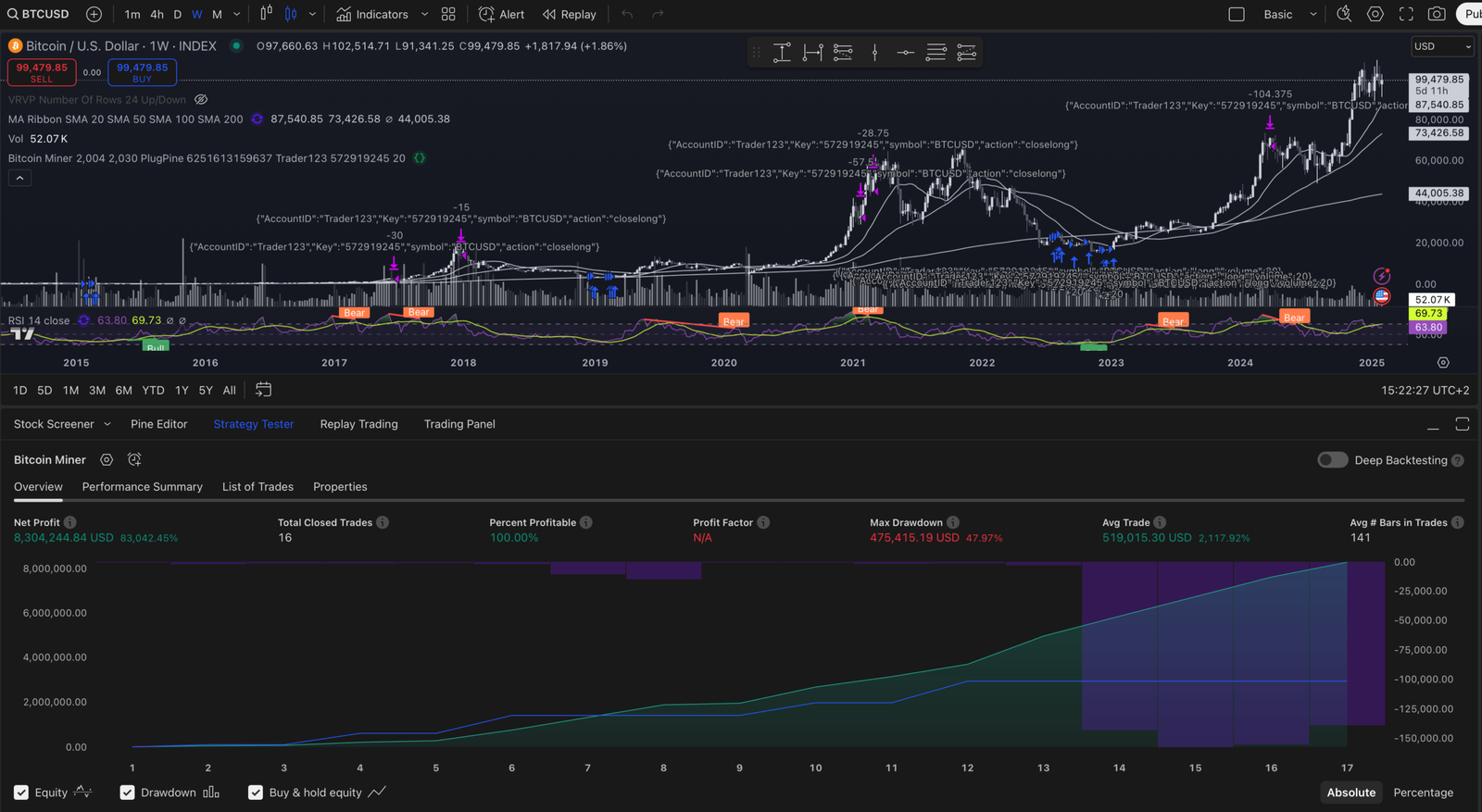
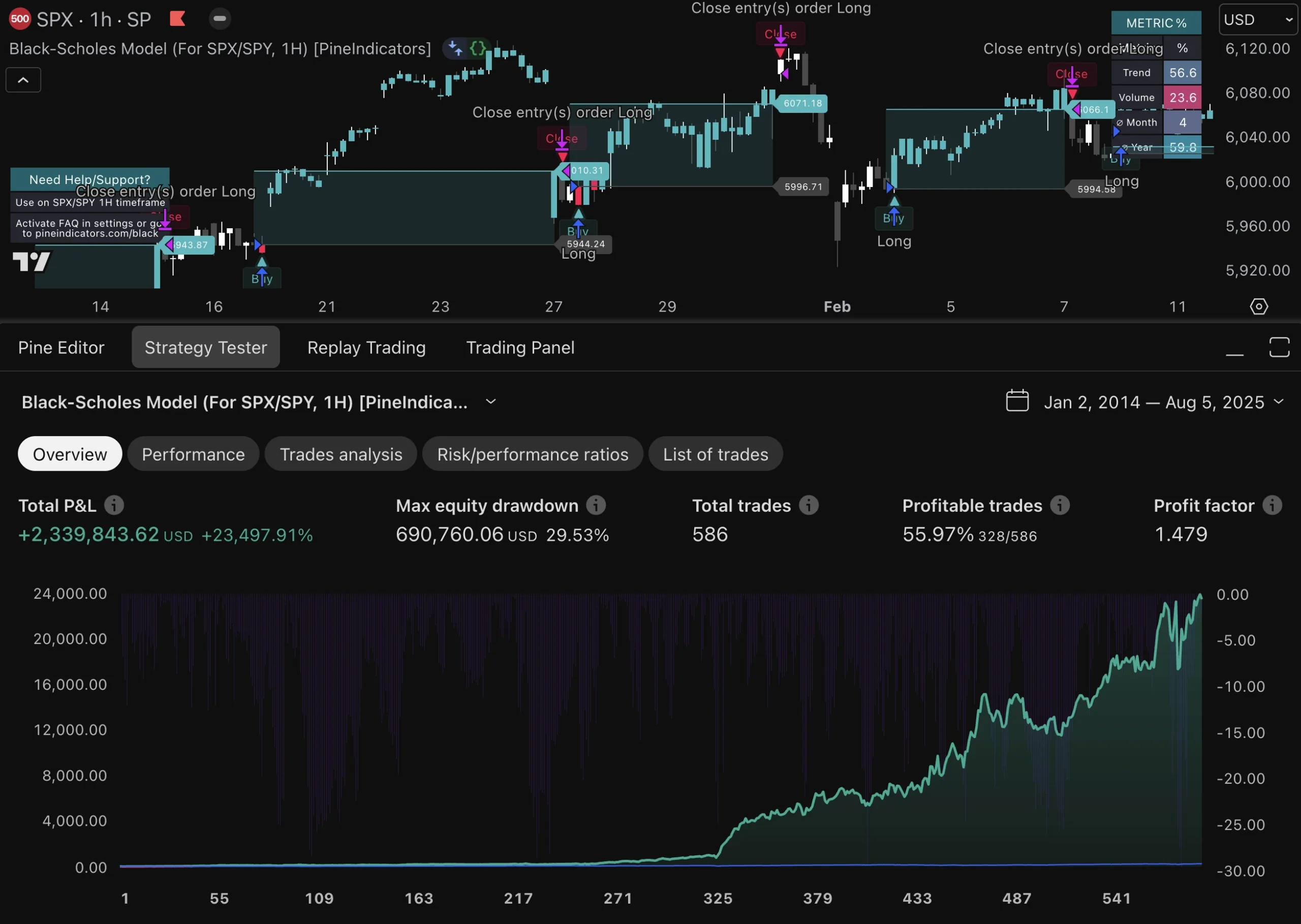
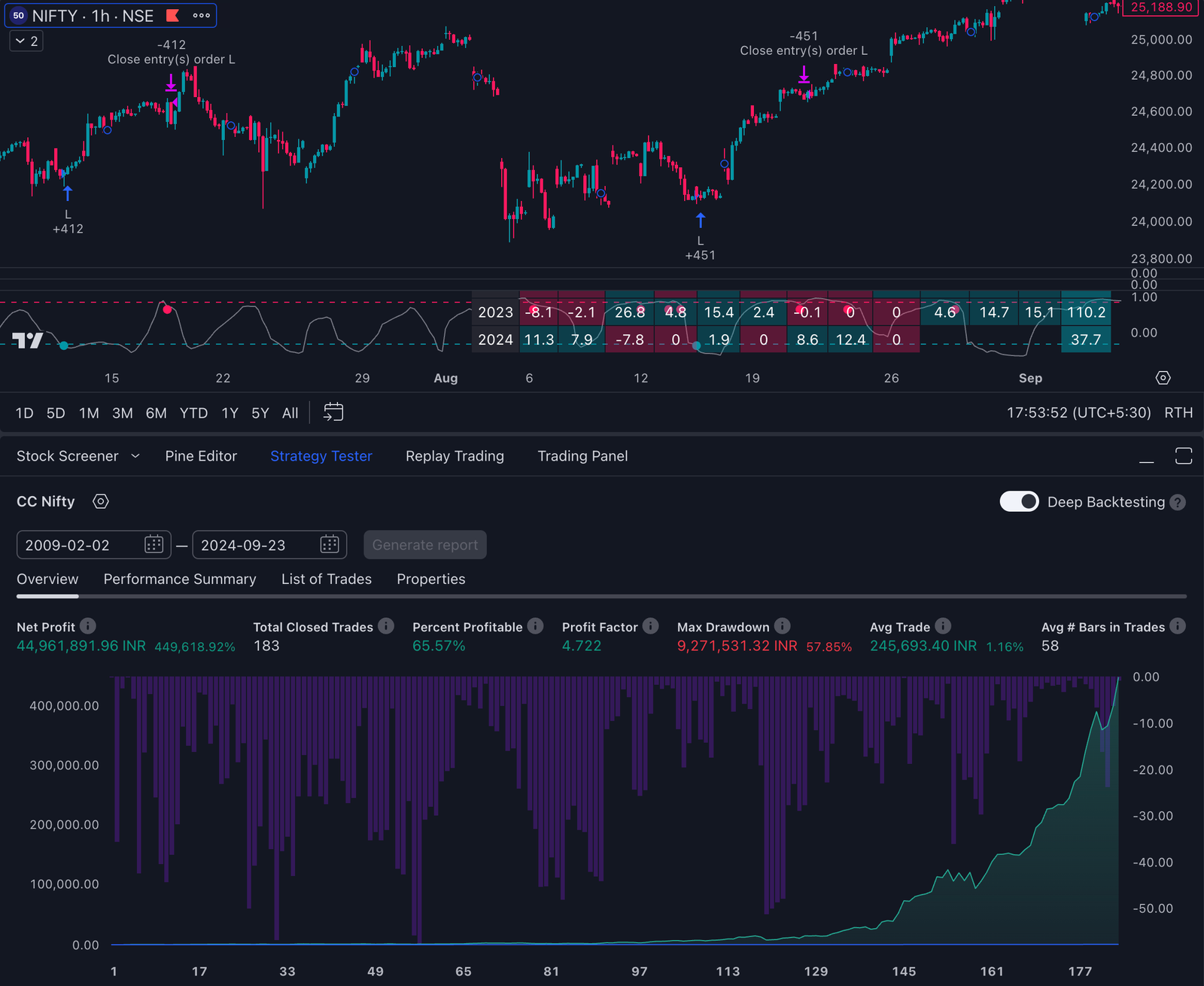
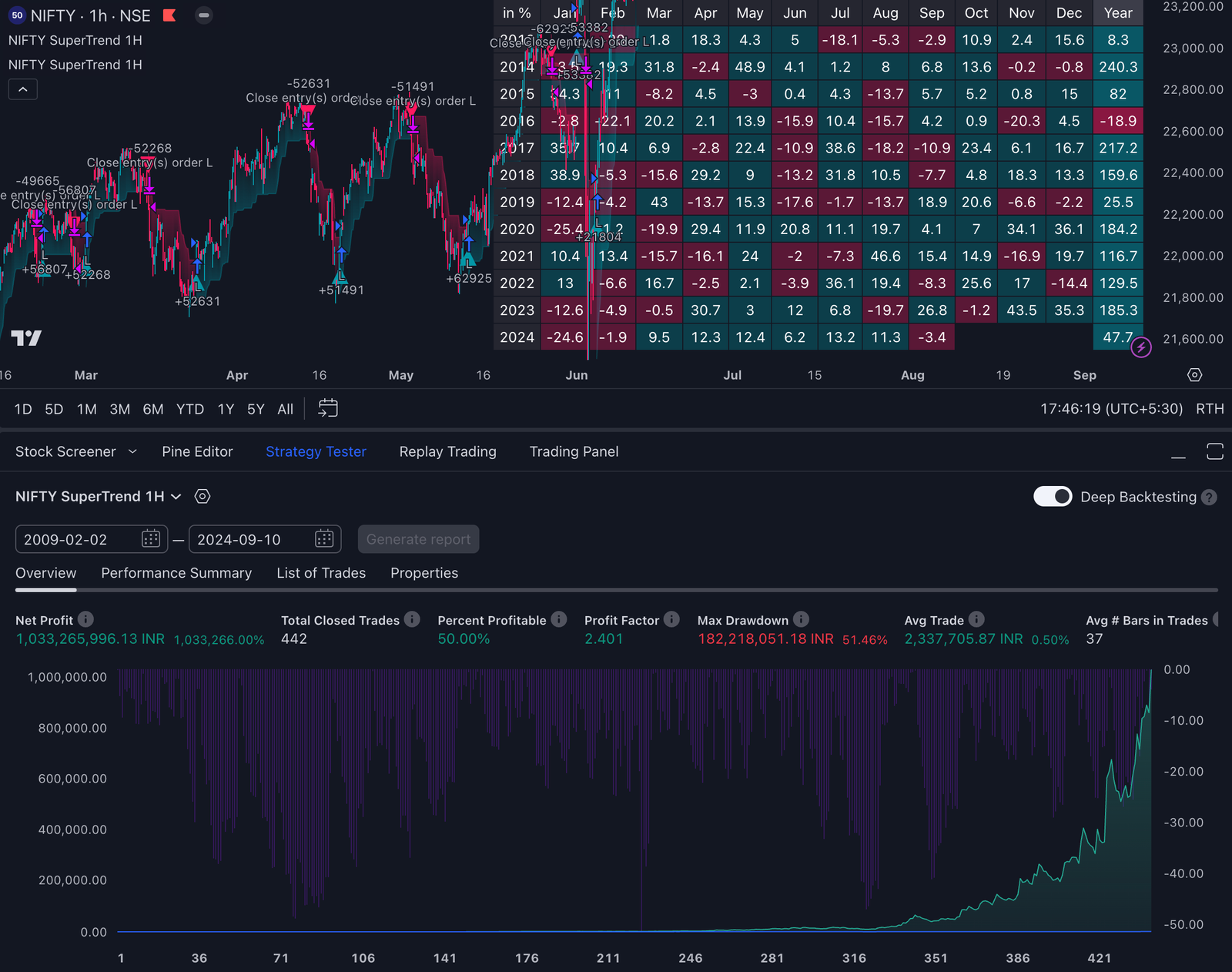
To effectively analyze performance in intraday trading, several key metrics should be considered. One of the most fundamental metrics is the win rate, which represents the percentage of profitable trades relative to the total number of trades executed. A high win rate can indicate a successful strategy; however, it must be evaluated alongside other metrics to provide a comprehensive view of performance.
Another crucial metric is the risk-reward ratio, which compares the potential profit of a trade to its potential loss. A favorable risk-reward ratio suggests that a trader is willing to risk a smaller amount for the chance of earning a larger return. Additionally, metrics such as average trade duration and maximum drawdown provide insights into a trader’s risk exposure and overall strategy effectiveness.
By analyzing these metrics collectively, traders can develop a nuanced understanding of their performance and make informed adjustments to their trading strategies.
Backtesting Intraday Trading Strategies
| Metric | Value | Description |
|---|---|---|
| Win Rate | 65% | Percentage of profitable trades out of total trades |
| Average Profit per Trade | 0.75% | Average percentage gain on winning trades |
| Average Loss per Trade | 0.45% | Average percentage loss on losing trades |
| Risk-Reward Ratio | 1.67 | Ratio of average profit to average loss |
| Maximum Drawdown | 5% | Largest peak-to-trough decline during the trading period |
| Sharpe Ratio | 1.2 | Risk-adjusted return measure |
| Number of Trades | 150 | Total trades executed during the period |
| Average Holding Time | 30 minutes | Average duration each trade is held |
Backtesting is an essential process in developing and validating intraday trading strategies. It involves applying a trading strategy to historical market data to assess its potential effectiveness before deploying it in real-time trading. By simulating trades based on past price movements, traders can evaluate how their strategies would have performed under various market conditions.
The backtesting process typically includes defining entry and exit criteria, setting stop-loss levels, and determining position sizes based on historical data. This allows traders to identify potential weaknesses in their strategies and make necessary adjustments before risking real capital. Moreover, backtesting provides valuable insights into the robustness of a strategy across different market environments, helping traders understand how it may perform during periods of high volatility or low liquidity.
Evaluating Risk and Return in Intraday Trading

In intraday trading, evaluating risk and return is paramount for long-term success. Traders must strike a balance between seeking profitable opportunities and managing potential losses. One common approach to assessing risk is through position sizing—determining how much capital to allocate to each trade based on the trader’s overall portfolio size and risk tolerance.
Additionally, understanding volatility is crucial for evaluating potential returns. High volatility can present lucrative opportunities but also increases the likelihood of significant losses. Traders often use tools such as the Average True Range (ATR) to gauge volatility and adjust their strategies accordingly.
By incorporating risk management techniques such as stop-loss orders and diversification into their trading plans, traders can mitigate potential losses while maximizing their chances for profitable trades.
Performance Analysis Tools for Intraday Trading
A variety of performance analysis tools are available to assist intraday traders in evaluating their strategies effectively. Trading platforms often come equipped with built-in analytics features that allow traders to track their performance metrics over time. These tools can generate reports detailing win rates, average profits per trade, and other essential statistics that inform decision-making.
In addition to platform-specific tools, third-party software solutions offer advanced analytics capabilities. For instance, some applications provide visualizations of trade performance through charts and graphs, making it easier for traders to identify trends and patterns in their results. Furthermore, algorithmic trading systems can automate performance analysis by executing trades based on predefined criteria while continuously monitoring results against established benchmarks.
Case Studies of Successful Intraday Trading Strategies
Examining case studies of successful intraday trading strategies can provide valuable insights into effective practices and methodologies. One notable example is the strategy employed by professional day trader Ross Cameron, who focuses on momentum stocks with high volatility. Cameron’s approach involves identifying stocks that exhibit significant pre-market activity and then executing trades based on real-time price movements during market hours.
Another case study involves the use of technical indicators such as moving averages and Bollinger Bands by trader Steven Dux. Dux’s strategy revolves around identifying breakouts from established price ranges using these indicators as confirmation signals. By analyzing historical data and refining his approach through backtesting, Dux has achieved consistent profitability in his intraday trading endeavors.
Common Pitfalls in Intraday Trading Performance Analysis
Despite the importance of performance analysis in intraday trading, several common pitfalls can hinder traders’ ability to evaluate their results effectively. One prevalent issue is overemphasis on short-term results without considering long-term trends. Traders may become fixated on daily profits or losses, leading them to make impulsive decisions that deviate from their established strategies.
Another pitfall is neglecting emotional factors that can influence decision-making. Fear and greed often play significant roles in trading behavior; thus, failing to account for these emotions can skew performance analysis results. Traders must strive for objectivity when reviewing their trades and avoid allowing emotions to cloud their judgment during evaluations.
Improving Performance through Analysis and Adaptation
To enhance performance in intraday trading, continuous analysis and adaptation are essential practices.
This may involve adjusting entry and exit criteria based on historical data or refining risk management techniques to better align with changing market conditions.
Moreover, staying informed about market trends and economic indicators can provide valuable context for decision-making. By adapting strategies in response to evolving market dynamics—such as shifts in volatility or changes in liquidity—traders can position themselves for success even in challenging environments. Embracing a mindset of lifelong learning and flexibility will ultimately contribute to sustained profitability in intraday trading.
Implementing Effective Intraday Trading Strategies
Implementing effective intraday trading strategies requires a combination of knowledge, discipline, and adaptability. By understanding the intricacies of performance analysis and leveraging key metrics, traders can refine their approaches over time. The process of backtesting strategies further enhances confidence in decision-making while evaluating risk and return ensures that traders remain vigilant against potential pitfalls.
Ultimately, successful intraday trading hinges on a commitment to continuous improvement through analysis and adaptation. By learning from both successes and failures, traders can cultivate a robust skill set that enables them to navigate the complexities of the financial markets with greater efficacy. As they implement effective strategies tailored to their unique strengths and market conditions, they position themselves for long-term success in the fast-paced world of intraday trading.
For those interested in enhancing their intraday trading strategies, a valuable resource is the article on TradingView automation, which discusses techniques for achieving consistent trades. You can read more about it in this article: TradingView Automation for Consistent Trades. This article provides insights into how automation can improve trading performance and streamline the decision-making process.
FAQs
What is intraday trading?
Intraday trading refers to the practice of buying and selling financial instruments within the same trading day, such that all positions are closed before the market closes.
What factors influence intraday trading strategy performance?
Performance is influenced by market volatility, liquidity, timing of trades, risk management, the trader’s skill, and the effectiveness of the chosen strategy.
What are common types of intraday trading strategies?
Common strategies include scalping, momentum trading, breakout trading, and mean reversion.
How is the performance of an intraday trading strategy measured?
Performance is typically measured by metrics such as profit and loss, win rate, risk-reward ratio, drawdown, and return on investment (ROI).
Can intraday trading strategies guarantee profits?
No, intraday trading strategies do not guarantee profits as markets are unpredictable and involve risk. Proper risk management is essential.
What role does technology play in intraday trading strategy performance?
Technology, including trading platforms, real-time data feeds, and algorithmic trading tools, can enhance execution speed and decision-making, impacting performance positively.
Is backtesting important for intraday trading strategies?
Yes, backtesting allows traders to evaluate how a strategy would have performed historically, helping to refine and validate the approach before live trading.
How does market volatility affect intraday trading?
Higher volatility can create more trading opportunities but also increases risk. Strategies must be adapted to current market conditions for optimal performance.
What risk management techniques are used in intraday trading?
Common techniques include setting stop-loss orders, position sizing, diversification, and limiting the amount of capital risked per trade.
Are intraday trading strategies suitable for all investors?
Intraday trading requires quick decision-making, discipline, and a good understanding of markets, making it more suitable for experienced traders rather than beginners.