
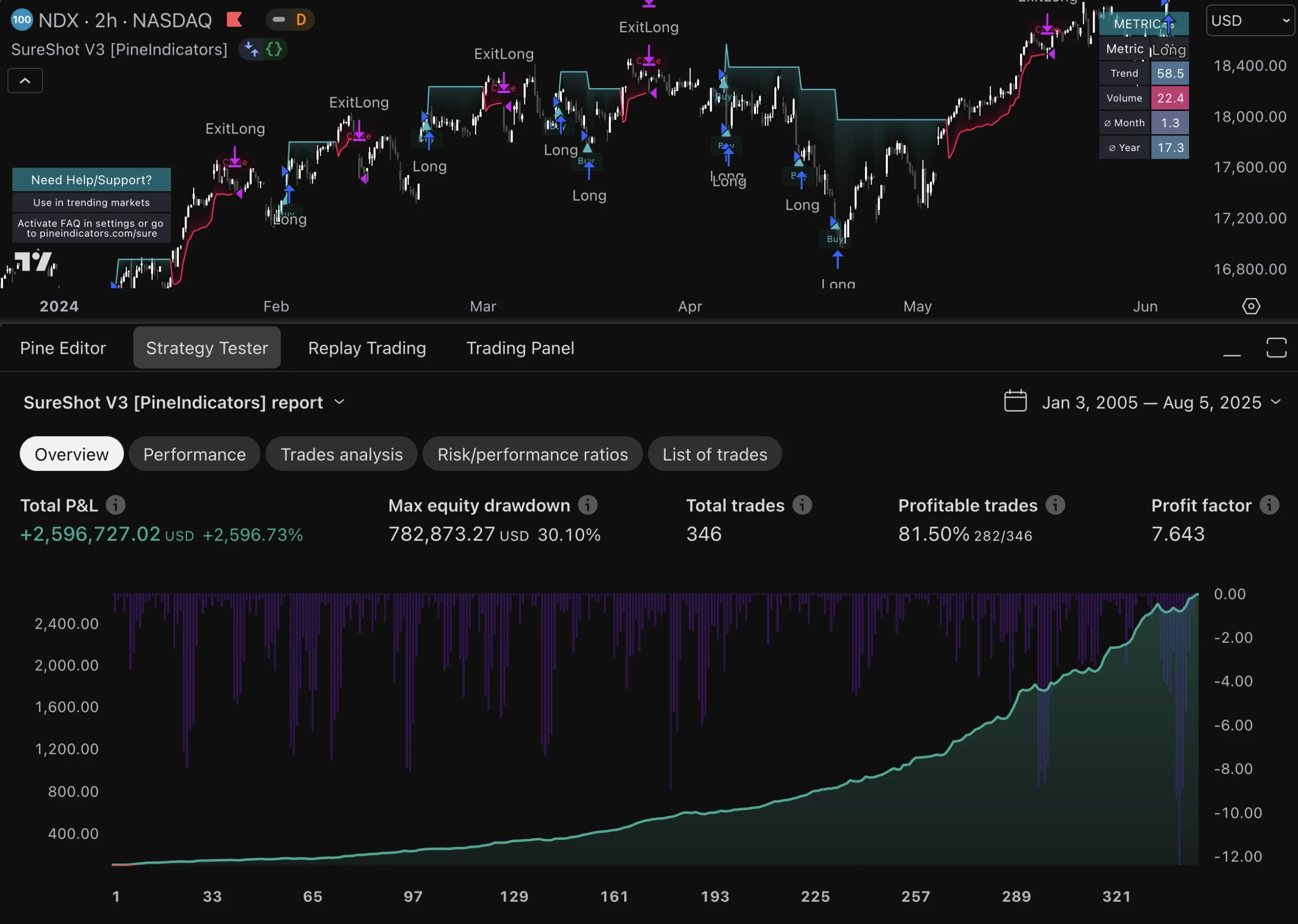
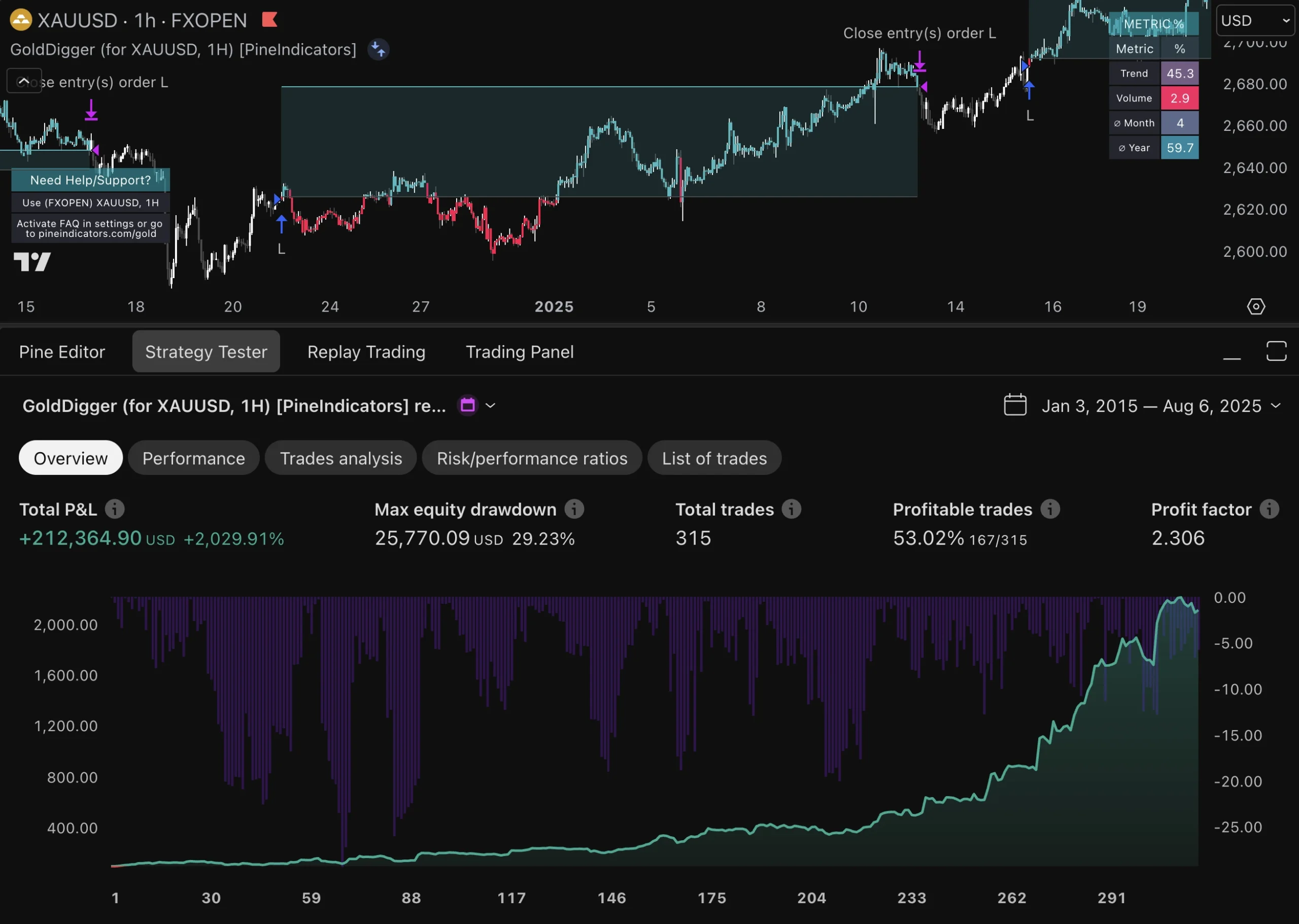
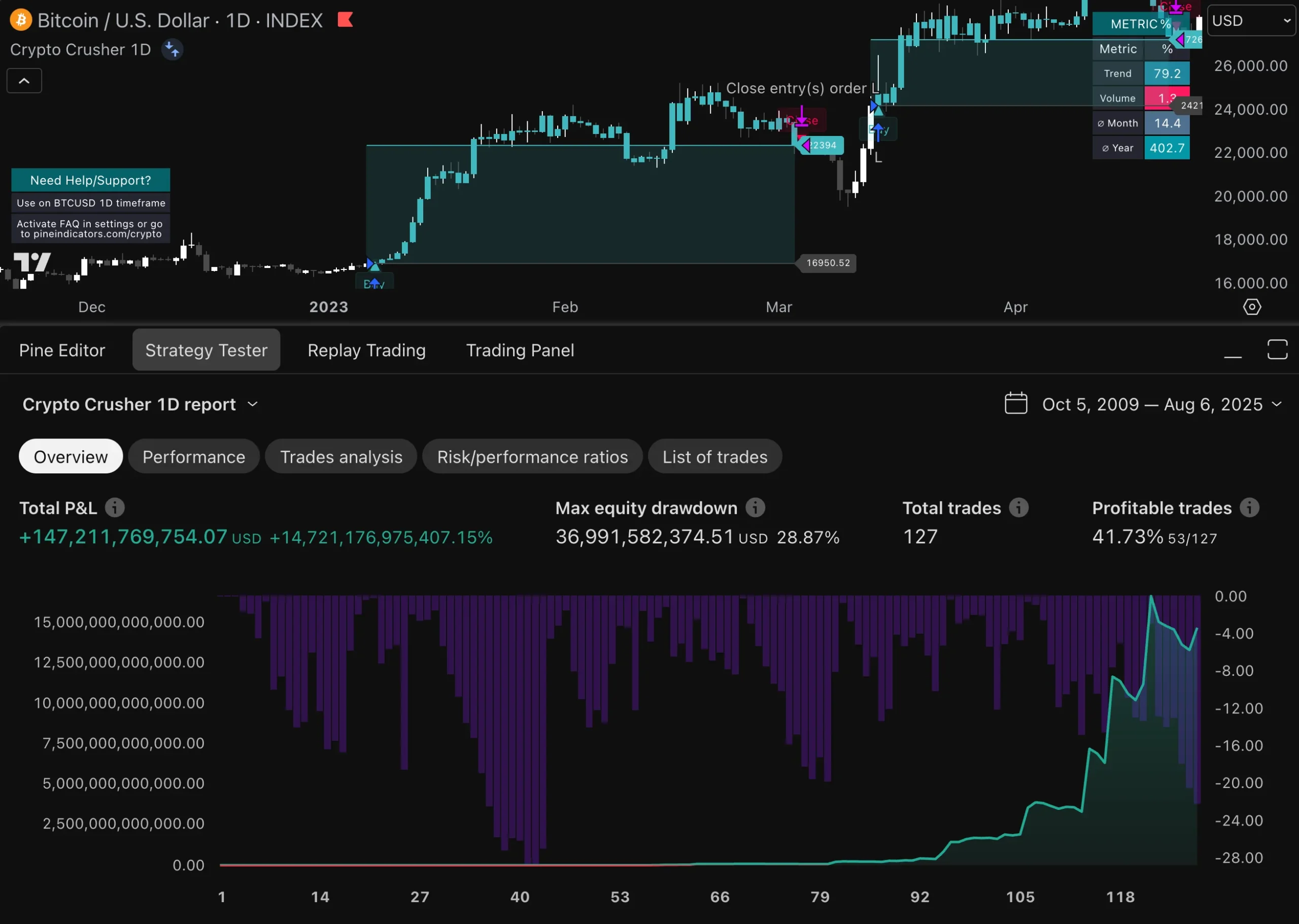
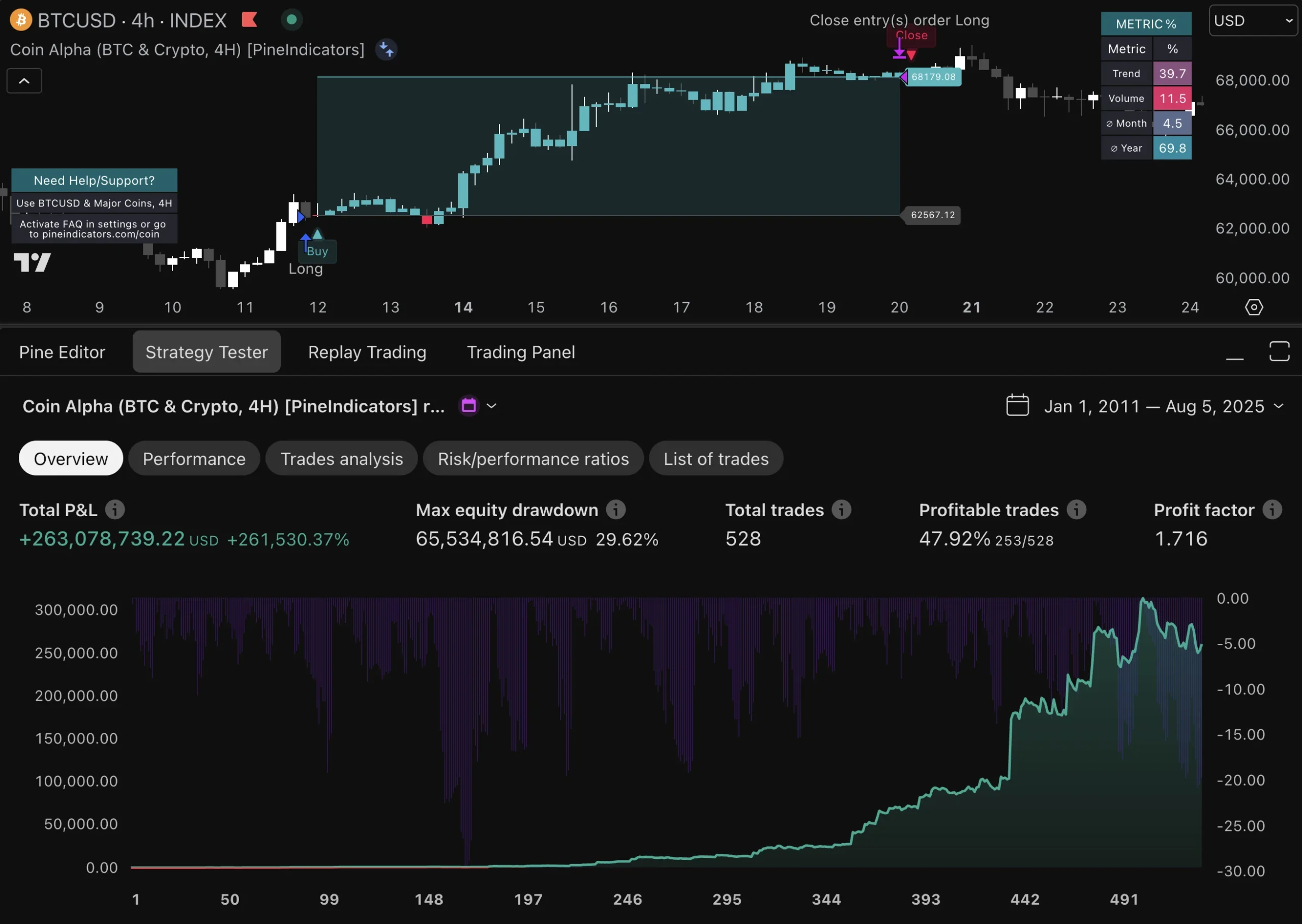
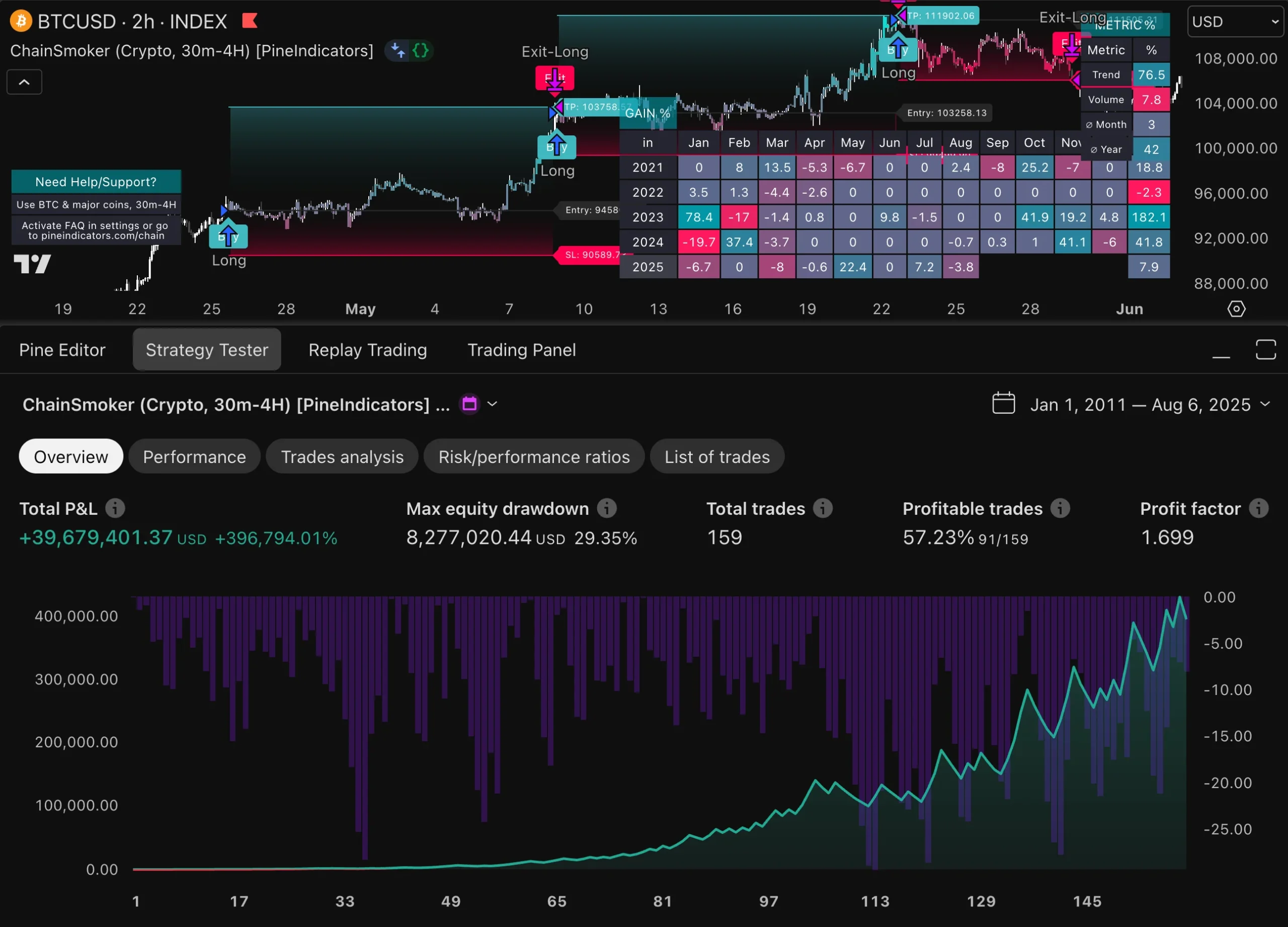
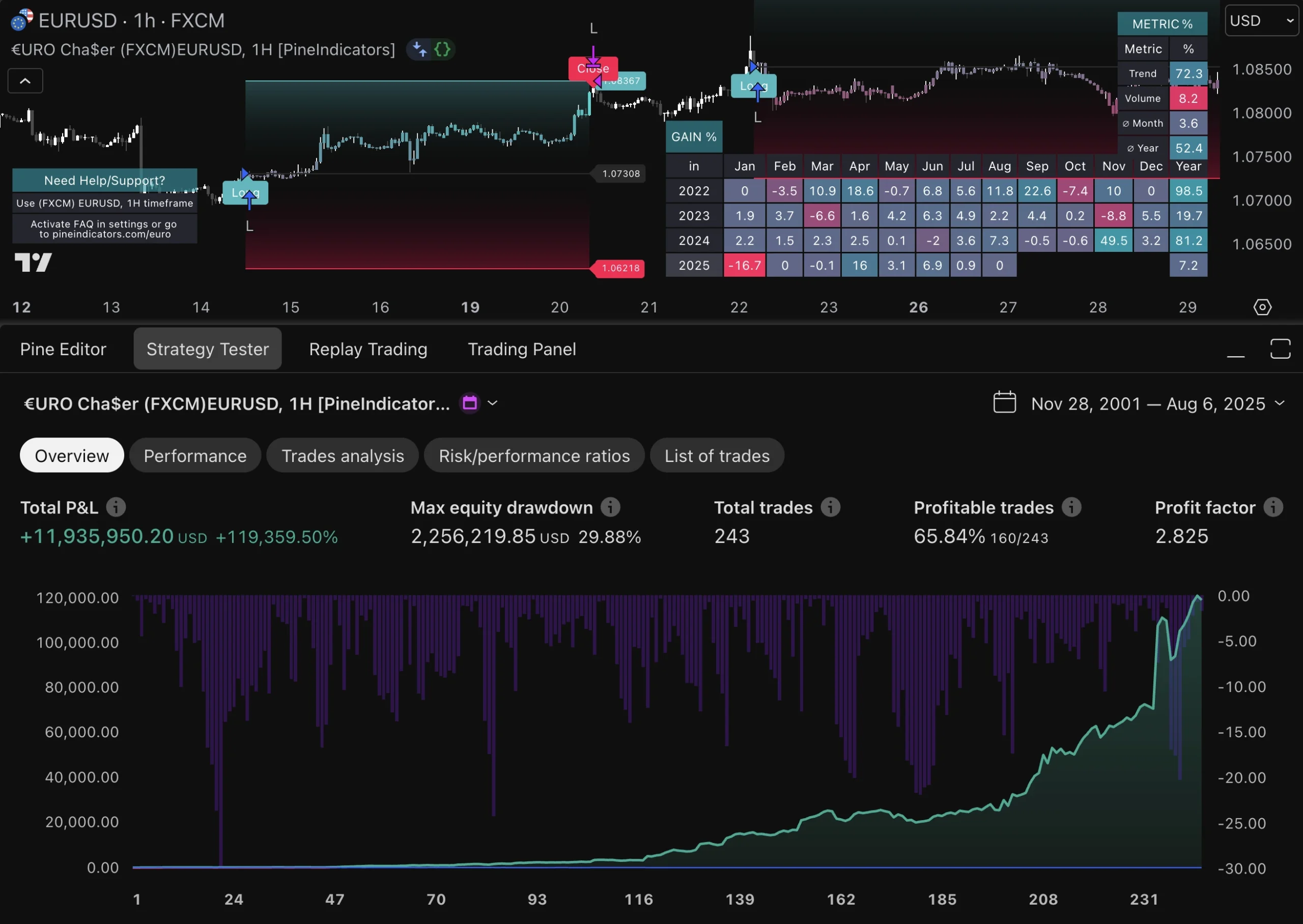
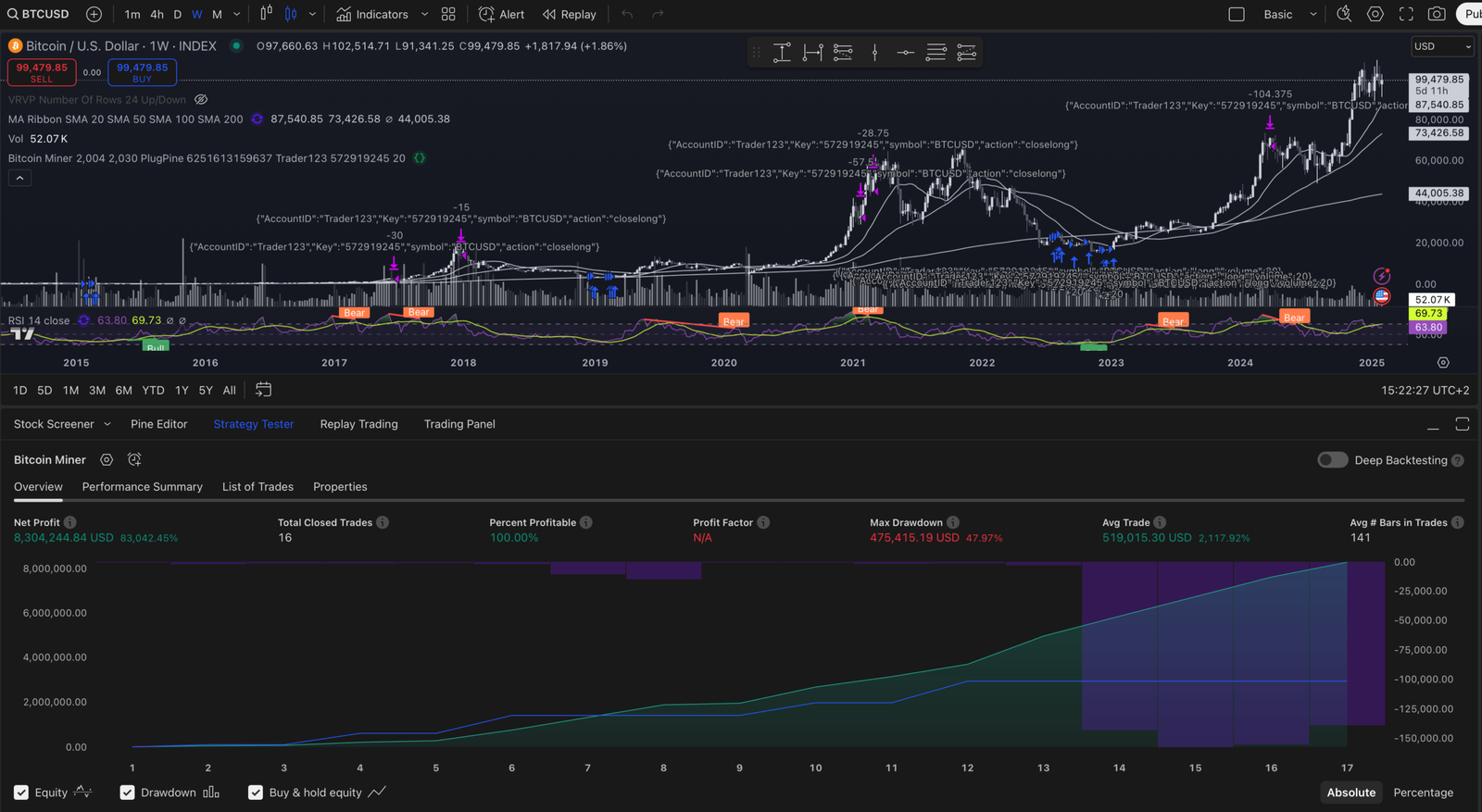
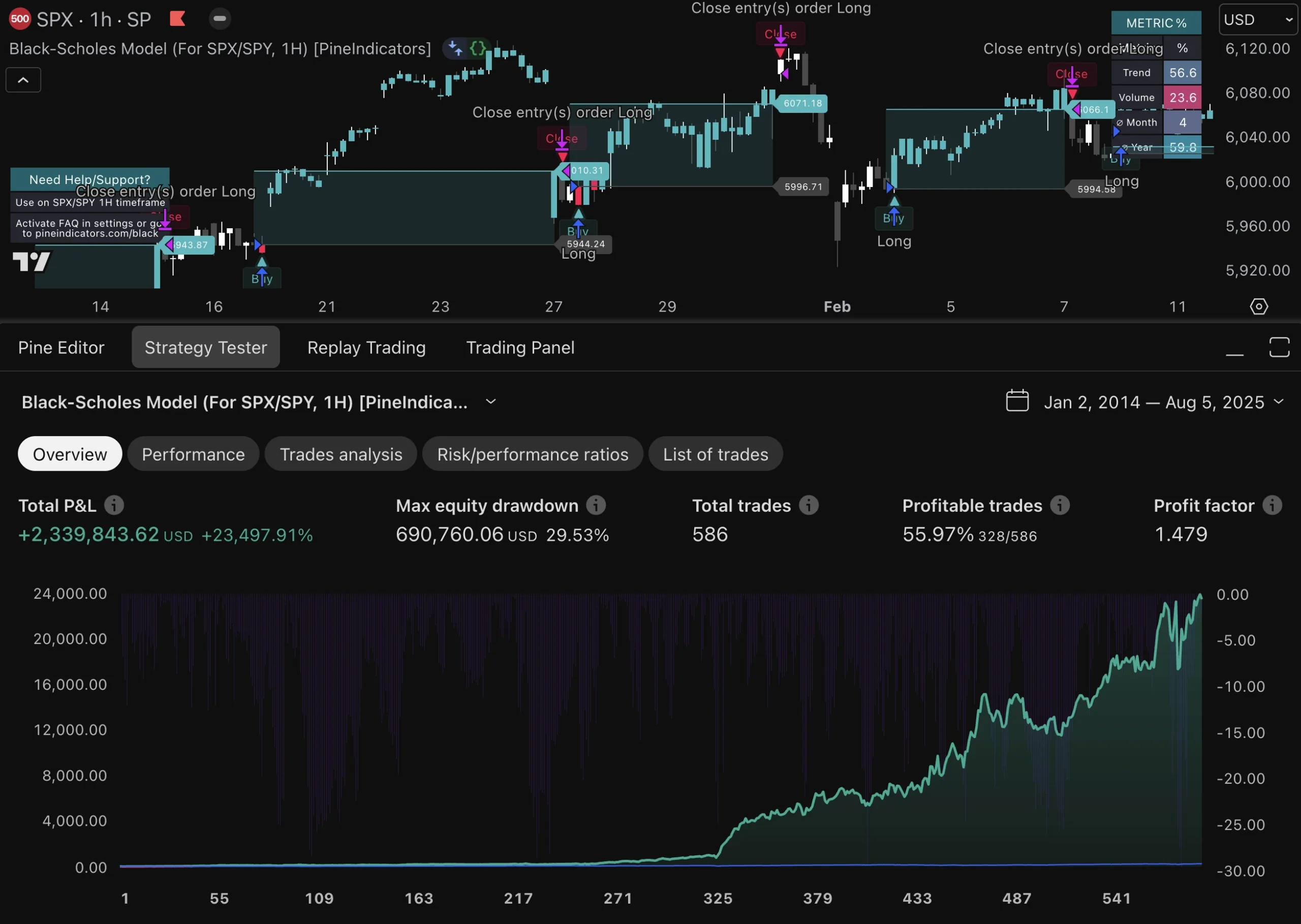
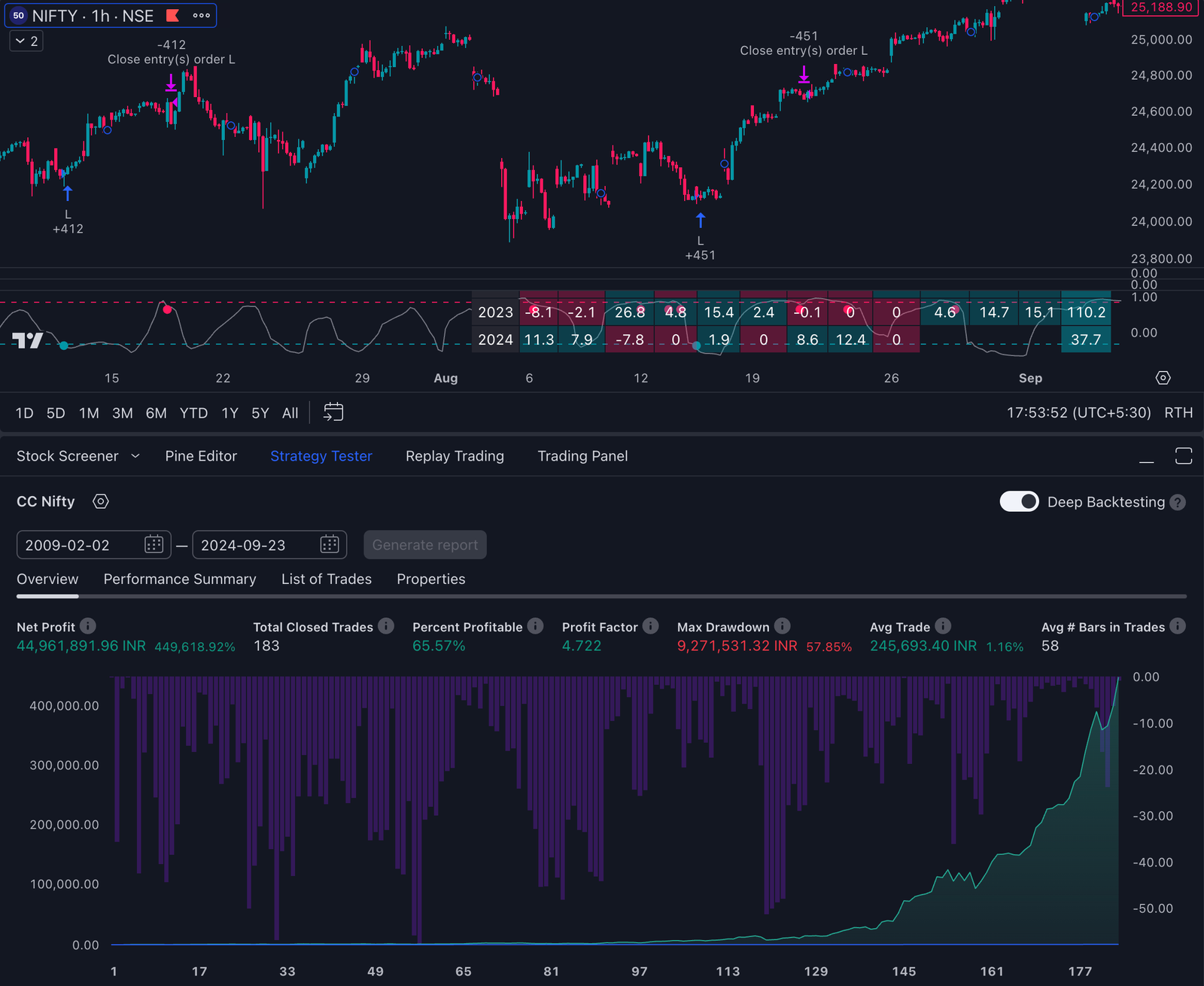
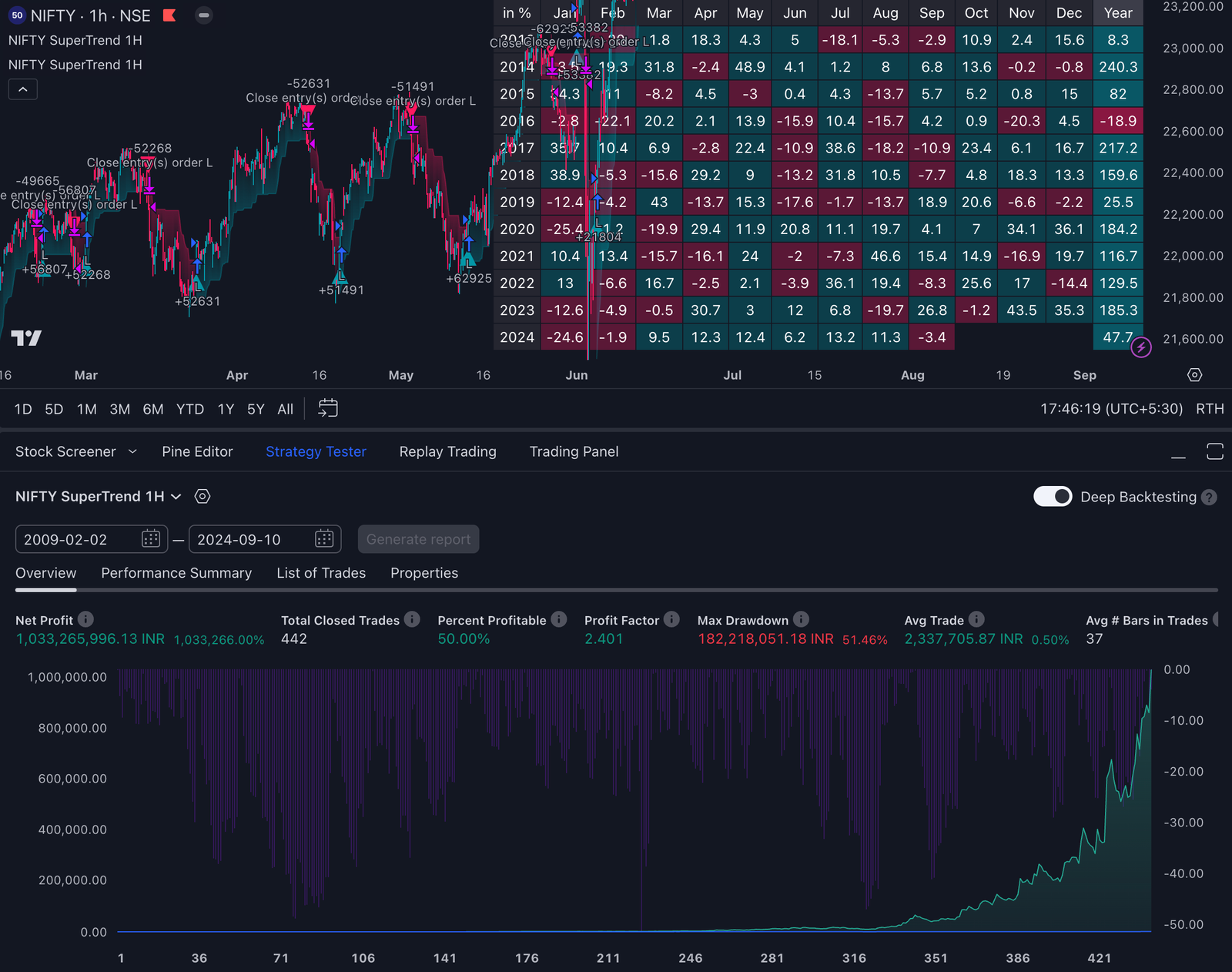

Backtesting is a critical component in the development and validation of trading strategies, particularly in the realm of momentum investing. This process involves applying a trading strategy to historical market data to assess its viability and performance over time. The momentum strategy, which capitalizes on the tendency of assets to continue moving in the same direction for some time, has gained significant traction among investors and traders alike.
By backtesting this strategy, investors can gain insights into its potential effectiveness, understand its risk profile, and refine their approach before committing real capital. The importance of backtesting cannot be overstated; it serves as a bridge between theoretical models and real-world application. Through backtesting, investors can identify the strengths and weaknesses of their momentum strategies, allowing them to make informed decisions based on empirical evidence rather than speculation.
This article delves into the intricacies of backtesting momentum strategies, exploring their methodology, data requirements, results, and implications for investors.
Key Takeaways
- Momentum strategy relies on capitalizing on existing market trends to generate returns.
- Backtesting involves using historical data to evaluate the effectiveness of the momentum strategy.
- Market conditions significantly influence the performance and reliability of momentum-based investments.
- Comparing momentum strategy with other approaches helps identify its strengths and weaknesses.
- Investors should consider risks and practical implementation guidelines before adopting momentum strategies.
Understanding Momentum Strategy and its Importance
Momentum strategy is predicated on the observation that assets that have performed well in the past tend to continue performing well in the near future, while those that have underperformed are likely to continue their downward trajectory. This phenomenon can be attributed to various behavioral finance theories, including investor psychology and market inefficiencies. The momentum effect has been documented across various asset classes, including equities, commodities, and currencies, making it a versatile approach for traders.
The significance of momentum strategies lies in their ability to exploit market trends. In an environment where information dissemination is rapid and market participants react to news and events with varying degrees of efficiency, momentum strategies can provide a systematic approach to capitalizing on these trends. By identifying and riding the wave of price movements, investors can potentially enhance their returns while managing risk through disciplined entry and exit points.
Methodology for Backtesting Momentum Strategy

The methodology for backtesting a momentum strategy typically involves several key steps: defining the strategy parameters, selecting the appropriate time frame, and determining the entry and exit signals. A common approach is to use a relative strength index (RSI) or moving averages to identify momentum. For instance, an investor might decide to buy stocks that have outperformed the market over the past three to twelve months while selling those that have underperformed.
Once the parameters are established, historical price data is required for analysis. This data should encompass a sufficiently long time frame to capture various market conditions, including bull and bear markets. The backtesting process involves simulating trades based on historical data, applying the defined entry and exit signals, and tracking performance metrics such as total return, maximum drawdown, and Sharpe ratio.
This quantitative analysis allows investors to evaluate how well the strategy would have performed in the past.
Data Collection and Analysis for Backtesting
Data collection is a pivotal aspect of backtesting momentum strategies.
Sources for this data can range from financial market databases like Bloomberg or Reuters to free resources such as Yahoo Finance or Quandl.
The choice of data source can significantly impact the accuracy of backtesting results; thus, ensuring data integrity is paramount. Once the data is collected, it must be cleaned and organized for analysis. This involves removing any anomalies or outliers that could skew results and ensuring that the data is formatted correctly for computational analysis.
After cleaning the data, investors can employ statistical tools and programming languages such as Python or R to conduct their backtests. By analyzing performance metrics such as win/loss ratios, average returns per trade, and volatility measures, investors can gain insights into how well their momentum strategy would have performed historically.
Results of Backtesting Momentum Strategy
| Metric | Value | Description |
|---|---|---|
| Annualized Return | 12.5% | Average yearly return generated by the strategy |
| Annualized Volatility | 18.3% | Standard deviation of returns on an annual basis |
| Sharpe Ratio | 0.68 | Risk-adjusted return measure (return per unit of risk) |
| Max Drawdown | 15.2% | Maximum observed loss from a peak to a trough |
| Win Rate | 58% | Percentage of profitable trades |
| Average Trade Duration | 21 days | Average holding period per trade |
| Number of Trades | 120 | Total trades executed during backtest period |
| Profit Factor | 1.45 | Ratio of gross profits to gross losses |
The results of backtesting a momentum strategy can provide valuable insights into its potential effectiveness. For example, a backtest might reveal that a particular momentum strategy yielded an annualized return of 15% over a ten-year period while maintaining a maximum drawdown of 20%. Such results would suggest that the strategy not only outperformed the broader market but also managed risk effectively during downturns.
However, it is essential to interpret these results with caution. While positive backtest results can be encouraging, they do not guarantee future performance. Factors such as changing market dynamics, shifts in investor behavior, and economic conditions can all influence how a momentum strategy performs going forward.
Comparison with other Investment Strategies

When evaluating momentum strategies, it is beneficial to compare them with other investment approaches such as value investing or mean reversion strategies. Value investing focuses on identifying undervalued assets based on fundamental analysis, while mean reversion strategies operate on the premise that asset prices will revert to their historical averages over time. Each of these strategies has its own merits and drawbacks.
Momentum strategies often outperform value strategies during trending markets when prices are moving consistently in one direction. Conversely, in choppy or sideways markets where price fluctuations are minimal, value investing may yield better results as undervalued stocks eventually correct themselves. By understanding these dynamics, investors can tailor their strategies based on prevailing market conditions and their risk tolerance.
Impact of Market Conditions on Momentum Strategy
Market conditions play a crucial role in determining the effectiveness of momentum strategies. In bullish markets characterized by rising prices and investor optimism, momentum strategies tend to thrive as assets continue to gain traction. Conversely, during bearish markets marked by declining prices and heightened uncertainty, momentum strategies may struggle as trends reverse or become less predictable.
Additionally, external factors such as economic indicators, geopolitical events, and changes in monetary policy can significantly impact market conditions and thus influence momentum strategies’ performance. For instance, during periods of economic expansion when consumer confidence is high, momentum strategies may benefit from increased buying pressure across various asset classes. Conversely, during economic downturns or periods of high volatility, these strategies may face challenges as trends become less reliable.
Practical Implications for Investors
For investors looking to implement momentum strategies based on backtesting results, several practical implications arise. First and foremost is the need for discipline in adhering to predefined entry and exit signals. Emotional decision-making can lead to suboptimal outcomes; thus, having a systematic approach is essential for success.
Moreover, diversification remains a critical consideration when employing momentum strategies. By spreading investments across various asset classes or sectors, investors can mitigate risks associated with individual securities while still capitalizing on broader market trends. Additionally, regular monitoring and rebalancing of portfolios are necessary to ensure alignment with evolving market conditions and investment goals.
Limitations and Risks of Momentum Strategy
Despite its potential advantages, momentum strategies are not without limitations and risks. One significant risk is the possibility of sudden trend reversals that can lead to substantial losses if positions are not managed effectively. For instance, if an investor holds onto a stock that has been performing well but suddenly experiences negative news or earnings misses, they may face significant drawdowns.
Another limitation is the potential for overfitting during the backtesting process. Investors may inadvertently create overly complex models that perform well on historical data but fail to adapt to future market conditions. This phenomenon underscores the importance of simplicity in strategy design and the need for robust validation techniques beyond mere backtesting.
Recommendations for Implementing Momentum Strategy
To effectively implement a momentum strategy based on backtesting insights, investors should consider several recommendations. First, it is advisable to start with a clear set of rules governing entry and exit points based on empirical evidence rather than subjective judgment. Utilizing technical indicators such as moving averages or RSI can help establish these rules systematically.
Investors should also remain vigilant about transaction costs associated with frequent trading inherent in momentum strategies. High turnover rates can erode returns; thus, finding a balance between capturing trends and managing costs is crucial. Additionally, incorporating risk management techniques such as stop-loss orders can help protect against adverse price movements.
Conclusion and Future Outlook for Momentum Strategy
As financial markets continue to evolve with advancements in technology and changes in investor behavior, the future outlook for momentum strategies remains promising yet complex. The increasing availability of data analytics tools allows investors to refine their approaches further while enhancing their ability to identify trends more effectively. However, as with any investment strategy, continuous learning and adaptation will be essential for success in implementing momentum strategies moving forward.
By staying informed about market developments and maintaining a disciplined approach grounded in empirical evidence from backtesting, investors can position themselves to capitalize on opportunities presented by momentum investing in an ever-changing financial landscape.
In the realm of trading strategies, the effectiveness of momentum strategies has been a topic of extensive research and analysis. For those interested in understanding the nuances of backtesting results related to momentum strategies, a valuable resource can be found in the article titled “The Best Trading Strategy: A Guide to Successful Trading.” This article delves into various trading strategies, including momentum, and provides insights into their performance metrics. You can read more about it here: