
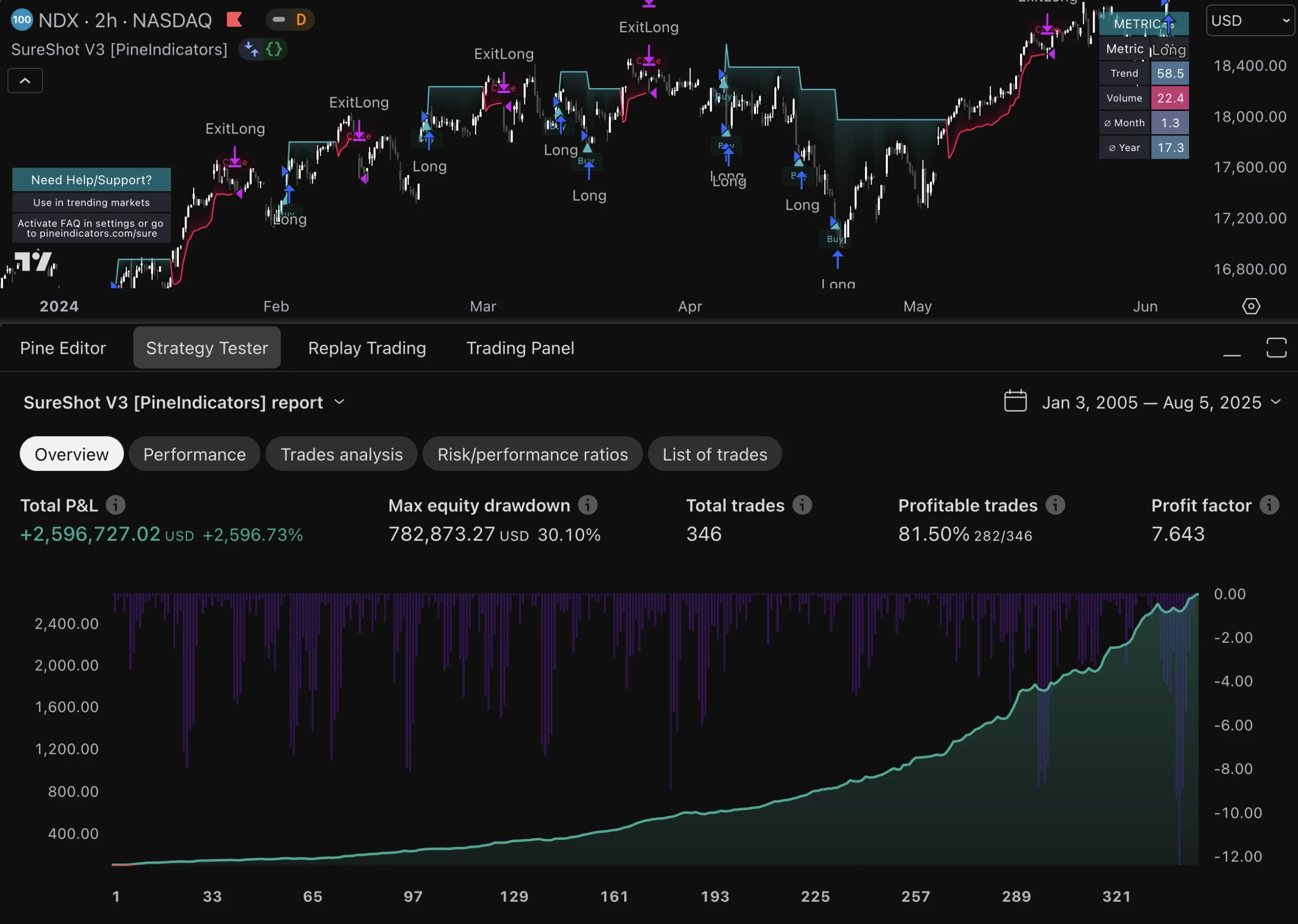
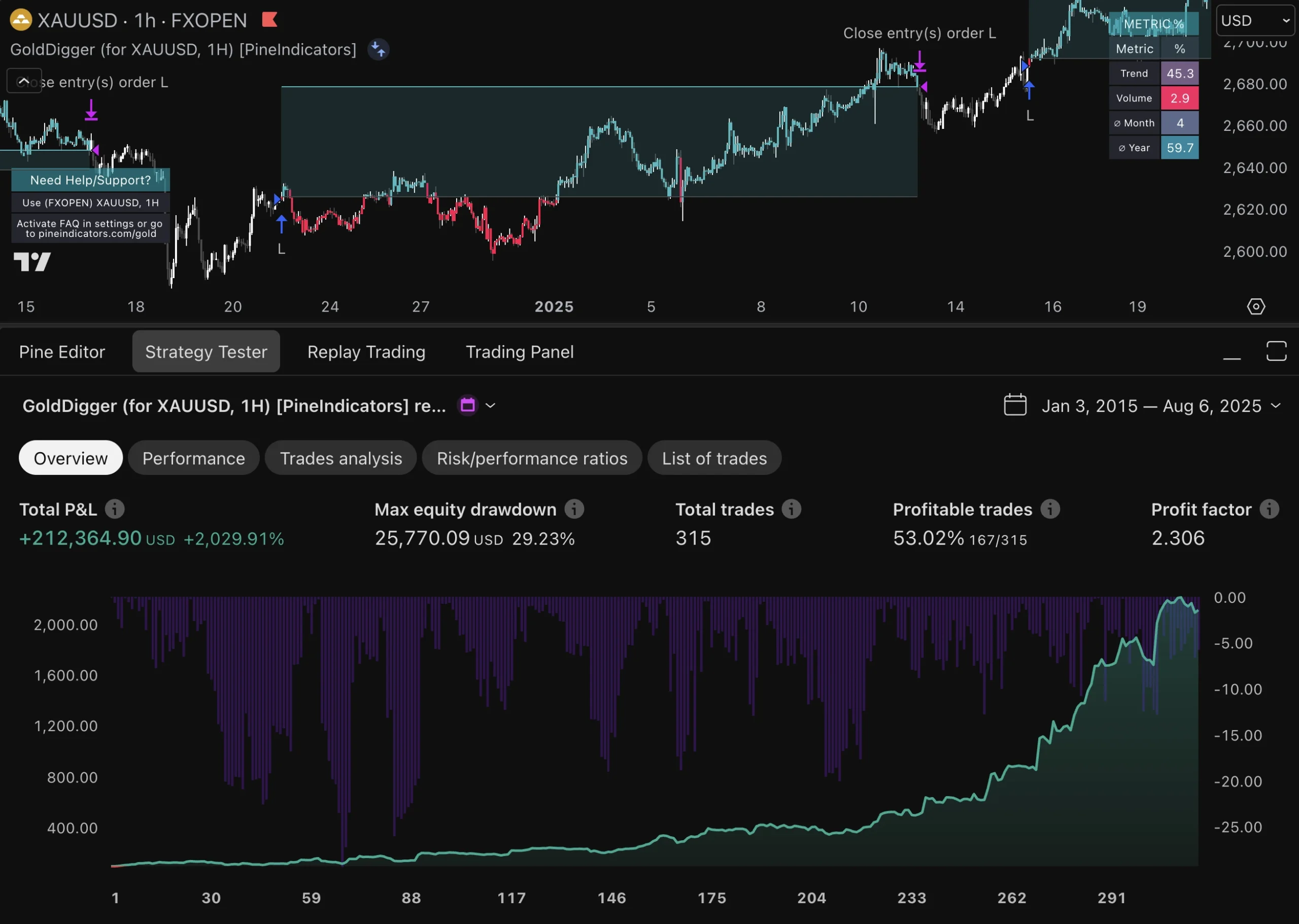
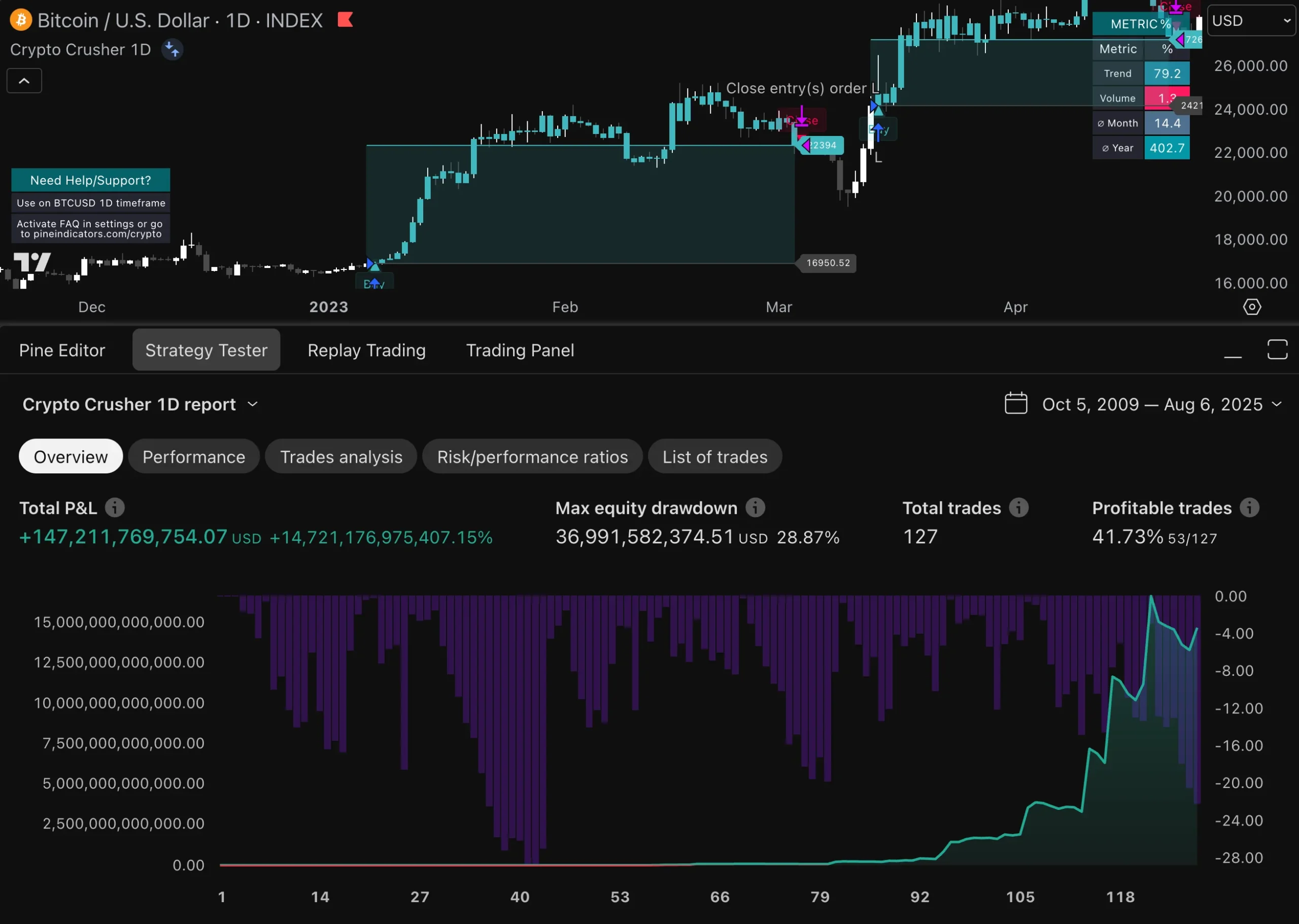
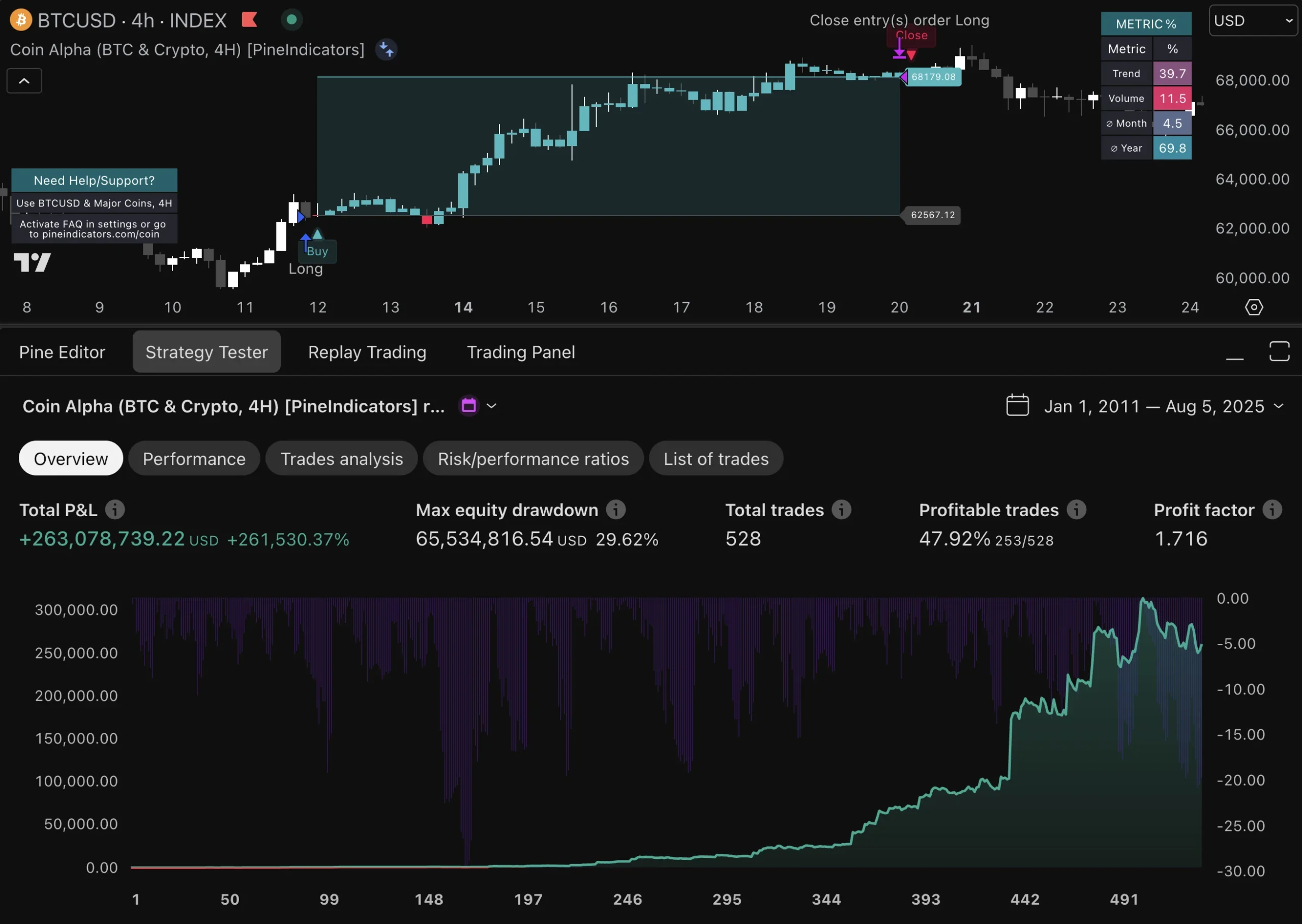
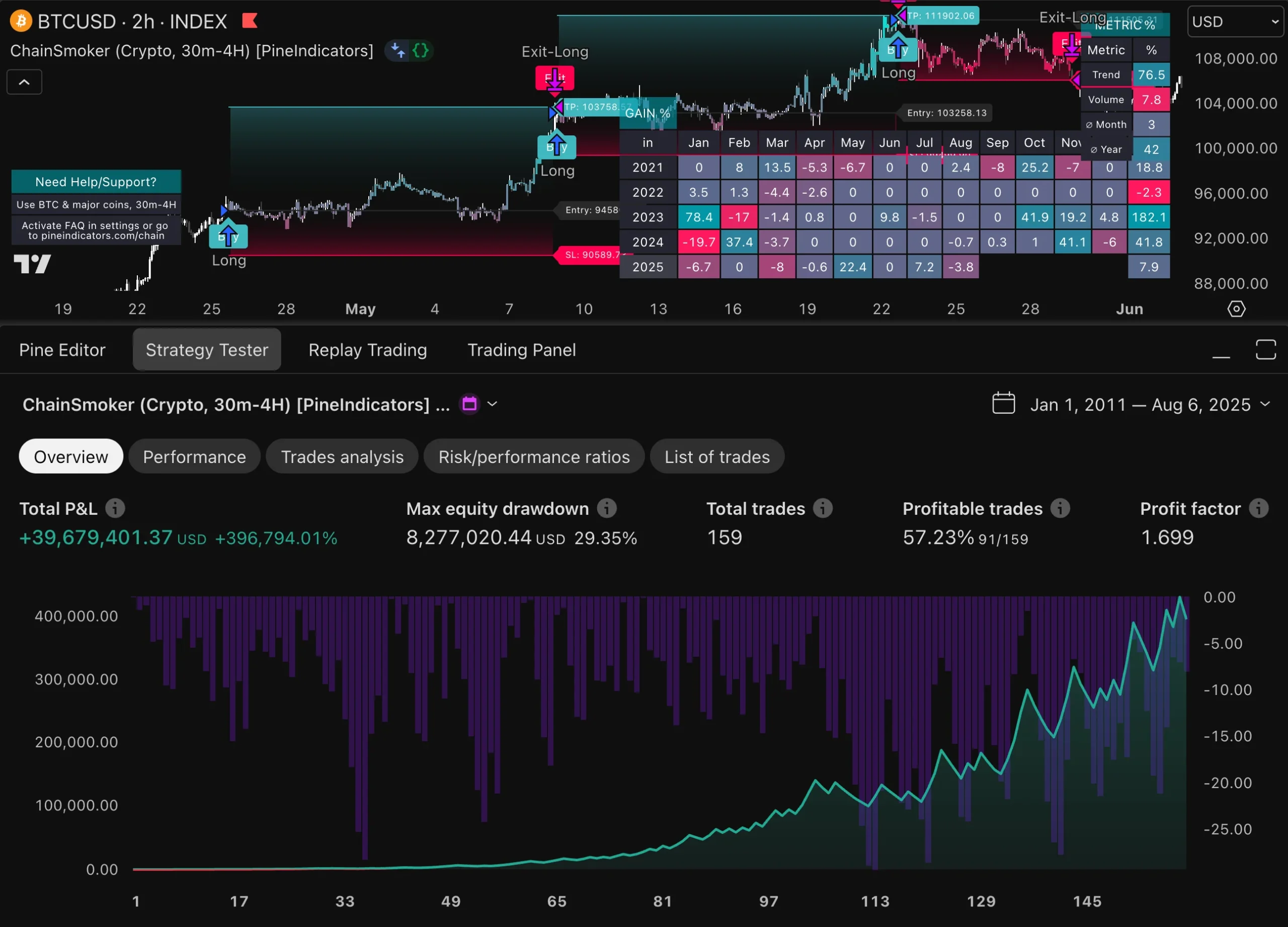
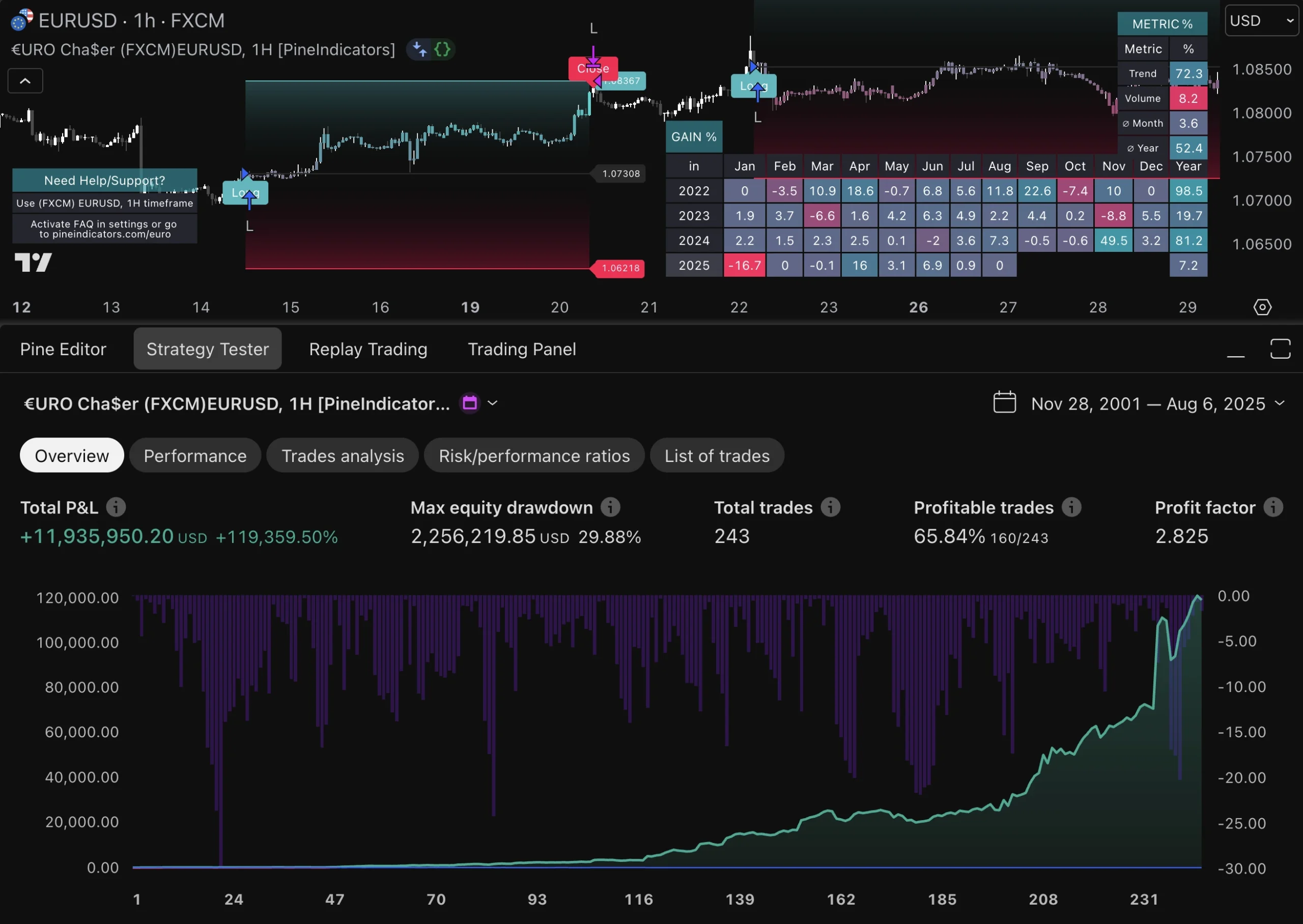
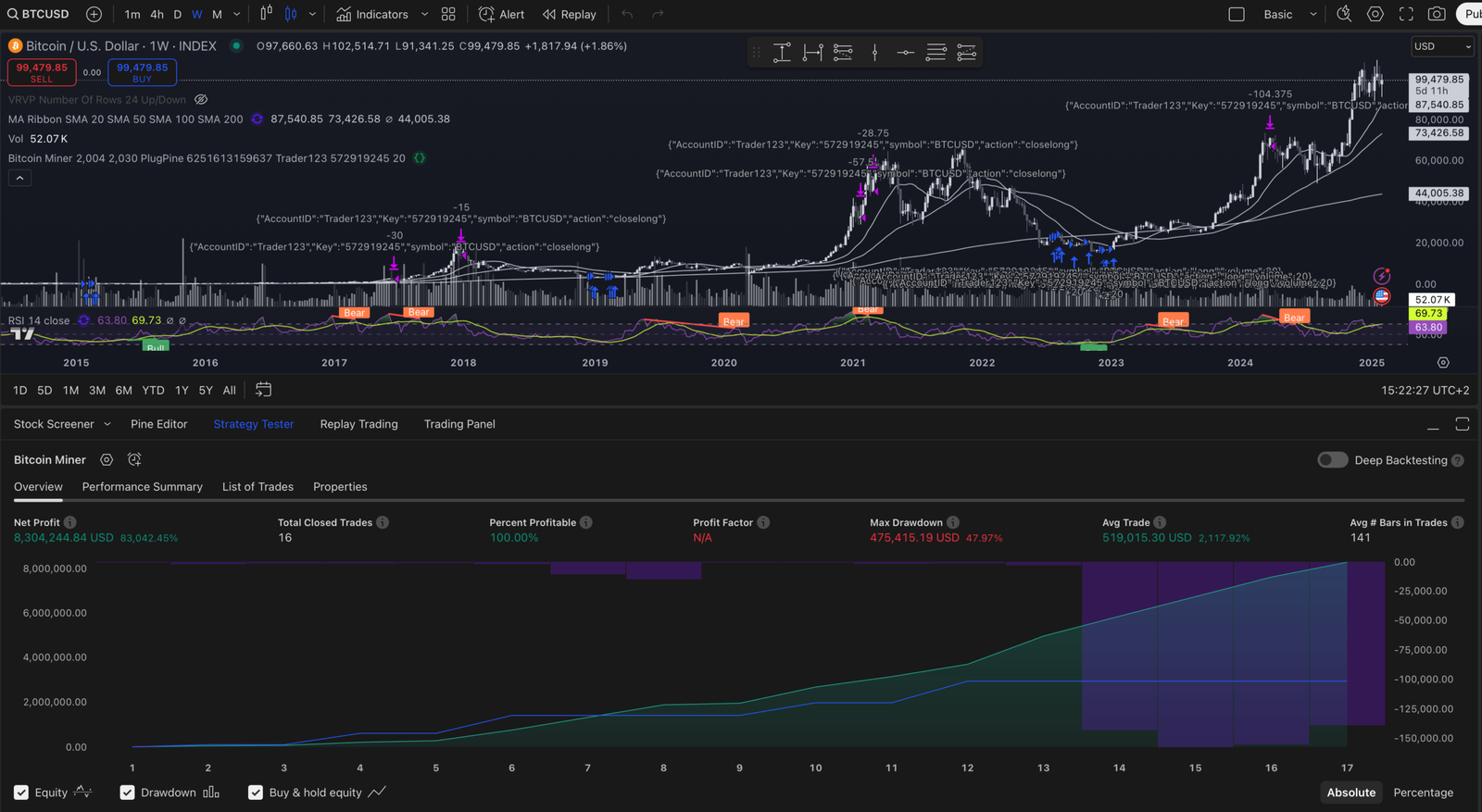
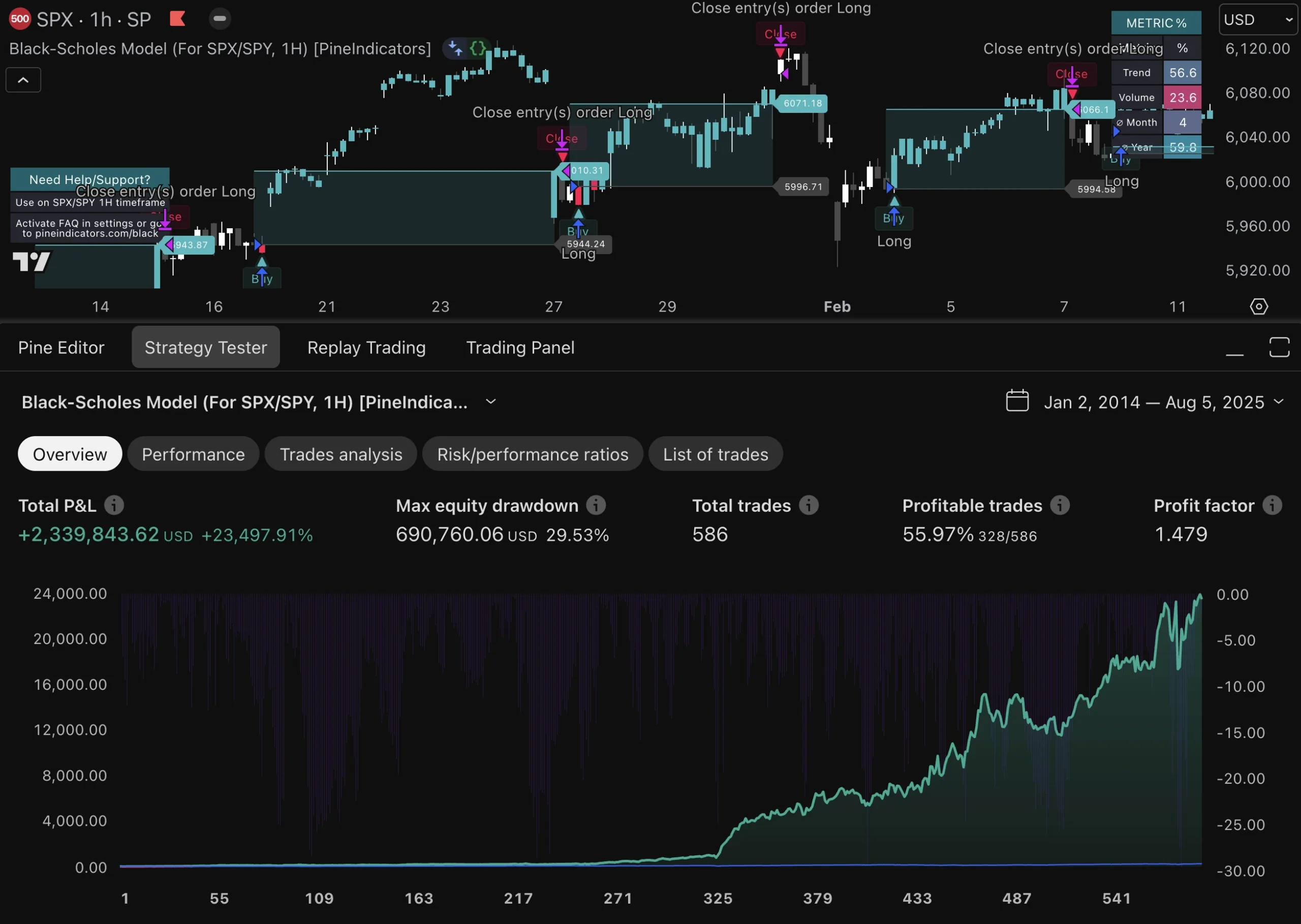
Long-term trading is an investment strategy characterized by holding securities for extended periods, typically measured in years rather than days, weeks, or months. This approach operates on the principle that financial markets generally exhibit upward trends over extended timeframes, enabling investors to benefit from compound growth. Long-term trading differs fundamentally from short-term strategies such as day trading or swing trading, which focus on capitalizing from brief price fluctuations and require continuous market surveillance.
Long-term traders typically base their investment decisions on macroeconomic trends, sector growth potential, and company fundamentals rather than attempting to predict short-term market timing. This strategy aligns with the historical performance of major market indices, which have demonstrated positive returns over multi-year periods despite experiencing periodic downturns. The primary advantage of long-term trading is its capacity to reduce the negative effects of market volatility on investment returns.
Short-term price movements, which can trigger impulsive buying or selling decisions, have minimal impact on long-term investment outcomes. This approach enables investors to maintain their positions during market corrections while participating in subsequent recoveries. Research indicates that extended holding periods tend to smooth out temporary market fluctuations, potentially resulting in more consistent returns compared to frequent trading strategies.
Additionally, long-term trading typically incurs lower transaction costs and may provide tax advantages through long-term capital gains treatment in many jurisdictions.
Key Takeaways
- Long term trading requires clear goals, thorough research, and a diversified portfolio to manage risk effectively.
- Combining fundamental and technical analysis helps in making informed investment decisions.
- Patience, discipline, and emotional control are crucial for successful long term trading.
- Continuously monitoring performance and adapting to market changes ensures sustained growth.
- Seeking professional advice can provide valuable guidance and improve trading outcomes.
Setting Clear Goals and Objectives
Establishing clear goals and objectives is a foundational step in long-term trading. Investors must define what they hope to achieve with their investments, whether it be saving for retirement, funding a child’s education, or building wealth for future generations. These goals should be specific, measurable, achievable, relevant, and time-bound (SMART).
For instance, an investor might set a goal to accumulate $1 million in their retirement account by age 65, which provides a clear target to work towards. In addition to financial goals, it is essential to consider personal objectives that align with one’s risk tolerance and investment philosophy. Some investors may prioritize capital preservation, while others may be more aggressive in their pursuit of growth.
By understanding their own risk appetite and investment horizon, traders can tailor their strategies accordingly. This clarity not only helps in making informed decisions but also serves as a motivational tool during market downturns when emotions may run high.
Conducting Thorough Research and Analysis
Thorough research and analysis are critical components of successful long-term trading.
This involves examining financial statements, understanding business models, and evaluating competitive positioning within the market.
For example, an investor interested in technology stocks should analyze a company’s revenue growth, profit margins, and research and development expenditures to gauge its potential for future success. Moreover, long-term traders should also consider broader economic indicators such as interest rates, inflation rates, and employment statistics. These factors can significantly influence market conditions and the performance of specific sectors.
By staying informed about economic trends and conducting comprehensive analyses, investors can make more educated decisions about where to allocate their capital. This diligence not only enhances the likelihood of selecting winning investments but also fosters a deeper understanding of the market landscape.
Developing a Diversified Portfolio
A diversified portfolio is a cornerstone of long-term trading strategy. By spreading investments across various asset classes—such as stocks, bonds, real estate, and commodities—investors can reduce risk while enhancing potential returns. Diversification helps mitigate the impact of poor performance in any single investment or sector.
For instance, if an investor holds shares in both technology and healthcare companies, a downturn in one sector may be offset by stability or growth in another. In addition to diversifying across asset classes, investors should also consider geographic diversification. Investing in international markets can provide exposure to different economic cycles and growth opportunities that may not be available domestically.
For example, emerging markets may offer higher growth potential compared to developed economies but come with increased volatility. By carefully balancing these elements within a portfolio, long-term traders can create a robust investment strategy that aligns with their goals while managing risk effectively.
Implementing Risk Management Techniques
| Metric | Value | Description |
|---|---|---|
| Annualized Return | 12.5% | Average yearly return over the trading period |
| Max Drawdown | 15% | Maximum observed loss from a peak to a trough |
| Sharpe Ratio | 1.2 | Risk-adjusted return measure |
| Win Rate | 60% | Percentage of profitable trades |
| Average Trade Duration | 45 days | Average holding period per trade |
| Profit Factor | 1.8 | Ratio of gross profit to gross loss |
| Volatility | 10% | Standard deviation of returns |
Risk management is an essential aspect of long-term trading that cannot be overlooked. Investors must develop strategies to protect their capital from unforeseen market events or downturns. One common technique is setting stop-loss orders, which automatically sell a security when it reaches a predetermined price.
This approach helps limit losses and can prevent emotional decision-making during periods of market stress. Another important risk management strategy involves regularly rebalancing the portfolio to maintain desired asset allocation levels. As certain investments appreciate or depreciate over time, the original allocation may become skewed.
By periodically reviewing and adjusting the portfolio, investors can ensure that they remain aligned with their risk tolerance and investment objectives. Additionally, employing position sizing techniques—determining how much capital to allocate to each investment based on its risk profile—can further enhance risk management efforts.
Staying Informed and Adapting to Market Changes
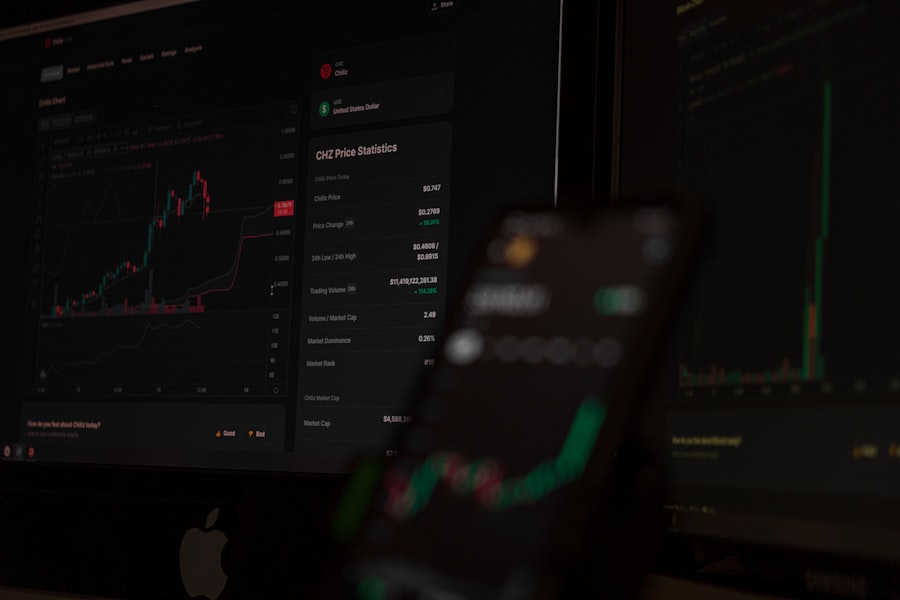
In the dynamic world of investing, staying informed is crucial for long-term traders. Market conditions can change rapidly due to various factors such as economic data releases, geopolitical events, or shifts in consumer behavior. Therefore, investors must continuously monitor relevant news and developments that could impact their investments.
Subscribing to financial news outlets, following industry analysts on social media platforms, and participating in investment forums can provide valuable insights into market trends. Moreover, adaptability is key in long-term trading. While having a well-defined strategy is important, investors must also be willing to adjust their approach based on new information or changing market conditions.
For instance, if an investor initially believed in the long-term growth potential of a particular industry but notices significant regulatory challenges emerging, it may be prudent to reassess their position. Flexibility allows traders to navigate uncertainties effectively while remaining committed to their overarching investment goals.
Utilizing Fundamental and Technical Analysis
Both fundamental and technical analysis play vital roles in long-term trading strategies. Fundamental analysis focuses on evaluating a company’s intrinsic value by examining financial statements, management quality, industry position, and economic factors. This approach helps investors identify undervalued stocks with strong growth potential.
For example, an investor might analyze a company’s earnings growth rate compared to its peers to determine if it is undervalued relative to its future prospects. On the other hand, technical analysis involves studying historical price movements and trading volumes to identify patterns that may indicate future price behavior. Long-term traders can use technical indicators such as moving averages or relative strength index (RSI) to assess entry and exit points for their investments.
While fundamental analysis provides insight into the underlying value of an asset, technical analysis can help traders make informed decisions about timing their trades effectively.
Patience and Discipline in Decision Making
Patience and discipline are paramount virtues for successful long-term traders. The nature of long-term investing requires a steadfast commitment to one’s strategy despite market fluctuations or external pressures. Emotional reactions can lead to impulsive decisions that undermine investment goals; therefore, maintaining discipline is essential for adhering to a well-thought-out plan.
For instance, during periods of market volatility when prices may drop significantly, a disciplined investor will resist the urge to sell out of fear and instead focus on the long-term fundamentals of their holdings. Additionally, patience allows investors to benefit from the compounding effect of returns over time. The power of compounding means that even small gains can accumulate significantly when reinvested over many years.
Long-term traders who remain patient through market cycles are often rewarded with substantial returns as their investments mature. This mindset fosters resilience against short-term setbacks and reinforces the importance of sticking with one’s investment philosophy.
Monitoring and Evaluating Performance
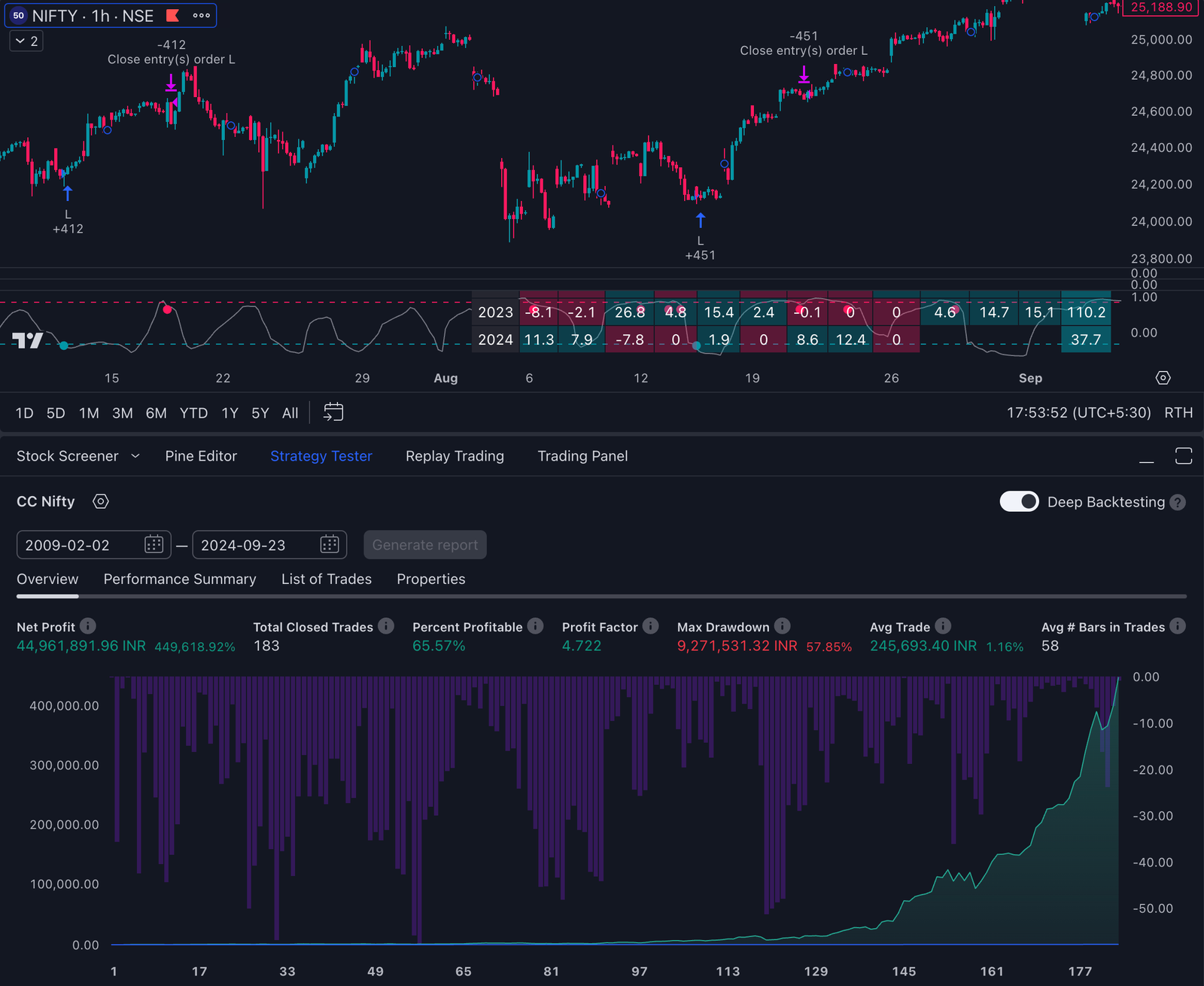
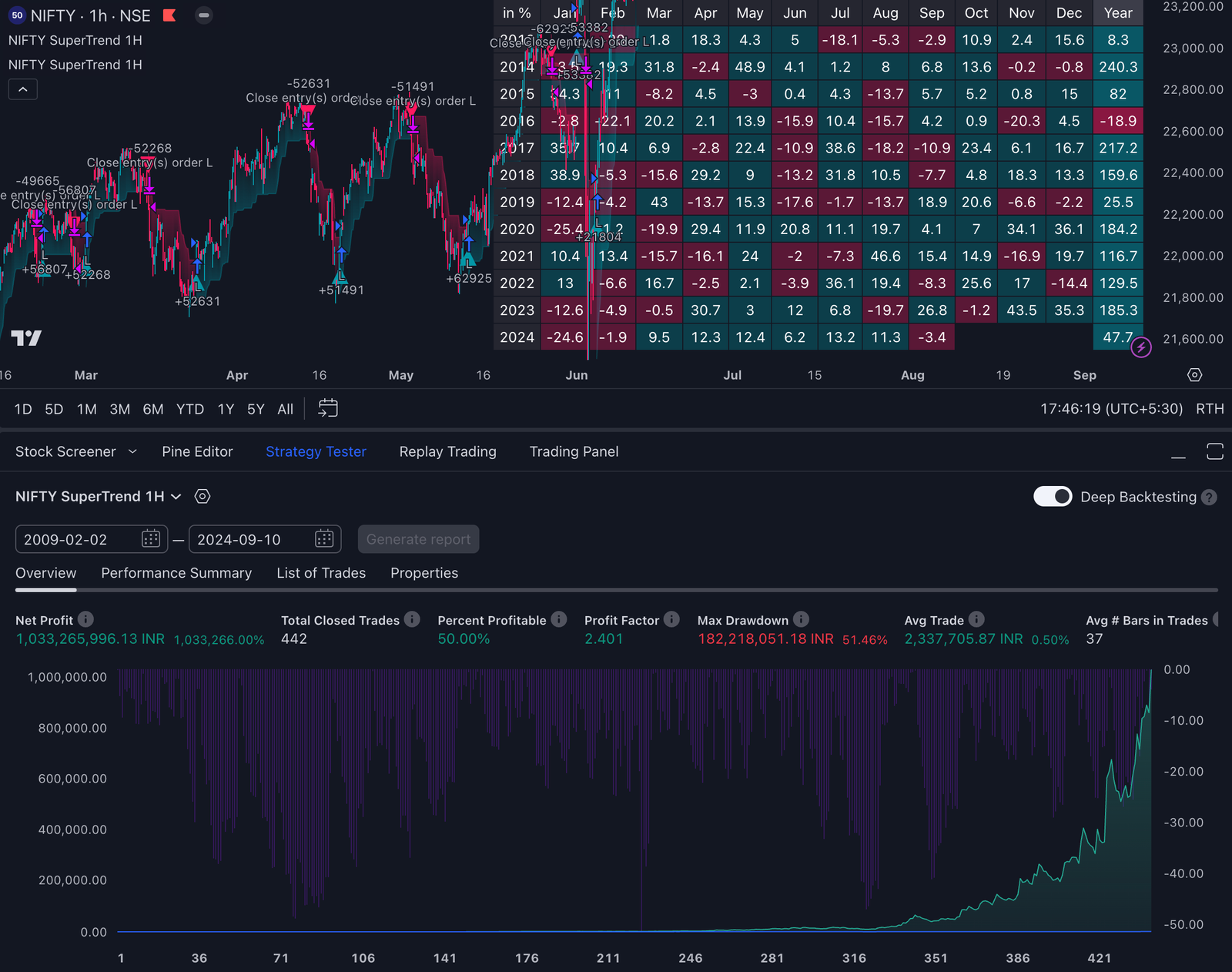
Regularly monitoring and evaluating performance is crucial for long-term traders seeking continuous improvement in their strategies. Investors should establish benchmarks against which they can measure their portfolio’s performance—this could be an index like the S&P 500 or a custom benchmark based on specific investment goals. By comparing actual performance against these benchmarks, traders can gain insights into what is working well and what may need adjustment.
Furthermore, performance evaluation should not only focus on returns but also consider risk-adjusted metrics such as Sharpe ratio or alpha. These metrics provide a more comprehensive view of how well an investment has performed relative to its risk profile. By conducting thorough evaluations periodically—whether quarterly or annually—investors can refine their strategies based on empirical evidence rather than emotions or assumptions.
Long Term Trading Psychology and Emotions
The psychological aspect of long-term trading cannot be overstated; emotions play a significant role in decision-making processes that can impact investment outcomes. Fear and greed are two primary emotions that often lead investors astray—fear may prompt premature selling during downturns while greed can lead to overexposure in rising markets without proper risk assessment. Understanding one’s emotional triggers is essential for maintaining a rational approach to investing.
To manage these psychological challenges effectively, traders can employ techniques such as mindfulness or journaling their thoughts during significant market events. Keeping a trading journal allows investors to reflect on their decisions objectively and recognize patterns in their behavior over time. By cultivating emotional awareness and developing coping strategies for high-stress situations, long-term traders can enhance their decision-making processes and improve overall performance.
Seeking Professional Advice and Guidance
While many investors choose to navigate the complexities of long-term trading independently, seeking professional advice can provide valuable insights and expertise that enhance investment strategies. Financial advisors or investment professionals bring experience and knowledge that can help individuals make informed decisions tailored to their unique circumstances. They can assist in developing personalized investment plans based on individual goals while providing ongoing support through market fluctuations.
Advisors often have access to advanced tools and resources that enable them to conduct comprehensive evaluations of potential investments efficiently. By collaborating with professionals who understand market dynamics deeply, long-term traders can enhance their chances of achieving financial success while minimizing risks associated with uninformed decision-making.
In conclusion, long-term trading requires a multifaceted approach that encompasses goal setting, research, diversification, risk management, emotional discipline, performance evaluation, and professional guidance when necessary. By understanding these elements thoroughly and integrating them into an investment strategy, individuals can position themselves for success in the ever-evolving landscape of financial markets.
For those interested in enhancing their long-term trading strategy performance, a valuable resource is the article on custom Pine Script indicators, which can significantly improve your trading approach. You can read more about it in this article: Custom Pine Script Indicator Service: Enhance Your Trading Strategy. This resource provides insights into how tailored indicators can help traders make more informed decisions over the long term.
FAQs
What is a long term trading strategy?
A long term trading strategy involves holding financial assets such as stocks, bonds, or commodities for an extended period, typically months to years, to capitalize on sustained market trends and growth.
How is the performance of a long term trading strategy measured?
Performance is commonly measured using metrics such as total return, annualized return, risk-adjusted return (e.g., Sharpe ratio), drawdown, and volatility over the investment period.
What factors influence the performance of long term trading strategies?
Key factors include market conditions, asset selection, timing of entry and exit points, risk management, economic indicators, and the trader’s discipline in adhering to the strategy.
Are long term trading strategies less risky than short term strategies?
Generally, long term strategies tend to be less affected by short-term market volatility and noise, potentially reducing risk. However, they are still subject to market downturns and systemic risks over time.
What types of assets are commonly used in long term trading strategies?
Common assets include equities (stocks), index funds, bonds, real estate investment trusts (REITs), and sometimes commodities or cryptocurrencies, depending on the strategy.
How does compounding affect long term trading strategy performance?
Compounding allows returns to generate additional returns over time, significantly enhancing the growth of an investment portfolio in long term trading.
Can long term trading strategies be automated?
Yes, many long term strategies can be implemented using algorithmic trading systems or robo-advisors that follow predefined rules and criteria.
What role does diversification play in long term trading strategy performance?
Diversification helps reduce risk by spreading investments across different asset classes or sectors, which can improve the stability and consistency of long term returns.
How often should a long term trading strategy be reviewed?
While long term strategies require less frequent adjustments, it is advisable to review performance and market conditions periodically, such as quarterly or annually, to ensure alignment with investment goals.
Is past performance a reliable indicator of future results in long term trading?
Past performance provides insights but does not guarantee future results, as market conditions and economic factors can change unpredictably.