
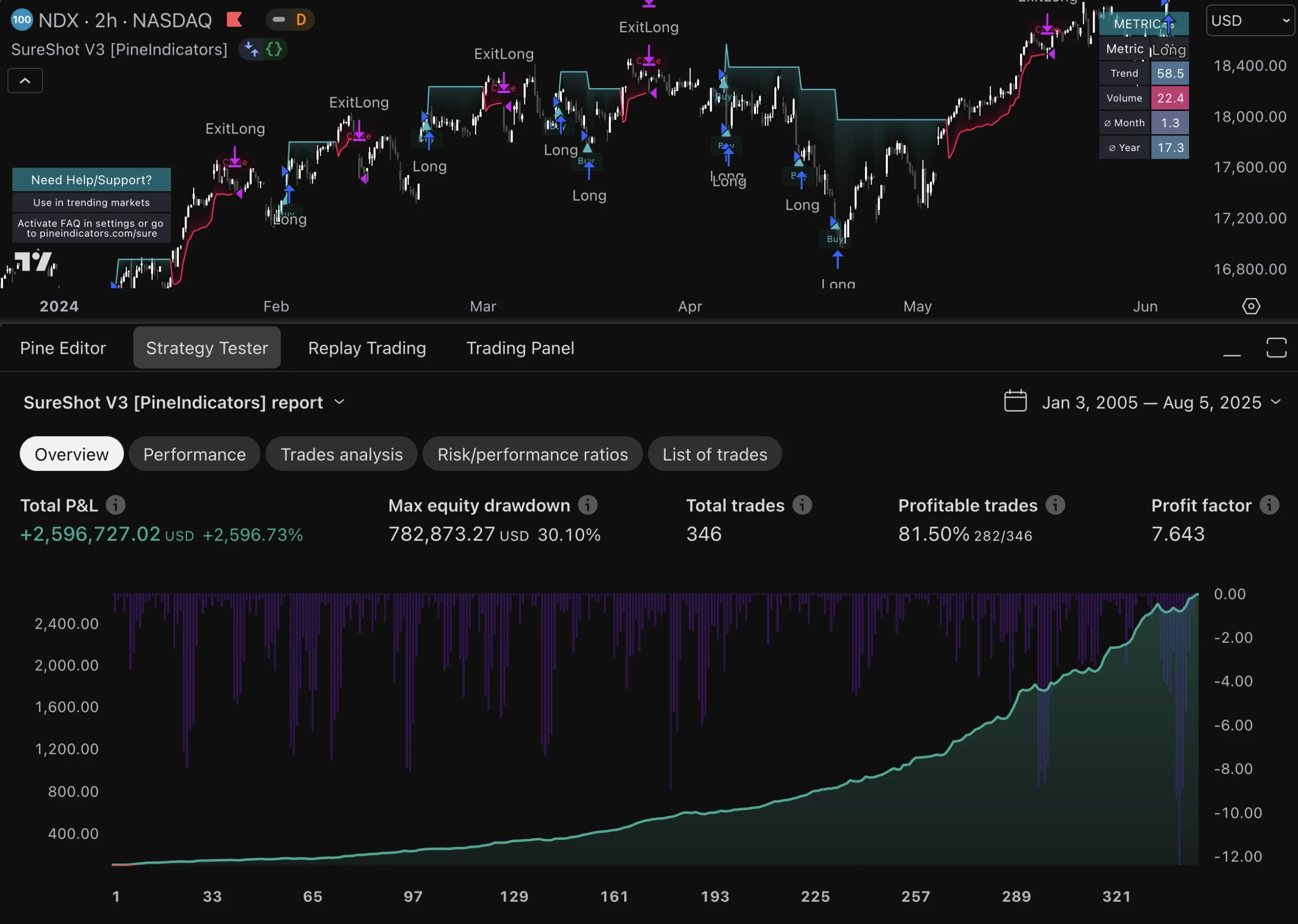
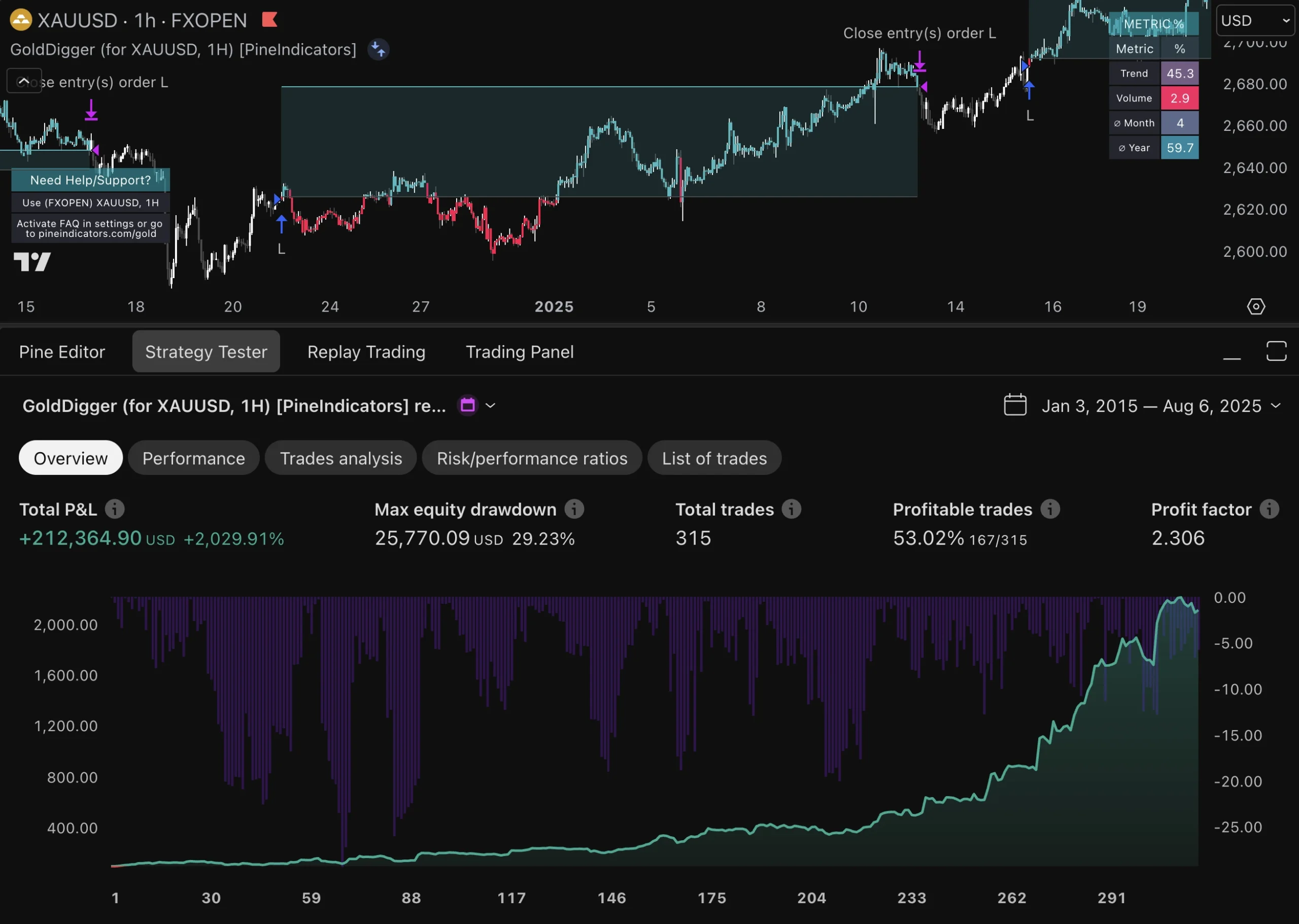
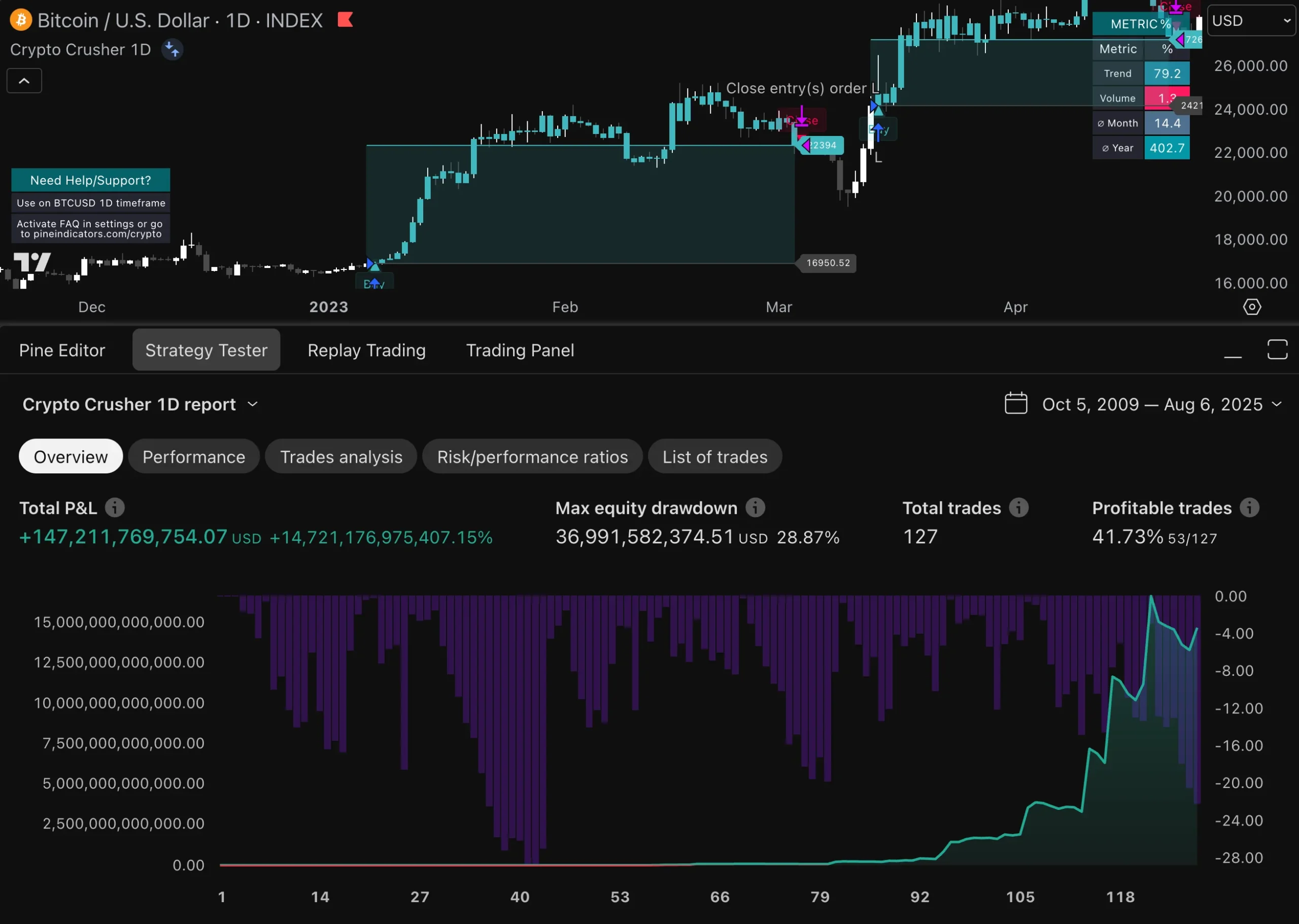
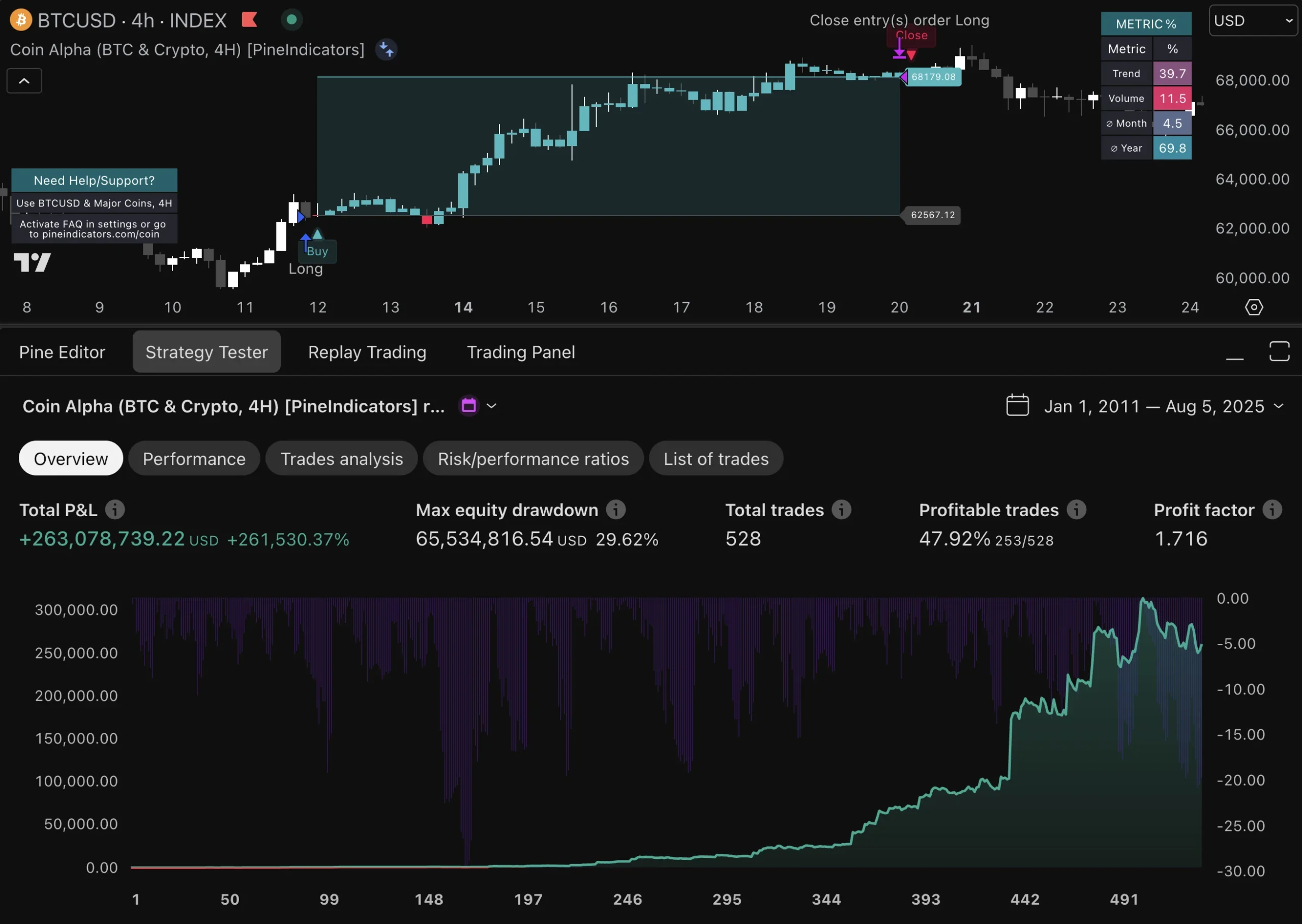
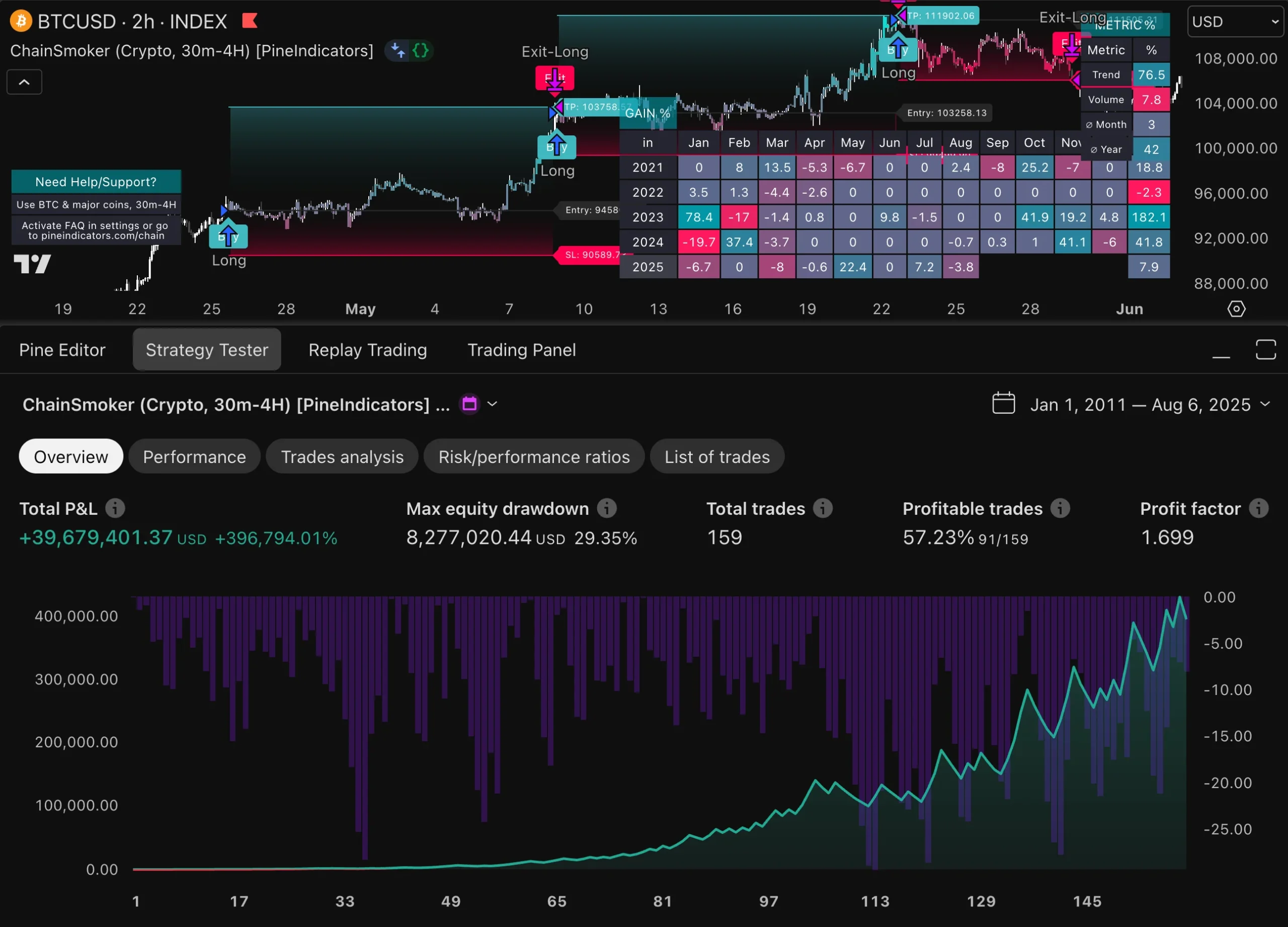
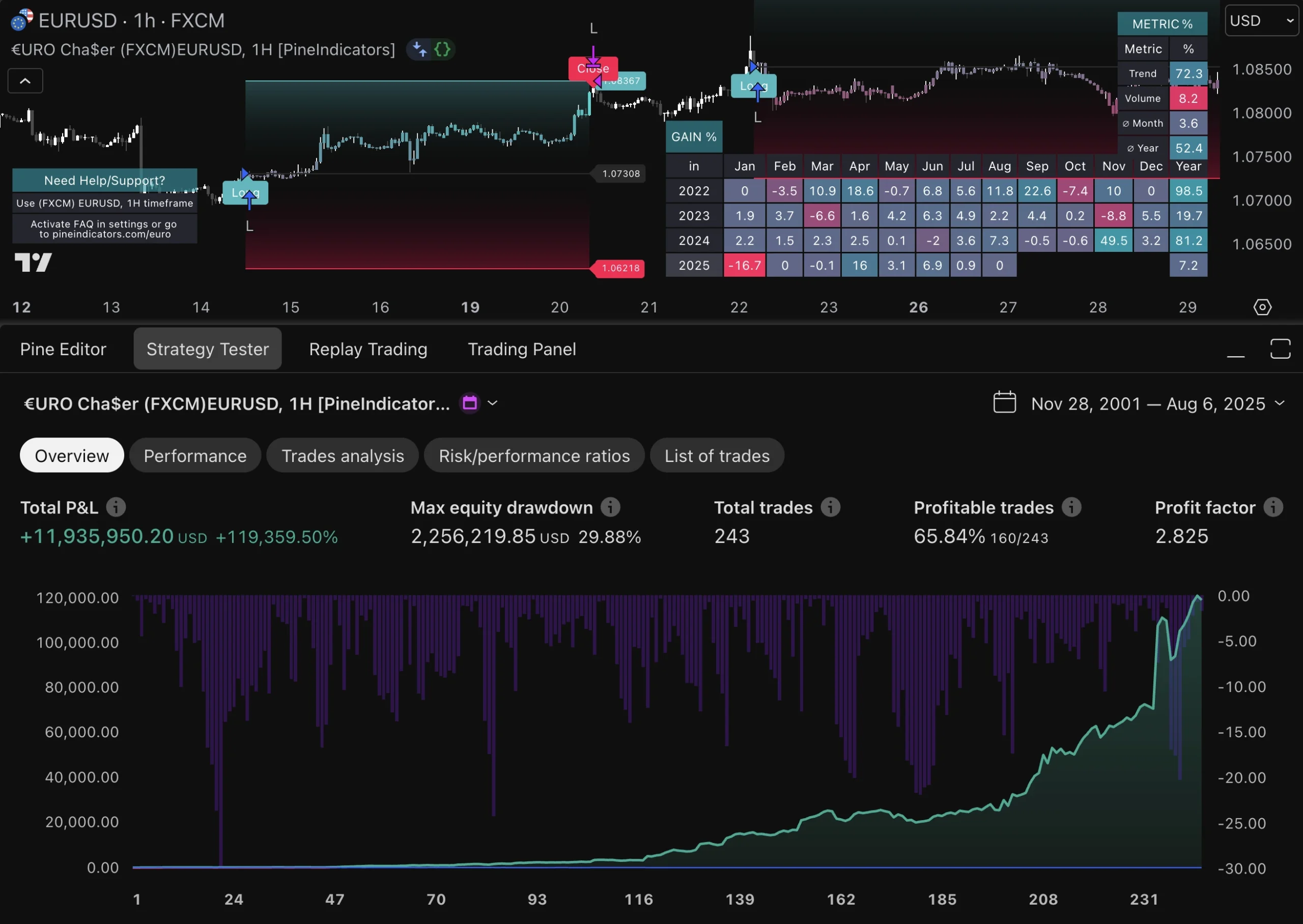
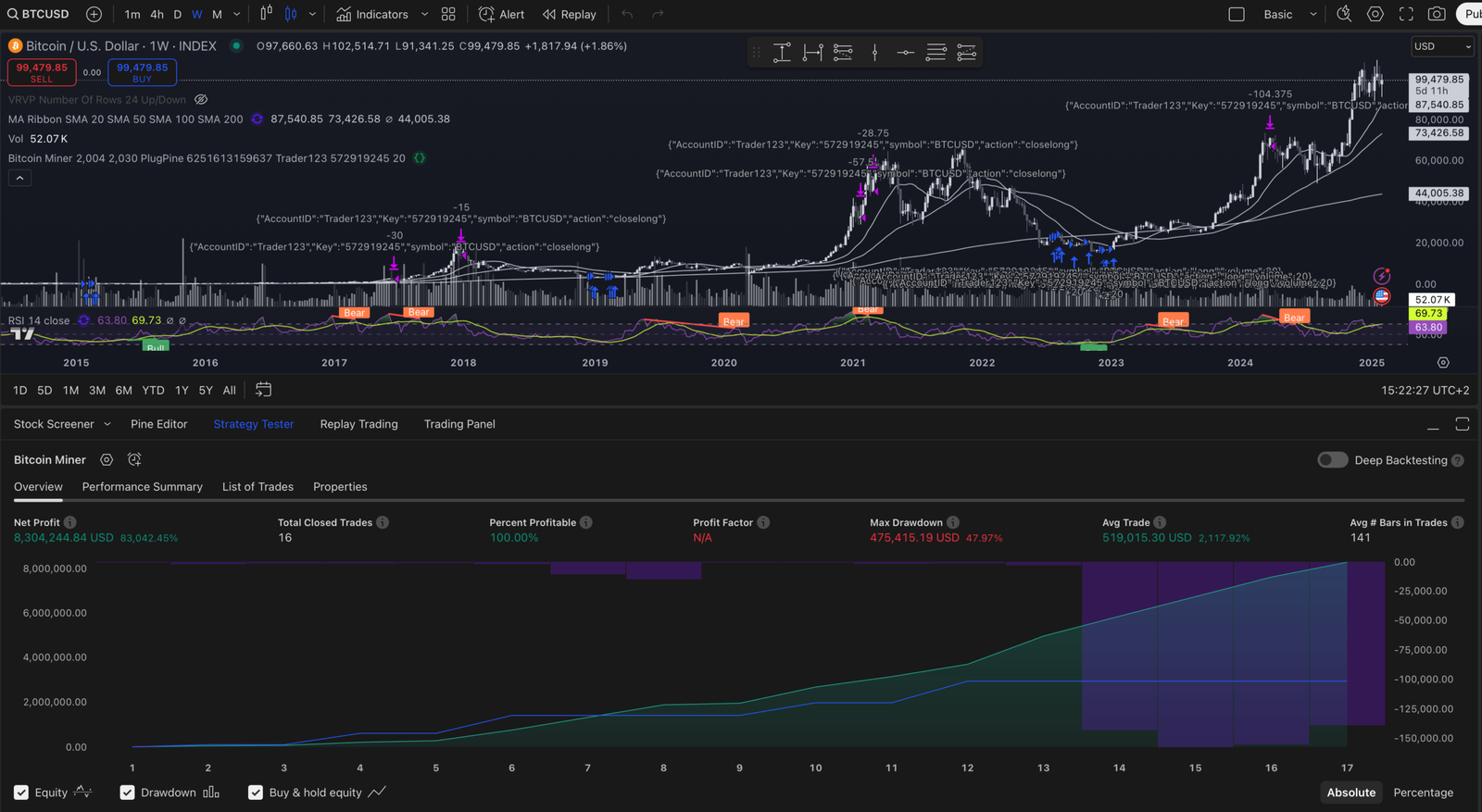
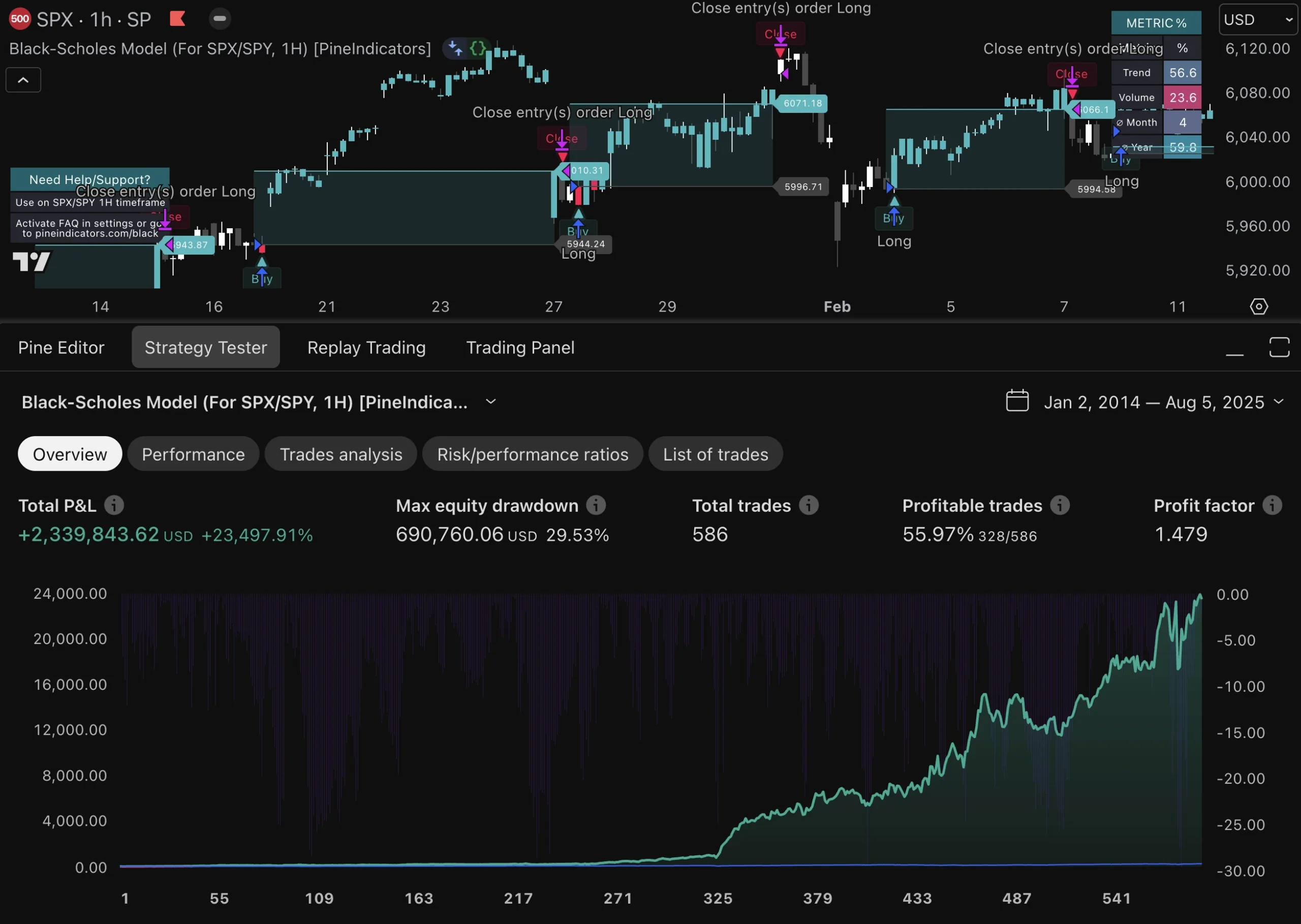
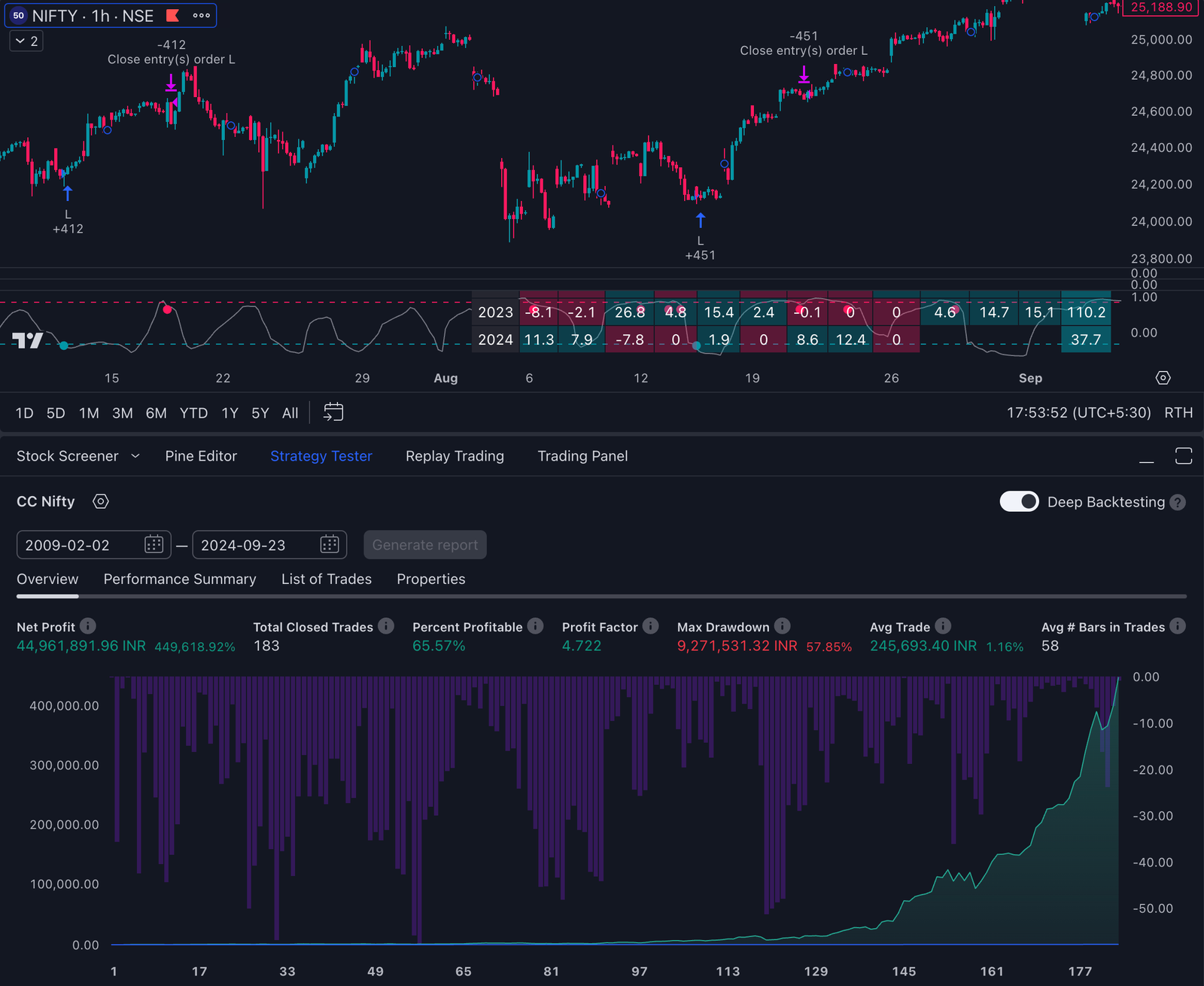
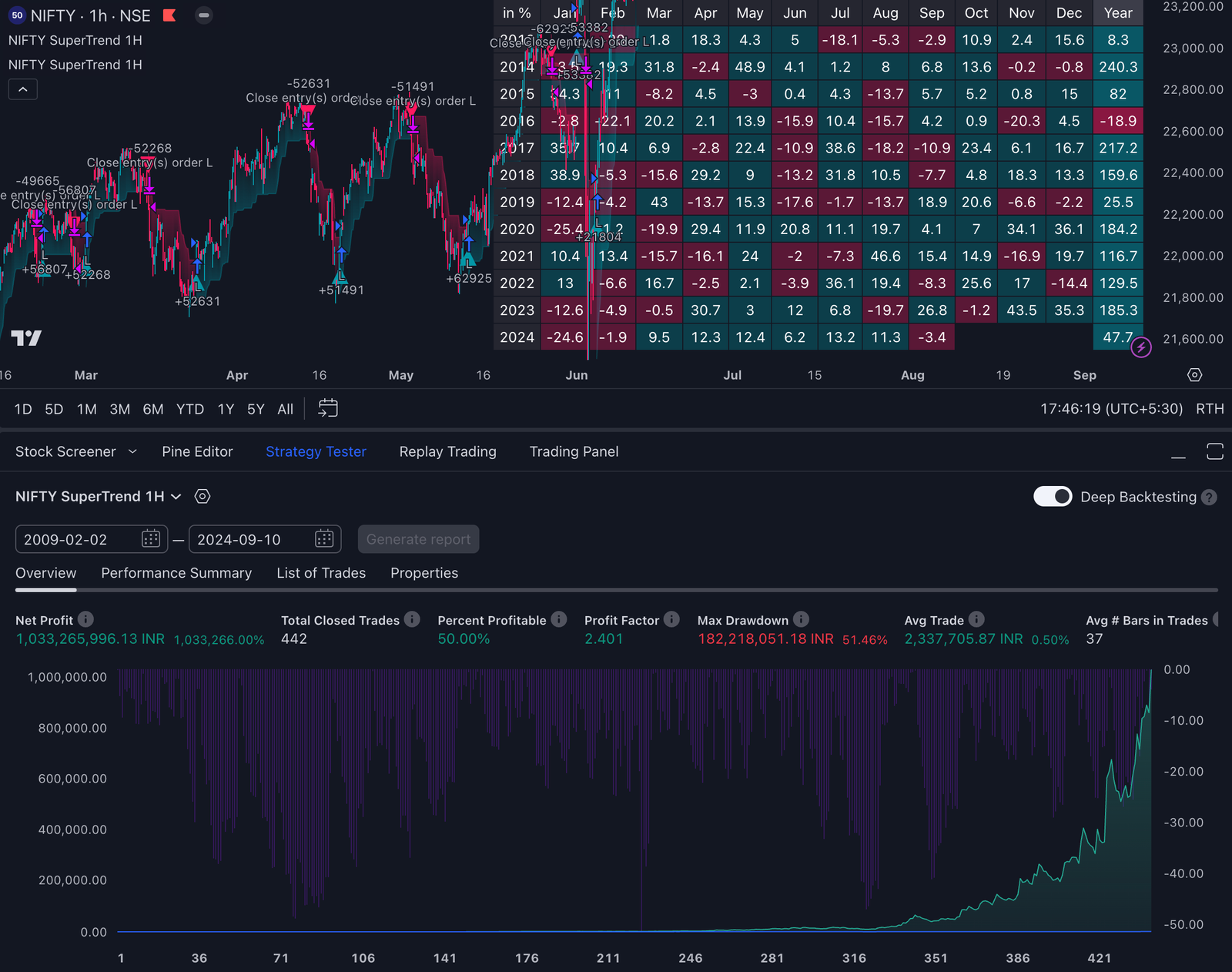

Trading strategies form the foundation of successful market participation, representing systematic methodologies that guide traders in making buy and sell decisions for financial assets. Proven trading strategies are those that have undergone rigorous testing and validation across multiple time periods and market environments, consistently demonstrating their effectiveness. These strategies encompass a broad spectrum, from straightforward rule-based systems to sophisticated algorithmic models that incorporate advanced mathematical and statistical methods.
The fundamental characteristic of a proven trading strategy is its capacity to generate positive returns while maintaining appropriate risk management protocols. Strategy development typically requires comprehensive analysis of market mechanics, including price action patterns, trading volume characteristics, and macroeconomic indicators. Traders commonly employ two primary analytical frameworks: technical analysis, which examines historical price data and chart patterns to identify trends and potential reversal points, and fundamental analysis, which evaluates economic, financial, and industry-specific factors that affect asset valuations.
Both approaches aim to identify market inefficiencies and timing opportunities that may result in profitable transactions. A well-structured trading strategy provides essential decision-making guidelines that help traders maintain discipline and consistency when operating in volatile and unpredictable market conditions.
Key Takeaways
- Proven trading strategies require thorough performance analysis to ensure effectiveness.
- Key performance metrics and risk-adjusted returns are essential for evaluating trading strategies.
- Backtesting and forward testing help validate strategy performance under different market conditions.
- Comparing strategies and identifying weaknesses enable continuous optimization and improvement.
- Real-world case studies demonstrate the practical benefits of implementing performance analysis.
Importance of Performance Analysis in Trading
Performance analysis is a critical component of successful trading, as it allows traders to evaluate the effectiveness of their strategies over time. By systematically reviewing past trades and assessing their outcomes, traders can gain valuable insights into what works and what does not. This process not only helps in identifying profitable strategies but also aids in recognizing patterns of failure that may need to be addressed.
Without performance analysis, traders may find themselves operating in a vacuum, making decisions based on intuition rather than empirical evidence. Moreover, performance analysis fosters a culture of continuous improvement. Traders who regularly analyze their performance are more likely to adapt their strategies in response to changing market conditions.
This adaptability is crucial in an environment where market dynamics can shift rapidly due to economic news, geopolitical events, or changes in investor sentiment. By maintaining a disciplined approach to performance analysis, traders can refine their strategies, enhance their decision-making processes, and ultimately improve their overall trading results.
Understanding Key Performance Metrics for Trading Strategies

To effectively analyze trading performance, it is essential to understand key performance metrics that provide insights into a strategy’s effectiveness. Among these metrics, the most commonly used include return on investment (ROI), win rate, average gain per trade, and maximum drawdown. ROI measures the profitability of a trading strategy relative to the amount invested, while the win rate indicates the percentage of trades that were profitable.
These metrics offer a snapshot of a strategy’s overall performance but must be interpreted in conjunction with other factors. Average gain per trade is another vital metric that helps traders understand how much they can expect to earn on average from each successful trade. This metric is particularly useful when comparing different strategies or assessing the potential profitability of a new approach.
Maximum drawdown, on the other hand, measures the largest peak-to-trough decline in equity during a specific period. This metric is crucial for understanding the risk associated with a trading strategy and helps traders gauge their risk tolerance. By analyzing these key performance metrics, traders can make informed decisions about which strategies to pursue and which to abandon.
Backtesting and Forward Testing: Evaluating Strategy Performance
Backtesting is a fundamental process in evaluating the performance of trading strategies. It involves applying a trading strategy to historical market data to determine how it would have performed in the past. This process allows traders to simulate trades without risking real capital, providing valuable insights into potential profitability and risk exposure.
A well-executed backtest can reveal strengths and weaknesses in a strategy, helping traders refine their approach before deploying it in live markets. Forward testing complements backtesting by evaluating a strategy’s performance in real-time market conditions. This involves implementing the strategy with actual trades while monitoring its performance over a specified period.
Forward testing is essential because it accounts for factors such as slippage, transaction costs, and market impact that may not be fully captured during backtesting. By comparing results from both backtesting and forward testing, traders can gain a comprehensive understanding of their strategy’s viability and make necessary adjustments before committing significant capital.
Analyzing Risk-Adjusted Returns for Trading Strategies
| Strategy | Time Frame | Annual Return (%) | Max Drawdown (%) | Win Rate (%) | Sharpe Ratio |
|---|---|---|---|---|---|
| Moving Average Crossover | Daily | 12.5 | 15.2 | 55 | 1.1 |
| Mean Reversion | Intraday | 9.8 | 10.5 | 60 | 1.3 |
| Momentum Trading | Weekly | 15.3 | 18.7 | 52 | 1.2 |
| Breakout Strategy | Daily | 14.0 | 20.1 | 50 | 1.0 |
| Pairs Trading | Daily | 11.2 | 8.9 | 58 | 1.4 |
When evaluating trading strategies, it is crucial to consider not only raw returns but also risk-adjusted returns.
One widely used metric for this purpose is the Sharpe ratio, which measures the excess return per unit of volatility or risk associated with a particular investment.
A higher Sharpe ratio indicates that a strategy is generating more return for each unit of risk taken. Another important metric is the Sortino ratio, which differentiates between upside volatility (positive returns) and downside volatility (negative returns). This distinction is particularly valuable for traders who are more concerned about avoiding losses than maximizing gains.
By analyzing these risk-adjusted return metrics, traders can better assess the effectiveness of their strategies in relation to the risks they are willing to take. This analysis not only aids in selecting superior strategies but also helps in constructing a diversified portfolio that aligns with individual risk tolerance levels.
Comparing Different Trading Strategies: Which Performs Better?

The comparison of different trading strategies is an essential exercise for traders seeking to optimize their performance. By evaluating multiple strategies side by side, traders can identify which approaches yield better results under specific market conditions or timeframes. This comparative analysis often involves examining key performance metrics such as ROI, win rate, and risk-adjusted returns across various strategies.
For instance, a trader may compare a trend-following strategy against a mean-reversion strategy over the same historical period. While trend-following strategies may perform well during strong market trends, mean-reversion strategies might excel during sideways or choppy market conditions. By understanding these nuances, traders can make informed decisions about which strategies to employ based on prevailing market dynamics.
Additionally, this comparative analysis can reveal opportunities for hybrid strategies that combine elements from multiple approaches to enhance overall performance.
Impact of Market Conditions on Strategy Performance
Market conditions play a pivotal role in determining the effectiveness of trading strategies. Factors such as volatility, liquidity, and overall market sentiment can significantly influence how well a strategy performs. For example, during periods of high volatility, trend-following strategies may thrive as price movements become more pronounced and directional trends emerge.
Conversely, in low-volatility environments, mean-reversion strategies may be more effective as prices oscillate around established levels. Understanding how different market conditions impact strategy performance allows traders to adapt their approaches accordingly. For instance, a trader might choose to implement a more aggressive trend-following strategy during bullish market phases while switching to a conservative mean-reversion approach during bearish or sideways markets.
This adaptability not only enhances potential profitability but also helps mitigate risks associated with unfavorable market conditions.
Identifying and Addressing Weaknesses in Trading Strategies
Identifying weaknesses within trading strategies is crucial for long-term success in the markets. Traders must conduct thorough performance analyses to pinpoint areas where their strategies may be falling short. Common weaknesses may include low win rates, high drawdowns, or inconsistent performance across different market conditions.
By recognizing these shortcomings early on, traders can take proactive steps to address them. One effective method for addressing weaknesses is through iterative testing and refinement of the strategy. For example, if a trader identifies that their strategy has a high drawdown during specific market conditions, they may choose to implement stop-loss orders or adjust position sizing to mitigate risk exposure during those periods.
Additionally, incorporating feedback loops into the trading process allows for continuous improvement as traders learn from both successful and unsuccessful trades.
Using Performance Analysis to Optimize Trading Strategies
Performance analysis serves as a powerful tool for optimizing trading strategies over time. By systematically reviewing past trades and assessing key performance metrics, traders can identify patterns that contribute to success or failure. This information can then be used to refine entry and exit criteria, adjust position sizing, or modify risk management techniques.
For instance, if analysis reveals that certain technical indicators consistently lead to profitable trades while others do not add value, traders can focus on optimizing their use of effective indicators while eliminating those that detract from overall performance. Furthermore, performance analysis can help traders develop adaptive strategies that evolve with changing market conditions by incorporating new data and insights into their decision-making processes.
Case Studies: Successful Trading Strategies and Their Performance
Examining case studies of successful trading strategies provides valuable insights into how various approaches have performed over time. One notable example is the “Turtle Trading” strategy developed by Richard Dennis and William Eckhardt in the 1980s. This trend-following system utilized specific entry and exit rules based on price breakouts and position sizing techniques derived from volatility measures.
The Turtles achieved remarkable success by adhering strictly to their rules-based approach and managing risk effectively. Another compelling case study is that of quantitative trading strategies employed by hedge funds such as Renaissance Technologies’ Medallion Fund. This fund utilizes sophisticated mathematical models and algorithms to identify patterns in historical data and execute trades at high frequencies.
The Medallion Fund has consistently outperformed traditional investment benchmarks due to its rigorous backtesting processes and focus on data-driven decision-making.
Implementing Effective Performance Analysis for Trading Strategies
Implementing effective performance analysis is essential for traders seeking to enhance their trading strategies and achieve consistent profitability in financial markets. By understanding key performance metrics, conducting thorough backtesting and forward testing, and analyzing risk-adjusted returns, traders can make informed decisions about which strategies to pursue or refine.
Ultimately, successful trading requires not only a well-defined strategy but also a commitment to continuous improvement through performance analysis. By identifying weaknesses and optimizing approaches based on empirical evidence, traders can position themselves for long-term success in the dynamic world of financial markets.
For traders looking to enhance their performance, understanding proven trading strategies is essential. A valuable resource on this topic can be found in the article on