
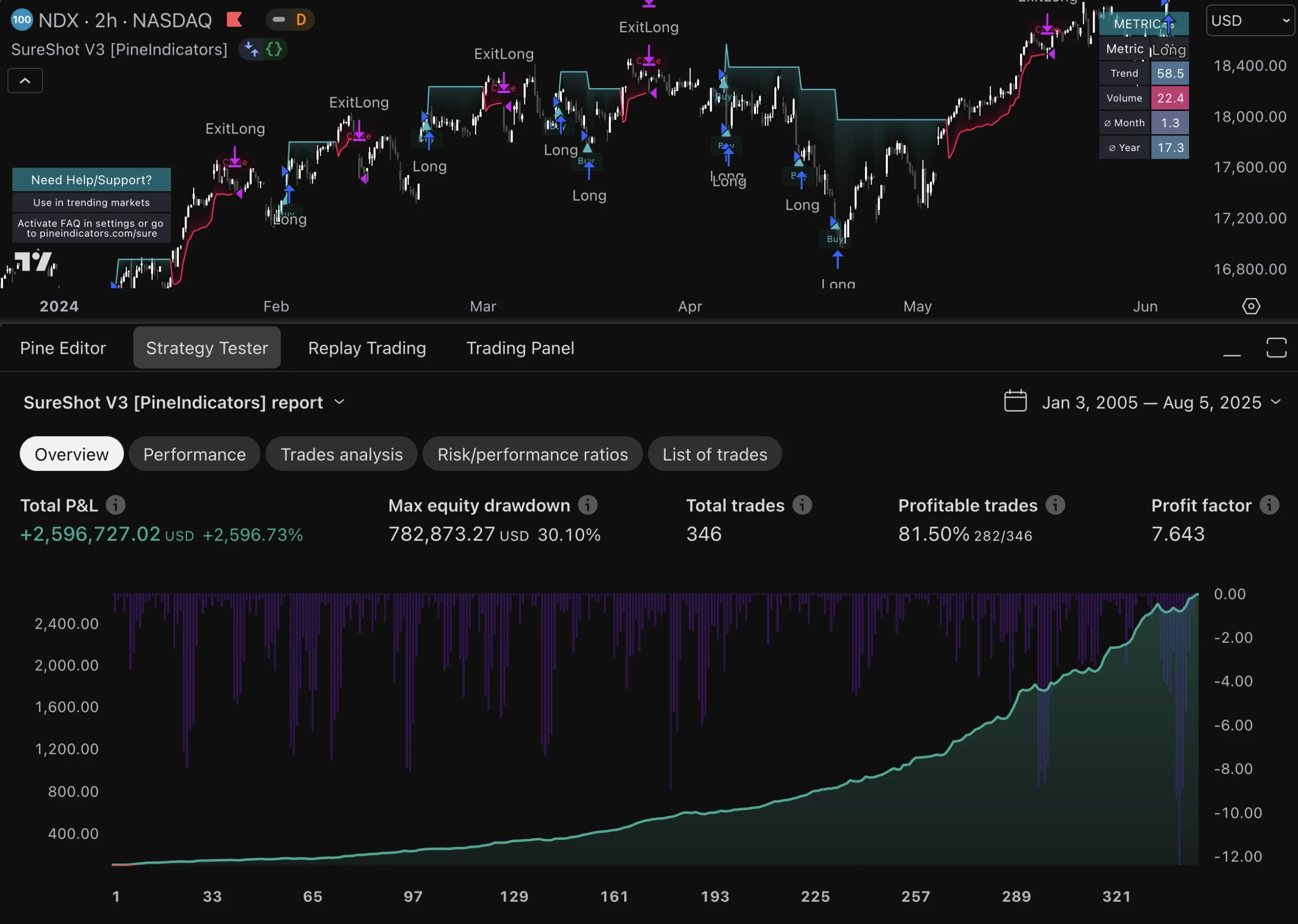
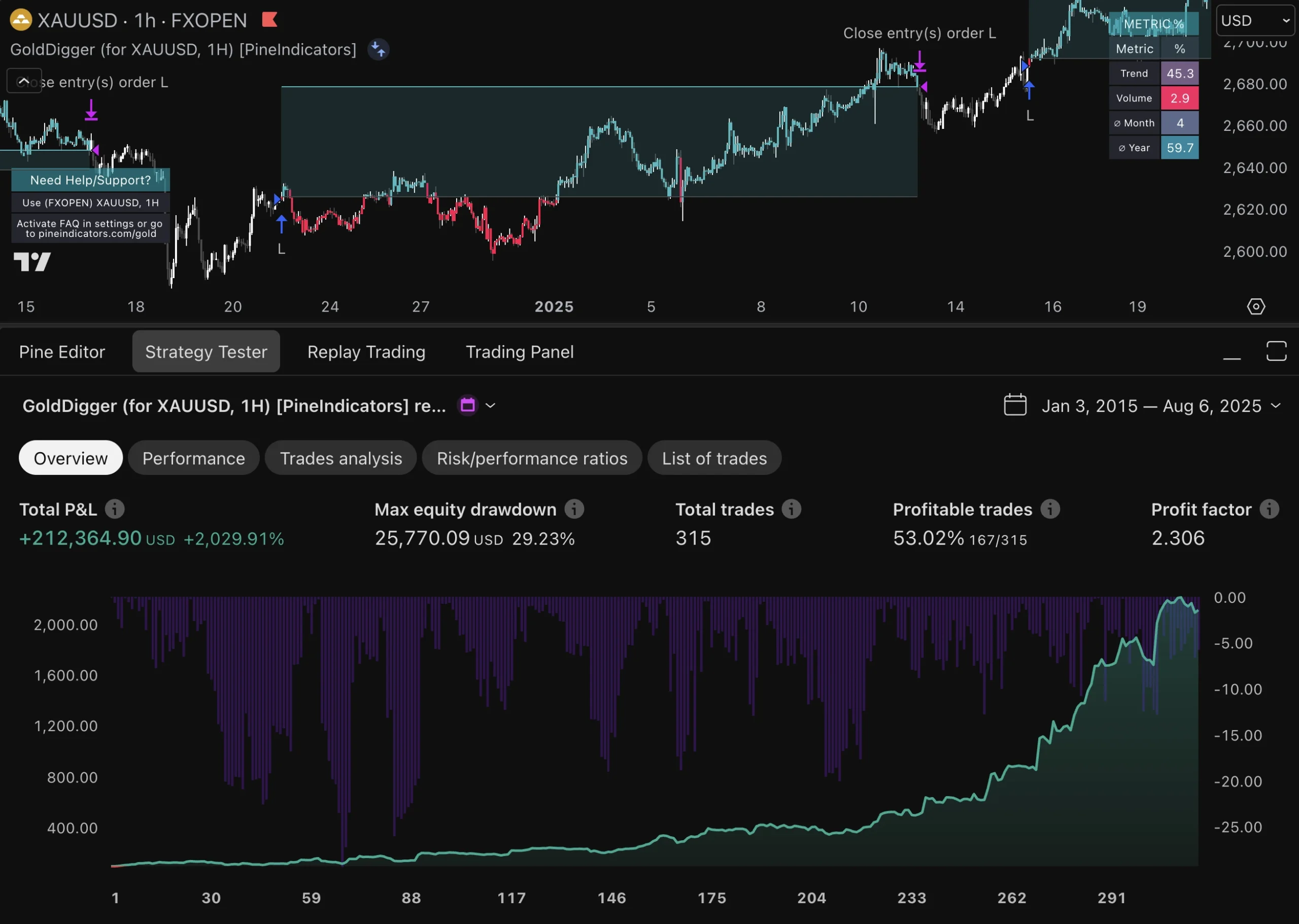
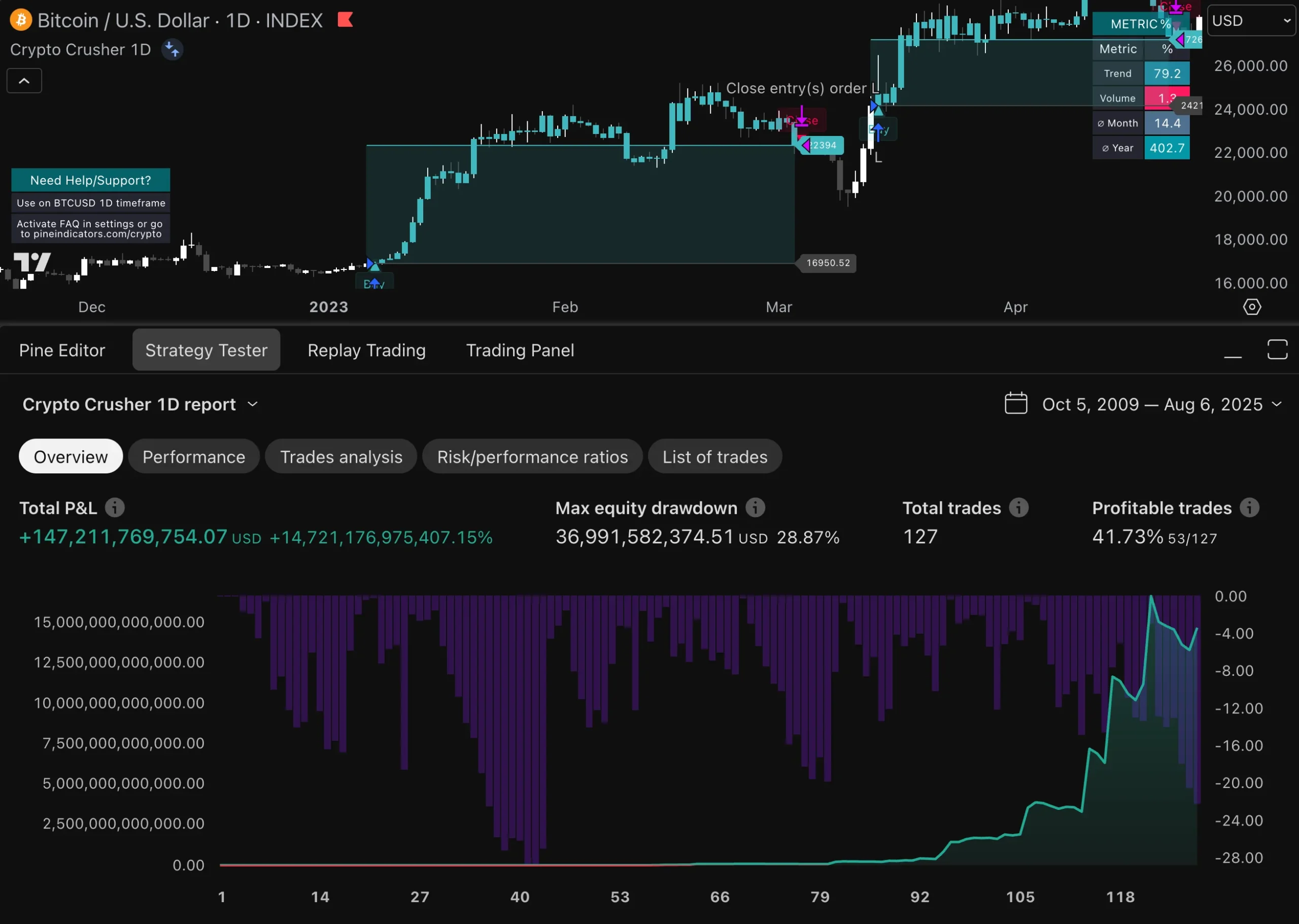
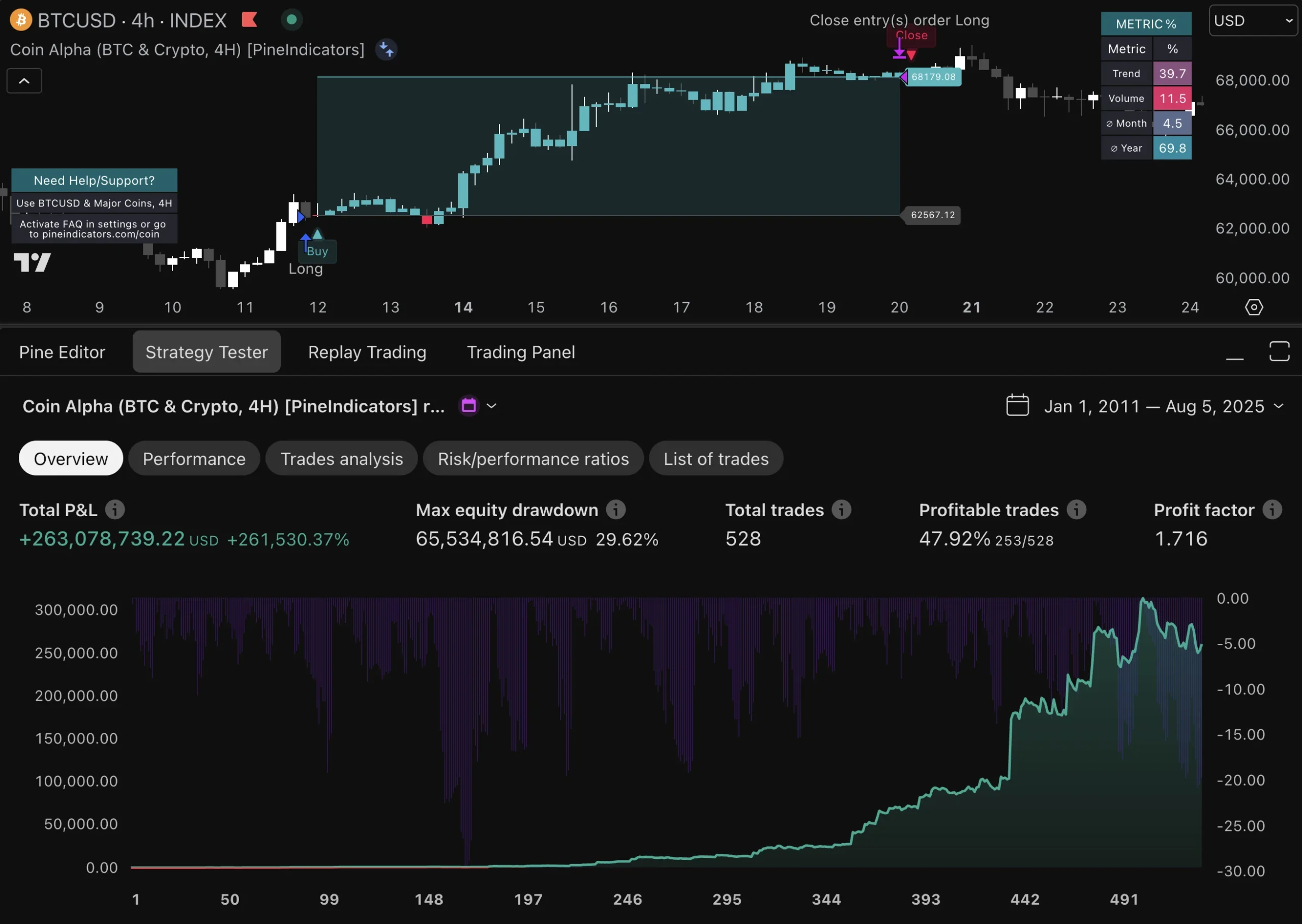
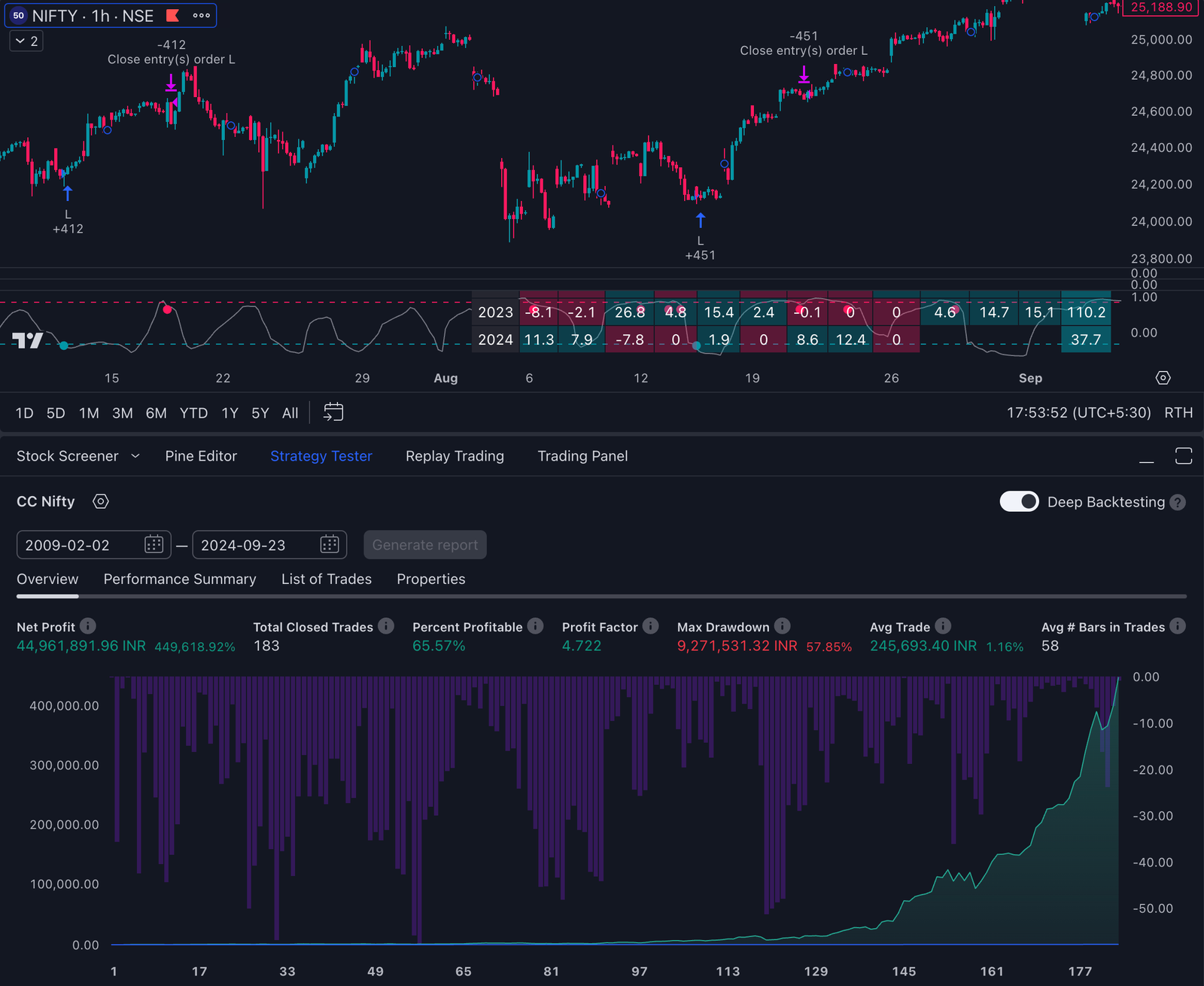
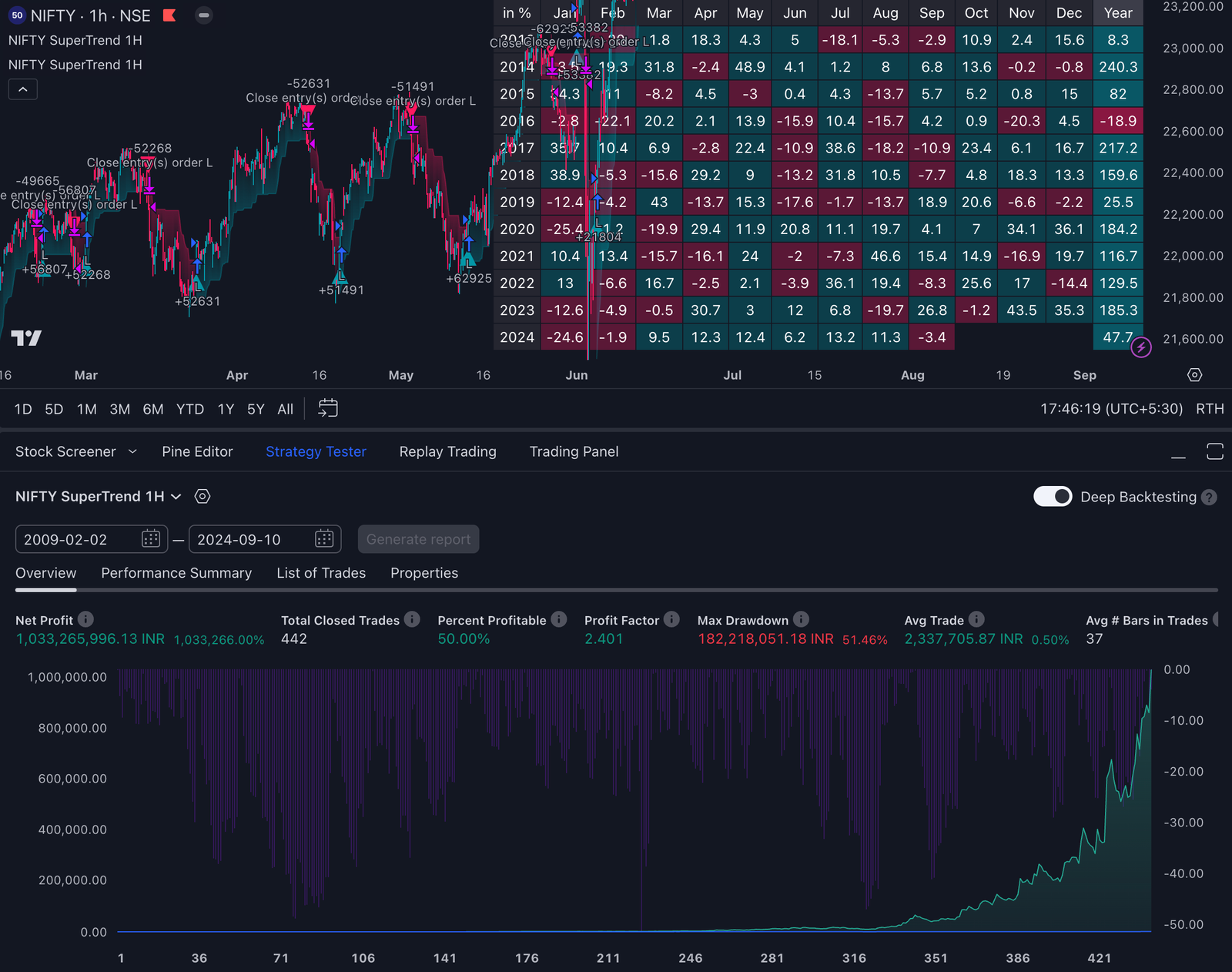

Trading systems are structured methodologies that traders employ to make decisions about buying and selling financial instruments. These systems can be based on a variety of factors, including technical analysis, fundamental analysis, or a combination of both. The primary goal of a trading system is to provide a systematic approach to trading that minimizes emotional decision-making and enhances the potential for profitability.
In the fast-paced world of financial markets, where prices can fluctuate dramatically in mere seconds, having a well-defined trading system can be the difference between success and failure. The evolution of trading systems has been significantly influenced by advancements in technology. With the advent of high-frequency trading and algorithmic strategies, traders now have access to sophisticated tools that can analyze vast amounts of data in real-time.
This technological shift has democratized access to trading strategies that were once the domain of institutional investors. As a result, individual traders can now leverage these systems to enhance their trading performance, making it essential to understand the underlying principles that govern effective trading systems.
Key Takeaways
- Trading systems combine technical and fundamental analysis to optimize market decisions.
- Backtesting and risk management are crucial for validating and protecting trading strategies.
- Identifying market trends and using technical indicators enhance decision-making accuracy.
- Algorithmic trading automates systems for efficiency and consistent execution.
- Continuous monitoring and adjustment ensure trading systems adapt and improve over time.
Understanding the Importance of Optimal Performance
Optimal performance in trading systems is crucial for achieving consistent profitability over time. A trading system that performs well under various market conditions can help traders navigate the complexities of financial markets with greater confidence. Optimal performance is not merely about generating profits; it also encompasses risk management, drawdown control, and the ability to adapt to changing market dynamics.
Traders must recognize that even the most robust systems will experience periods of underperformance, making it essential to have a clear understanding of what constitutes optimal performance. To gauge the effectiveness of a trading system, traders often rely on performance metrics such as the Sharpe ratio, maximum drawdown, and win-loss ratio. The Sharpe ratio measures the risk-adjusted return of a trading strategy, providing insight into how much excess return is generated for each unit of risk taken.
A high Sharpe ratio indicates that a trading system is not only profitable but also efficient in managing risk. Similarly, understanding maximum drawdown—the largest peak-to-trough decline in equity—helps traders assess the potential risks associated with their strategies. By focusing on these metrics, traders can better evaluate their systems and make informed decisions about adjustments or improvements.
Key Components of Proven Trading Systems

Proven trading systems typically consist of several key components that work together to create a cohesive strategy. These components include entry and exit signals, risk management rules, and position sizing techniques. Entry signals are the criteria that determine when a trader should enter a position, while exit signals dictate when to close a position.
These signals can be derived from various sources, including technical indicators, chart patterns, or fundamental analysis. Risk management is another critical component of successful trading systems. It involves setting parameters for how much capital to risk on each trade and establishing stop-loss orders to limit potential losses.
Position sizing techniques help traders determine the appropriate amount of capital to allocate to each trade based on their overall account size and risk tolerance. By integrating these components into a trading system, traders can create a structured approach that enhances their chances of long-term success.
Backtesting and Analysis of Trading Systems
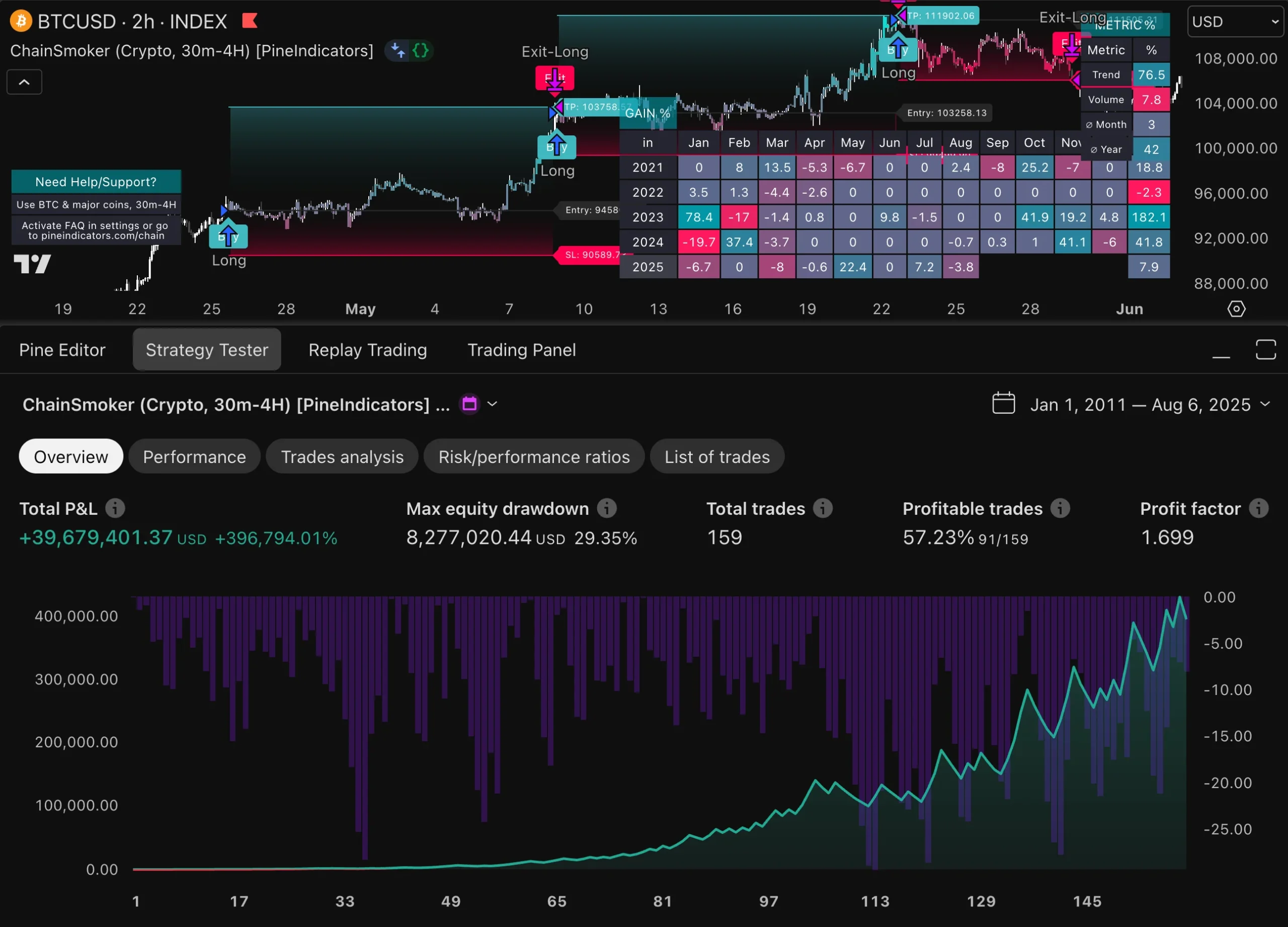
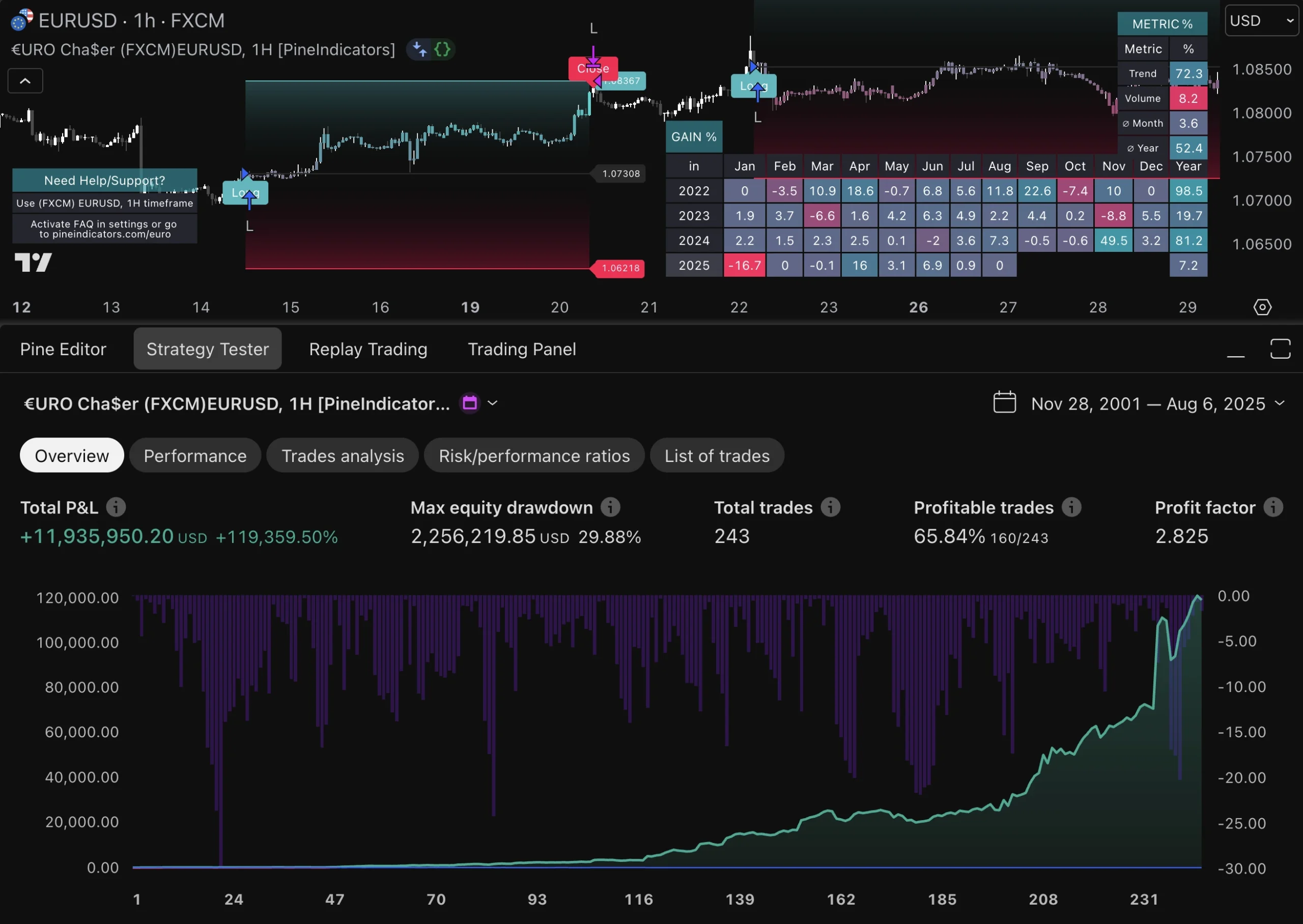
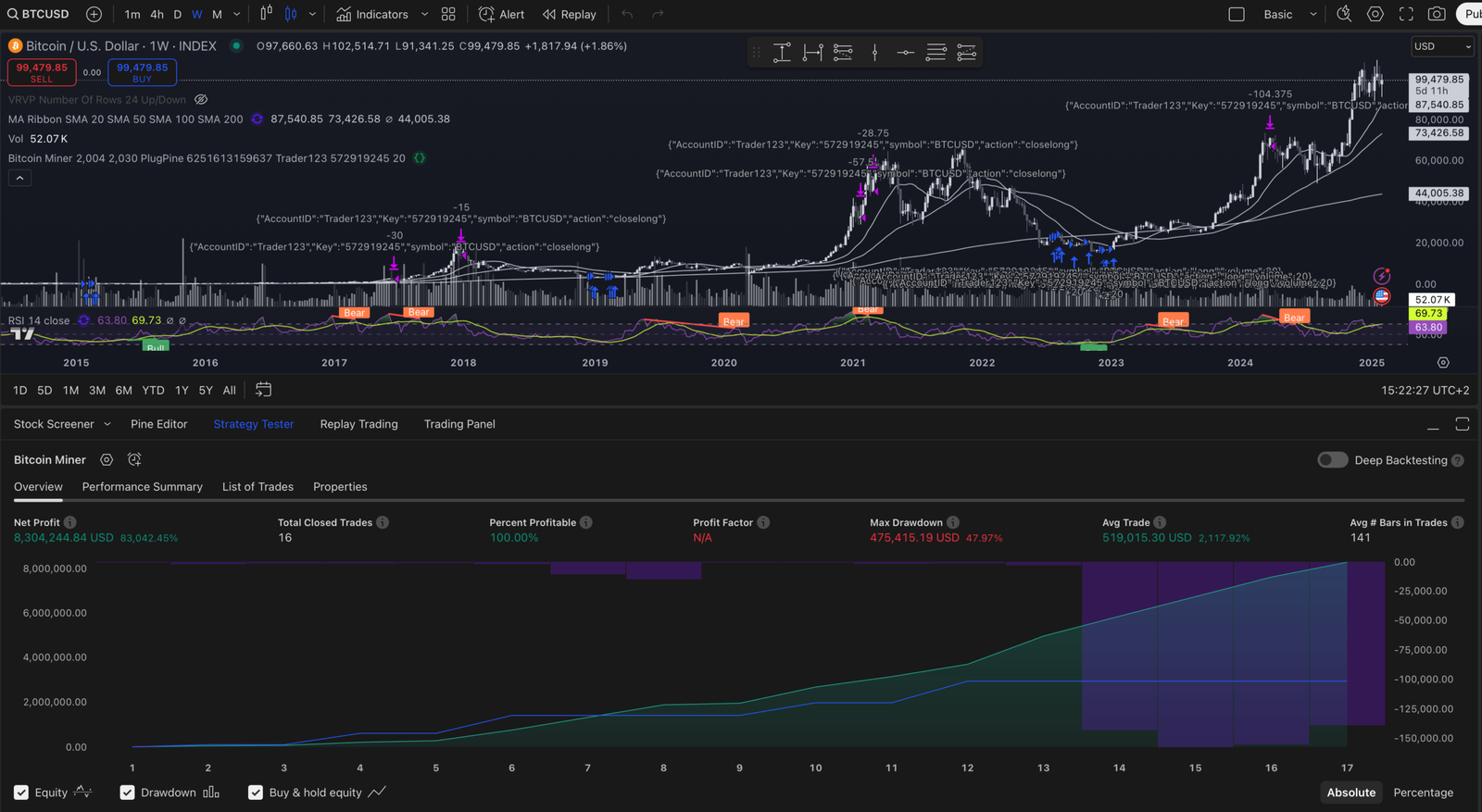
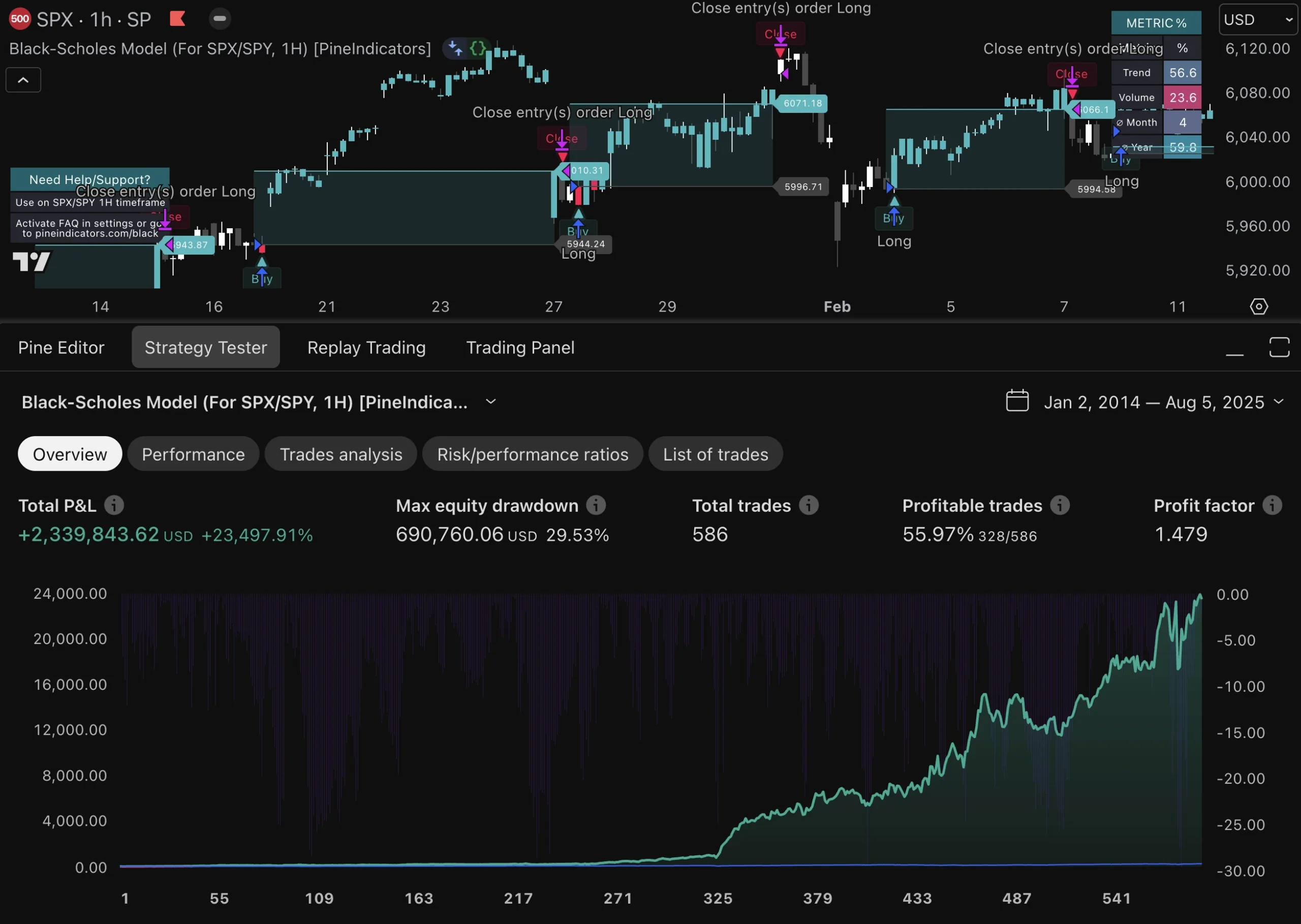
Backtesting is an essential process in the development and validation of trading systems. It involves applying a trading strategy to historical market data to assess its performance over time. By simulating trades based on past price movements, traders can gain valuable insights into how their systems would have performed under various market conditions.
This process allows traders to identify strengths and weaknesses in their strategies before deploying them in live markets. The analysis of backtesting results is equally important. Traders must scrutinize key performance metrics such as total return, win rate, average profit per trade, and maximum drawdown.
Additionally, it is crucial to consider the impact of slippage and transaction costs on overall performance. A strategy that appears profitable in backtesting may not necessarily translate to success in live trading due to these factors. Therefore, thorough analysis and realistic expectations are vital when interpreting backtesting results.
Implementing Risk Management Strategies
| Trading System | Backtest Period | Annual Return (%) | Max Drawdown (%) | Sharpe Ratio | Win Rate (%) | Average Trade Duration (days) |
|---|---|---|---|---|---|---|
| Mean Reversion | 2010-2020 | 12.5 | 8.3 | 1.2 | 58 | 5 |
| Trend Following | 2005-2020 | 15.8 | 12.1 | 1.5 | 54 | 20 |
| Momentum | 2012-2022 | 18.3 | 10.5 | 1.7 | 60 | 10 |
| Statistical Arbitrage | 2011-2021 | 10.2 | 6.7 | 1.1 | 62 | 3 |
| Breakout | 2008-2018 | 14.0 | 9.8 | 1.3 | 55 | 7 |
Effective risk management strategies are fundamental to preserving capital and ensuring long-term success in trading. One common approach is the use of stop-loss orders, which automatically close a position when it reaches a predetermined loss level. This technique helps traders limit their losses and protect their capital from significant drawdowns.
Another critical aspect of risk management is position sizing. Traders must determine how much capital to allocate to each trade based on their overall account size and risk tolerance.
A common rule is the 1% rule, which suggests that traders should risk no more than 1% of their total account balance on any single trade. This approach helps mitigate the impact of losing trades on overall account equity and allows traders to withstand periods of drawdown without depleting their capital.
Identifying Market Trends and Patterns

Identifying market trends and patterns is a cornerstone of successful trading strategies. Trends can be classified as upward (bullish), downward (bearish), or sideways (range-bound). Recognizing these trends allows traders to align their strategies with prevailing market conditions, increasing the likelihood of successful trades.
Various tools and techniques are available for identifying trends, including trendlines, moving averages, and price action analysis. In addition to trends, traders often look for specific chart patterns that can signal potential reversals or continuations in price movement. Patterns such as head and shoulders, double tops and bottoms, and flags or pennants provide valuable insights into market sentiment and potential future price action.
By combining trend analysis with pattern recognition, traders can develop more informed entry and exit strategies that enhance their overall trading performance.
Using Technical Indicators for Decision Making
Technical indicators play a vital role in many trading systems by providing objective data points that inform decision-making processes. These indicators are mathematical calculations based on historical price and volume data, designed to help traders identify trends, momentum, volatility, and market strength. Commonly used indicators include moving averages, Relative Strength Index (RSI), Bollinger Bands, and MACD (Moving Average Convergence Divergence).
For instance, moving averages smooth out price data over a specified period, helping traders identify the direction of the trend more clearly. The RSI measures the speed and change of price movements, indicating whether an asset is overbought or oversold. By incorporating these indicators into their trading systems, traders can enhance their ability to make informed decisions based on quantifiable data rather than relying solely on intuition or emotion.
Incorporating Fundamental Analysis into Trading Systems
While technical analysis focuses on price movements and patterns, fundamental analysis delves into the underlying factors that drive market behavior. This approach involves evaluating economic indicators, company earnings reports, geopolitical events, and other macroeconomic factors that can influence asset prices. Incorporating fundamental analysis into trading systems allows traders to gain a more comprehensive understanding of market dynamics.
For example, a trader might use fundamental analysis to assess the impact of interest rate changes on currency pairs or analyze earnings reports to gauge the health of a particular stock before making investment decisions. By combining both technical and fundamental analysis within their trading systems, traders can develop a more holistic view of the markets and make more informed decisions that align with broader economic trends.
Automating Trading Systems with Algorithmic Trading
Algorithmic trading has revolutionized the way traders execute their strategies by automating the decision-making process through computer algorithms. These algorithms can analyze vast amounts of data at lightning speed, executing trades based on predefined criteria without human intervention. This automation not only increases efficiency but also eliminates emotional biases that can cloud judgment during volatile market conditions.
Traders can develop custom algorithms tailored to their specific strategies or utilize existing platforms that offer algorithmic trading capabilities. For instance, platforms like MetaTrader allow users to create Expert Advisors (EAs) that automate trading strategies based on technical indicators or other criteria. By leveraging algorithmic trading, traders can capitalize on opportunities in real-time while maintaining discipline in their approach.
Monitoring and Adjusting Trading Systems for Continuous Improvement
The financial markets are dynamic environments that require continuous monitoring and adjustment of trading systems for optimal performance. Traders must regularly review their strategies to ensure they remain effective under changing market conditions. This involves analyzing performance metrics, identifying areas for improvement, and making necessary adjustments to entry and exit signals or risk management parameters.
Additionally, keeping abreast of market news and economic developments is essential for adapting trading systems effectively. For example, significant geopolitical events or changes in monetary policy can impact market behavior dramatically. By staying informed and being willing to adapt their strategies accordingly, traders can enhance their chances of sustained success in an ever-evolving landscape.
Case Studies of Successful Trading Systems
Examining case studies of successful trading systems provides valuable insights into what works in practice. One notable example is the Turtle Trading System developed by Richard Dennis and William Eckhardt in the 1980s. This system relied on trend-following principles combined with strict risk management rules.
Another example is the use of quantitative models by hedge funds such as Renaissance Technologies. Their Medallion Fund employs sophisticated mathematical models to identify patterns in market data and execute trades at high frequency.
The fund’s success has been attributed to its rigorous backtesting processes and continuous refinement of its algorithms based on real-time performance data. These case studies illustrate that successful trading systems often share common characteristics: they are well-defined, grounded in sound principles of risk management, and adaptable to changing market conditions. By studying these examples, aspiring traders can glean insights into developing their own effective trading systems tailored to their unique goals and risk tolerances.
For those interested in enhancing their trading strategies, a valuable resource is the article on strategy coding for TradingView. This article delves into the intricacies of developing and testing performance-tested trading systems, providing insights that can help traders optimize their approaches and improve their overall results.
FAQs
What are performance tested trading systems?
Performance tested trading systems are trading strategies or algorithms that have undergone rigorous evaluation using historical and/or real-time market data to assess their effectiveness, profitability, and risk management capabilities before being deployed in live trading.
Why is performance testing important for trading systems?
Performance testing helps traders and developers understand how a trading system behaves under various market conditions, identify potential weaknesses, optimize parameters, and reduce the risk of significant losses when applied in real trading environments.
What methods are commonly used to test trading system performance?
Common methods include backtesting using historical data, forward testing on out-of-sample data, walk-forward analysis, and paper trading or simulation in live market conditions without real capital at risk.
What metrics are used to evaluate trading system performance?
Key metrics include net profit, drawdown, win rate, risk-reward ratio, Sharpe ratio, profit factor, and the consistency of returns over time.
Can performance testing guarantee future success of a trading system?
No, performance testing provides insights based on past and simulated data but cannot guarantee future results due to the unpredictable nature of financial markets and changing market dynamics.
How often should a trading system be performance tested?
Trading systems should be regularly tested, especially after significant market changes, updates to the system, or periodically (e.g., quarterly or annually) to ensure continued effectiveness and adaptability.
What are the limitations of performance testing in trading systems?
Limitations include overfitting to historical data, data quality issues, ignoring transaction costs or slippage, and the inability to fully replicate live market conditions during testing.
Is it necessary to use real-time data for performance testing?
While historical data is essential for backtesting, real-time or forward testing helps validate the system’s performance in current market conditions and can reveal issues not apparent in historical analysis.
What role does risk management play in performance tested trading systems?
Risk management is critical; performance testing evaluates how well a system controls losses, manages position sizing, and maintains acceptable drawdowns to protect capital during adverse market movements.
Are automated trading systems always performance tested?
Reputable automated trading systems undergo thorough performance testing before deployment to ensure reliability and effectiveness, though the extent and quality of testing can vary widely among providers.