
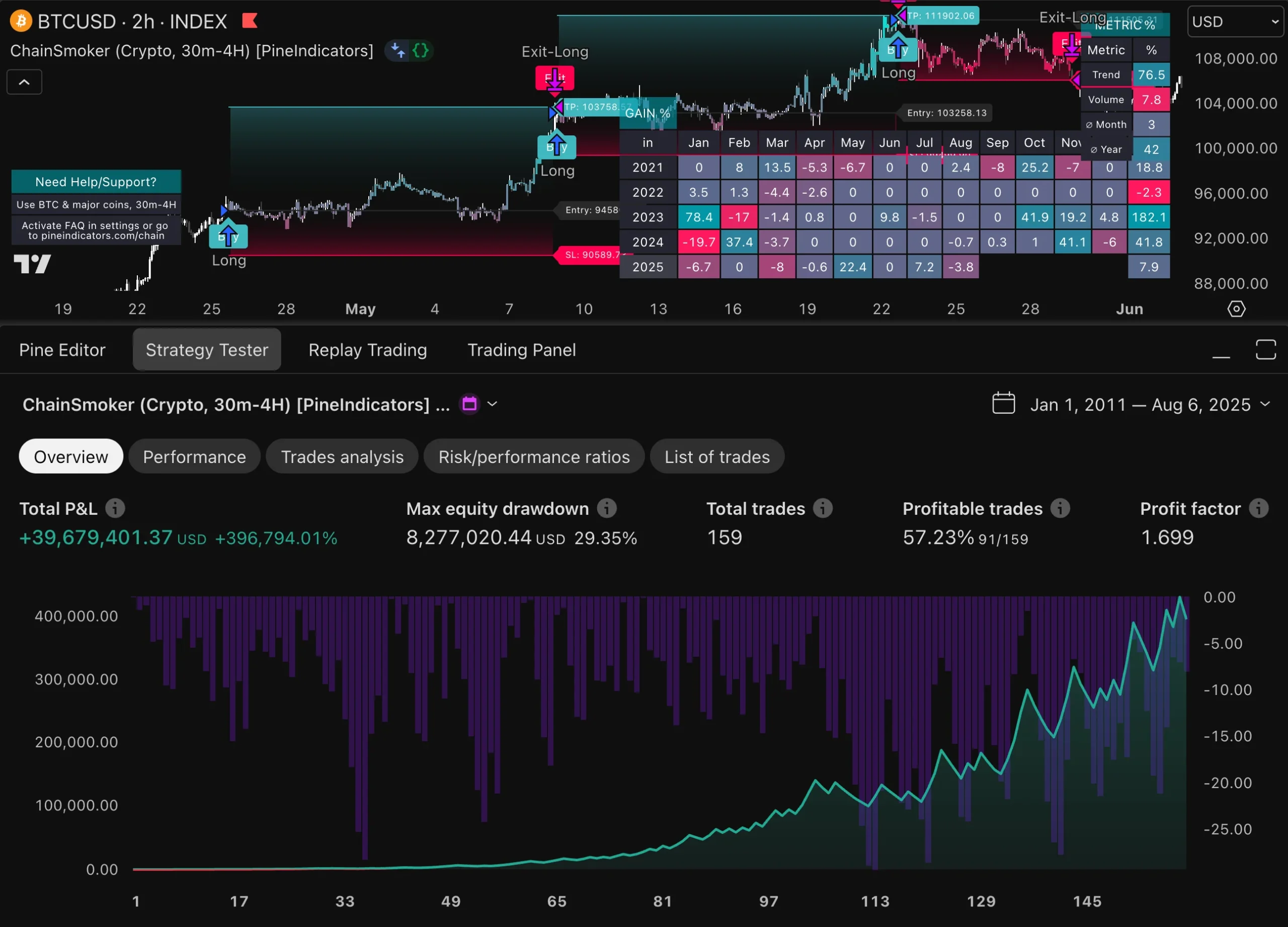
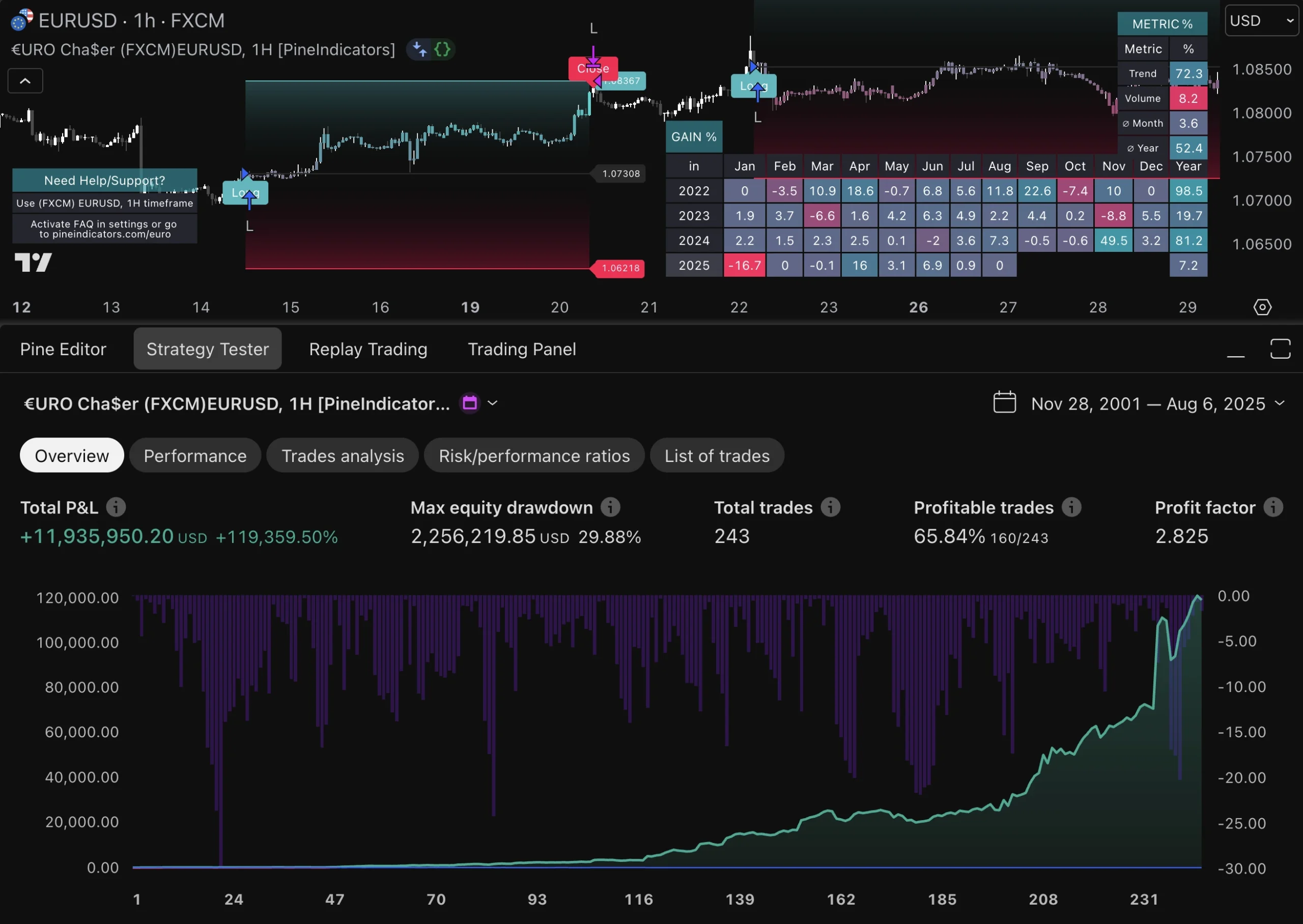
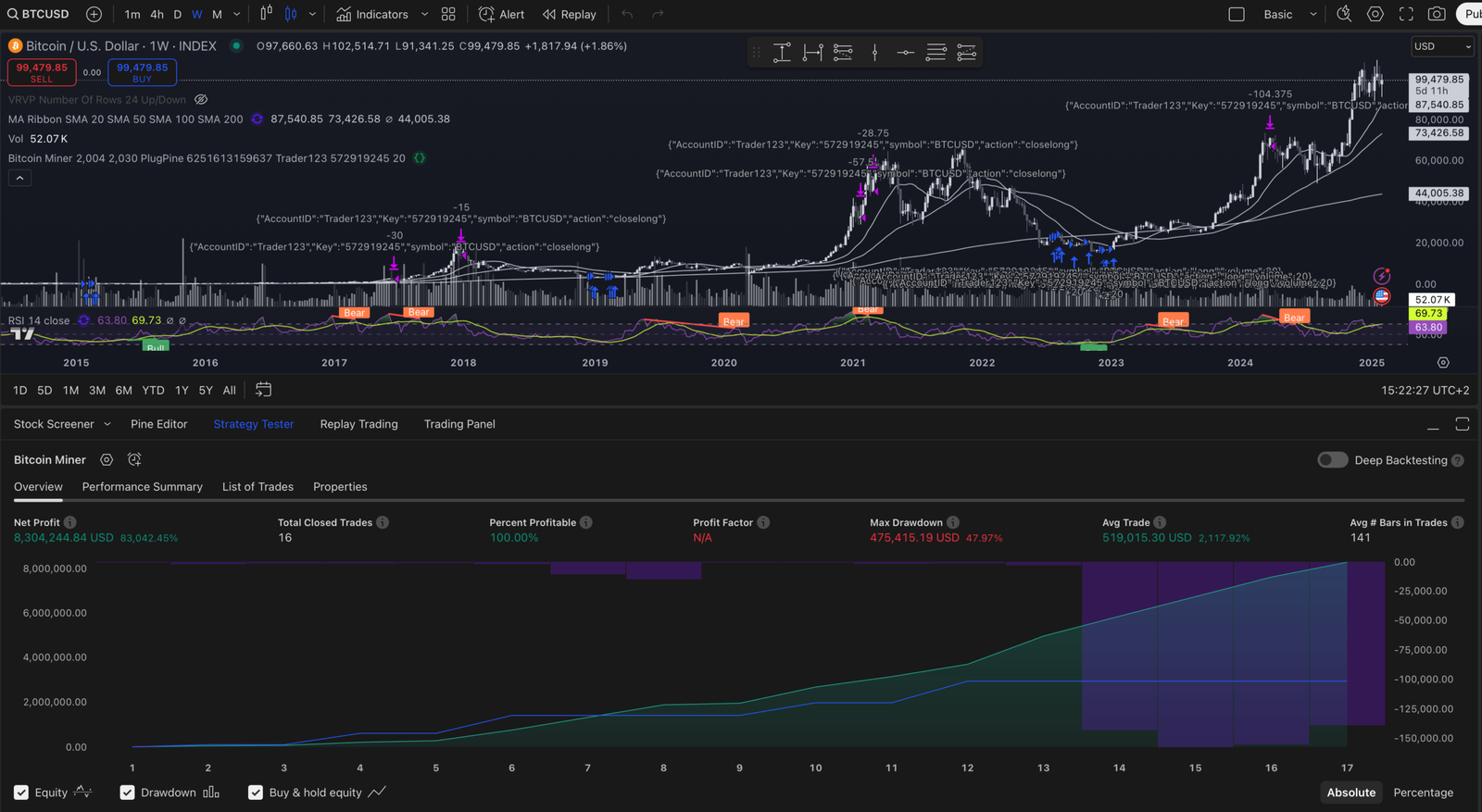
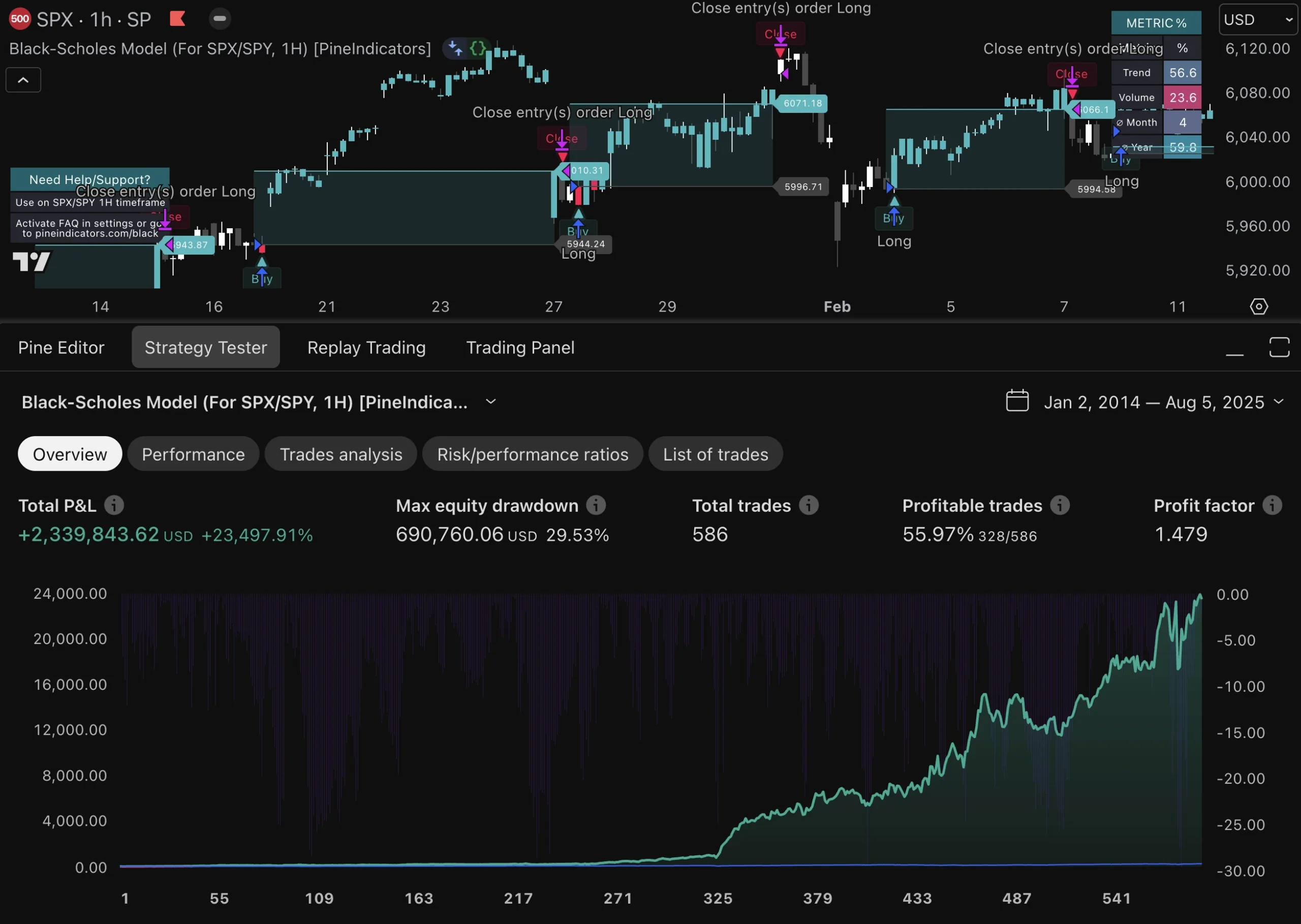
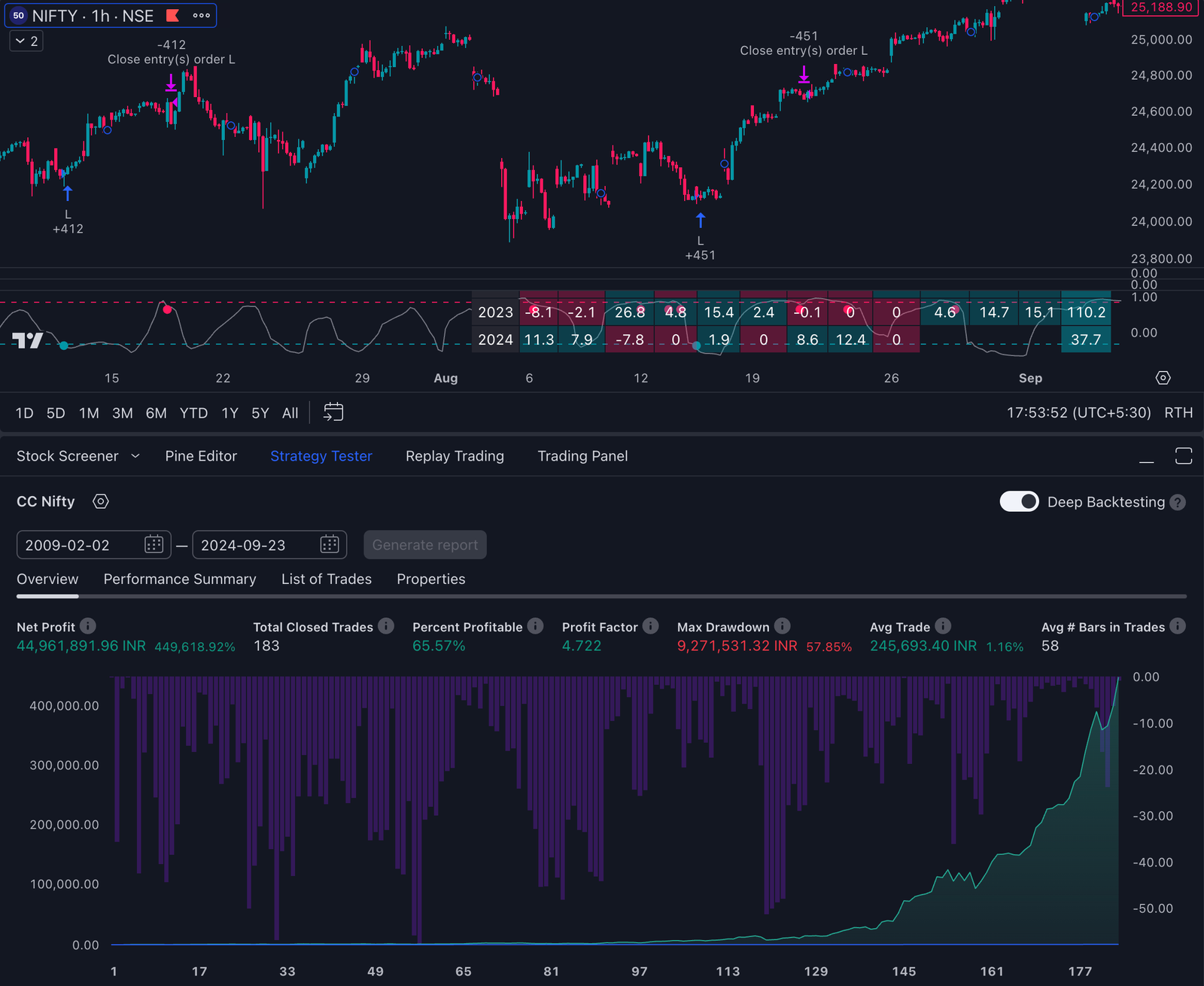
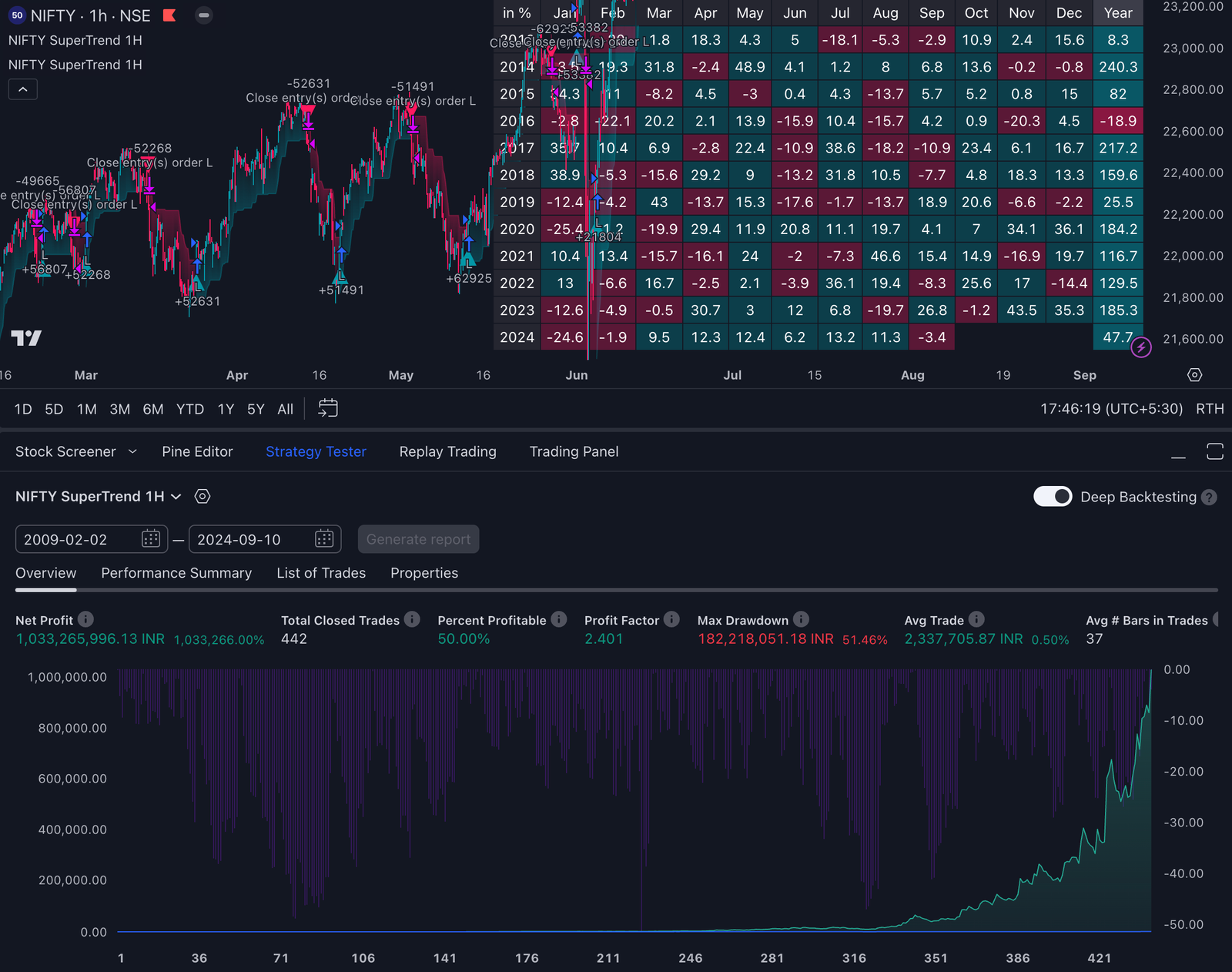

Institutional grade trading encompasses the trading activities of large financial institutions including hedge funds, pension funds, mutual funds, and investment banks. These organizations manage significant capital volumes and implement trading strategies that typically exceed the complexity of retail investor approaches. Their operational scale provides access to exclusive market data, sophisticated trading technologies, and diverse financial instruments.
Institutional traders operate within stringent regulatory frameworks that govern their trading methodologies and risk management procedures. Trading strategies in institutional environments vary considerably depending on organizational objectives, risk parameters, and prevailing market conditions. Some institutions utilize high-frequency trading systems that employ algorithmic execution for rapid transaction processing, while others implement fundamental analysis approaches that evaluate economic indicators and corporate performance metrics for investment decision-making.
Institutional trading complexity increases due to the requirement to execute large transaction volumes while minimizing market price impact. This demands comprehensive market dynamics knowledge and the capability to forecast price movements through analysis of multiple market variables.
Key Takeaways
- Institutional grade trading requires advanced risk management and market analysis techniques.
- Leveraging technology and data analytics is crucial for identifying trends and optimizing trades.
- Effective liquidity management and order execution strategies enhance trading efficiency.
- Diversification, portfolio management, and long-term strategies are key to sustained success.
- Compliance with regulations and building a strong team infrastructure are essential for institutional trading.
Importance of Risk Management in Institutional Grade Trading
Risk management is a cornerstone of institutional grade trading, as it helps protect capital and ensures the sustainability of trading operations. Given the significant sums of money involved, even minor miscalculations can lead to substantial losses. Institutions employ a variety of risk management techniques, including diversification, hedging, and the use of derivatives to mitigate potential risks.
By spreading investments across different asset classes or geographic regions, institutions can reduce their exposure to any single market event that could adversely affect their portfolio. Moreover, risk management in institutional trading involves the continuous assessment of market conditions and the potential impact of external factors such as economic data releases, geopolitical events, and changes in regulatory environments. Institutions often utilize sophisticated risk assessment models that incorporate historical data and predictive analytics to gauge potential risks.
This proactive approach enables them to adjust their trading strategies in real-time, ensuring that they remain aligned with their risk tolerance levels while maximizing potential returns.
Identifying Market Trends and Patterns for Institutional Grade Trading

Identifying market trends and patterns is crucial for institutional traders seeking to capitalize on price movements. Institutions often employ technical analysis, which involves studying historical price charts and indicators to identify recurring patterns that may signal future price behavior. For example, moving averages can help traders determine the overall direction of a market trend, while oscillators like the Relative Strength Index (RSI) can indicate overbought or oversold conditions.
In addition to technical analysis, institutional traders also rely on fundamental analysis to identify trends driven by economic factors. This may involve analyzing macroeconomic indicators such as GDP growth rates, unemployment figures, and inflation data. By understanding how these factors influence market sentiment and investor behavior, institutions can make informed decisions about when to enter or exit positions.
Furthermore, staying attuned to news events and geopolitical developments is essential for recognizing potential shifts in market trends that could impact trading strategies.
Utilizing Technology and Data Analysis in Institutional Grade Trading
The integration of technology and data analysis has revolutionized institutional grade trading. Advanced trading platforms equipped with real-time data feeds allow traders to execute orders swiftly and efficiently. High-frequency trading firms leverage algorithms that analyze vast amounts of data within milliseconds, enabling them to capitalize on fleeting market opportunities that would be impossible for human traders to exploit.
Data analysis plays a pivotal role in informing trading decisions.
For instance, sentiment analysis tools can gauge market sentiment by analyzing social media posts or news articles, providing insights into how public perception may influence stock prices.
By harnessing these technological advancements, institutional traders can enhance their decision-making processes and improve their overall performance.
Implementing Liquidity and Order Execution Strategies in Institutional Grade Trading
| Strategy | Average Annual Return (%) | Sharpe Ratio | Max Drawdown (%) | Typical Holding Period | Liquidity Requirement |
|---|---|---|---|---|---|
| Statistical Arbitrage | 12-18 | 1.5-2.0 | 8-12 | Intraday to Days | High |
| Trend Following | 10-15 | 1.2-1.8 | 15-25 | Weeks to Months | Medium |
| Market Making | 8-12 | 1.0-1.5 | 5-10 | Seconds to Minutes | Very High |
| Event-Driven | 12-20 | 1.3-1.7 | 10-18 | Days to Weeks | Medium |
| Mean Reversion | 9-14 | 1.1-1.6 | 10-15 | Hours to Days | High |
Liquidity is a critical consideration in institutional grade trading, as it directly impacts the ability to enter or exit positions without causing significant price fluctuations. Institutions often implement liquidity strategies that involve assessing market depth and identifying optimal times for executing trades. For example, they may choose to break large orders into smaller ones to minimize market impact or utilize dark pools—private exchanges where large trades can be executed anonymously—to avoid revealing their intentions to the broader market.
Order execution strategies are equally important for institutional traders. They must decide whether to use market orders, limit orders, or other types of orders based on their trading objectives and market conditions. Market orders ensure immediate execution but may result in unfavorable prices during volatile periods.
Conversely, limit orders allow traders to specify the price at which they are willing to buy or sell but may not be executed if the market does not reach that price. By carefully considering these factors, institutions can optimize their order execution processes and enhance their overall trading efficiency.
Diversification and Asset Allocation in Institutional Grade Trading

Diversification is a fundamental principle in institutional grade trading that helps mitigate risk while enhancing potential returns. By spreading investments across various asset classes—such as equities, fixed income, commodities, and real estate—institutions can reduce their exposure to any single investment’s performance. This strategy is particularly important during periods of market volatility when certain sectors may experience significant downturns while others remain resilient.
Asset allocation is closely related to diversification and involves determining the optimal distribution of capital among different asset classes based on an institution’s investment objectives and risk tolerance. For instance, a conservative institution may allocate a larger portion of its portfolio to bonds for stability, while a more aggressive institution might favor equities for higher growth potential. The process of asset allocation requires ongoing analysis and adjustment as market conditions change, ensuring that the portfolio remains aligned with the institution’s long-term goals.
Managing Portfolio and Position Sizing in Institutional Grade Trading
Effective portfolio management is essential for institutional grade trading success. Institutions must continuously monitor their portfolios’ performance and make adjustments based on changing market conditions or shifts in investment strategy. This involves evaluating individual positions’ contributions to overall portfolio performance and determining whether to increase or decrease exposure based on risk assessments.
Position sizing is a critical aspect of portfolio management that dictates how much capital should be allocated to each trade or investment. Institutions often employ sophisticated models that consider factors such as volatility, correlation with other assets, and overall portfolio risk when determining position sizes. For example, a highly volatile asset may warrant a smaller position size to limit potential losses, while a more stable investment could justify a larger allocation.
By carefully managing position sizes, institutions can optimize their risk-reward profiles and enhance their chances of achieving desired investment outcomes.
Developing a Long-Term Investment Strategy for Institutional Grade Trading
A well-defined long-term investment strategy is vital for institutional grade trading success. Institutions typically establish clear investment objectives based on factors such as return targets, risk tolerance levels, and time horizons. This strategic framework guides decision-making processes and helps ensure consistency in investment approaches over time.
Long-term strategies often involve a combination of fundamental analysis and macroeconomic considerations. Institutions may focus on identifying undervalued assets with strong growth potential or sectors poised for expansion based on economic trends. Additionally, they may incorporate environmental, social, and governance (ESG) criteria into their investment strategies as sustainability becomes increasingly important to investors.
By developing a comprehensive long-term strategy that aligns with their goals and values, institutions can navigate market fluctuations while positioning themselves for sustained success.
Evaluating Performance and Adjusting Trading Strategies in Institutional Grade Trading
Performance evaluation is an ongoing process in institutional grade trading that involves assessing both individual trades and overall portfolio performance against established benchmarks. Institutions typically utilize key performance indicators (KPIs) such as return on investment (ROI), Sharpe ratio, and alpha to gauge effectiveness relative to market indices or peer groups. This quantitative analysis provides valuable insights into which strategies are working well and which may require adjustments.
Adjusting trading strategies based on performance evaluations is crucial for maintaining competitiveness in dynamic markets. Institutions must remain agile and willing to adapt their approaches in response to changing market conditions or emerging trends. For instance, if a particular strategy consistently underperforms during specific market environments, institutions may choose to modify or abandon it altogether in favor of more effective alternatives.
This iterative process ensures that institutions remain responsive to evolving market dynamics while striving for optimal performance.
Regulatory Compliance and Legal Considerations in Institutional Grade Trading
Regulatory compliance is a critical aspect of institutional grade trading that cannot be overlooked. Financial institutions operate within a complex framework of regulations designed to promote transparency, protect investors, and maintain market integrity. Compliance with these regulations is essential not only for avoiding legal repercussions but also for fostering trust among clients and stakeholders.
Institutions must stay informed about evolving regulatory landscapes across different jurisdictions where they operate. This includes adhering to rules set forth by regulatory bodies such as the Securities and Exchange Commission (SEC) in the United States or the Financial Conduct Authority (FCA) in the United Kingdom. Compliance efforts often involve implementing robust internal controls, conducting regular audits, and providing ongoing training for employees regarding regulatory requirements.
By prioritizing compliance, institutions can mitigate risks associated with legal challenges while enhancing their reputations within the industry.
Building a Successful Institutional Grade Trading Team and Infrastructure
The success of institutional grade trading hinges significantly on the quality of the team involved in executing trading strategies. Building a successful trading team requires attracting top talent with diverse skill sets ranging from quantitative analysis to risk management expertise. Institutions often seek individuals with strong educational backgrounds in finance or mathematics who can contribute innovative ideas and analytical capabilities.
In addition to talent acquisition, establishing a robust infrastructure is essential for supporting effective trading operations. This includes investing in advanced technology platforms that facilitate real-time data analysis and order execution while ensuring cybersecurity measures are in place to protect sensitive information. Furthermore, fostering a collaborative culture within the team encourages knowledge sharing and continuous improvement—key components for adapting to ever-changing market conditions.
By prioritizing both talent development and infrastructure investment, institutions can create an environment conducive to successful institutional grade trading practices.
For those interested in institutional-grade trading strategies, a valuable resource is the article on automating trading strategies on TradingView. This article delves into how automation can enhance trading efficiency and effectiveness, making it a crucial read for traders looking to implement sophisticated strategies in their trading practices.
FAQs
What are institutional grade trading strategies?
Institutional grade trading strategies are advanced investment approaches used by large financial institutions such as hedge funds, mutual funds, and pension funds. These strategies typically involve sophisticated quantitative models, extensive data analysis, and risk management techniques to achieve consistent returns.
How do institutional trading strategies differ from retail trading strategies?
Institutional trading strategies often utilize larger datasets, higher-frequency trading, and more complex algorithms compared to retail strategies. They also benefit from greater access to market information, lower transaction costs, and advanced technology infrastructure.
What types of trading strategies are considered institutional grade?
Common institutional grade strategies include algorithmic trading, statistical arbitrage, high-frequency trading, quantitative momentum, market making, and factor investing. These strategies rely heavily on data analysis, automation, and rigorous risk controls.
Why do institutions prefer algorithmic and quantitative strategies?
Algorithmic and quantitative strategies allow institutions to process vast amounts of data quickly, execute trades efficiently, and minimize human biases. They also enable systematic risk management and the ability to exploit market inefficiencies at scale.
Are institutional grade trading strategies suitable for individual investors?
While some principles can be adapted, many institutional strategies require significant resources, technology, and expertise that individual investors may not have. However, individual investors can access some institutional strategies through managed funds or ETFs.
What role does risk management play in institutional trading strategies?
Risk management is a critical component, involving diversification, position sizing, stop-loss mechanisms, and continuous monitoring to protect capital and ensure long-term strategy viability.
How do institutions backtest their trading strategies?
Institutions use historical market data and simulation tools to rigorously test strategies under various market conditions. This process helps validate the strategy’s effectiveness and identify potential weaknesses before live deployment.
Can institutional grade trading strategies guarantee profits?
No trading strategy can guarantee profits. Institutional strategies aim to improve the probability of success and manage risk, but they are still subject to market volatility and unforeseen events.
What technologies support institutional grade trading strategies?
Technologies include high-performance computing, machine learning algorithms, big data analytics, low-latency trading platforms, and advanced order execution systems.
How do regulations impact institutional trading strategies?
Regulations require institutions to maintain transparency, manage risks prudently, and comply with market conduct rules. These regulations influence strategy design, reporting, and operational procedures.