
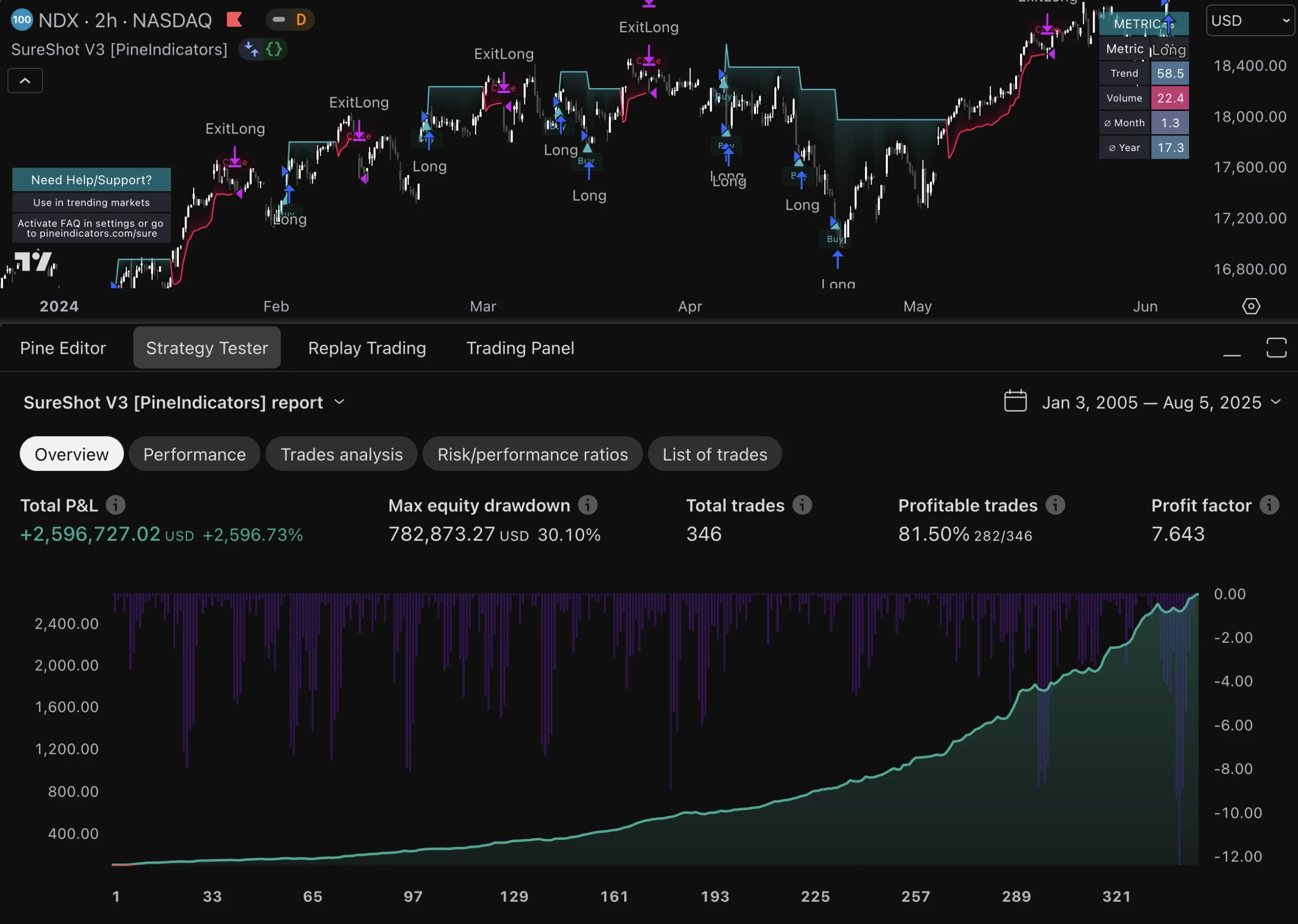
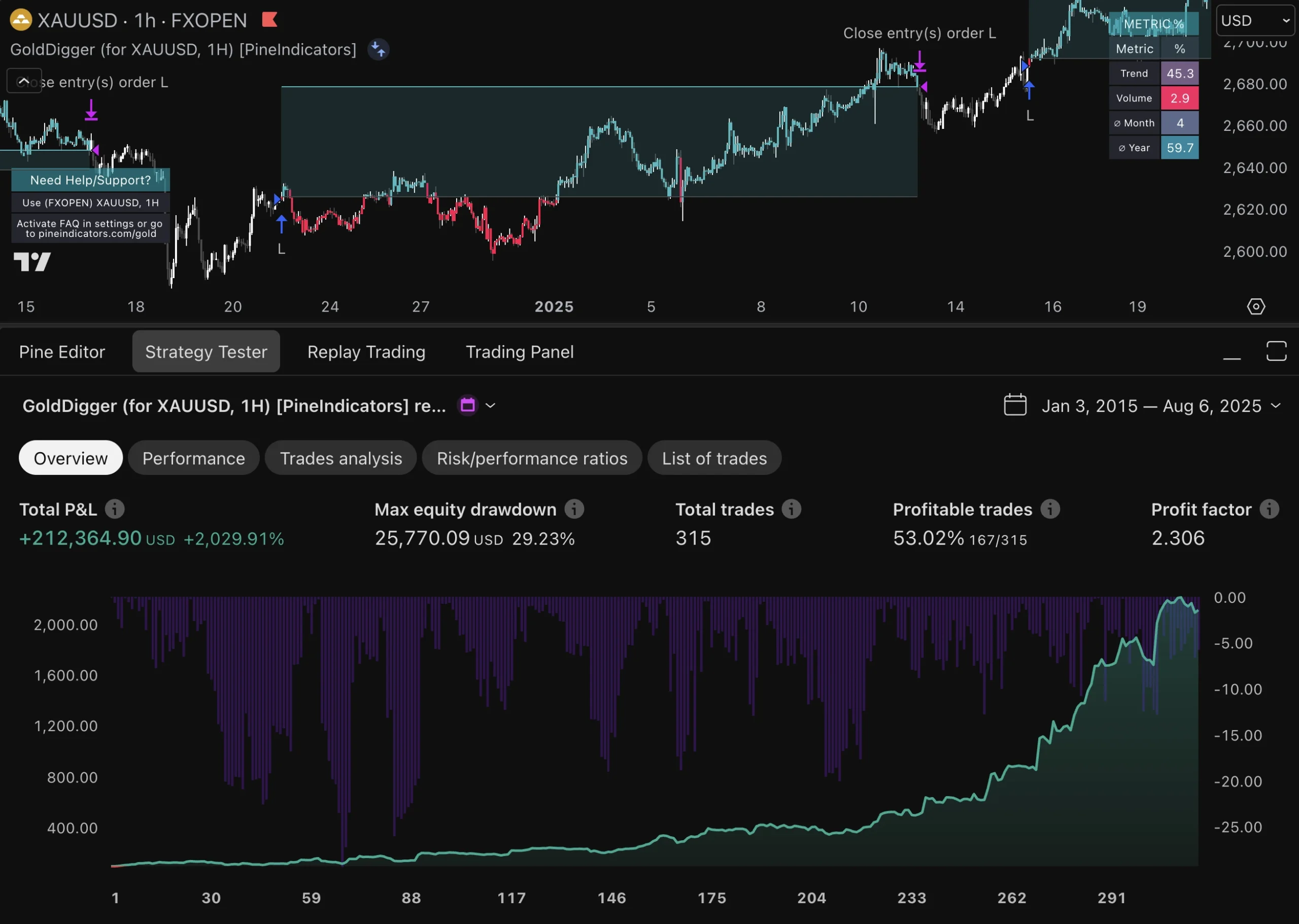
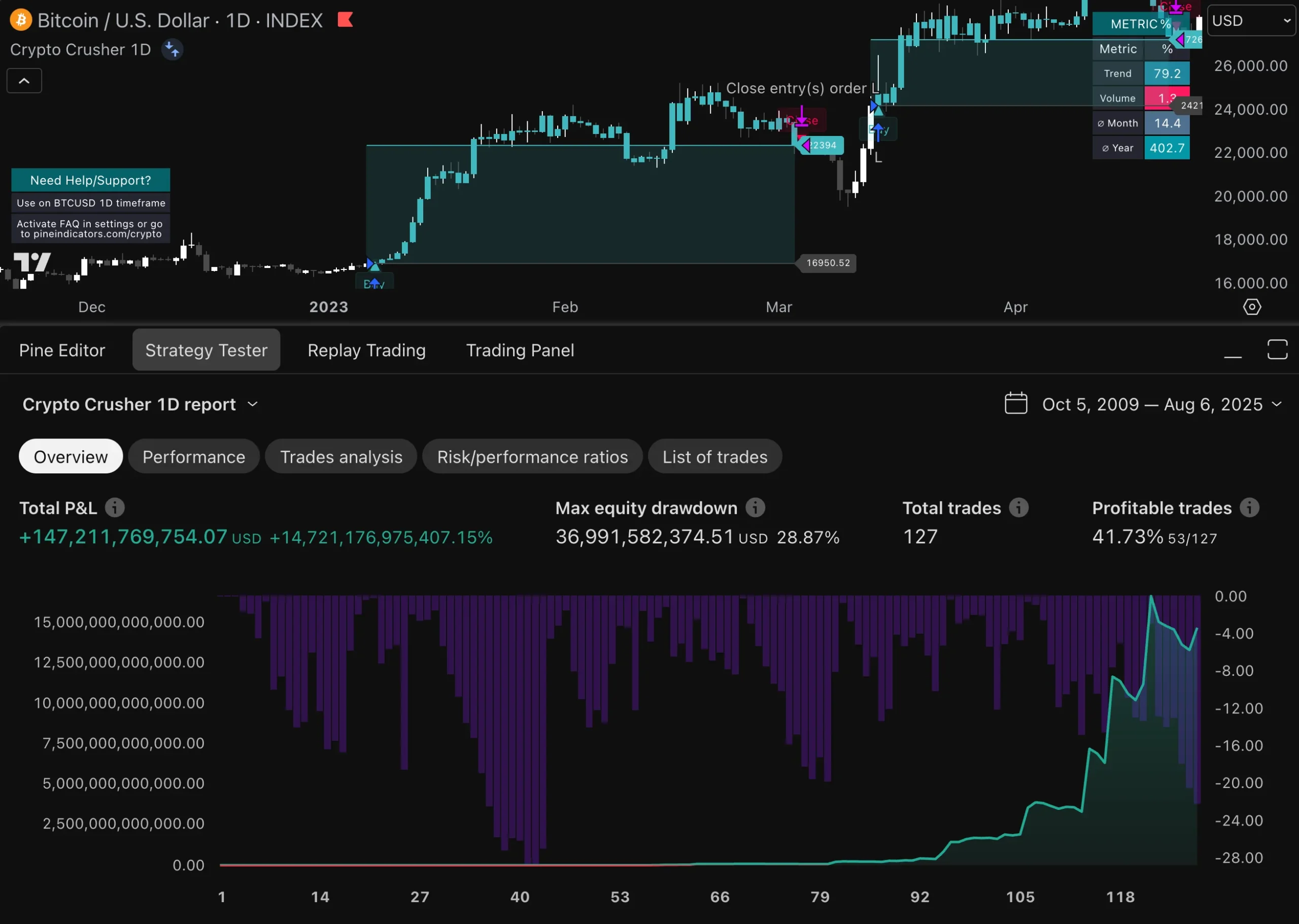
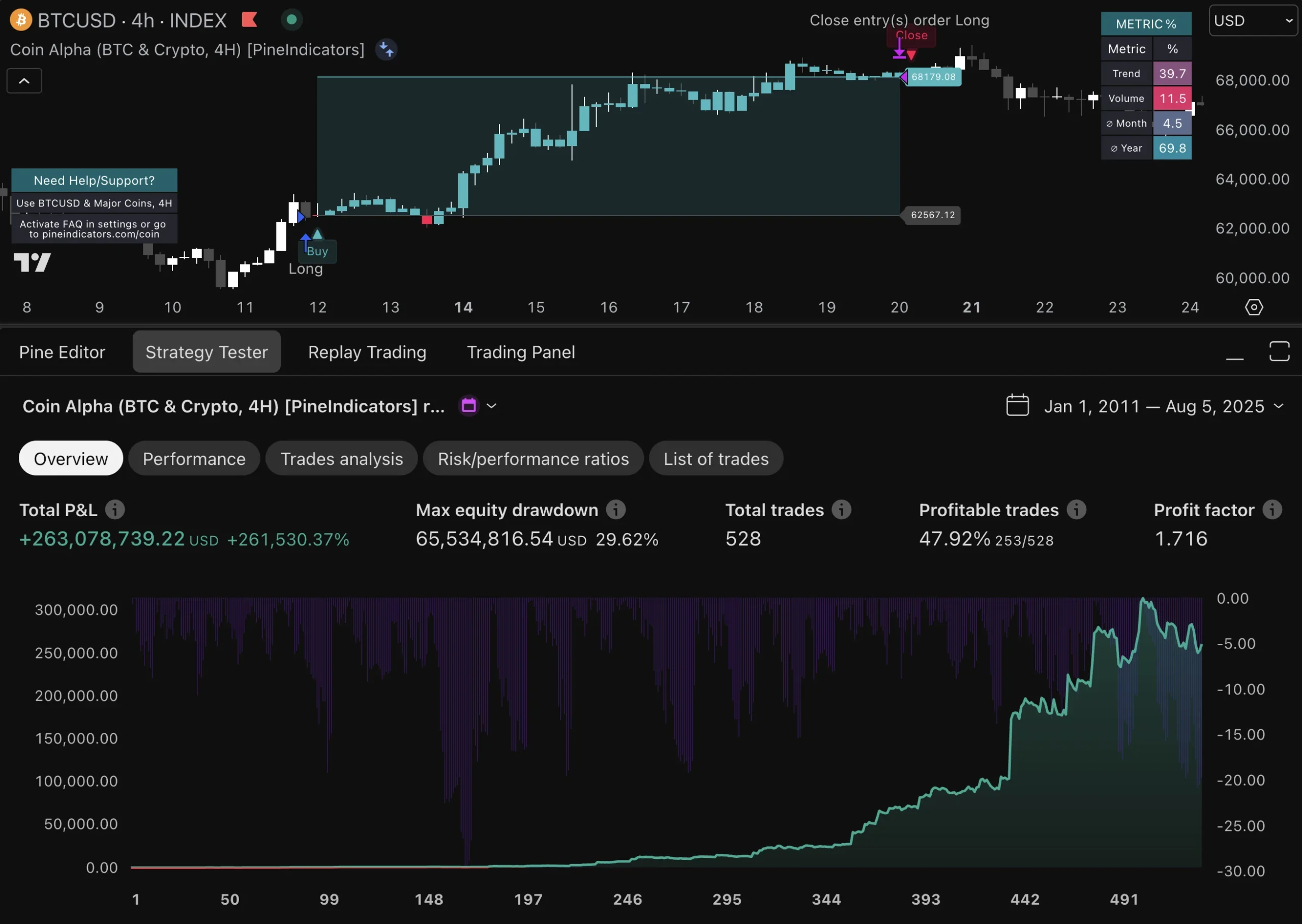
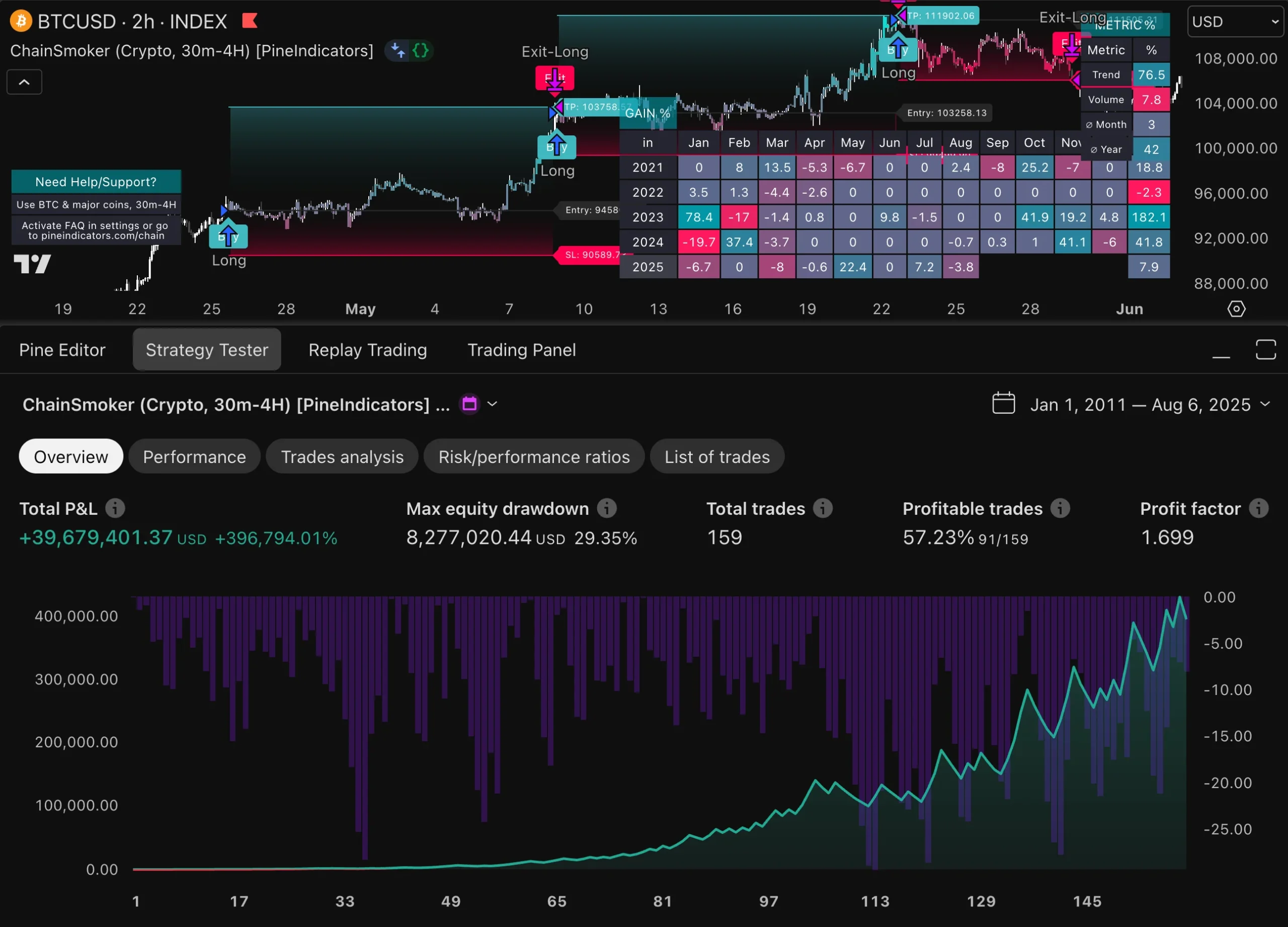
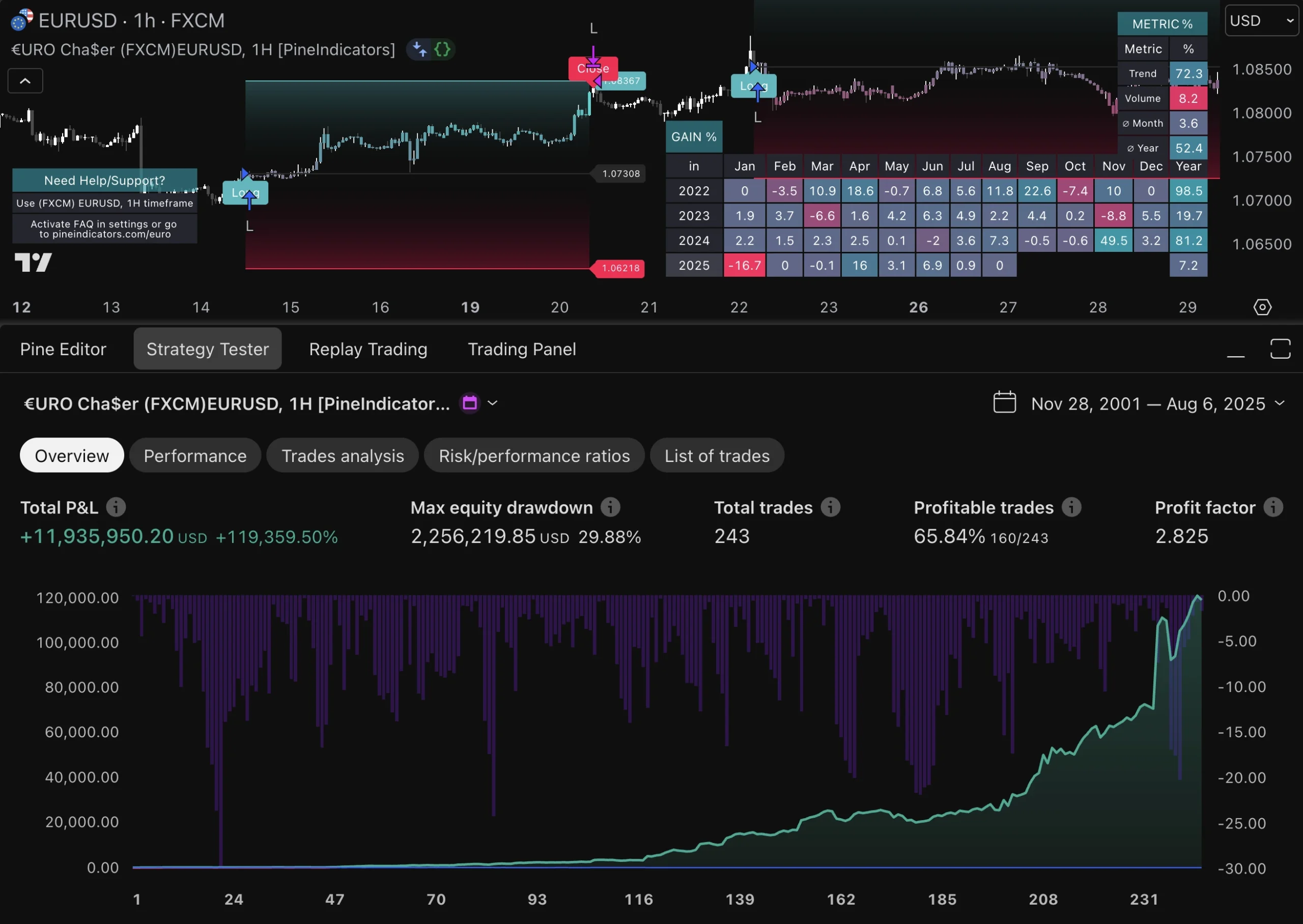
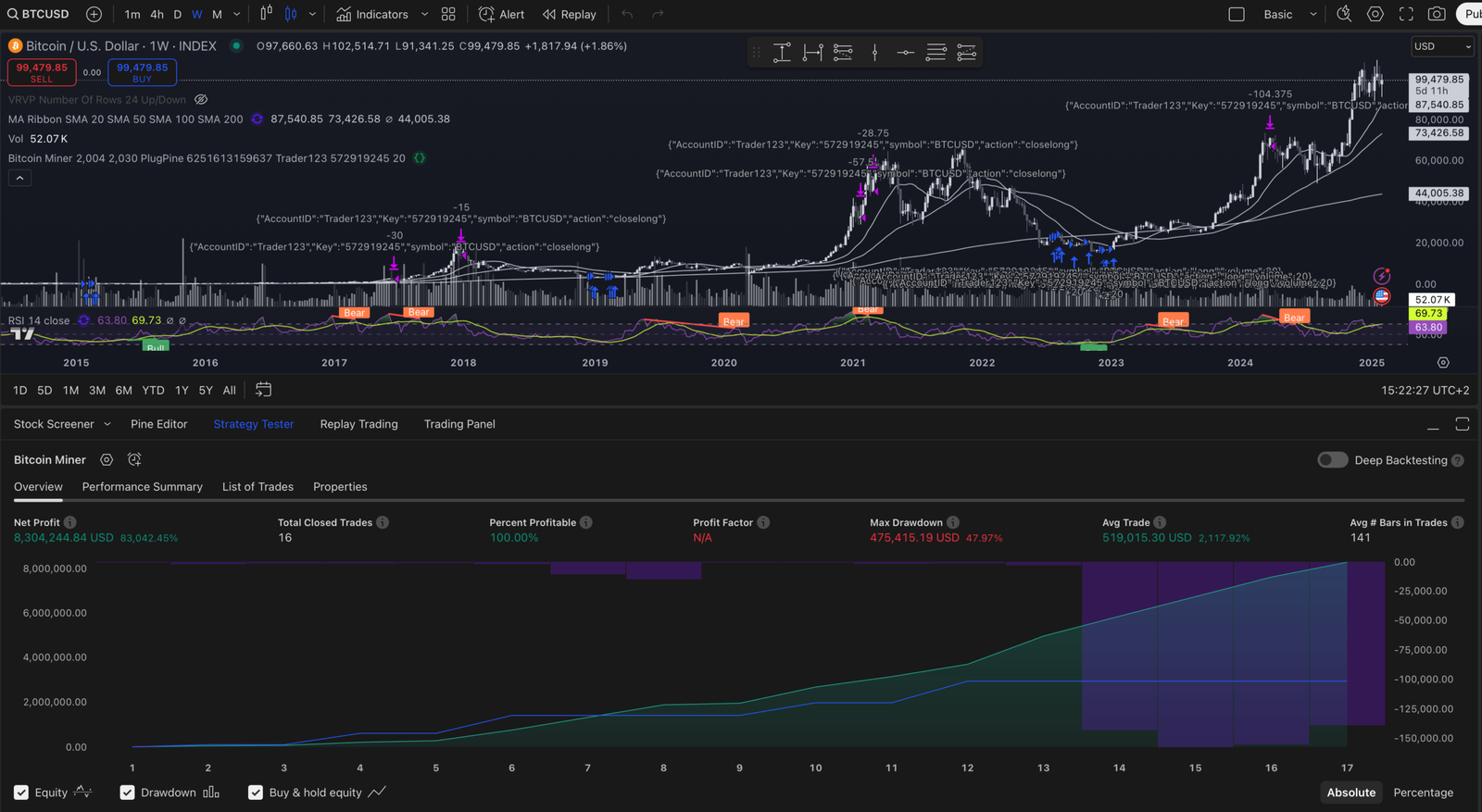
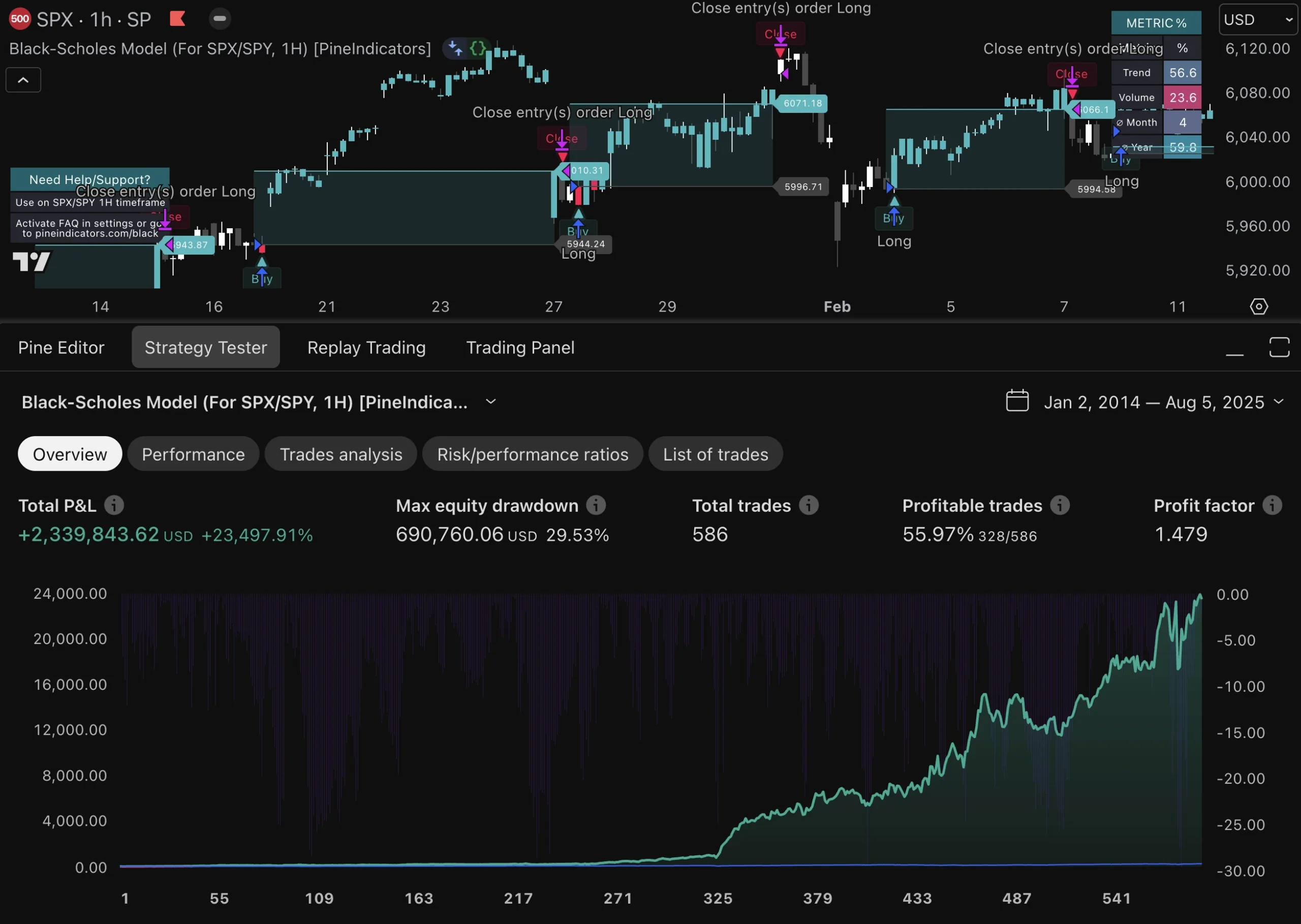
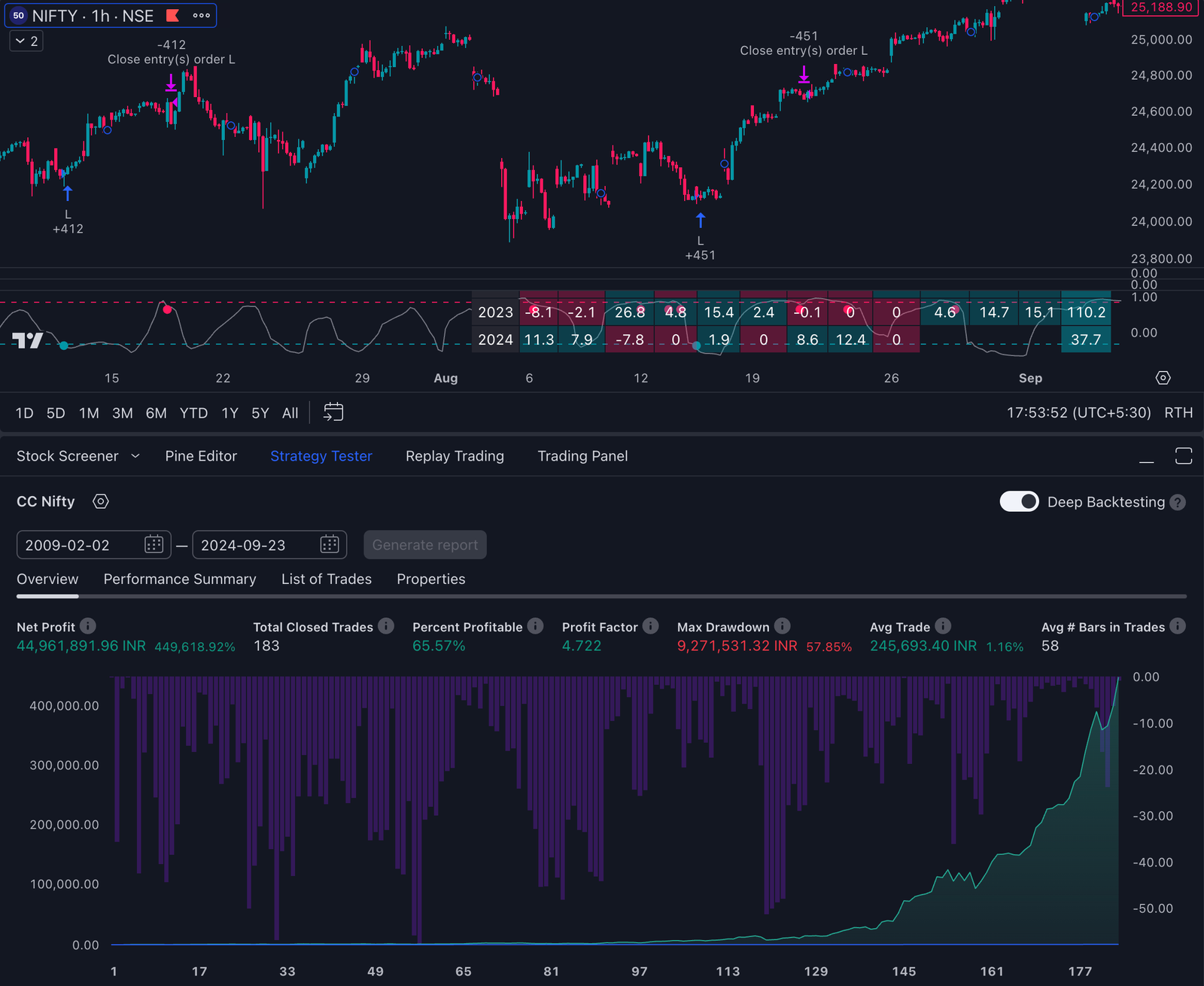
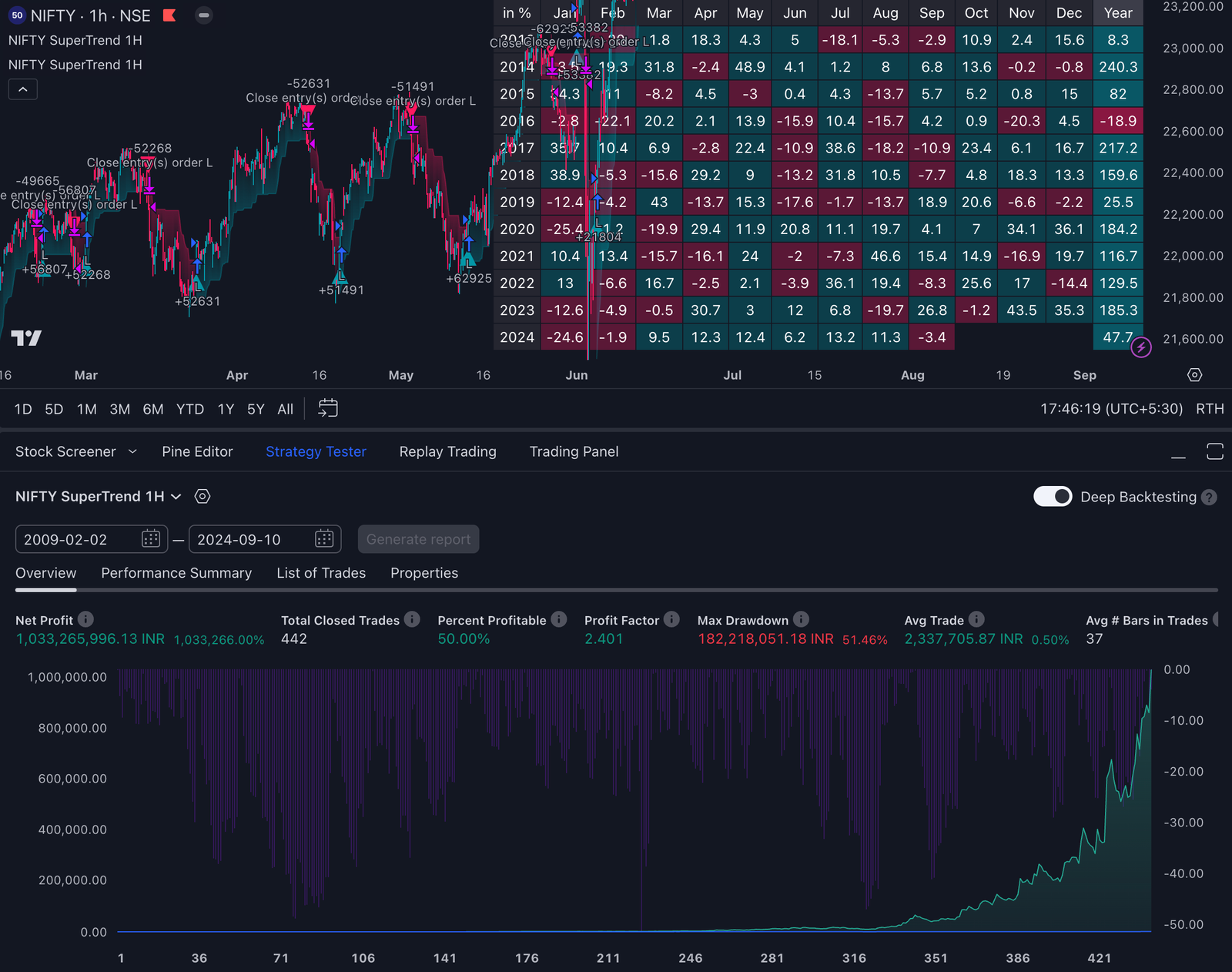

Performance-focused trading systems are designed to enhance the efficiency and effectiveness of trading strategies by emphasizing measurable outcomes. At their core, these systems integrate various methodologies and tools that allow traders to analyze market conditions, execute trades, and assess their performance against predefined benchmarks. A performance-focused approach is not merely about making profits; it encompasses a holistic view of trading that includes risk management, emotional discipline, and continuous improvement.
By understanding the foundational elements of these systems, traders can better navigate the complexities of financial markets. A key aspect of performance-focused trading systems is their reliance on data-driven decision-making. Traders utilize historical data, market trends, and statistical analysis to inform their strategies.
This analytical approach helps in identifying patterns and correlations that may not be immediately apparent through casual observation. For instance, a trader might analyze the historical performance of a particular asset during specific economic conditions to predict future movements. By grounding their strategies in empirical evidence, traders can enhance their confidence and reduce the emotional biases that often lead to poor decision-making.
Key Takeaways
- Define clear goals and key performance metrics to guide your trading system effectively.
- Choose appropriate assets and markets to maximize returns while managing risks.
- Use technology, automation, and data analysis to enhance trading efficiency and optimize strategies.
- Incorporate behavioral psychology to improve decision-making and reduce emotional biases.
- Continuously monitor, evaluate, and adapt your system to stay resilient amid changing market conditions.
Setting Clear Goals and Objectives for Your Trading System
Establishing clear goals and objectives is a critical step in developing a performance-focused trading system. These goals serve as a roadmap, guiding traders in their decision-making processes and helping them maintain focus amidst the volatility of the markets. Goals should be specific, measurable, achievable, relevant, and time-bound (SMART).
For example, a trader might set a goal to achieve a 15% return on investment over the next year while maintaining a maximum drawdown of 5%. Such clarity allows for better planning and execution of trading strategies. Moreover, setting objectives goes beyond mere profit targets; it also encompasses risk tolerance and personal development.
A trader may aim to improve their understanding of technical analysis or to develop emotional resilience in the face of market fluctuations. By incorporating personal growth into their objectives, traders can foster a more comprehensive approach to their trading practices. This dual focus on financial success and personal development can lead to more sustainable trading habits and long-term success.
Identifying Key Performance Metrics to Measure Success
To effectively evaluate the performance of a trading system, it is essential to identify key performance metrics that provide insight into its effectiveness. Common metrics include return on investment (ROI), win rate, average gain per trade, and maximum drawdown. Each of these metrics offers a different perspective on performance; for instance, ROI measures overall profitability, while win rate indicates the percentage of successful trades relative to total trades executed.
In addition to traditional metrics, traders may also consider risk-adjusted performance measures such as the Sharpe ratio or Sortino ratio. The Sharpe ratio evaluates the return of an investment relative to its risk, providing insight into how well the trader is compensated for taking on risk.
The Sortino ratio, on the other hand, focuses specifically on downside risk, making it particularly useful for traders who prioritize capital preservation. By incorporating these advanced metrics into their performance evaluations, traders can make more informed decisions about adjusting their strategies.
Selecting the Right Assets and Markets for Maximum Returns
The selection of assets and markets is a pivotal component of any performance-focused trading system. Different assets exhibit varying levels of volatility, liquidity, and correlation with broader market trends. For instance, equities may offer higher potential returns but come with increased volatility compared to fixed-income securities like bonds.
Understanding these characteristics allows traders to align their asset selection with their risk tolerance and investment objectives. Furthermore, market conditions play a significant role in asset selection. For example, during periods of economic expansion, cyclical stocks may outperform defensive stocks due to increased consumer spending.
Conversely, in times of economic uncertainty, defensive assets such as utilities or consumer staples may provide more stability. By staying attuned to macroeconomic indicators and market sentiment, traders can make strategic decisions about which assets to include in their portfolios. This proactive approach can significantly enhance the potential for returns while managing risk effectively.
Implementing Risk Management Strategies to Safeguard Your Investments
| Metric | Description | Typical Range | Importance |
|---|---|---|---|
| Sharpe Ratio | Risk-adjusted return measure, higher is better | 1.0 – 3.0+ | High |
| Win Rate | Percentage of profitable trades | 40% – 70% | Medium |
| Maximum Drawdown | Largest peak-to-trough loss during a period | 5% – 20% | High |
| Profit Factor | Ratio of gross profit to gross loss | 1.5 – 3.0+ | High |
| Average Trade Duration | Average holding time per trade | Minutes to days | Medium |
| Return on Investment (ROI) | Percentage gain or loss on invested capital | 10% – 50% annually | High |
| Slippage | Difference between expected and actual trade price | 0.01% – 0.1% | Medium |
| Latency | Time delay between signal and execution | Milliseconds to seconds | High (for high-frequency systems) |
Risk management is an integral aspect of any performance-focused trading system. Effective risk management strategies help protect capital from significant losses while allowing for potential gains. One common approach is position sizing, which involves determining the appropriate amount of capital to allocate to each trade based on the trader’s overall portfolio size and risk tolerance.
For instance, a trader might decide to risk no more than 2% of their total capital on any single trade, thereby limiting potential losses. Another essential risk management strategy is the use of stop-loss orders. These orders automatically close a position when it reaches a predetermined price level, helping to mitigate losses in volatile markets.
Additionally, traders may employ diversification as a risk management technique by spreading investments across various asset classes or sectors. This approach reduces the impact of poor performance in any single investment on the overall portfolio. By implementing robust risk management strategies, traders can safeguard their investments while pursuing their performance goals.
Leveraging Technology and Automation for Efficient Trading
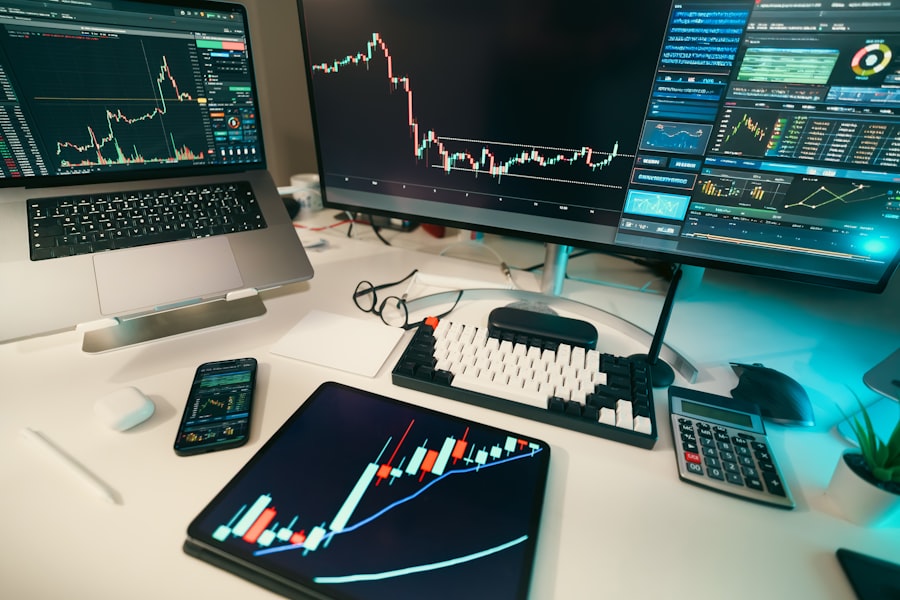
In today’s fast-paced financial markets, leveraging technology and automation has become increasingly important for achieving optimal trading performance. Advanced trading platforms offer tools that enable traders to execute trades quickly and efficiently while providing access to real-time market data and analytics. These platforms often come equipped with features such as charting tools, technical indicators, and news feeds that facilitate informed decision-making.
Automation plays a crucial role in enhancing trading efficiency as well. Algorithmic trading systems can execute trades based on predefined criteria without human intervention, allowing for rapid responses to market changes. For example, a trader might develop an algorithm that automatically buys or sells an asset when it reaches specific technical levels or reacts to certain economic indicators.
This level of automation not only saves time but also helps eliminate emotional biases that can cloud judgment during trading decisions.
Utilizing Data Analysis and Backtesting to Optimize Performance
Data analysis and backtesting are vital components in refining a performance-focused trading system. By analyzing historical data, traders can identify patterns and trends that inform their strategies. This process involves examining past price movements, volume data, and other relevant indicators to determine how a particular strategy would have performed under various market conditions.
Backtesting allows traders to simulate their strategies using historical data to assess potential profitability and risk exposure before deploying them in live markets. For instance, a trader might backtest a moving average crossover strategy over several years to evaluate its effectiveness across different market environments. This empirical approach not only provides insights into potential returns but also highlights areas for improvement within the strategy itself.
By continuously refining their systems through data analysis and backtesting, traders can enhance their chances of success in live trading scenarios.
Fine-Tuning Your Trading System for Adaptability and Resilience
The financial markets are inherently dynamic; therefore, adaptability is crucial for any performance-focused trading system. Traders must be willing to fine-tune their systems in response to changing market conditions or shifts in economic indicators. This adaptability can involve adjusting parameters within existing strategies or even developing entirely new approaches based on emerging trends.
Resilience is equally important; it refers to the ability of a trading system to withstand adverse market conditions without incurring significant losses. Traders can enhance resilience by incorporating flexible risk management techniques that allow for adjustments based on market volatility or unexpected events. For example, during periods of heightened uncertainty, a trader might choose to reduce position sizes or increase stop-loss thresholds to protect capital more effectively.
By prioritizing adaptability and resilience in their trading systems, traders can navigate market fluctuations with greater confidence.
Incorporating Behavioral Psychology Principles for Better Decision Making
Behavioral psychology plays a significant role in trading success; understanding how psychological factors influence decision-making can lead to improved outcomes. Traders often face emotional challenges such as fear and greed that can cloud judgment and lead to impulsive actions. By recognizing these psychological biases, traders can develop strategies to mitigate their impact on trading decisions.
For instance, implementing a structured trading plan that outlines specific entry and exit criteria can help reduce emotional decision-making during trades. Additionally, maintaining a trading journal allows traders to reflect on their decisions and identify patterns in their behavior over time. This self-awareness fosters discipline and encourages adherence to established strategies rather than succumbing to emotional impulses.
Monitoring and Evaluating Performance to Continuously Improve Results
Continuous monitoring and evaluation are essential for maintaining an effective performance-focused trading system. Traders should regularly review their performance metrics against established goals and objectives to identify areas for improvement. This ongoing assessment allows traders to recognize successful strategies while also pinpointing weaknesses that require attention.
Moreover, performance evaluation should not be limited to quantitative metrics; qualitative factors such as emotional resilience and adherence to trading plans should also be considered. For example, if a trader consistently deviates from their strategy during periods of high volatility, this behavior may indicate a need for additional training or support in managing emotions during challenging market conditions. By adopting a holistic approach to performance evaluation, traders can foster continuous improvement and adapt their systems for long-term success.
Adapting to Market Changes and Evolving Your Trading System for Long-Term Success
The ability to adapt to market changes is paramount for achieving long-term success in trading. Financial markets are influenced by numerous factors including economic indicators, geopolitical events, and technological advancements; thus, traders must remain vigilant in monitoring these developments. An effective performance-focused trading system should incorporate mechanisms for adapting strategies based on evolving market conditions.
For instance, if a trader notices a shift in market sentiment towards increased volatility due to geopolitical tensions or economic uncertainty, they may need to adjust their strategies accordingly—perhaps by tightening stop-loss orders or reducing position sizes temporarily until stability returns. Additionally, staying informed about emerging trends such as algorithmic trading or changes in regulatory environments can provide valuable insights that inform strategic adjustments. By fostering an adaptive mindset and remaining open to evolving one’s trading system in response to market changes, traders can position themselves for sustained success over time.
Embracing change as an opportunity rather than a challenge allows traders not only to survive but thrive in the ever-evolving landscape of financial markets.
For those interested in enhancing their trading strategies, a related article that delves into the intricacies of performance-focused trading systems is available at Automating Pine Script Backtesting for Efficient Trading Strategy Analysis. This resource provides valuable insights into how automation can streamline the backtesting process, ultimately leading to more effective trading decisions.
FAQs
What are performance focused trading systems?
Performance focused trading systems are automated or semi-automated trading strategies designed to maximize trading efficiency, profitability, and risk management by analyzing market data and executing trades based on predefined criteria.
How do performance focused trading systems work?
These systems use algorithms and quantitative models to analyze historical and real-time market data, identify trading opportunities, and execute trades automatically or with minimal human intervention to optimize performance.
What are the key components of a performance focused trading system?
Key components include data acquisition modules, signal generation algorithms, risk management protocols, trade execution mechanisms, and performance monitoring tools.
What types of markets can performance focused trading systems be used in?
They can be applied across various financial markets, including stocks, forex, commodities, futures, and cryptocurrencies.
What are the benefits of using performance focused trading systems?
Benefits include increased trading speed, reduced emotional bias, consistent strategy execution, improved risk management, and the ability to backtest and optimize strategies using historical data.
Are there any risks associated with performance focused trading systems?
Yes, risks include model overfitting, technical failures, market volatility, and the possibility that past performance may not predict future results.
Can beginners use performance focused trading systems?
While beginners can use these systems, it is recommended to have a basic understanding of trading principles and system mechanics to effectively manage and monitor the system.
How is the performance of a trading system evaluated?
Performance is typically evaluated using metrics such as return on investment (ROI), Sharpe ratio, drawdown, win/loss ratio, and consistency over time.
Is it necessary to customize performance focused trading systems?
Customization is often necessary to align the system with specific trading goals, risk tolerance, and market conditions.
Where can I learn more about developing performance focused trading systems?
Resources include financial trading courses, algorithmic trading books, online tutorials, trading forums, and software platforms that offer tools for system development and backtesting.