

In the realm of trading and investing, breakout strategies have garnered significant attention for their potential to capitalize on price movements following periods of consolidation. A breakout occurs when the price of an asset moves beyond a defined support or resistance level, often accompanied by increased volume. This phenomenon can signal the beginning of a new trend, making it a focal point for traders seeking to maximize their returns.
The performance of breakout strategies is not merely a matter of luck; it is influenced by a myriad of factors, including market conditions, trader psychology, and the specific parameters set within the strategy itself. Understanding how breakout strategies perform is crucial for traders who wish to refine their approach and enhance their profitability.
As such, a comprehensive analysis of breakout strategy performance is essential for both novice and experienced traders alike.
Key Takeaways
- Breakout strategies rely on identifying price movements beyond key support or resistance levels to capitalize on market momentum.
- Performance of breakout strategies is influenced by factors such as market volatility, timing, and asset selection.
- Analyzing breakout strategy performance requires key metrics like win rate, risk-reward ratio, and drawdown to assess effectiveness.
- Common pitfalls include overfitting data, ignoring market context, and failing to adjust strategies based on performance feedback.
- Continuous evaluation and optimization, including risk management adjustments, are essential for improving breakout strategy outcomes.
Understanding Breakout Strategies
At its core, a breakout strategy is predicated on the idea that once an asset breaks through a significant price level, it is likely to continue moving in that direction. Traders often utilize technical analysis to identify these key levels, which can be determined through various methods such as trend lines, moving averages, or historical price action. For instance, if a stock has consistently struggled to surpass a resistance level at $50, a breakout above this price could indicate strong buying interest and the potential for further upward movement.
Breakout strategies can be categorized into two primary types: momentum breakouts and reversal breakouts. Momentum breakouts occur when an asset breaks out in the direction of the prevailing trend, often leading to rapid price increases. Conversely, reversal breakouts happen when an asset breaks out against the prevailing trend, signaling a potential shift in market sentiment.
Understanding these distinctions is vital for traders as they develop their strategies and set their entry and exit points.
Factors Affecting Breakout Strategy Performance

The performance of breakout strategies is influenced by several key factors that traders must consider. Market volatility is one such factor; higher volatility can lead to more pronounced breakouts, but it can also increase the risk of false breakouts—situations where the price moves beyond a key level only to reverse shortly thereafter. For example, during periods of heightened uncertainty or economic turmoil, traders may witness erratic price movements that can complicate breakout strategies.
Another critical factor is trading volume. A breakout accompanied by significant volume is generally viewed as more reliable than one with low volume. High volume indicates strong market participation and conviction among traders, suggesting that the breakout is more likely to sustain itself.
Conversely, a breakout on low volume may signal a lack of interest or commitment from market participants, raising the likelihood of a reversal. Therefore, analyzing volume in conjunction with price movements is essential for assessing the validity of a breakout.
Importance of Analyzing Breakout Strategy Performance
Analyzing the performance of breakout strategies is paramount for traders aiming to refine their techniques and improve their overall trading results. By systematically evaluating past trades, traders can identify patterns and trends that inform future decision-making. This analysis allows traders to discern which strategies yield consistent profits and which ones may require adjustment or abandonment.
Moreover, performance analysis provides insights into risk management practices. Understanding how different market conditions affect breakout performance enables traders to develop more robust risk management strategies. For instance, if a trader notices that their breakout strategy performs poorly during specific market conditions—such as low volatility—they can adjust their approach accordingly, perhaps by incorporating additional filters or criteria to enhance their strategy’s effectiveness.
Key Performance Metrics for Breakout Strategies
| Metric | Description | Value | Unit |
|---|---|---|---|
| Win Rate | Percentage of trades that were profitable | 62 | % |
| Average Profit per Trade | Mean profit earned on winning trades | 1.8 | Points |
| Average Loss per Trade | Mean loss incurred on losing trades | 1.2 | Points |
| Risk-Reward Ratio | Ratio of average profit to average loss | 1.5 | Ratio |
| Maximum Drawdown | Largest peak-to-trough decline during the period | 8.5 | % |
| Profit Factor | Gross profit divided by gross loss | 1.8 | Ratio |
| Number of Trades | Total trades executed during analysis period | 150 | Trades |
| Average Trade Duration | Mean holding time per trade | 3.2 | Days |
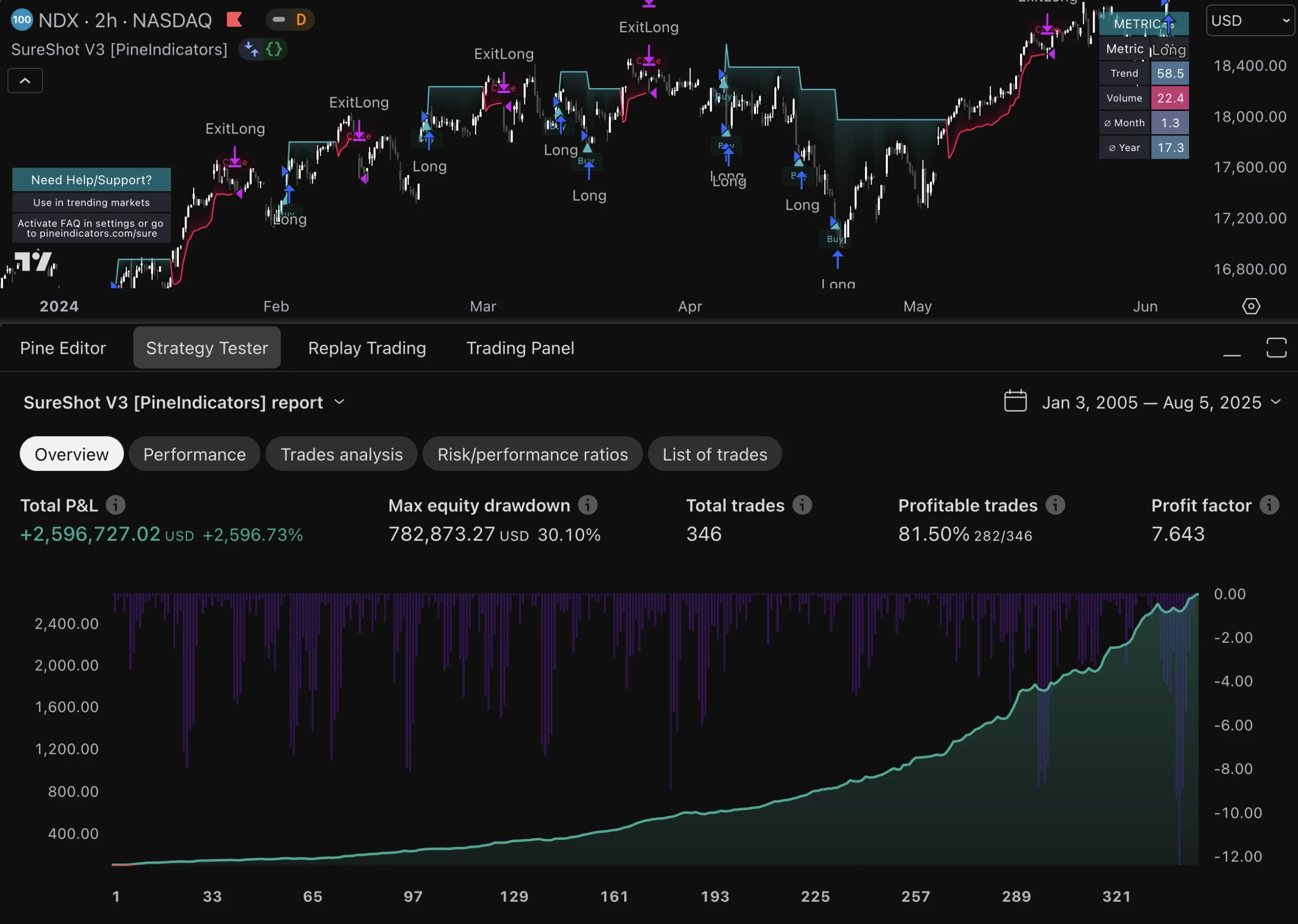
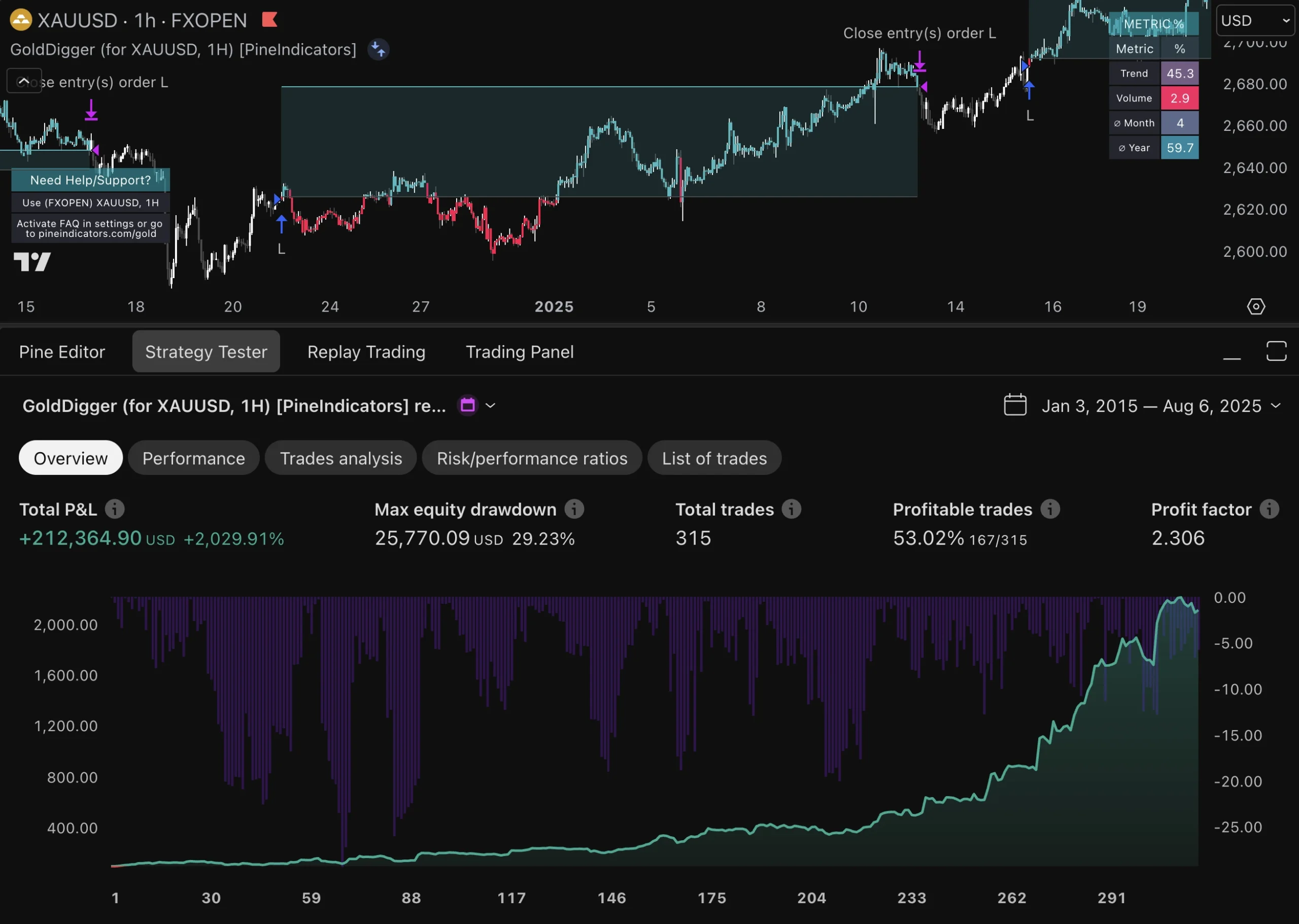
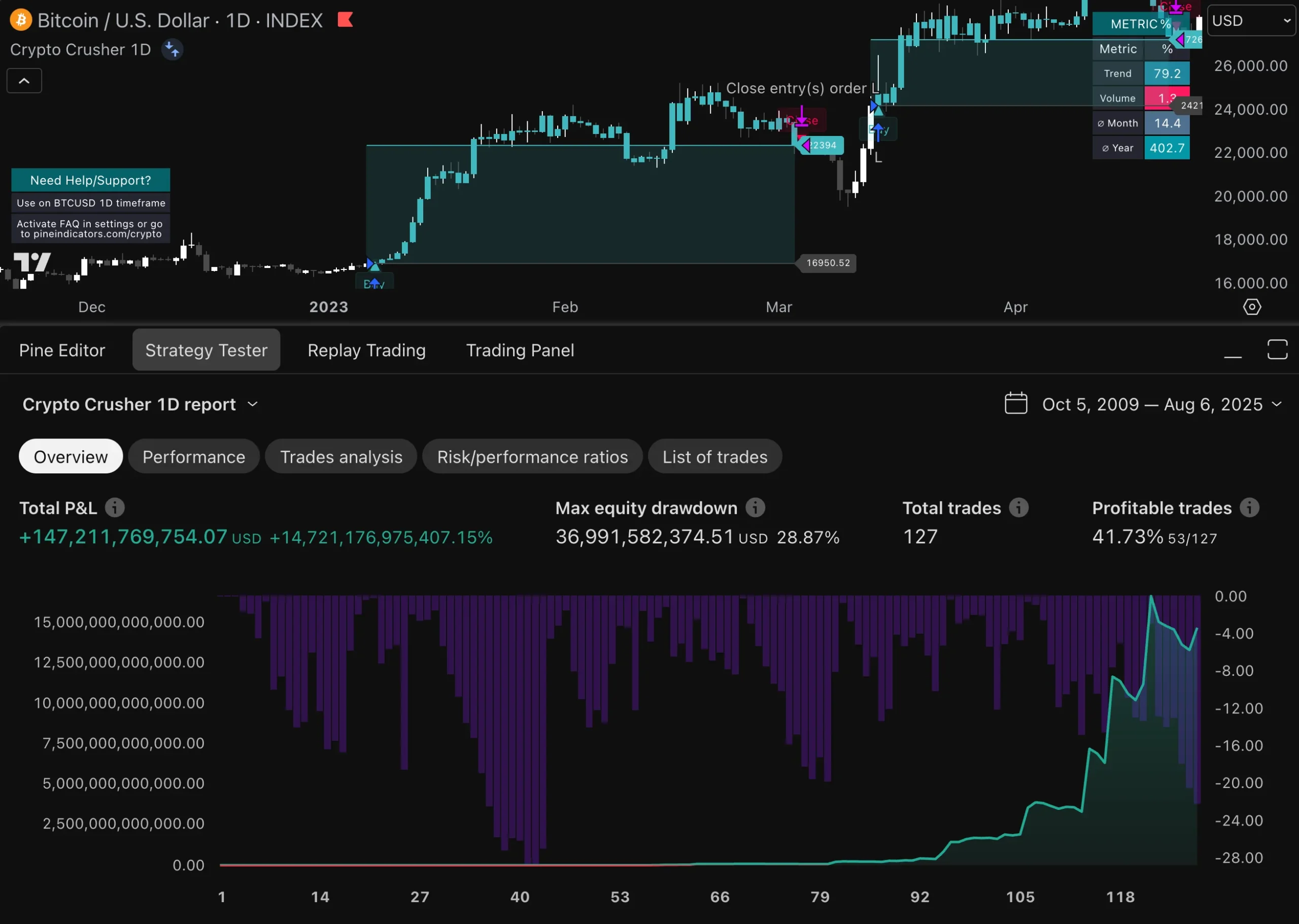
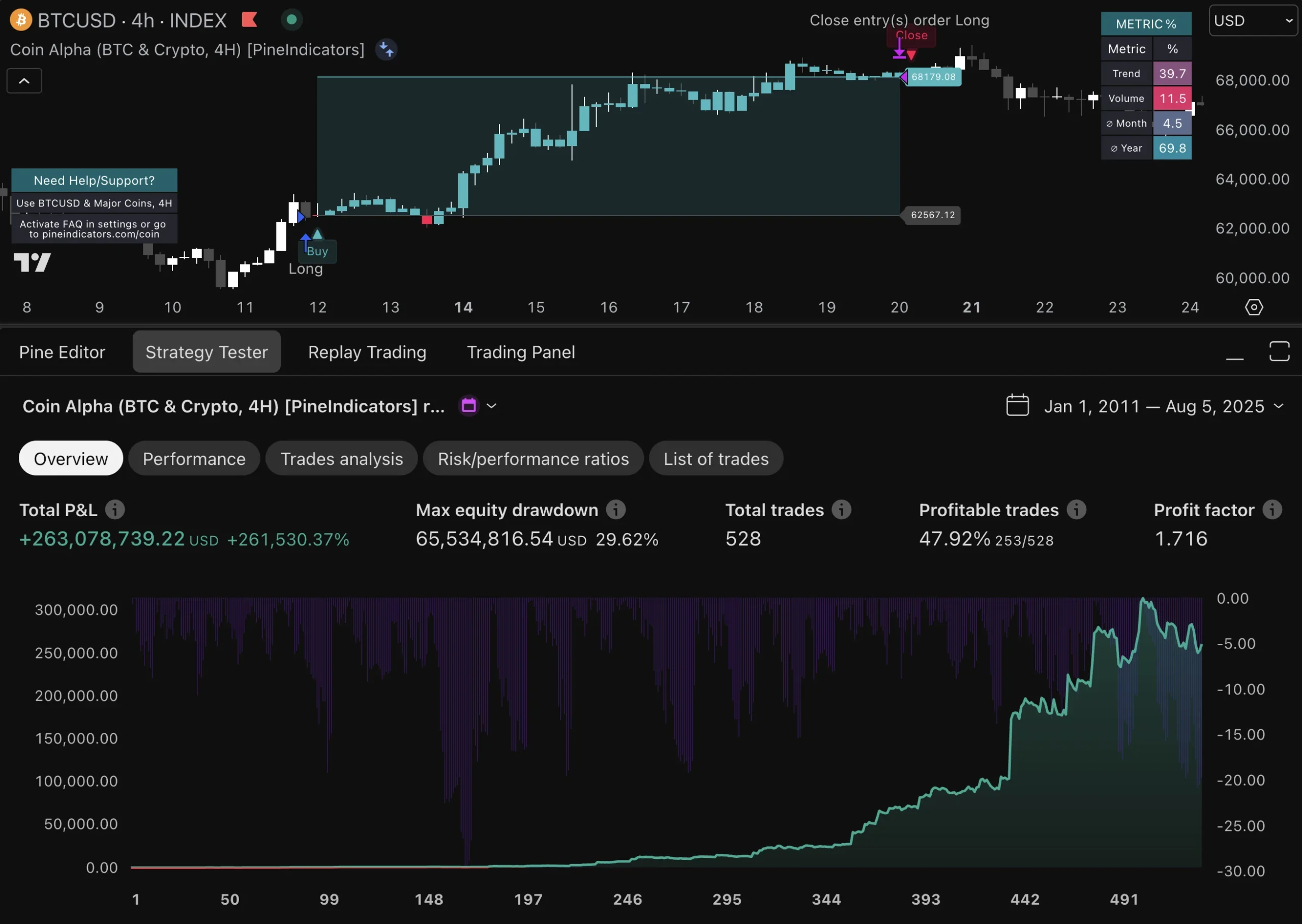
When evaluating the performance of breakout strategies, several key metrics come into play. One of the most fundamental metrics is the win rate, which measures the percentage of successful trades relative to the total number of trades executed. A high win rate may indicate that a strategy is effective; however, it must be considered alongside other metrics such as risk-reward ratio and average profit per trade.
The risk-reward ratio is another critical metric that assesses the potential reward relative to the risk taken on each trade. A favorable risk-reward ratio—typically greater than 1:2—suggests that the potential gains outweigh the risks involved. Additionally, metrics such as maximum drawdown and return on investment (ROI) provide further context regarding a strategy’s performance over time.
By analyzing these metrics collectively, traders can gain a comprehensive understanding of their breakout strategies’ effectiveness.
Tools and Techniques for Analyzing Breakout Strategy Performance

To effectively analyze breakout strategy performance, traders can leverage various tools and techniques that facilitate data collection and analysis. Trading platforms often come equipped with built-in analytics tools that allow users to track performance metrics in real-time. These tools can generate reports detailing win rates, average profits, and other relevant statistics that inform trading decisions.
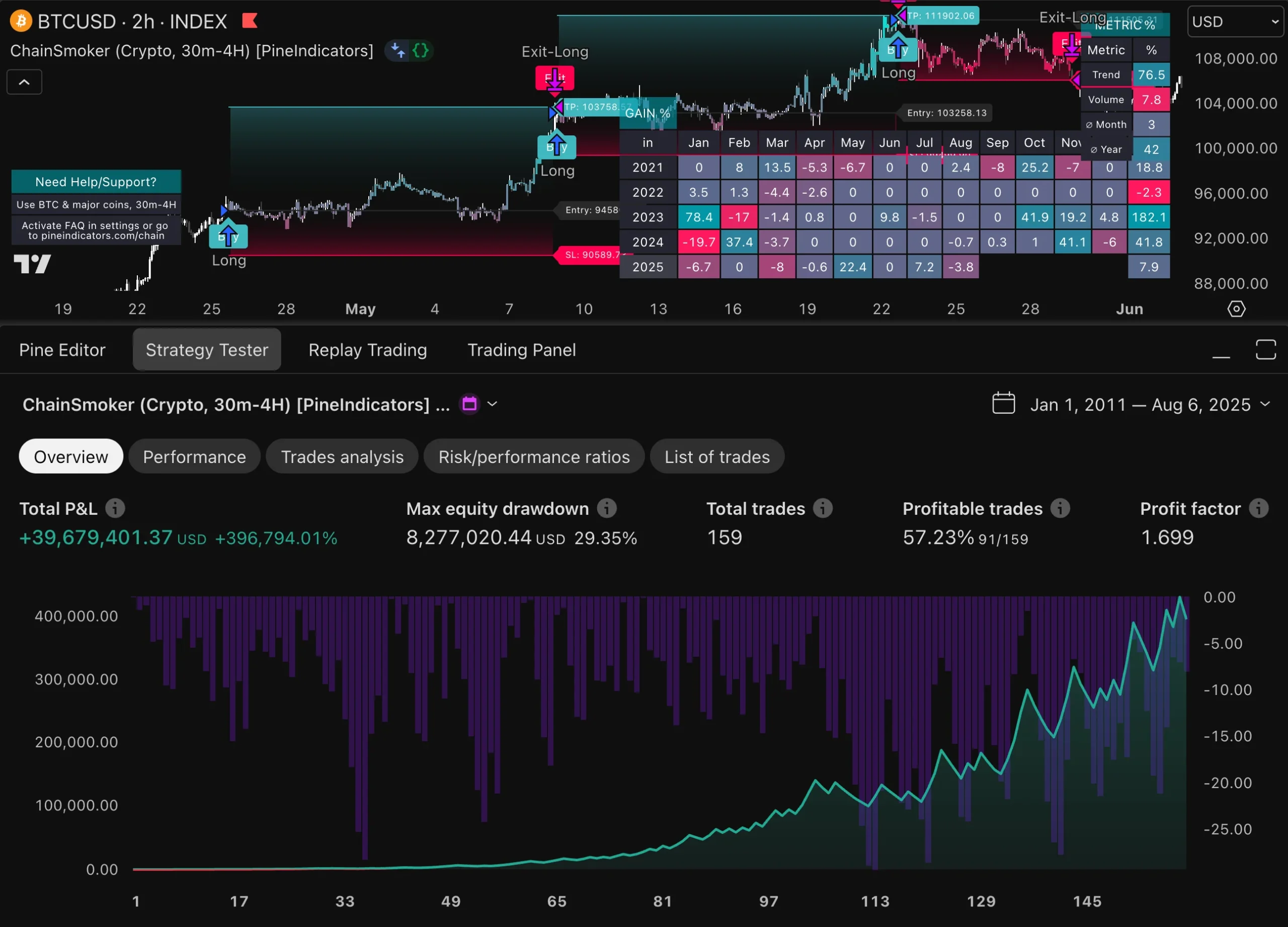
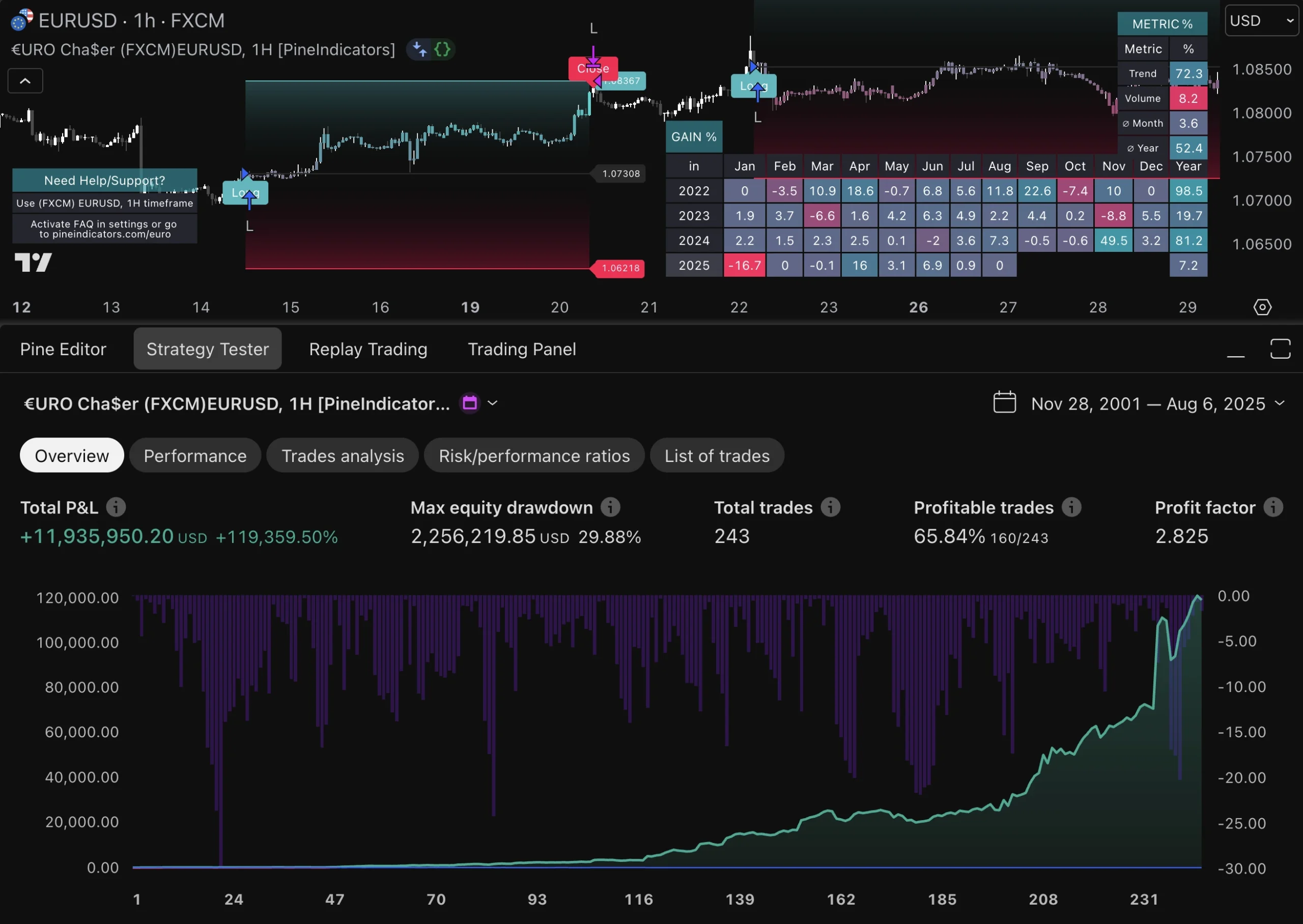
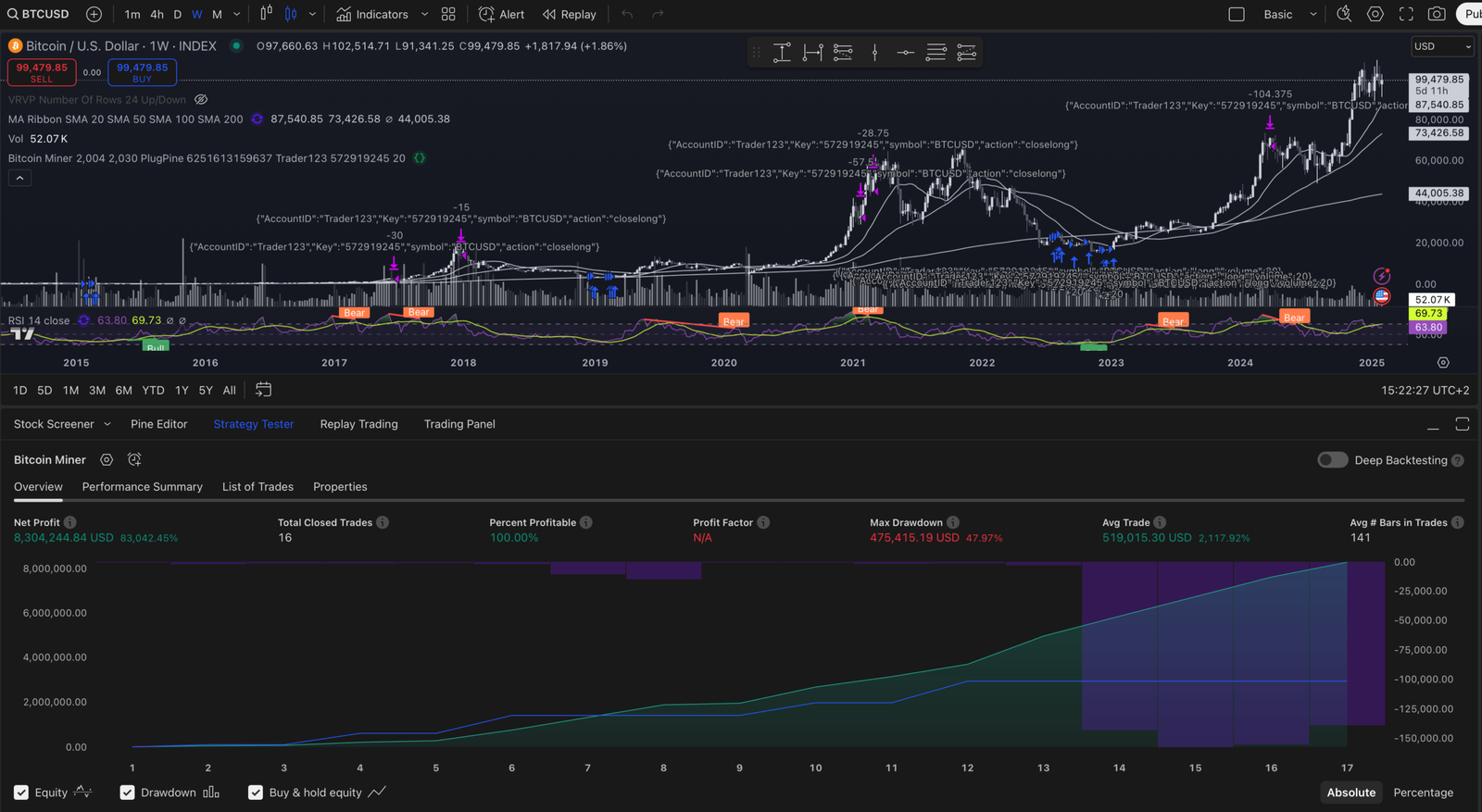
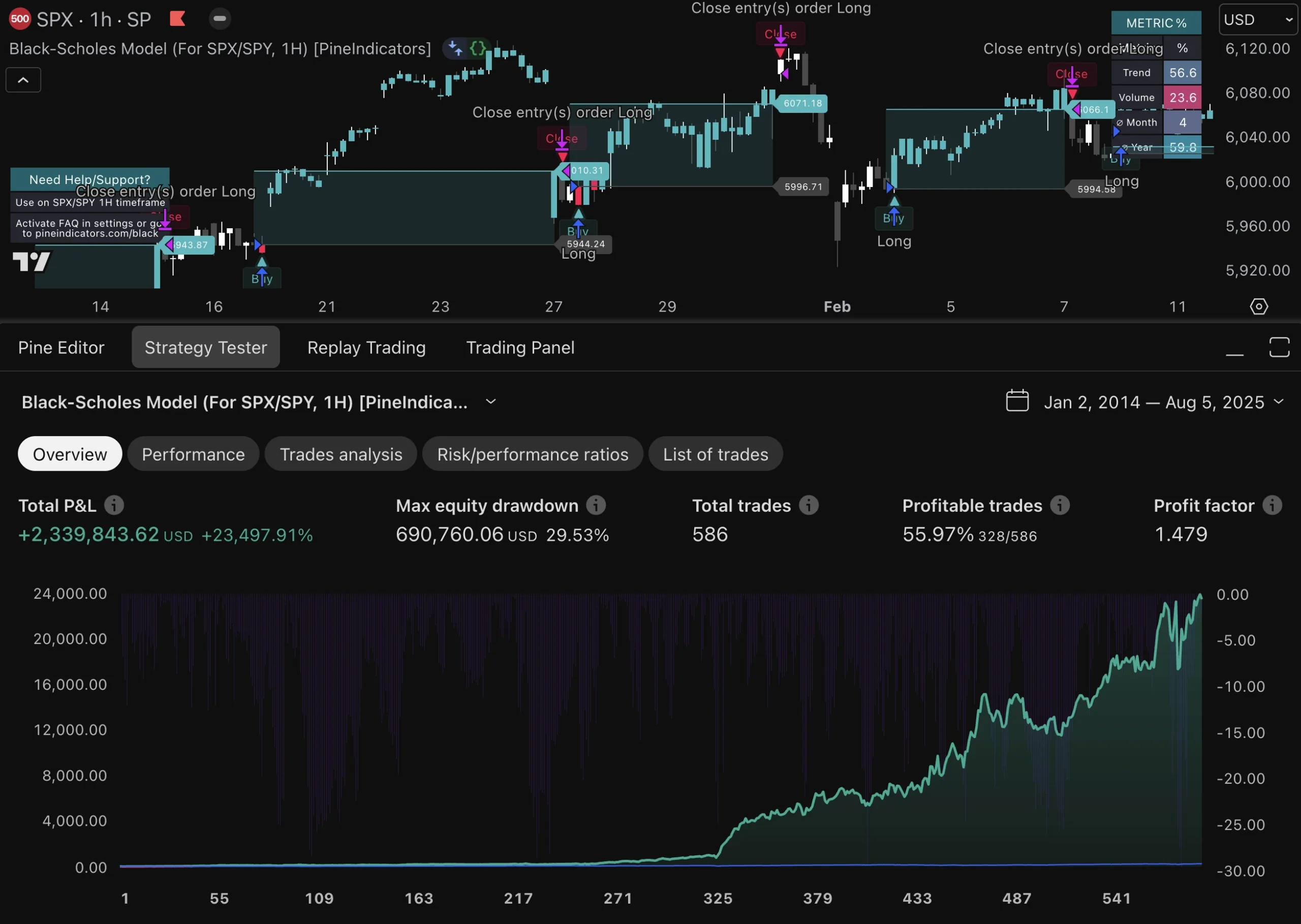
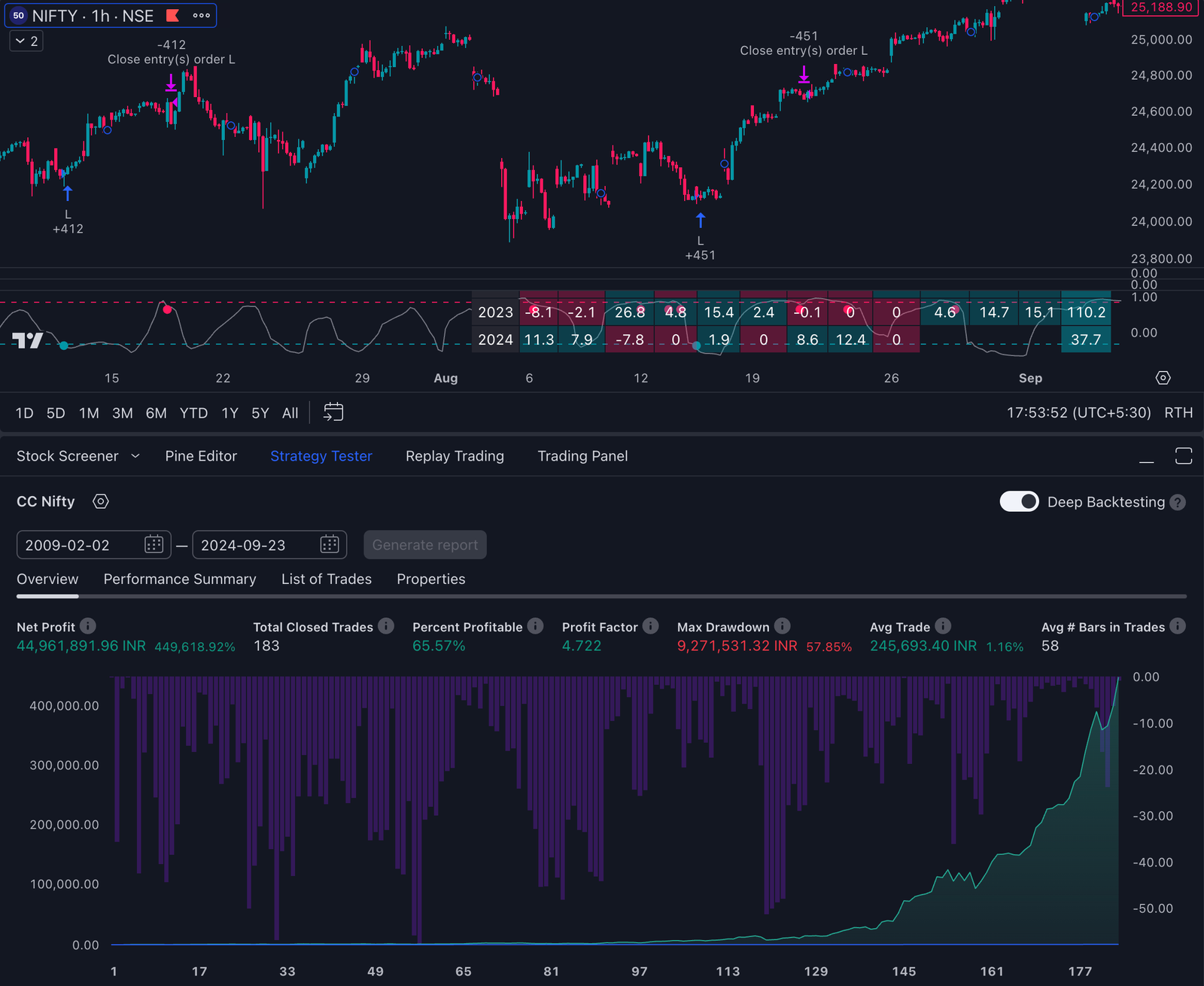
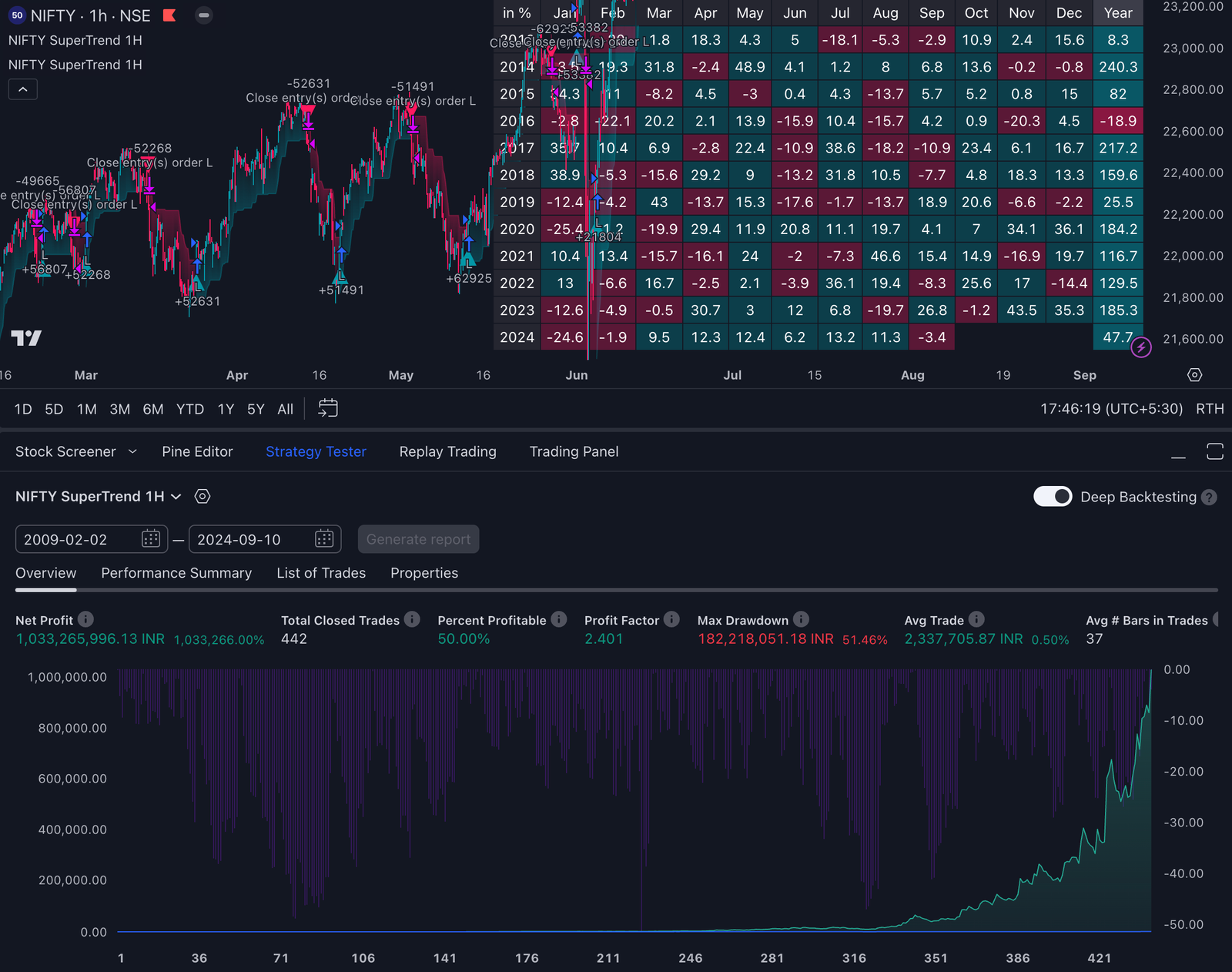
In addition to platform-specific tools, traders may also utilize spreadsheet software to conduct more in-depth analyses. By exporting trade data into spreadsheets, traders can create custom formulas and visualizations that highlight trends over time. For instance, plotting equity curves can help traders visualize their account growth or drawdowns over specific periods, providing valuable insights into their trading behavior and strategy effectiveness.
Common Pitfalls in Breakout Strategy Analysis
Despite the wealth of information available for analyzing breakout strategies, traders often fall victim to common pitfalls that can skew their understanding of performance. One prevalent issue is overfitting—a scenario where traders tailor their strategies too closely to historical data without considering future market conditions. While a strategy may appear highly effective based on past performance, it may fail to adapt to changing market dynamics.
Another common pitfall is neglecting to account for transaction costs and slippage when evaluating performance metrics. High-frequency trading or frequent entry and exit points can lead to significant costs that erode profits over time. Traders must ensure that their analyses incorporate these factors to obtain a more accurate picture of their strategy’s viability.
Case Studies of Successful Breakout Strategy Performance
Examining case studies of successful breakout strategies can provide valuable lessons for traders looking to enhance their own approaches. One notable example is the use of breakout strategies in cryptocurrency trading during 2017 when Bitcoin experienced unprecedented price surges following key resistance breakouts. Traders who identified these breakouts early on were able to capitalize on substantial gains as Bitcoin’s price soared from around $1,000 at the beginning of the year to nearly $20,000 by December.
Another illustrative case study involves stocks during earnings season. Companies often experience significant price movements following earnings announcements as investors react to results that exceed or fall short of expectations. Traders who employ breakout strategies around these announcements can benefit from sharp price movements as stocks break through established support or resistance levels based on earnings outcomes.
Evaluating Risk and Return in Breakout Strategy Performance
A thorough evaluation of risk and return is essential for understanding breakout strategy performance comprehensively. Traders must assess not only the potential rewards associated with successful breakouts but also the risks inherent in each trade. This evaluation often involves calculating metrics such as value at risk (VaR) and expected shortfall (ES), which help quantify potential losses under adverse market conditions.
Additionally, understanding the correlation between different assets can aid in risk assessment. For instance, if a trader employs multiple breakout strategies across various stocks within the same sector, they may inadvertently increase their exposure to sector-specific risks. Diversifying across uncorrelated assets can mitigate this risk while still allowing traders to capitalize on breakout opportunities.
Adjusting and Optimizing Breakout Strategies for Better Performance
To enhance the performance of breakout strategies, traders must remain adaptable and willing to make adjustments based on ongoing analysis and market conditions. This may involve refining entry and exit criteria or incorporating additional indicators that provide confirmation signals for breakouts. For example, integrating momentum indicators such as the Relative Strength Index (RSI) or Moving Average Convergence Divergence (MACD) can help traders filter out false breakouts by confirming bullish or bearish momentum.
Moreover, backtesting plays a crucial role in optimizing breakout strategies before deploying them in live markets. By simulating trades based on historical data, traders can assess how their strategies would have performed under various market conditions. This process allows for fine-tuning parameters such as stop-loss levels and profit targets to maximize overall performance while minimizing risk exposure.
Conclusion and Recommendations for Improving Breakout Strategy Performance
Improving breakout strategy performance requires a multifaceted approach that encompasses thorough analysis, ongoing education, and adaptability to changing market conditions. Traders should prioritize continuous learning by staying informed about market trends and developments that may impact their strategies. Engaging with trading communities or forums can also provide valuable insights from fellow traders who share similar interests in breakout strategies.
Additionally, maintaining a disciplined approach to risk management is paramount for long-term success in trading breakouts. By setting clear risk parameters and adhering to them consistently, traders can protect their capital while pursuing profitable opportunities in dynamic markets. Ultimately, a commitment to ongoing analysis and optimization will empower traders to enhance their breakout strategy performance over time.
In the realm of trading, understanding the effectiveness of various strategies is crucial for success. A related article that delves into the evaluation of trading strategies is available at Trading Strategy Evaluation Techniques. This resource provides valuable insights into how to assess the performance of different trading strategies, including breakout strategies, and offers techniques that can enhance your trading approach.
FAQs
What is a breakout strategy in trading?
A breakout strategy is a trading approach that involves entering a position when the price moves beyond a defined support or resistance level, indicating a potential strong price movement in the breakout direction.
How is breakout strategy performance typically measured?
Performance is usually measured by metrics such as win rate, risk-reward ratio, average return per trade, drawdown, and overall profitability over a specific period.
What factors influence the success of a breakout strategy?
Key factors include market volatility, the accuracy of breakout signals, the timeframe used, risk management techniques, and the presence of false breakouts or market noise.
Are breakout strategies suitable for all markets?
Breakout strategies can be applied to various markets including stocks, forex, commodities, and cryptocurrencies, but their effectiveness may vary depending on market conditions and liquidity.
What are common pitfalls in breakout strategy performance?
Common issues include false breakouts, overtrading, poor risk management, and failure to adapt to changing market environments.
How can traders improve the performance of breakout strategies?
Traders can improve performance by combining breakout signals with other technical indicators, using proper stop-loss orders, backtesting strategies, and adjusting parameters based on market conditions.
Is backtesting important for breakout strategy analysis?
Yes, backtesting allows traders to evaluate how a breakout strategy would have performed historically, helping to identify strengths and weaknesses before applying it in live trading.
Can breakout strategies be automated?
Yes, many traders use algorithmic trading systems to automate breakout strategies, enabling faster execution and consistent application of predefined rules.