Automating your trading alerts can completely change how you make decisions in the market. Most people think setting up alerts just means picking a price target and getting pinged on your phone. Yet automated alert systems can track dozens of indicators at once and identify high-probability setups with pinpoint accuracy. The wild part is that the most powerful trading edge comes from how you design and test your alerts, not just how fast you get the notifications.
| Key Point | Explanation |
|---|---|
| 1. Define Your Trading Goals Clearly | Establish specific, measurable goals to drive your automated trading alerts. Focus on risk tolerance and investment timelines. |
| 2. Choose a Trading Platform Wisely | Select a platform with strong API integration, advanced alert customization, and support for your chosen asset classes. |
| 3. Set Up Multi-Conditional Alerts | Design alerts that include multiple criteria, enhancing precision and reducing false signals based on your trading strategy. |
| 4. Conduct Extensive Testing | Use paper trading and backtesting to validate and fine-tune your automation system, assessing its performance under various scenarios. |
| 5. Monitor and Adjust Alerts Continuously | Regularly review and refine your alerts based on performance metrics and changing market conditions to maintain effectiveness. |
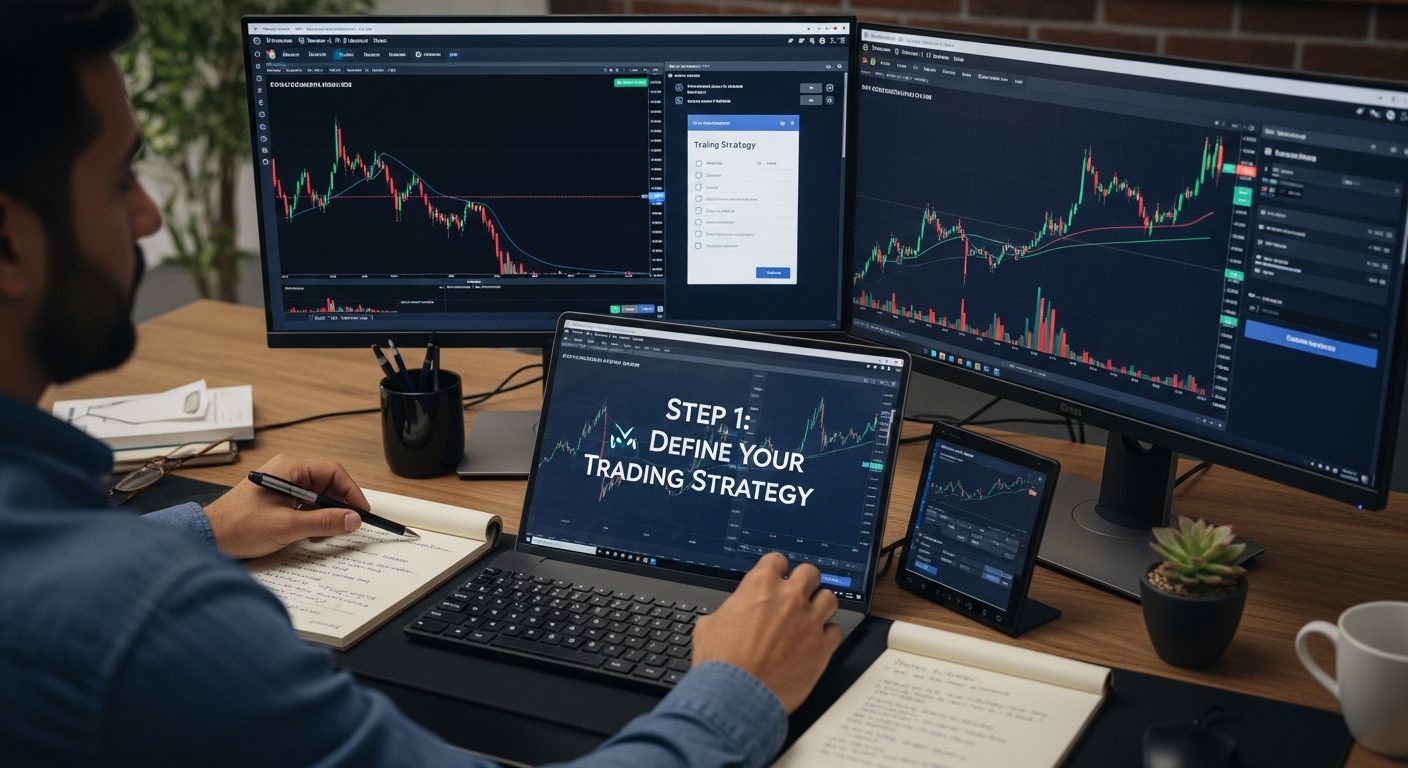
Defining a clear trading strategy and goals is the foundational step in automating your trading alerts. This critical phase determines the entire trajectory of your automated trading approach. Your strategy acts as a blueprint that guides your alert system, ensuring precision and alignment with your financial objectives.
Begin by conducting a comprehensive self-assessment of your trading profile. Consider your risk tolerance, available capital, investment timeline, and preferred market instruments. Are you a day trader focused on short-term cryptocurrency movements? Or perhaps a long-term stock investor seeking steady portfolio growth? Understanding your unique financial landscape helps craft a targeted strategy.
Next, articulate specific, measurable goals that will drive your automated alert system. These goals might include achieving a particular percentage return, maintaining a specific risk-to-reward ratio, or protecting your portfolio against potential market downturns. Research from arXiv demonstrates that well-defined trading strategies utilizing deep reinforcement learning can significantly optimize investment decisions.
Your strategy should encompass multiple critical components. Determine precise entry and exit conditions for trades, identifying key technical indicators or fundamental analysis metrics that will trigger your alerts. Decide whether you want alerts based on moving average crossovers, relative strength index (RSI) thresholds, volume changes, or more complex algorithmic signals.
Consider developing multiple strategy variations to accommodate different market conditions. A robust trading alert system should be adaptable, with preset rules for bullish, bearish, and ranging markets. This flexibility allows your automated system to respond intelligently to changing market dynamics without constant manual intervention.
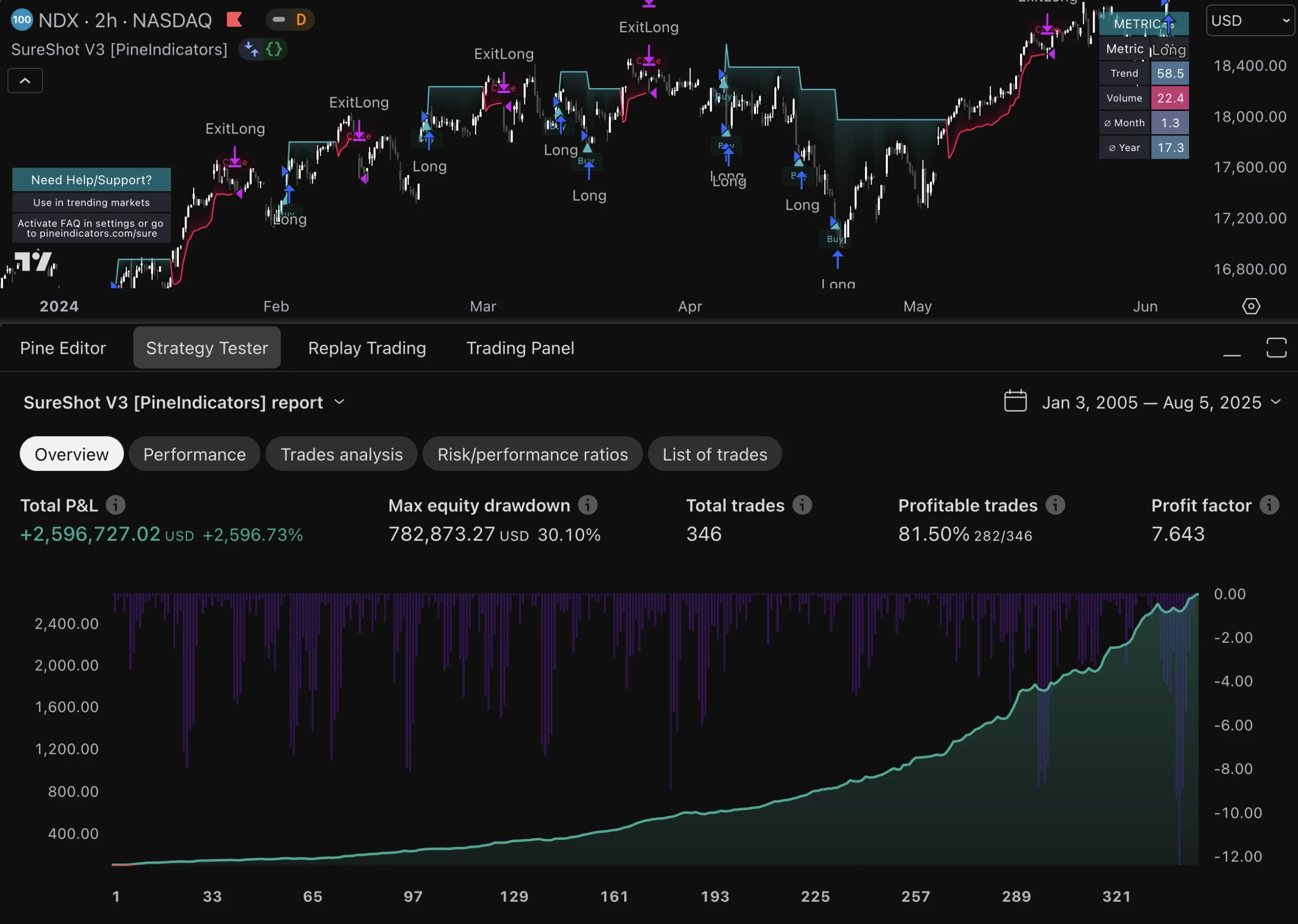
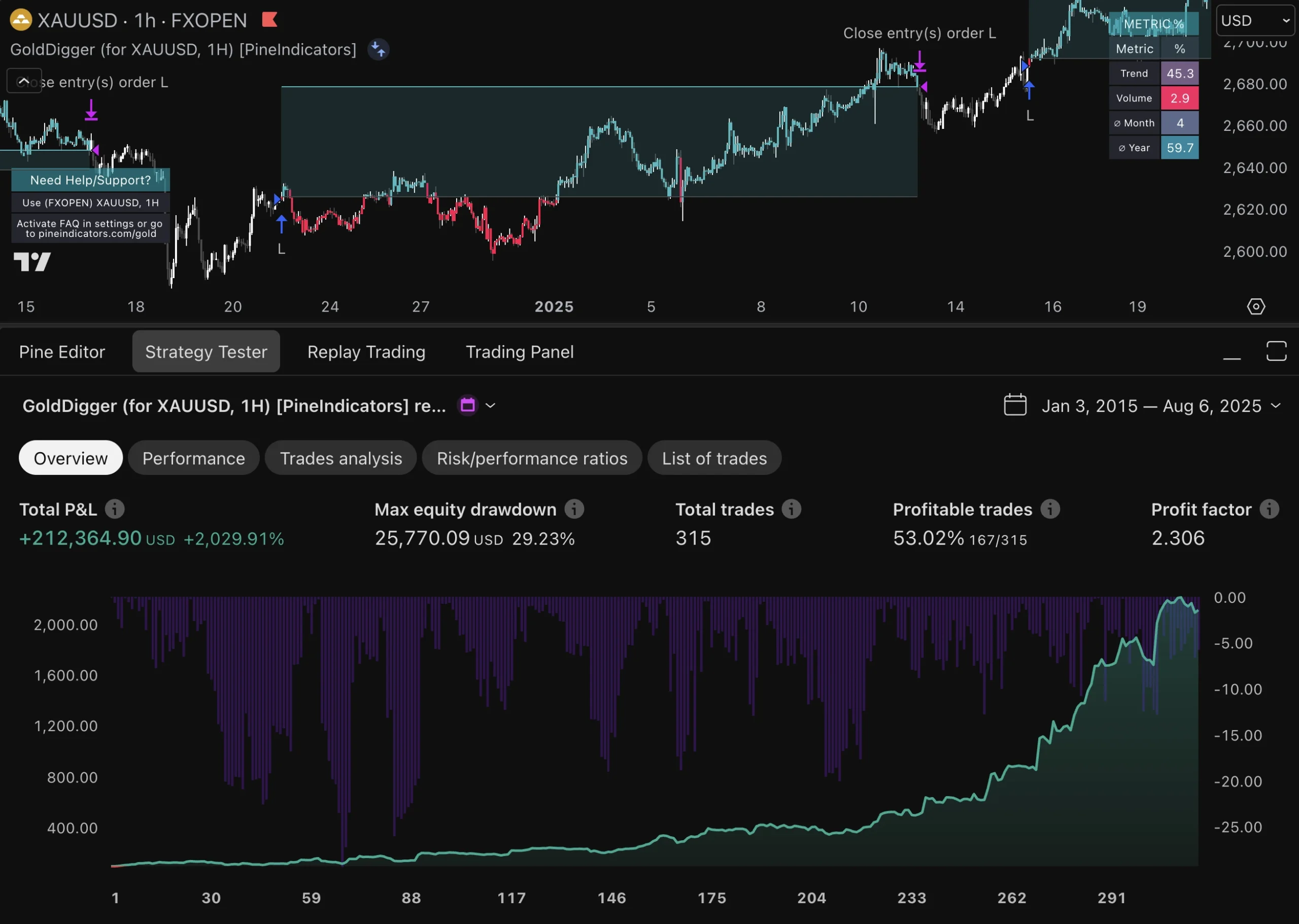
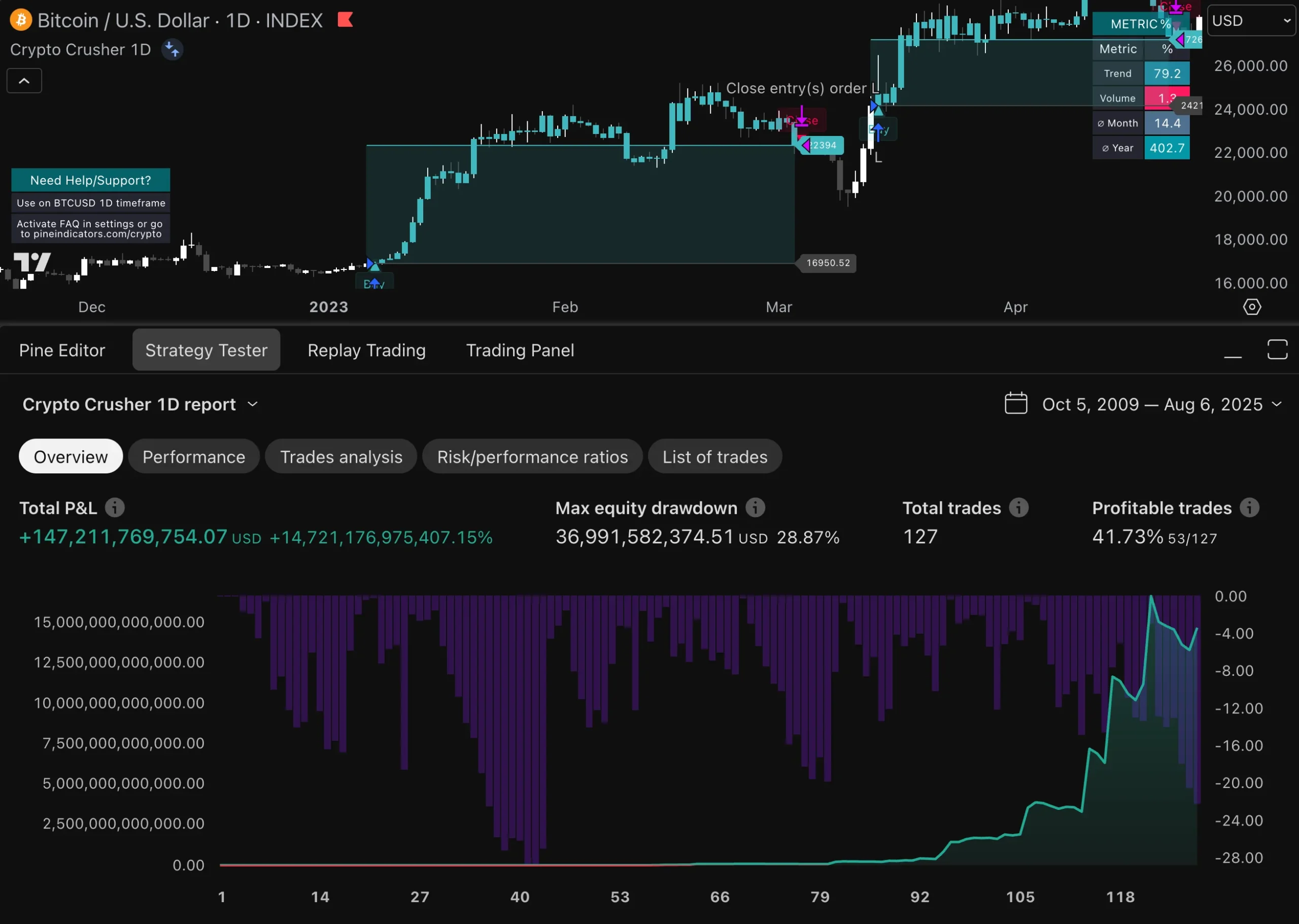
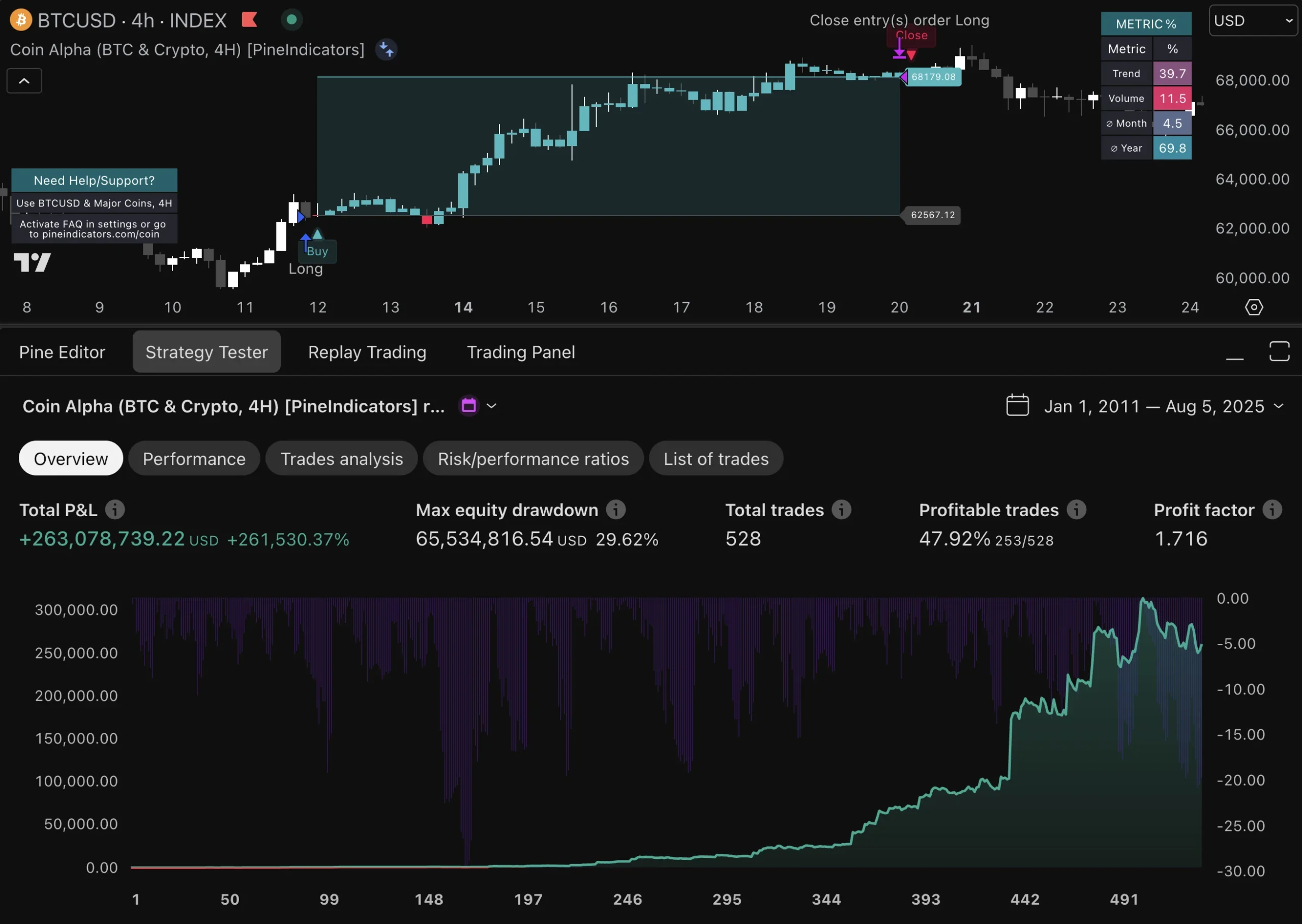
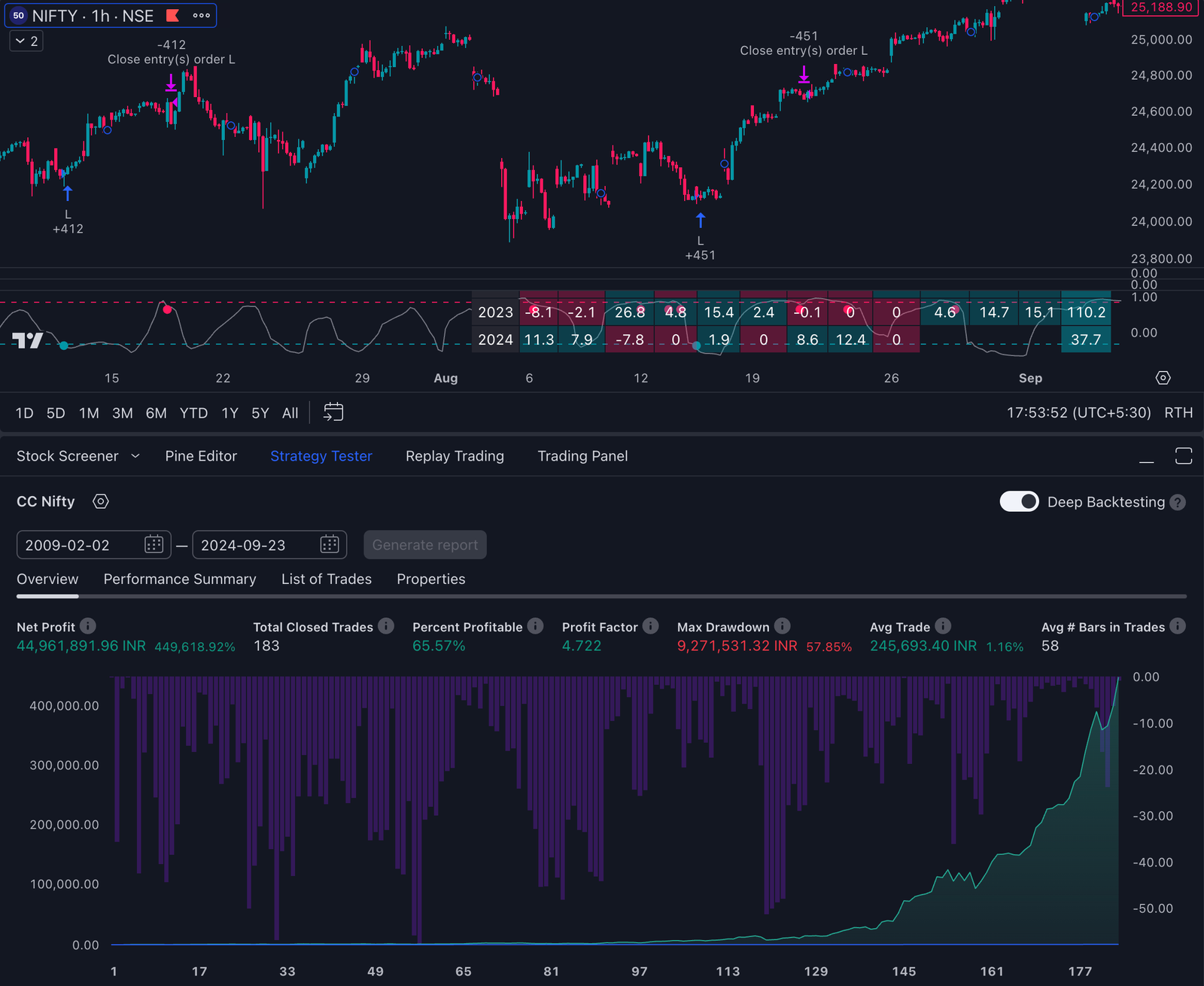
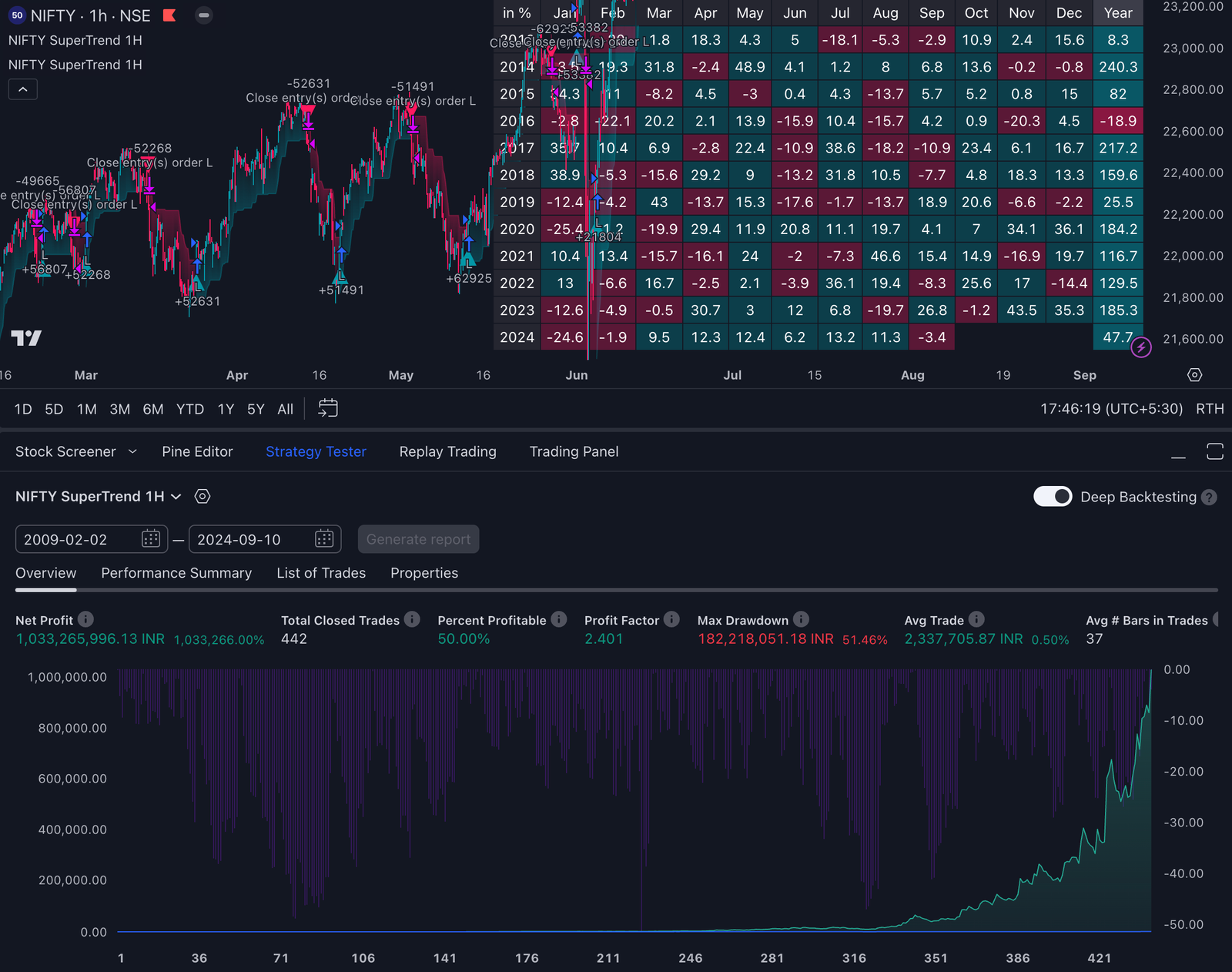
Finally, validate your strategy through comprehensive backtesting. Use historical market data to simulate how your alert parameters would have performed in past market scenarios. This crucial step helps refine your approach, identifying potential weaknesses and confirming the strategy’s fundamental soundness before deploying real capital.
Successful completion of this step means you have a clear, documented trading strategy with well-defined goals, specific trigger conditions, and a validated approach ready for automated implementation.
Selecting the right trading platform and tools is a pivotal moment in automating your trading alerts. This step transforms your trading strategy from a theoretical concept into a practical, executable system. The platform you choose will become the technological backbone of your entire trading automation process.
Start by evaluating platforms that offer robust API integrations and advanced alert customization features. Popular platforms like TradingView, MetaTrader, and Interactive Brokers provide comprehensive automation capabilities that can seamlessly translate your predefined strategy into actionable alerts. Look for platforms that support multiple asset classes matching your trading goals, whether you’re focused on stocks, cryptocurrencies, forex, or diverse market instruments.
Research examining automated trading systems reveals the critical importance of selecting platforms with flexible technological infrastructures. Your chosen platform should offer sophisticated technical analysis tools, real-time data feeds, and the ability to create custom alert triggers based on complex conditions.
Consider the programming languages and scripting capabilities of your selected platform. Some traders prefer platforms with native scripting languages like Pine Script for TradingView, which allows intricate strategy development. Others might opt for platforms supporting Python or JavaScript integrations, providing more extensive programming flexibility.
Evaluate the platform’s alert notification mechanisms carefully. Effective automated trading relies on instantaneous, reliable alert delivery. Ensure your platform can send alerts through multiple channels such as email, SMS, mobile push notifications, and webhook integrations. This multi-channel approach guarantees you never miss critical trading opportunities, regardless of your current location or active device.
Pricing and cost structure represent another crucial consideration. While some platforms offer free basic alert services, advanced automation features often require paid subscriptions. Compare pricing tiers, looking beyond initial costs to assess long-term value. Factor in potential additional expenses like data feed subscriptions, API connection fees, and potential transaction costs associated with your trading strategy.
Before finalizing your platform selection, conduct thorough testing. Most reputable platforms provide demo accounts or paper trading environments where you can simulate your automated alert system without risking real capital. Use these testing environments to validate the platform’s performance, alert responsiveness, and compatibility with your specific trading strategy.
Successful completion of this step means you have selected a trading platform with comprehensive automation capabilities, tested its functionality, and confirmed its alignment with your unique trading objectives.
Here is a comparison of popular trading platforms to help you evaluate which features align best with your automation needs.
| Platform | API Integration | Alert Customization | Supported Asset Classes | Programming Support |
|---|---|---|---|---|
| TradingView | Yes | Advanced | Stocks, Crypto, Forex | Pine Script |
| MetaTrader (4/5) | Yes | Advanced | Forex, Stocks, Commodities | MQL4/MQL5 |
| Interactive Brokers | Yes | Advanced | Stocks, ETFs, Options, Forex | Python, Java, C++, REST |
| Thinkorswim | Limited | Moderate | Stocks, Options, Futures | thinkScript |
| NinjaTrader | Yes | Advanced | Futures, Forex, Stocks | NinjaScript (C#) |
Transforming your trading strategy into precise, actionable alerts requires meticulous configuration and a deep understanding of your platform’s alert mechanisms. This step is where your trading strategy transitions from conceptual planning to technological execution.
Begin by mapping out your specific alert triggers with extraordinary precision. Each alert should represent a clear, unambiguous signal derived directly from your predefined trading strategy. Consider the granular details that will determine when an alert fires, such as specific price thresholds, technical indicator crossovers, percentage changes, or volume-based conditions.
Research examining advanced trading systems highlights the importance of developing sophisticated, context-aware alert mechanisms. Your alert setup must go beyond simple price notifications, incorporating multiple layers of conditions that reflect the nuanced decision-making process of a seasoned trader.
Utilize your trading platform’s advanced alert configuration tools to create multi-conditional triggers. For instance, you might design an alert that only triggers when a stock simultaneously crosses its 50-day moving average, experiences a specific volume surge, and meets predetermined relative strength index (RSI) parameters. This layered approach ensures you receive alerts only for high-probability trading opportunities.
Carefully select your alert delivery methods to match your trading style and personal preferences. Some traders prefer immediate SMS notifications for urgent signals, while others might opt for email summaries or webhook integrations that can directly interact with trading execution platforms. Consider setting up redundant notification channels to guarantee you never miss a critical trading signal.
Implement robust risk management parameters within your alert configuration. Set clear thresholds that prevent alert fatigue or potential overtrading. This might involve creating minimum time intervals between alerts, establishing maximum daily alert limits, or configuring alerts that only trigger during specific market hours or under precise market conditions.
Test your alert configuration extensively in a simulated environment before deploying with real capital. Most advanced trading platforms offer paper trading or backtesting features that allow you to validate your alert mechanisms against historical market data. This critical validation step helps identify potential configuration weaknesses and ensures your alerts perform consistently across different market scenarios.
Finally, establish a systematic review process for your alert configuration. Markets evolve continuously, and your alert system should remain adaptable. Schedule regular review intervals to assess the performance of your alerts, making incremental adjustments based on real-world performance and changing market dynamics.
Successful completion of this step means you have a precisely configured, multi-conditional alert system that transforms your trading strategy into an automated, intelligent monitoring mechanism.
Testing your automation system represents a critical checkpoint that determines the reliability and effectiveness of your trading strategy. This phase transforms your theoretical approach into a validated, performance-proven mechanism that can confidently execute trades and generate alerts with minimal human intervention.
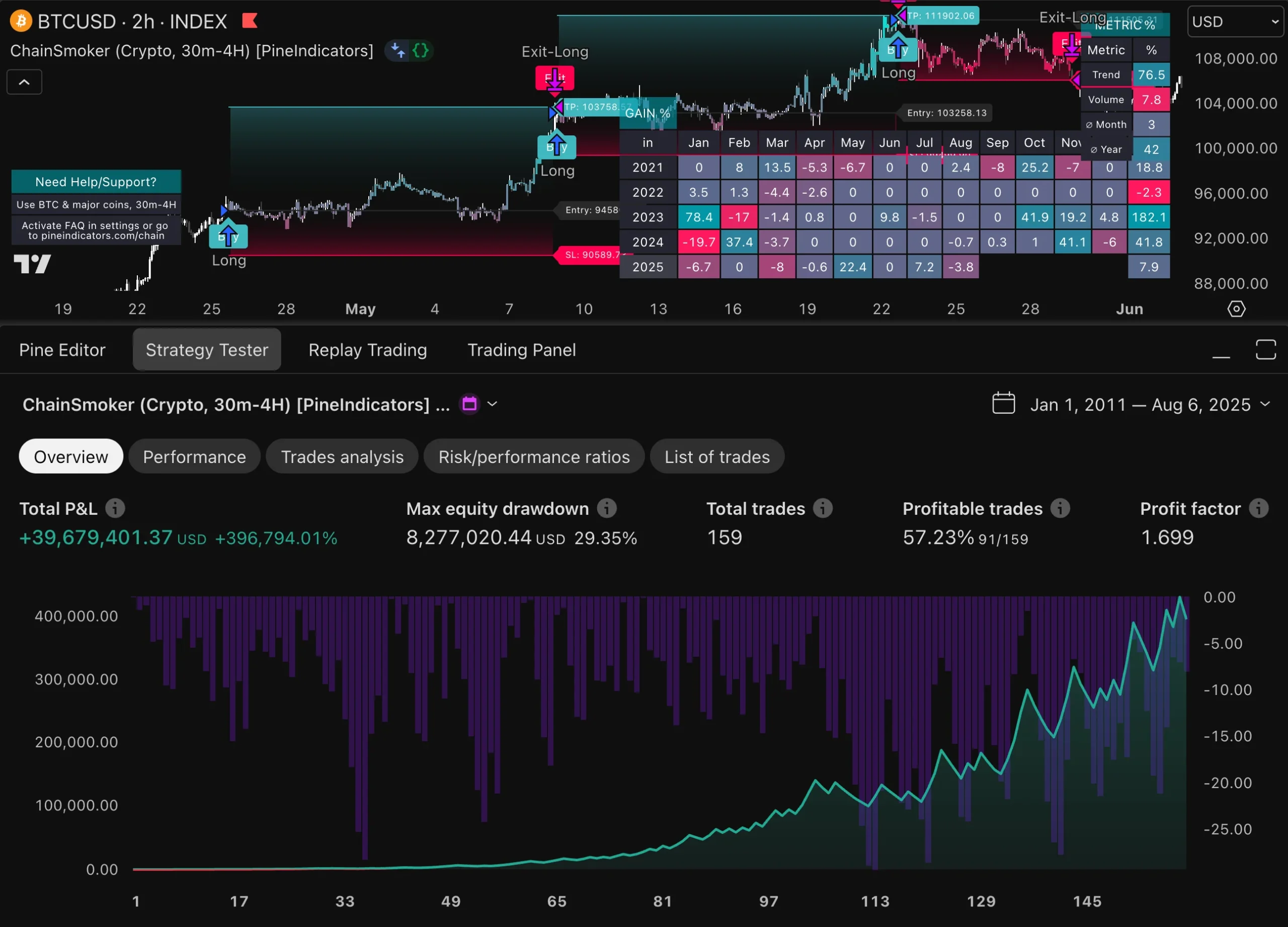
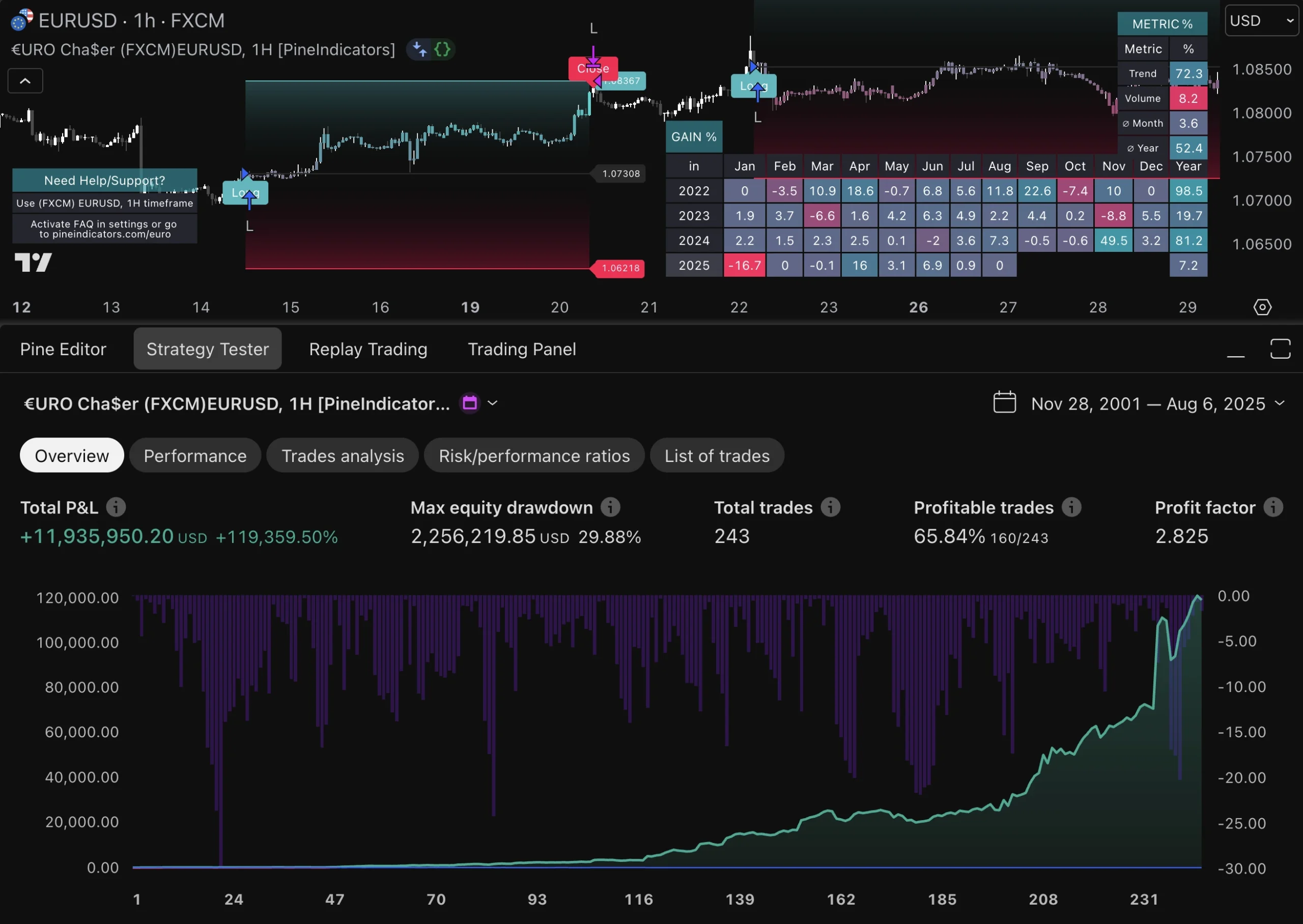
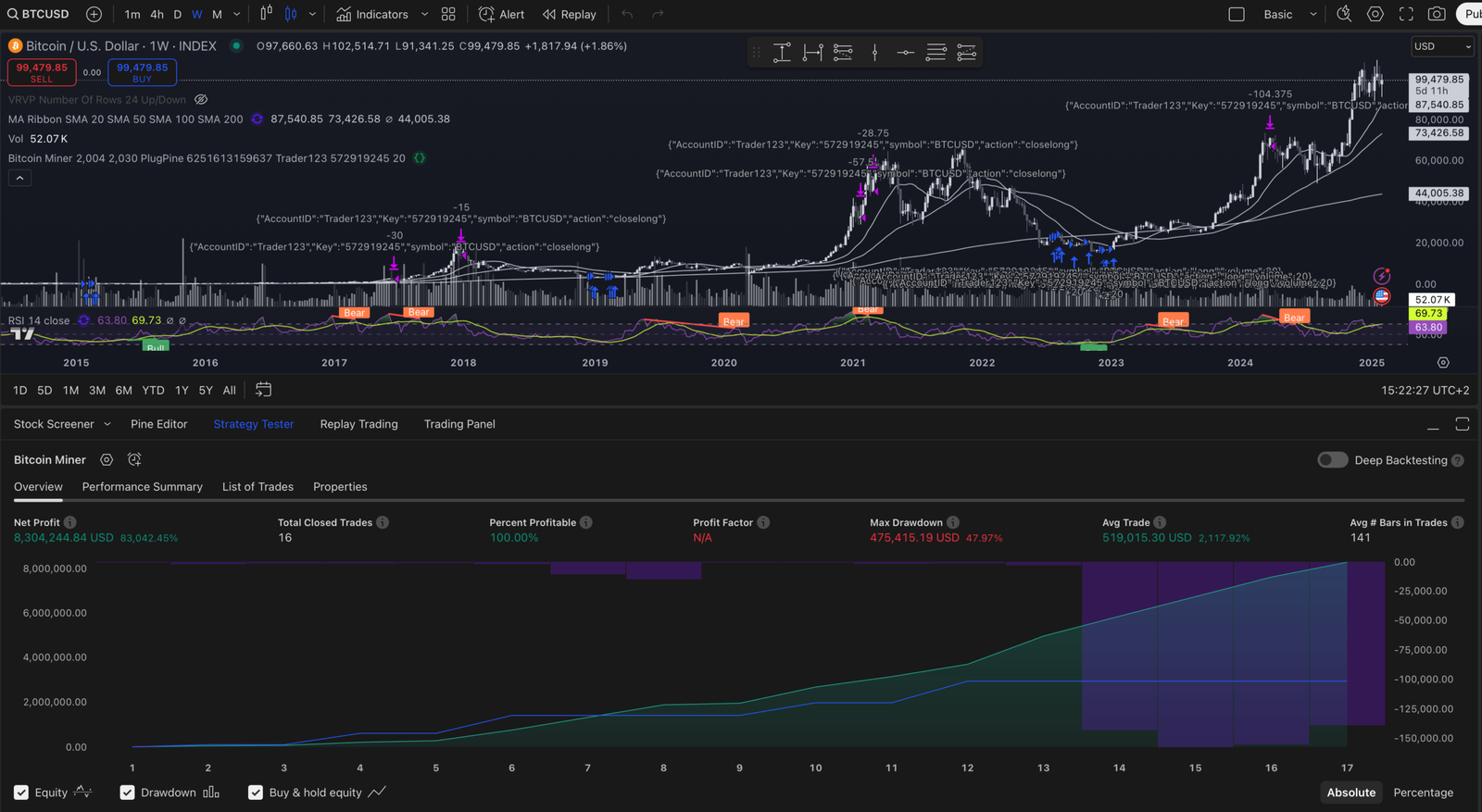
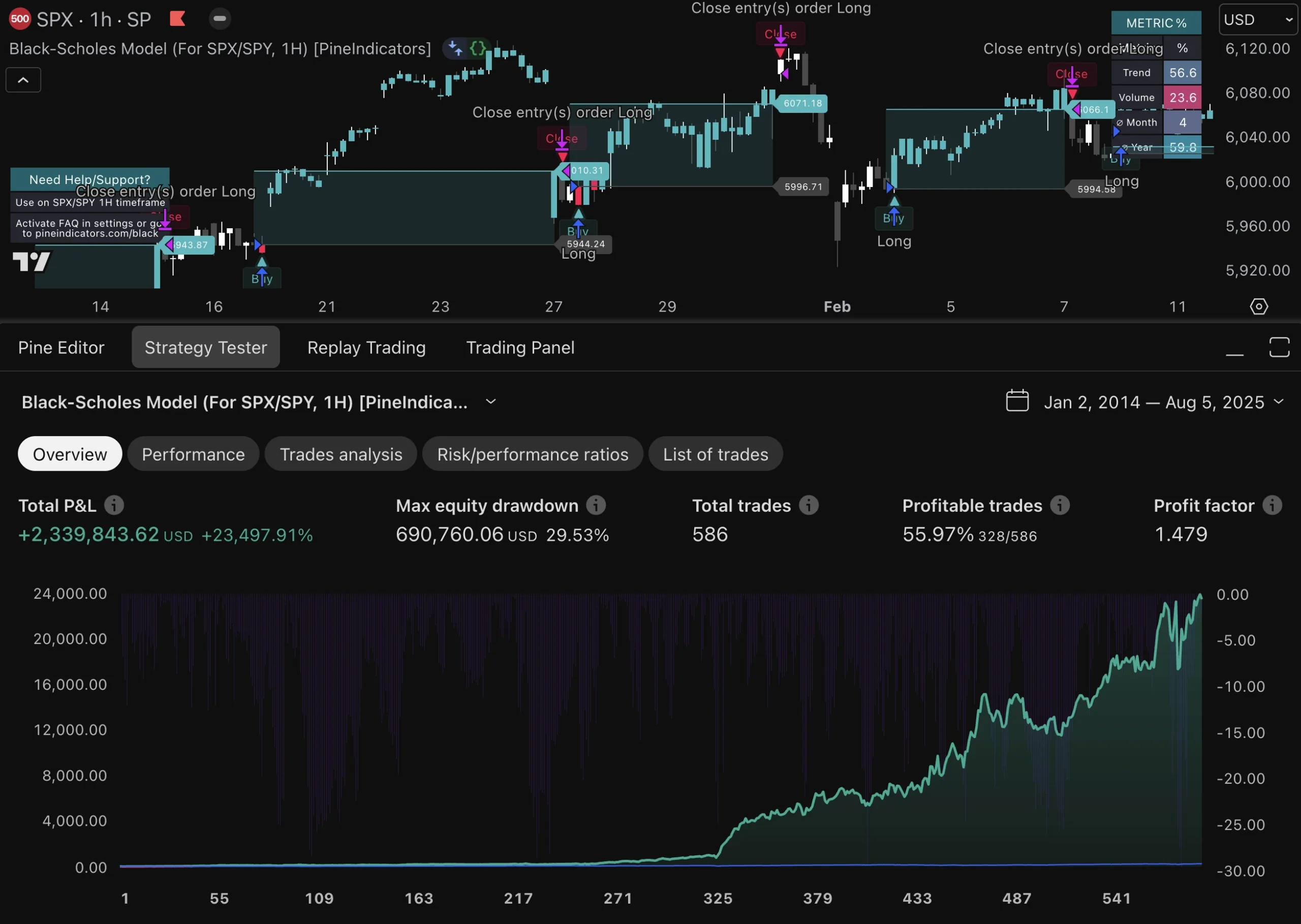
Begin by leveraging your platform’s paper trading or backtesting capabilities to simulate your automation system across various market conditions. Historical market data provides an invaluable sandbox for understanding how your alert triggers and trading rules would have performed in past scenarios. Focus on analyzing performance metrics beyond simple profit potential, examining drawdown levels, win-to-loss ratios, and consistency of returns.
Simulation-based evaluation methods offer robust frameworks for assessing automated trading strategies with minimal abstract complexity. Create multiple test scenarios that deliberately challenge your system, including volatile market periods, sideways trading conditions, and unexpected market shifts.
Implement a comprehensive stress testing approach that examines your system’s behavior under extreme market conditions. Your automation system must demonstrate resilience, maintaining logical decision-making processes even when confronted with significant market volatility or unexpected price movements. Simulate scenarios involving sudden price gaps, high-volume trading events, and rapid market sentiment changes.
Carefully document and analyze the results of your testing phase. Generate detailed performance reports that track key performance indicators, including total returns, maximum drawdown, Sharpe ratio, and trade frequency. Compare these metrics against your original strategy objectives, identifying any discrepancies or areas requiring refinement.
Consider introducing incremental variations to your testing parameters. Adjust input variables such as technical indicator settings, risk management thresholds, and alert sensitivity to understand how small changes impact overall system performance. This iterative testing approach helps you develop a more robust and adaptable automation strategy.
Utilize statistical validation techniques to ensure your results are not merely products of random market fluctuations. Calculate confidence intervals, conduct Monte Carlo simulations, and apply rigorous statistical tests that confirm the statistical significance of your automation system’s performance.
Establish a systematic review process that continues beyond initial testing. Markets evolve continuously, and your automation system must remain dynamic. Schedule regular performance reviews, maintaining a log of system behavior, alert accuracy, and potential optimization opportunities.
Successful completion of this step means you have a thoroughly tested automation system with documented performance metrics, validated across multiple market scenarios, and ready for controlled real-world implementation.
Monitoring and adjusting your trading alerts represents the ongoing refinement process that transforms a good automated trading system into an exceptional one. This critical step ensures your alerts remain responsive, accurate, and aligned with dynamic market conditions.
Establish a systematic performance tracking mechanism that goes beyond simple profit calculations. Analyze the precision of your alerts by examining metrics such as alert frequency, false positive rates, and the time between alert generation and potential trade execution. Create a comprehensive performance dashboard that provides real-time insights into your system’s effectiveness.
Research on algorithmic trading emphasizes the importance of real-time monitoring to identify and address potential performance inefficiencies. Develop a proactive approach that allows for immediate intervention when your alert system shows signs of deviation from expected performance parameters.
Implement a structured review process with different time horizons. Conduct daily quick checks to identify immediate anomalies, weekly deep-dive analyses to assess broader performance trends, and monthly comprehensive evaluations that provide strategic insights for potential system modifications. Consistency in monitoring is key to maintaining an efficient automated alert system.
Pay close attention to changing market dynamics that might impact your alert triggers. Economic events, sector-specific shifts, and broader market volatility can render previously effective alert conditions less reliable. Your monitoring process should include contextual analysis that goes beyond raw numerical performance, considering the broader market environment in which your alerts operate.
Create a flexible adjustment protocol that allows for incremental modifications to your alert system. This might involve fine-tuning technical indicator settings, adjusting sensitivity thresholds, or introducing additional confirmation conditions that reduce false alert generation. The goal is continuous optimization without complete system overhaul.
Utilize advanced statistical techniques to validate the significance of your performance observations. Implement methods like rolling window analysis and comparative benchmarking to ensure that any proposed changes are supported by robust statistical evidence rather than temporary market fluctuations.
Maintain a detailed log of all modifications, tracking the specific changes made, the rationale behind them, and their subsequent impact on system performance. This documentation becomes an invaluable resource for understanding your system’s evolution and making informed decisions about future adjustments.
Successful completion of this step means you have established a dynamic, responsive monitoring system that continuously validates and refines your trading alerts, ensuring they remain effective in an ever-changing market landscape.
This checklist provides key actions to verify your trading alert automation system is properly configured and maintained for optimal performance.
| Checklist Item | Completion Criteria |
|---|---|
| Document your trading strategy | Written plan with clear objectives and rules |
| Validate alert criteria using backtesting | Alerts trigger as expected on historical data |
| Test alerts in simulated environment | Paper trading confirms real-time alert functionality |
| Monitor alert frequency and accuracy | Review stats on false positives/negatives |
| Establish review and adjustment schedule | Daily, weekly, and monthly checks implemented |
| Log system modifications and observed outcomes | All changes and impacts clearly documented |
Still struggling to define precise trading strategies, set up reliable alerts, or avoid missed signals? The biggest challenge in automating your trading alerts often comes down to having a tested, professional system that works consistently across real market conditions. Without solid strategies or trustworthy indicators, your automation can fail at the most critical moments, costing you time and peace of mind.
Take control today. PineIndicators.com can help you move from manual experimenting to expert-level automation. Tap into a library of proven, backtested trading strategies designed for real-time alerts on TradingView. Enjoy exclusive access to AI-driven indicators that have been refined through 20 years of market data and verified by traders just like you. It only takes a few clicks to bring professional strategies, full automation, and reliability into your daily trading routine. Visit PineIndicators.com now to upgrade your alerts with confidence and start your risk-free trial. Don’t let another trade slip through the cracks.
Defining a clear trading strategy and specific goals is the foundational step. This strategy serves as a blueprint for your alert system and should align with your financial objectives.
You can test your automation system using your platform’s paper trading or backtesting capabilities. This allows you to simulate your alerts across various market conditions without risking real money.
Look for platforms that offer robust API integrations, advanced alert customization features, and real-time data feeds. It’s also important to check their programming language support and alert notification mechanisms.
Establish a structured review process that includes daily quick checks for anomalies, weekly analyses for performance trends, and monthly comprehensive evaluations to refine your alert system accordingly.