
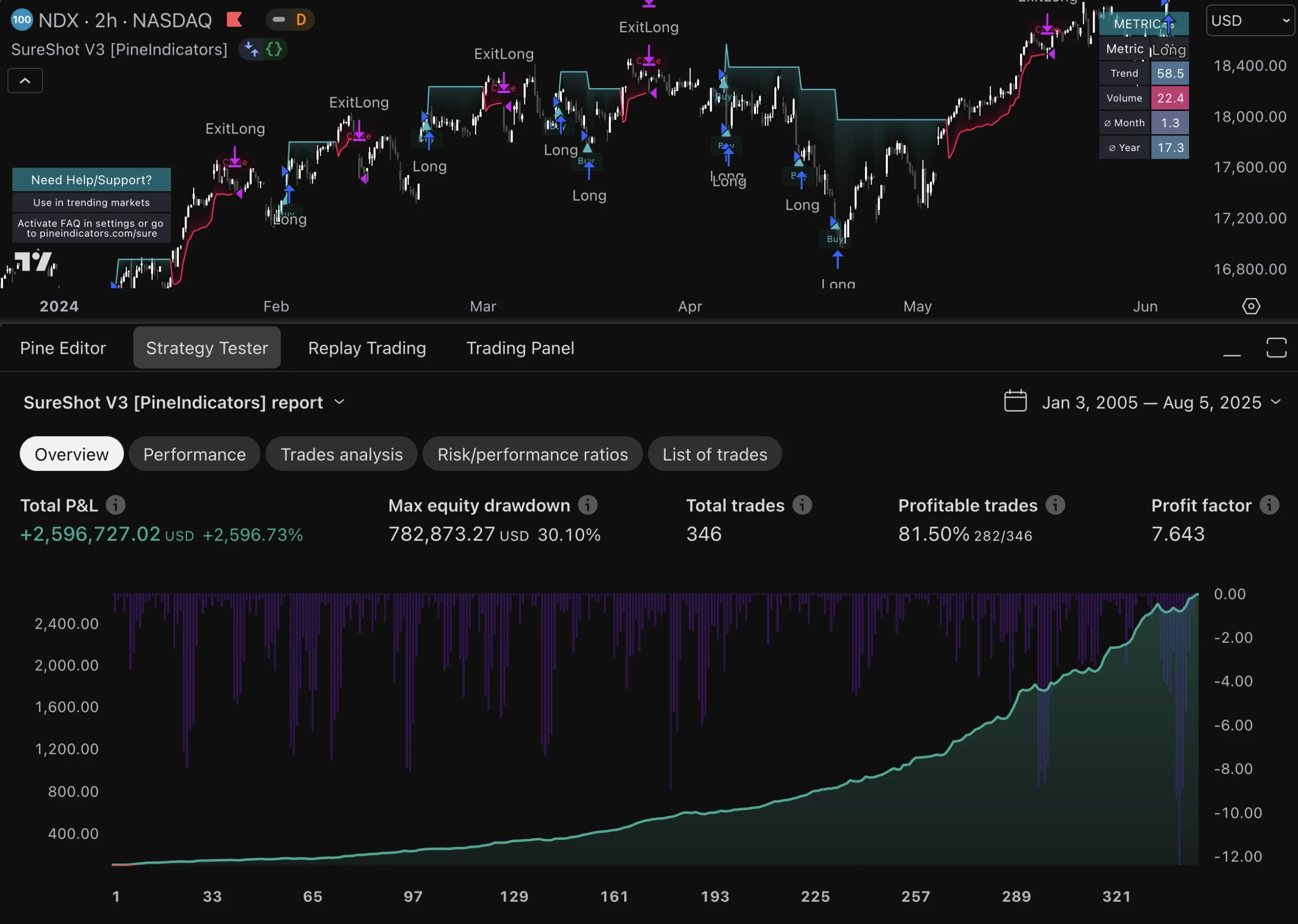
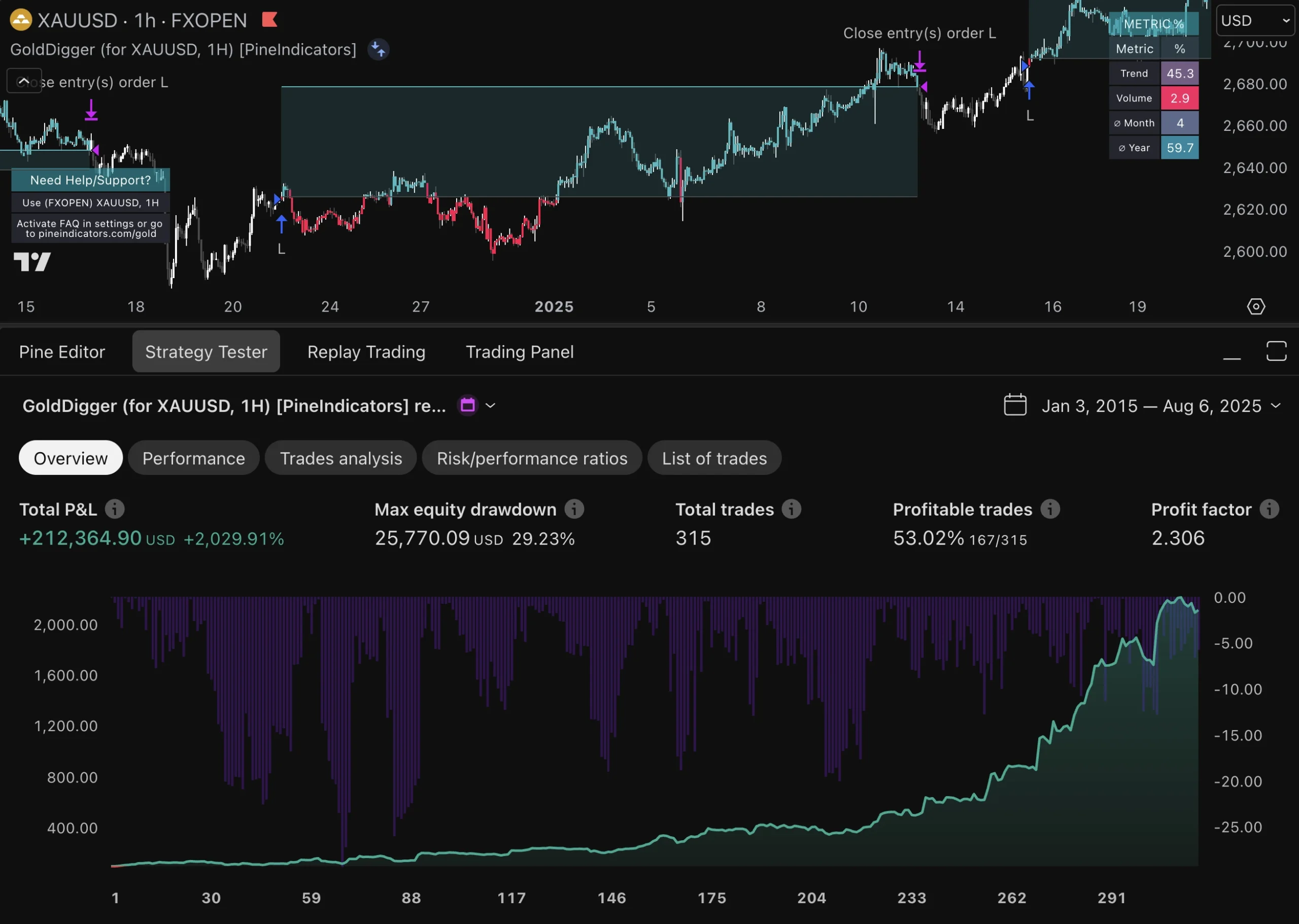
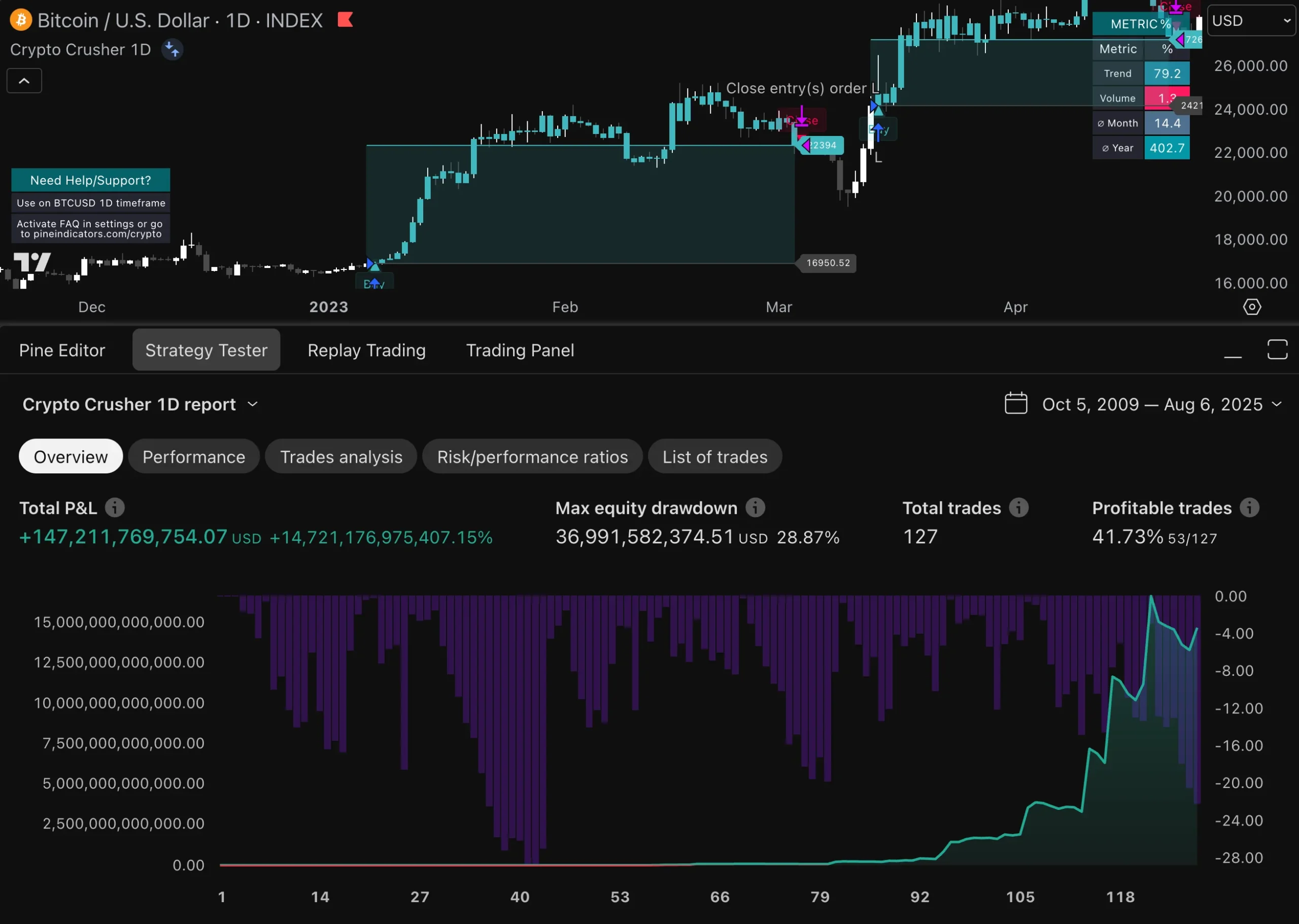
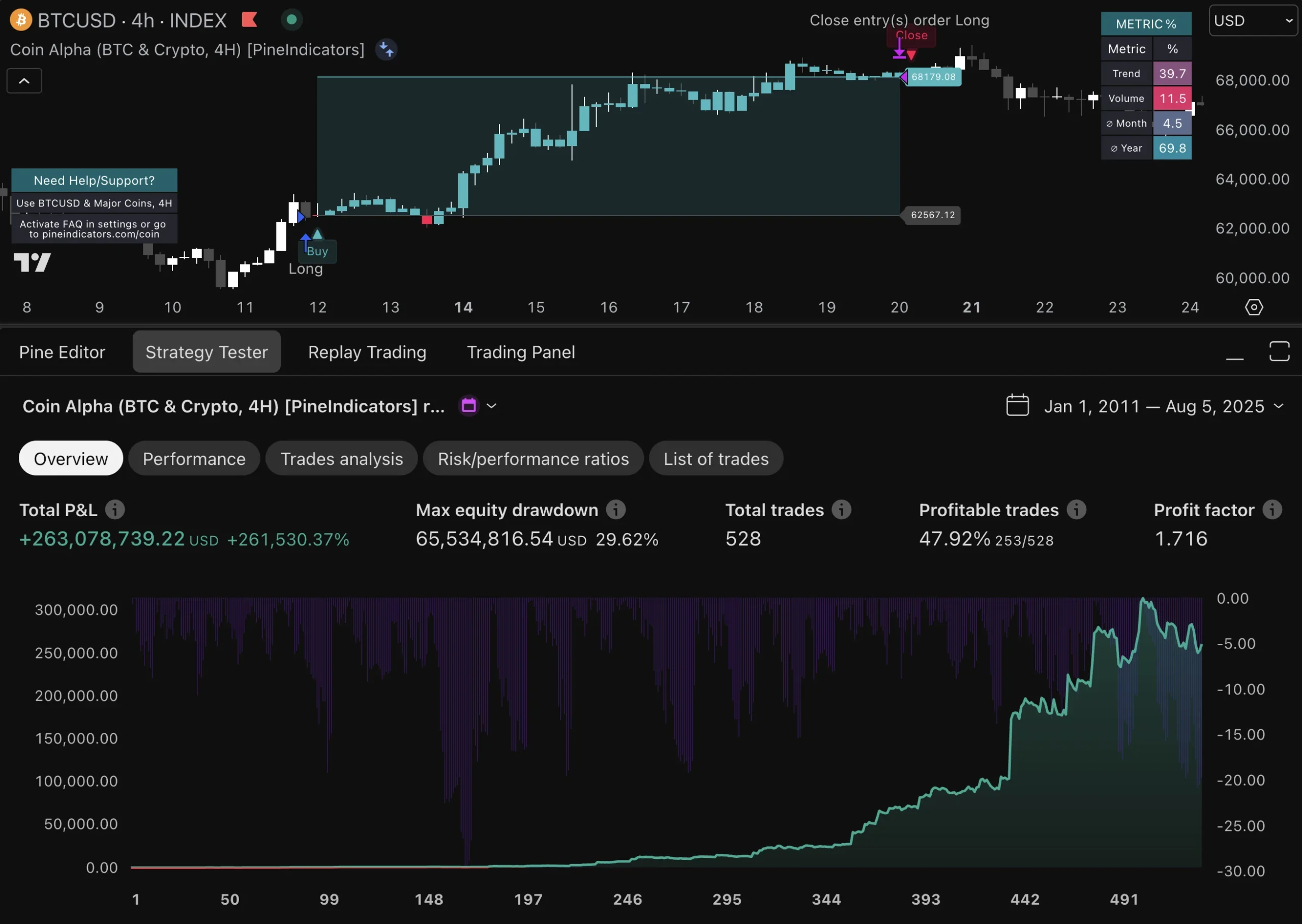
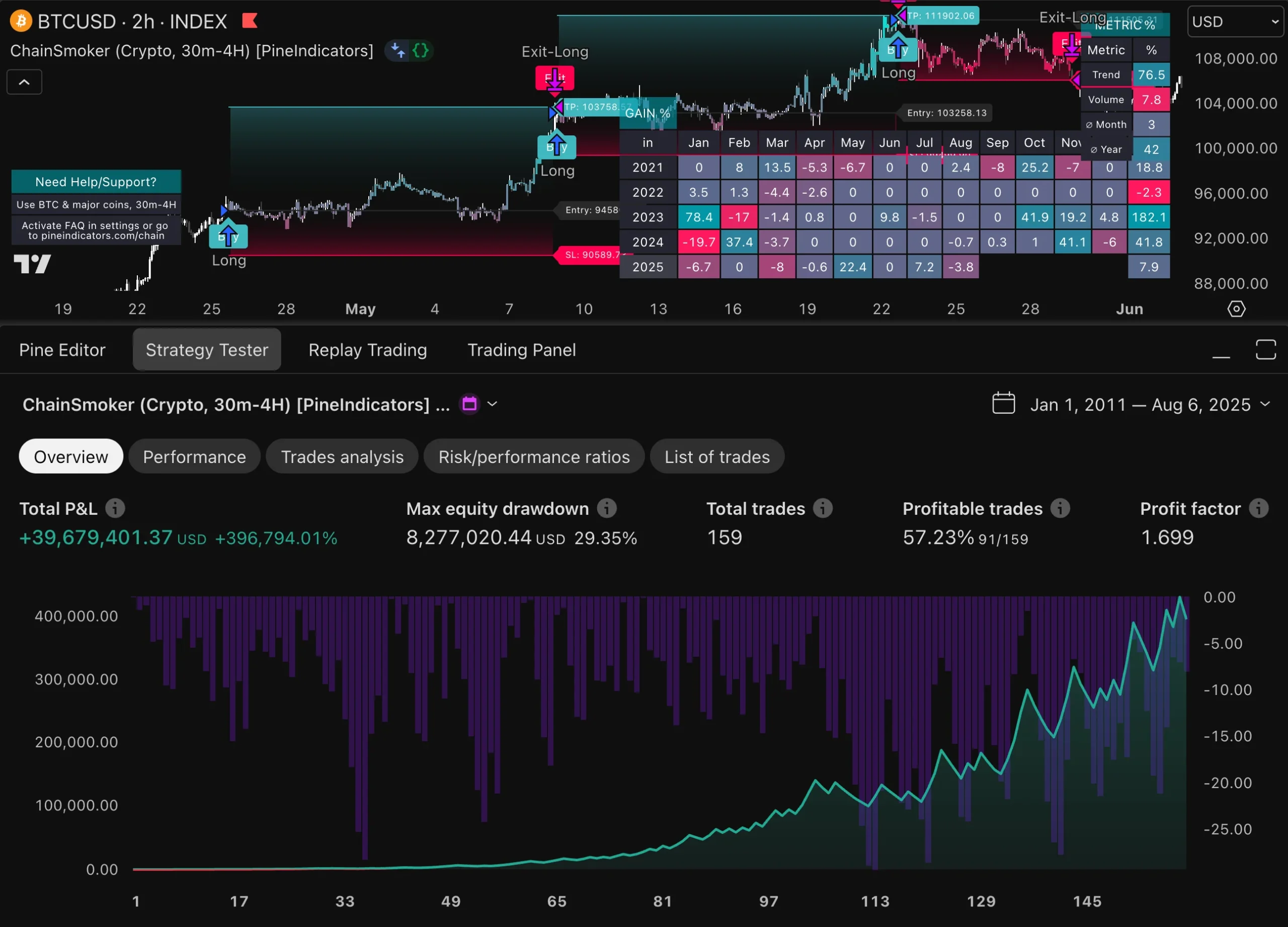
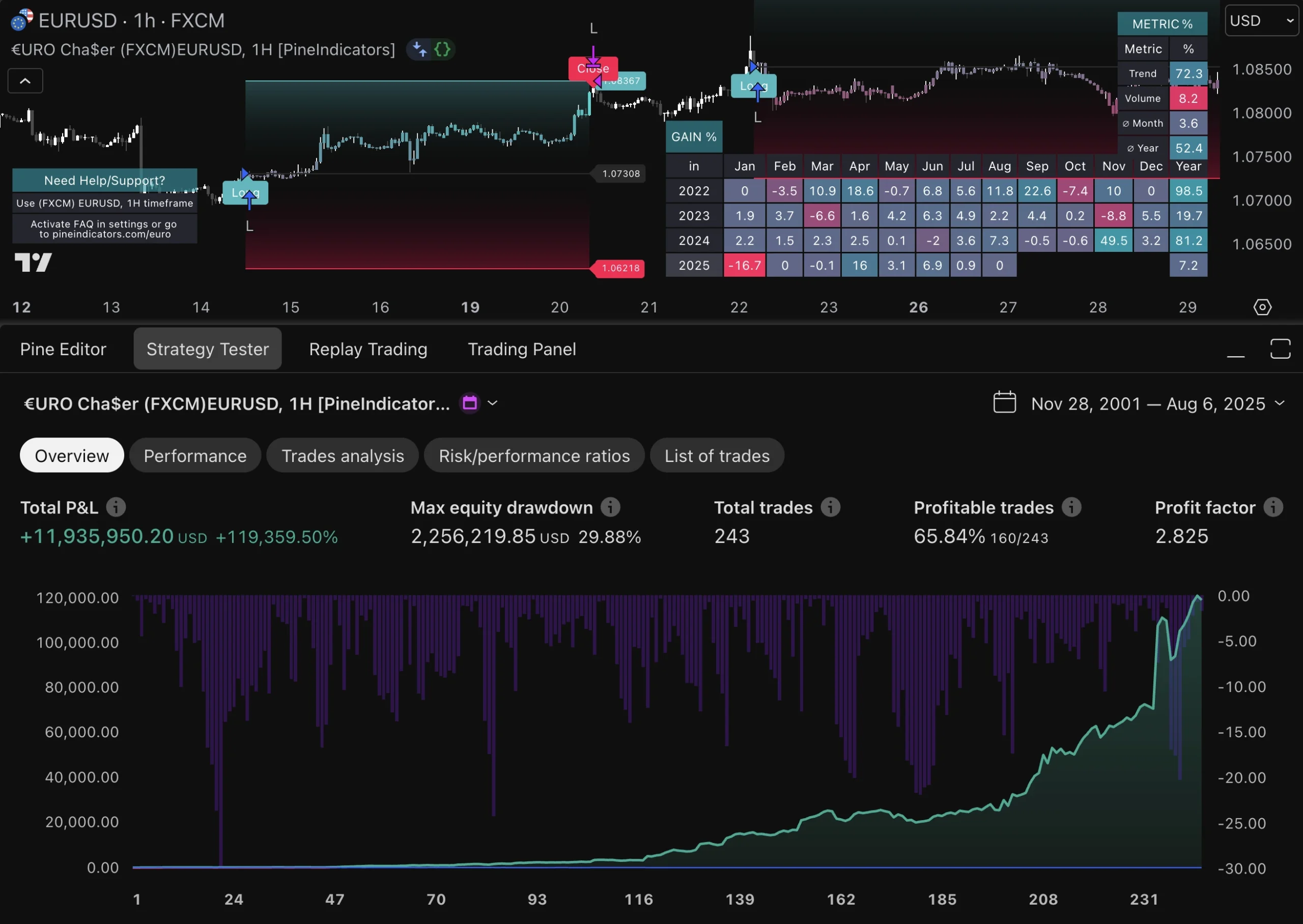
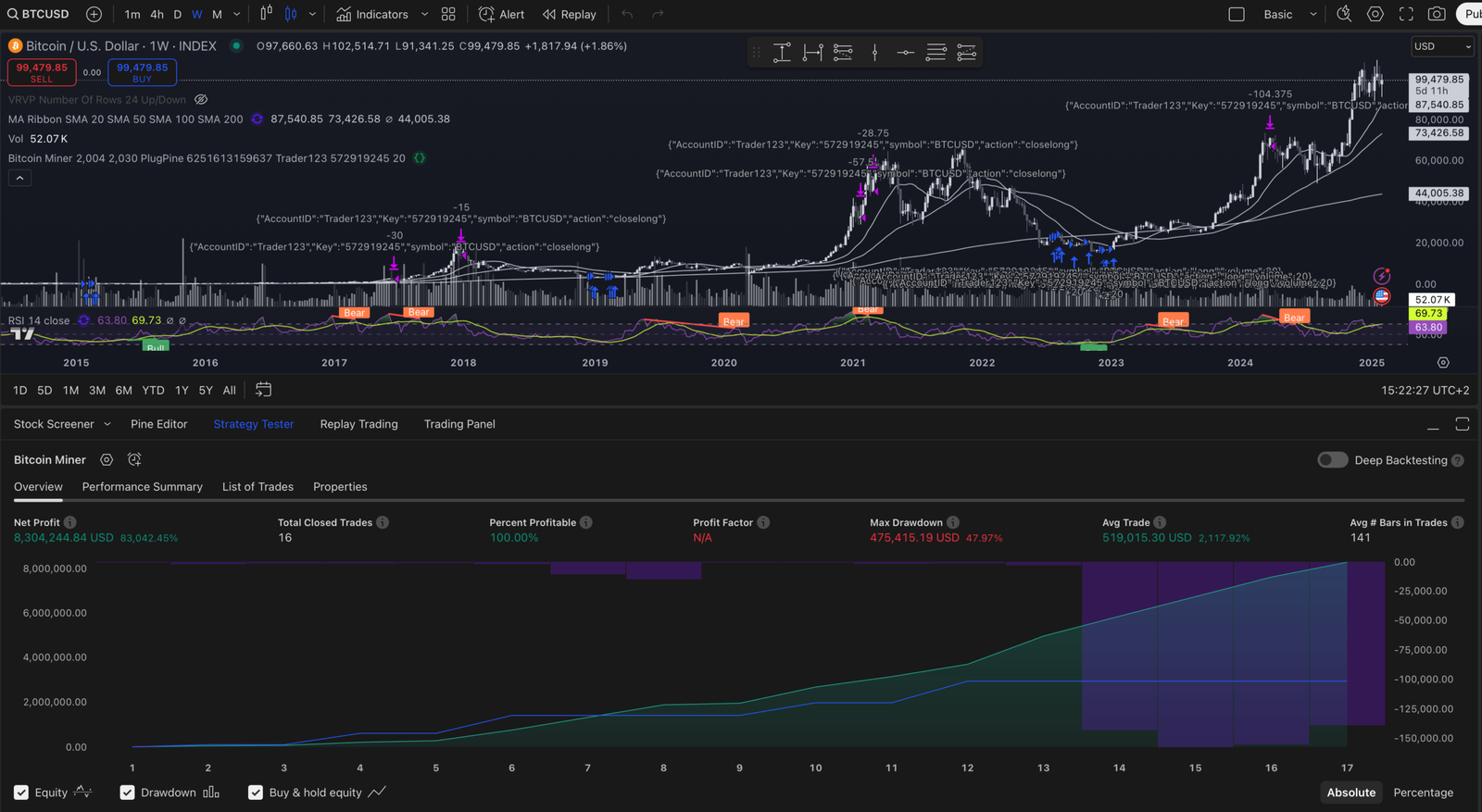
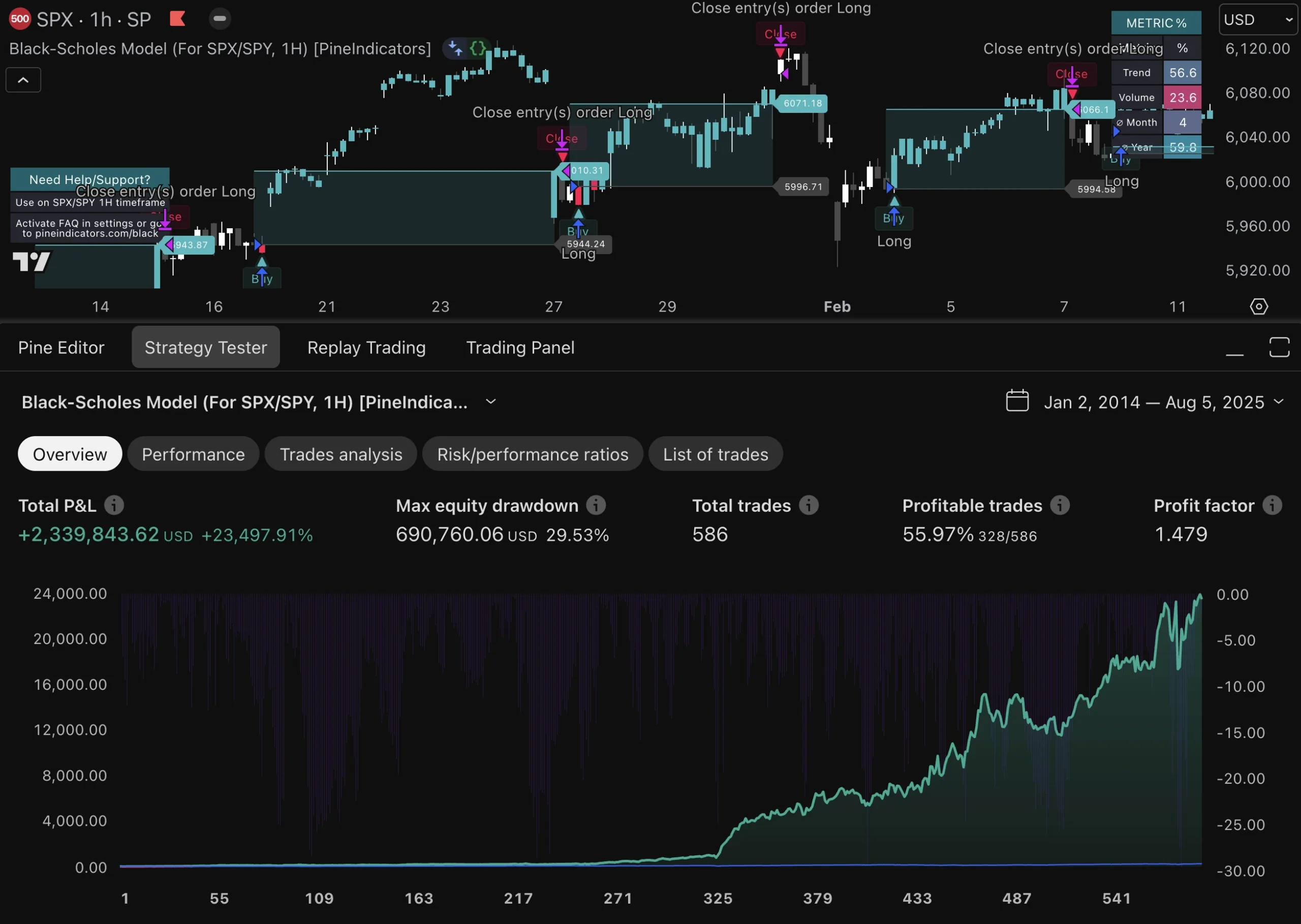
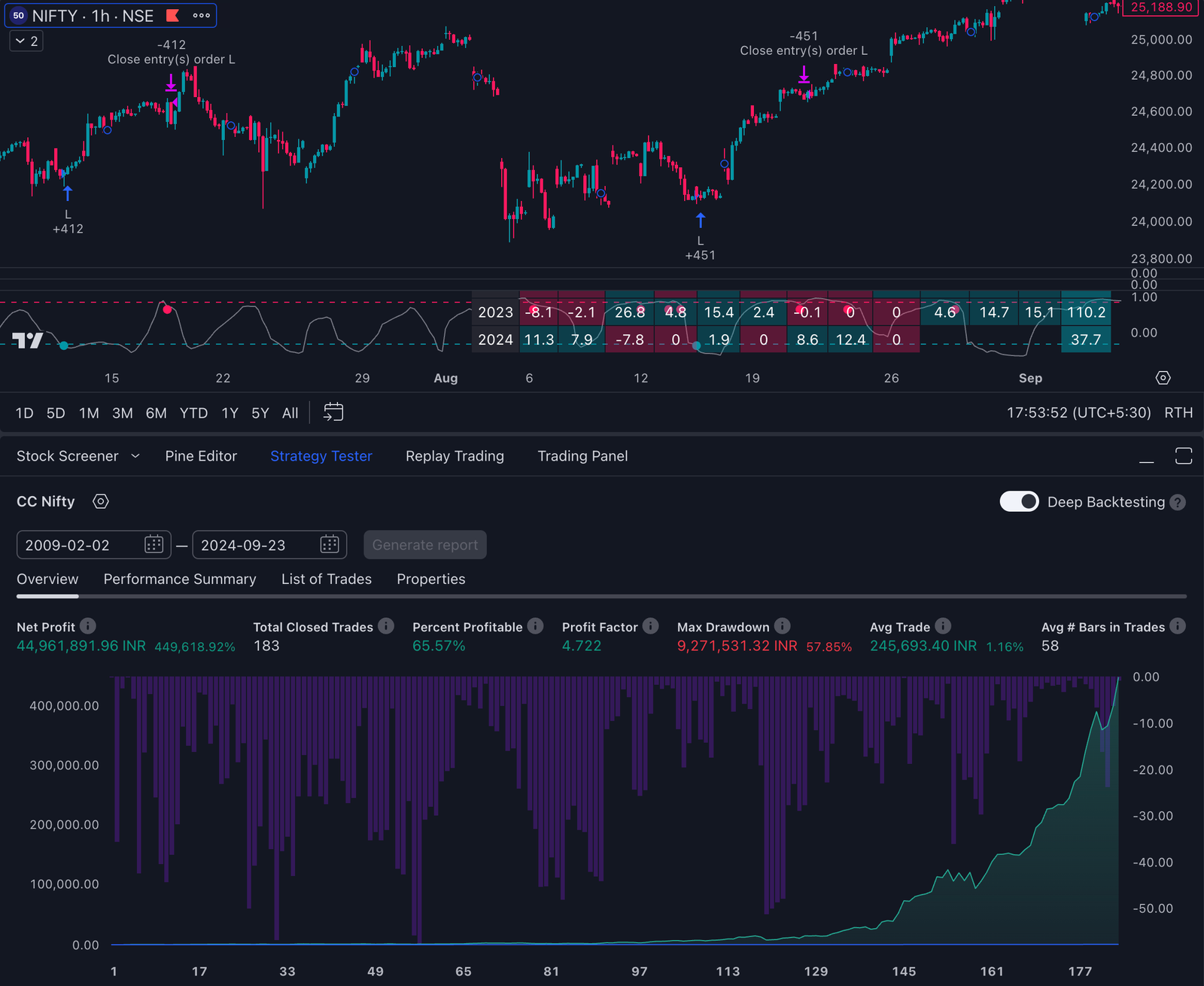
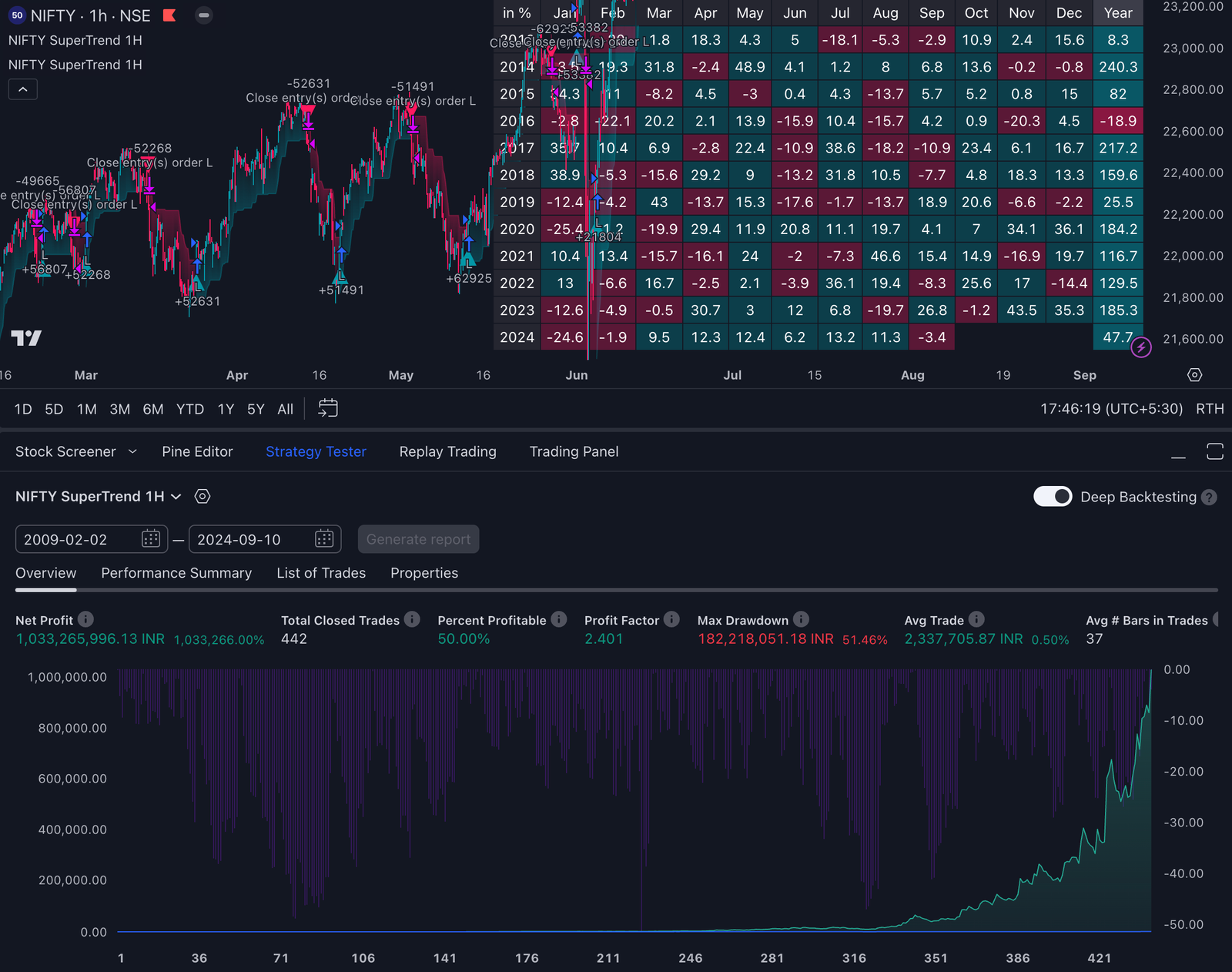

Swing trading is a popular trading strategy that seeks to capitalize on short- to medium-term price movements in financial markets. Unlike day trading, where positions are opened and closed within the same trading day, swing trading typically involves holding positions for several days to weeks. This approach allows traders to take advantage of price swings that occur due to market volatility, news events, or changes in investor sentiment.
The primary goal of swing trading is to identify potential reversals or continuations in price trends, enabling traders to enter and exit positions at opportune moments. At its core, swing trading relies on the concept of momentum. Traders analyze price charts to identify patterns and trends that suggest where the market is likely to move next.
Swing traders must also be adept at managing their emotions, as the inherent volatility of the markets can lead to rapid price fluctuations. By understanding the fundamentals of swing trading, traders can develop a strategy that aligns with their risk tolerance and investment goals.
Key Takeaways
- Swing trading relies on identifying short- to medium-term price movements using technical and fundamental analysis.
- Effective entry and exit points are determined through tools like moving averages, indicators, and market timing strategies.
- Setting realistic profit targets and stop losses is crucial for managing risk and protecting capital.
- Continuous review and analysis of trades help improve strategies and adapt to evolving market conditions.
- Monitoring market sentiment and news enhances trade confirmation and decision-making accuracy.
Identifying Swing Trading Opportunities
Identifying swing trading opportunities requires a keen eye for market patterns and an understanding of price action. Traders often begin by scanning charts for specific formations, such as head and shoulders, double tops, or flags, which can indicate potential reversals or continuations. These patterns provide visual cues that help traders anticipate future price movements.
Additionally, swing traders often look for stocks or assets that have experienced significant price movements in recent days or weeks, as these can signal the potential for further swings. Volume analysis is another critical component in identifying swing trading opportunities. A surge in trading volume often accompanies significant price movements, indicating strong interest from market participants.
For instance, if a stock breaks through a resistance level with high volume, it may suggest that the upward momentum will continue, presenting a potential buying opportunity. Conversely, if a stock approaches a support level with declining volume, it may indicate weakness and a potential reversal. By combining technical patterns with volume analysis, traders can enhance their ability to spot promising swing trading opportunities.
Implementing Technical Analysis for Better Entry and Exit Points

Technical analysis is an essential tool for swing traders seeking to refine their entry and exit points. This analytical approach involves studying historical price data and using various indicators to forecast future price movements. Commonly used technical indicators include moving averages, Relative Strength Index (RSI), and Bollinger Bands.
Each of these tools provides unique insights into market conditions and can help traders make informed decisions about when to enter or exit a trade. For example, moving averages can help smooth out price fluctuations and identify trends over specific time frames. A trader might use a short-term moving average, such as the 10-day MA, in conjunction with a longer-term moving average, like the 50-day MWhen the short-term average crosses above the long-term average, it may signal a bullish trend, prompting the trader to consider entering a long position.
Conversely, if the short-term average crosses below the long-term average, it could indicate a bearish trend, suggesting it may be time to exit or short the asset. By employing technical analysis effectively, swing traders can enhance their decision-making process and improve their overall trading performance.
Setting Realistic Profit Targets and Stop Losses
Establishing realistic profit targets and stop losses is crucial for successful swing trading. Profit targets help traders define their exit strategy by setting specific price levels at which they will take profits. These targets should be based on technical analysis, such as resistance levels or Fibonacci retracement levels, which can provide guidance on where the price may reverse or stall.
Setting profit targets allows traders to lock in gains while avoiding the temptation to hold onto a position for too long in hopes of even greater profits. Stop losses serve as a safety net for traders by limiting potential losses on a trade. A stop loss is typically set at a predetermined price level below the entry point for long positions or above the entry point for short positions.
The placement of stop losses should consider market volatility and support/resistance levels. For instance, if a trader enters a long position at $50 with a stop loss set at $48, they are willing to risk $2 per share on that trade. This disciplined approach helps protect capital and ensures that traders do not let emotions dictate their decisions during periods of market turbulence.
Managing Risk and Position Sizing
| Metric | Value | Description |
|---|---|---|
| Win Rate | 65% | Percentage of profitable trades out of total trades |
| Average Gain per Trade | 4.2% | Average percentage gain on winning trades |
| Average Loss per Trade | 2.1% | Average percentage loss on losing trades |
| Risk-Reward Ratio | 1:2 | Ratio of average loss to average gain |
| Maximum Drawdown | 12% | Largest peak-to-trough decline during the trading period |
| Profit Factor | 1.8 | Ratio of gross profit to gross loss |
| Average Holding Period | 5 days | Average duration a trade is held |
| Annualized Return | 18% | Estimated yearly return based on strategy performance |
Effective risk management is paramount in swing trading, as it helps traders protect their capital while maximizing potential returns. One of the key components of risk management is position sizing, which involves determining how much capital to allocate to each trade based on individual risk tolerance and account size. A common rule of thumb is to risk no more than 1-2% of total trading capital on any single trade.
This approach ensures that even a series of losing trades will not significantly impact the overall account balance. To calculate position size, traders can use the formula: Position Size = (Account Size x Risk Percentage) / Dollar Risk per Share. For example, if a trader has an account size of $10,000 and is willing to risk 1% on a trade with a stop loss set at $2 below the entry point, they would calculate their position size as follows: Position Size = ($10,000 x 0.01) / $2 = 50 shares.
By adhering to strict position sizing rules and managing risk effectively, swing traders can navigate market fluctuations with greater confidence.
Utilizing Fundamental Analysis to Confirm Trades

While technical analysis plays a significant role in swing trading, incorporating fundamental analysis can provide additional confirmation for trade decisions. Fundamental analysis involves evaluating a company’s financial health and performance metrics to determine its intrinsic value. Key factors include earnings reports, revenue growth, profit margins, and industry trends.
By understanding the underlying fundamentals of an asset, traders can make more informed decisions about whether to enter or exit a position. For instance, if a trader identifies a bullish technical pattern in a stock but also discovers that the company has recently reported strong earnings growth and positive guidance for future quarters, this fundamental data can reinforce their decision to buy. Conversely, if technical indicators suggest an upward trend but fundamental analysis reveals declining sales or increasing debt levels, it may prompt the trader to reconsider their position or set tighter stop losses.
By integrating fundamental analysis into their trading strategy, swing traders can enhance their ability to make well-rounded decisions.
Timing the Market for Optimal Entries and Exits
Timing is critical in swing trading; entering and exiting positions at the right moment can significantly impact profitability. Traders often use various strategies to time their trades effectively. One common approach is to wait for confirmation signals before entering a position.
For example, if a trader identifies a bullish reversal pattern on a chart but wants additional confirmation before buying, they might wait for the price to break above a key resistance level or for an indicator like RSI to show bullish divergence. Additionally, traders should be mindful of market conditions and external factors that could influence price movements. Economic data releases, earnings announcements, or geopolitical events can create volatility that affects entry and exit points.
For instance, if a trader plans to enter a long position ahead of an earnings report but is uncertain about the outcome, they may choose to wait until after the report is released to gauge market reaction before making their move.
Using Moving Averages and Other Indicators for Confirmation
Moving averages are among the most widely used technical indicators in swing trading due to their ability to smooth out price data and identify trends over time. Traders often employ different types of moving averages—such as simple moving averages (SMA) and exponential moving averages (EMA)—to gain insights into market direction. For example, when analyzing a stock’s 50-day EMA alongside its 200-day EMA can provide valuable information about its long-term trend.
In addition to moving averages, other indicators like MACD (Moving Average Convergence Divergence) and Bollinger Bands can offer further confirmation for trade decisions. The MACD indicator helps identify potential buy or sell signals based on the convergence or divergence of two moving averages. When the MACD line crosses above the signal line, it may indicate bullish momentum; conversely, when it crosses below, it could signal bearish momentum.
By combining multiple indicators with moving averages, swing traders can enhance their ability to confirm trade setups and make more informed decisions.
Monitoring Market Sentiment and News for Trade Confirmation
Market sentiment plays a crucial role in swing trading success; understanding how other market participants feel about an asset can provide valuable insights into potential price movements. Traders often monitor news headlines, social media sentiment, and analyst ratings to gauge overall market sentiment toward specific stocks or sectors. Positive news coverage or bullish analyst ratings can create upward momentum in stock prices, while negative news can lead to declines.
For example, if a trader identifies a bullish technical setup in a stock but notices negative news regarding regulatory issues or management changes affecting that company, they may choose to exercise caution before entering the trade. Conversely, if positive earnings surprises or favorable economic data coincide with bullish technical patterns, it may strengthen their conviction in taking a long position. By staying attuned to market sentiment and news developments, swing traders can make more informed decisions that align with prevailing market conditions.
Reviewing and Analyzing Trades for Continuous Improvement
Continuous improvement is essential for any trader looking to enhance their performance over time. Reviewing past trades allows swing traders to identify patterns in their decision-making processes—both successful trades and those that resulted in losses. By analyzing what worked well and what didn’t—such as entry points, exit strategies, or risk management practices—traders can refine their strategies and avoid repeating mistakes.
Keeping a trading journal is an effective way to document trades and facilitate this review process. In this journal, traders can record details such as entry and exit points, reasons for taking each trade, emotions experienced during the trade, and outcomes achieved. Over time, this documentation provides valuable insights into personal trading behavior and helps identify areas for improvement.
By committing to regular reviews of their trades and learning from both successes and failures, swing traders can develop greater discipline and enhance their overall trading skills.
Adapting to Changing Market Conditions and Trends
The financial markets are dynamic environments that are constantly evolving due to various factors such as economic data releases, geopolitical events, and shifts in investor sentiment. As such, successful swing traders must be adaptable and willing to adjust their strategies based on changing market conditions. This adaptability may involve modifying entry and exit criteria or reassessing risk management practices in response to increased volatility or emerging trends.
For instance, during periods of heightened volatility—such as during major economic announcements—traders may choose to tighten their stop losses or reduce position sizes to mitigate risk exposure. Conversely, in more stable market conditions with clear trends established over time, they might increase position sizes or extend profit targets based on favorable technical setups. By remaining flexible and responsive to changing market dynamics while adhering to sound trading principles, swing traders can navigate various market environments effectively and continue pursuing profitable opportunities.
For those interested in enhancing their swing trading strategies, it’s essential to understand how to choose the right trading strategy that aligns with your goals and risk tolerance. A helpful resource on this topic can be found in the article How to Choose the Right Trading Strategy, which provides insights into various trading approaches and their performance metrics. This knowledge can significantly impact your success in swing trading by helping you make informed decisions.
FAQs
What is swing trading?
Swing trading is a trading strategy that aims to capture short- to medium-term gains in a stock or any financial instrument over a period of a few days to several weeks. Traders use technical analysis and sometimes fundamental analysis to identify potential price swings.
How is swing trading strategy performance measured?
Performance is typically measured by metrics such as return on investment (ROI), win rate, risk-reward ratio, maximum drawdown, and the Sharpe ratio. These metrics help evaluate profitability, risk, and consistency of the strategy.
What factors influence the performance of a swing trading strategy?
Key factors include market conditions, the choice of financial instruments, entry and exit timing, risk management techniques, and the trader’s discipline. Volatility and liquidity of the asset also play significant roles.
Is swing trading suitable for all types of traders?
Swing trading is generally suitable for traders who can dedicate time to monitor the markets regularly but do not want to engage in day trading. It requires understanding of technical analysis and risk management but is less time-intensive than intraday trading.
What are common tools used in swing trading strategies?
Common tools include technical indicators like moving averages, Relative Strength Index (RSI), MACD, Fibonacci retracements, and chart patterns. Traders also use stop-loss orders and position sizing to manage risk.
Can swing trading strategies be automated?
Yes, many swing trading strategies can be automated using trading algorithms and software platforms. Automation helps in executing trades based on predefined criteria without emotional interference.
What are the risks associated with swing trading?
Risks include market volatility, overnight price gaps, and incorrect timing of trades. Poor risk management can lead to significant losses. It is important to use stop-loss orders and position sizing to mitigate these risks.
How long does a typical swing trade last?
A typical swing trade lasts anywhere from a few days to several weeks, depending on the strategy and market conditions.
Does swing trading require a large capital investment?
Swing trading does not necessarily require large capital, but sufficient funds are needed to manage risk and cover margin requirements if trading on leverage. The amount depends on the trader’s risk tolerance and the markets traded.
How can one improve the performance of a swing trading strategy?
Improvement can be achieved by backtesting strategies on historical data, refining entry and exit rules, employing strict risk management, staying updated on market news, and continuously learning from past trades.