
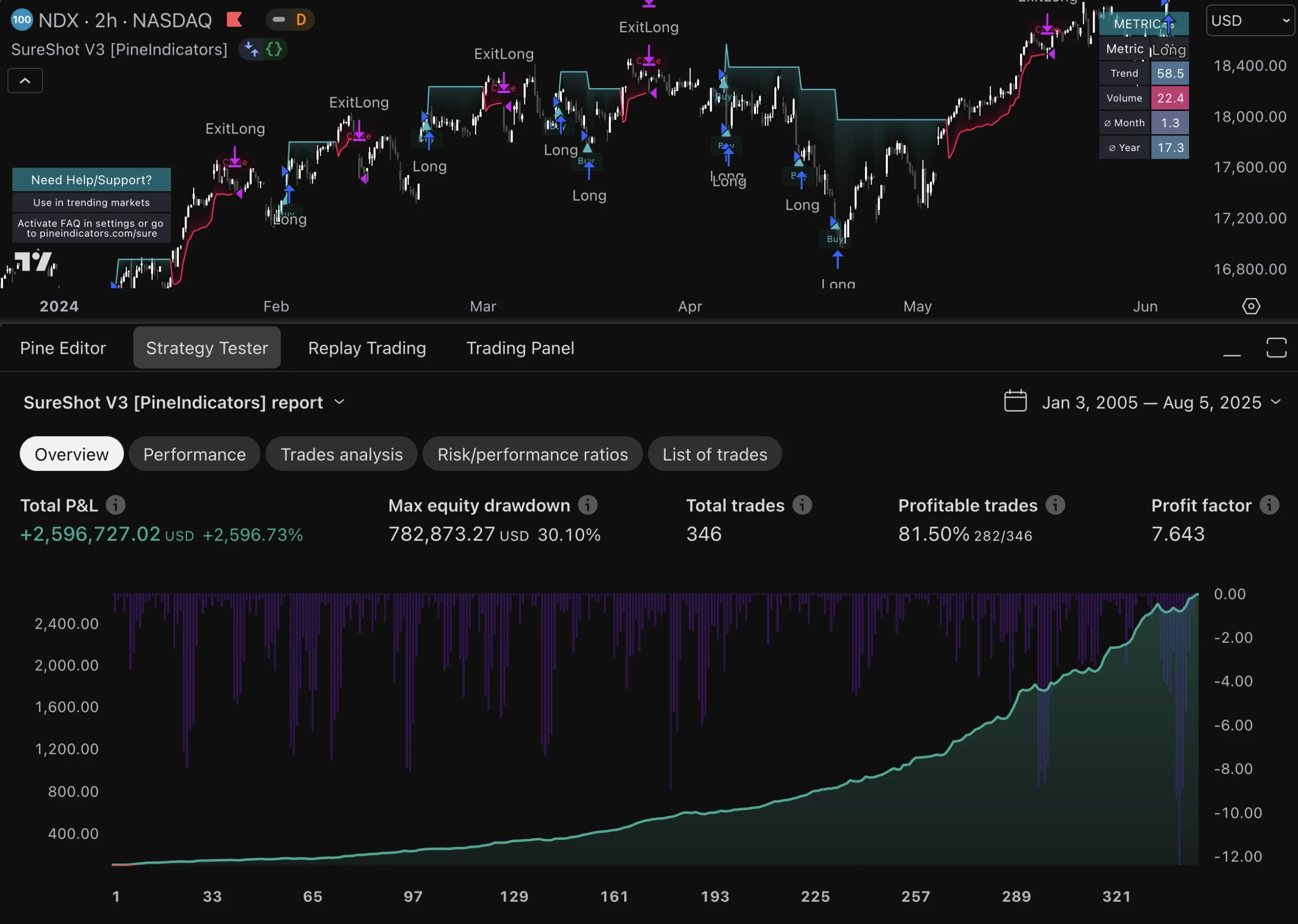
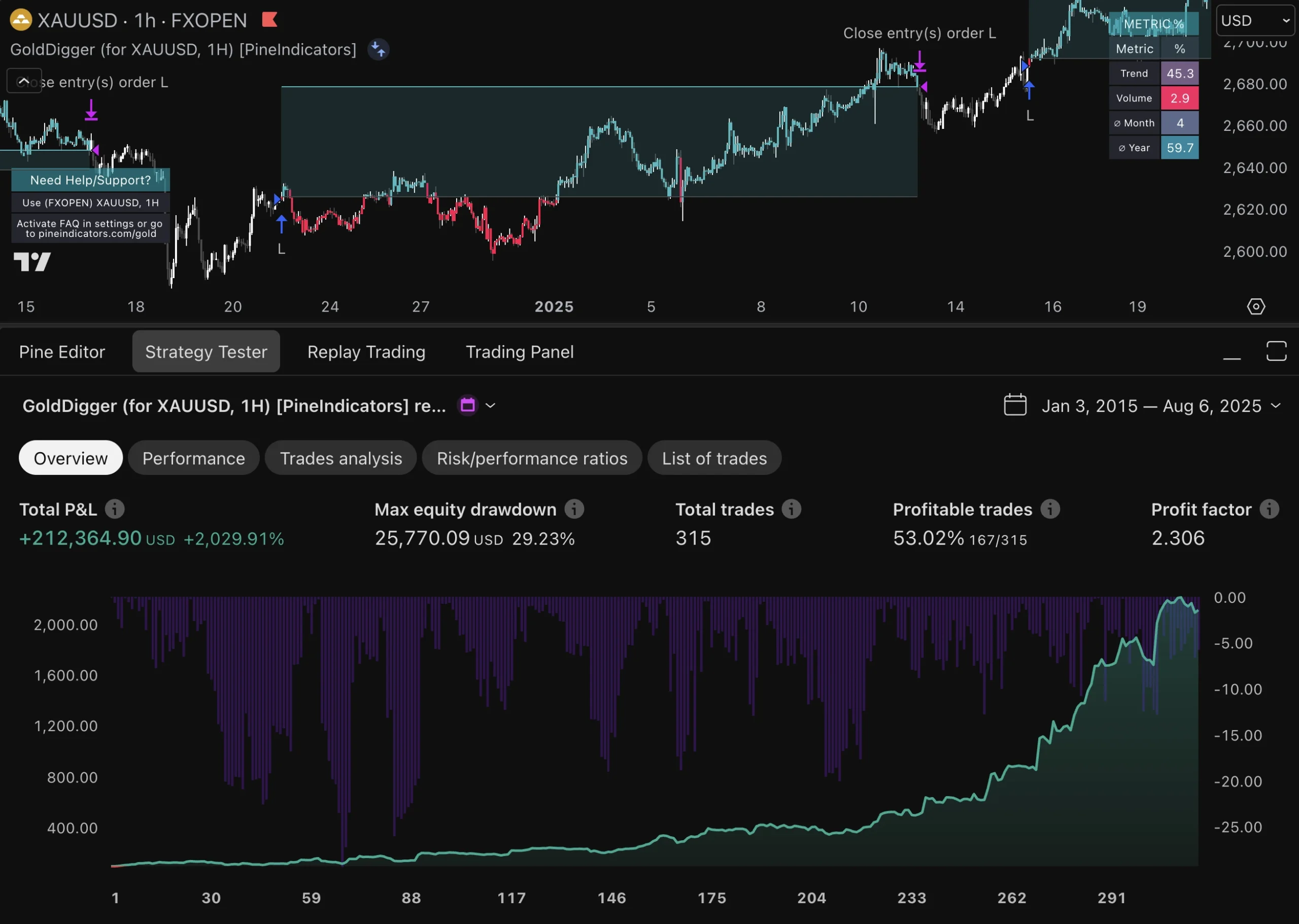
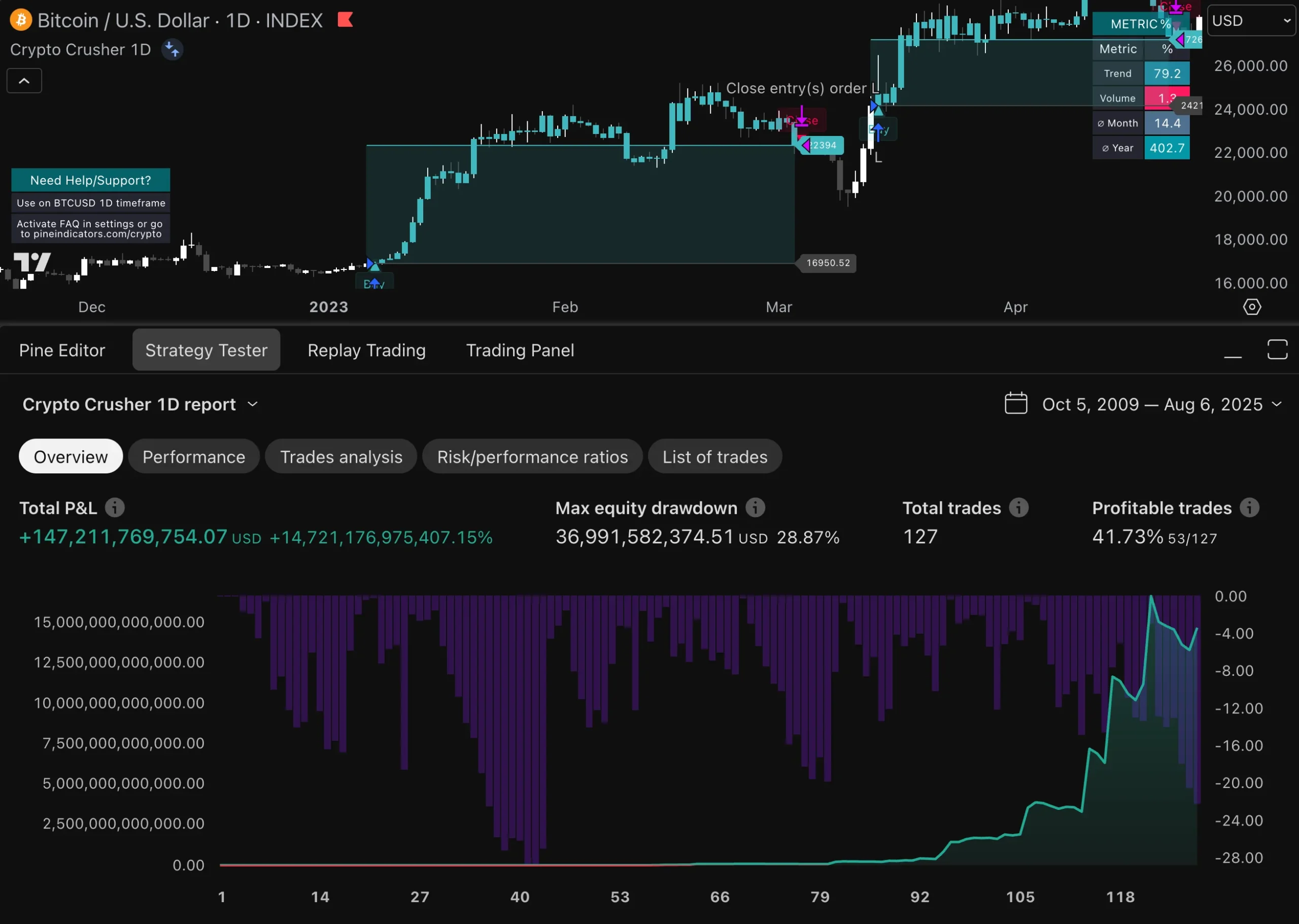
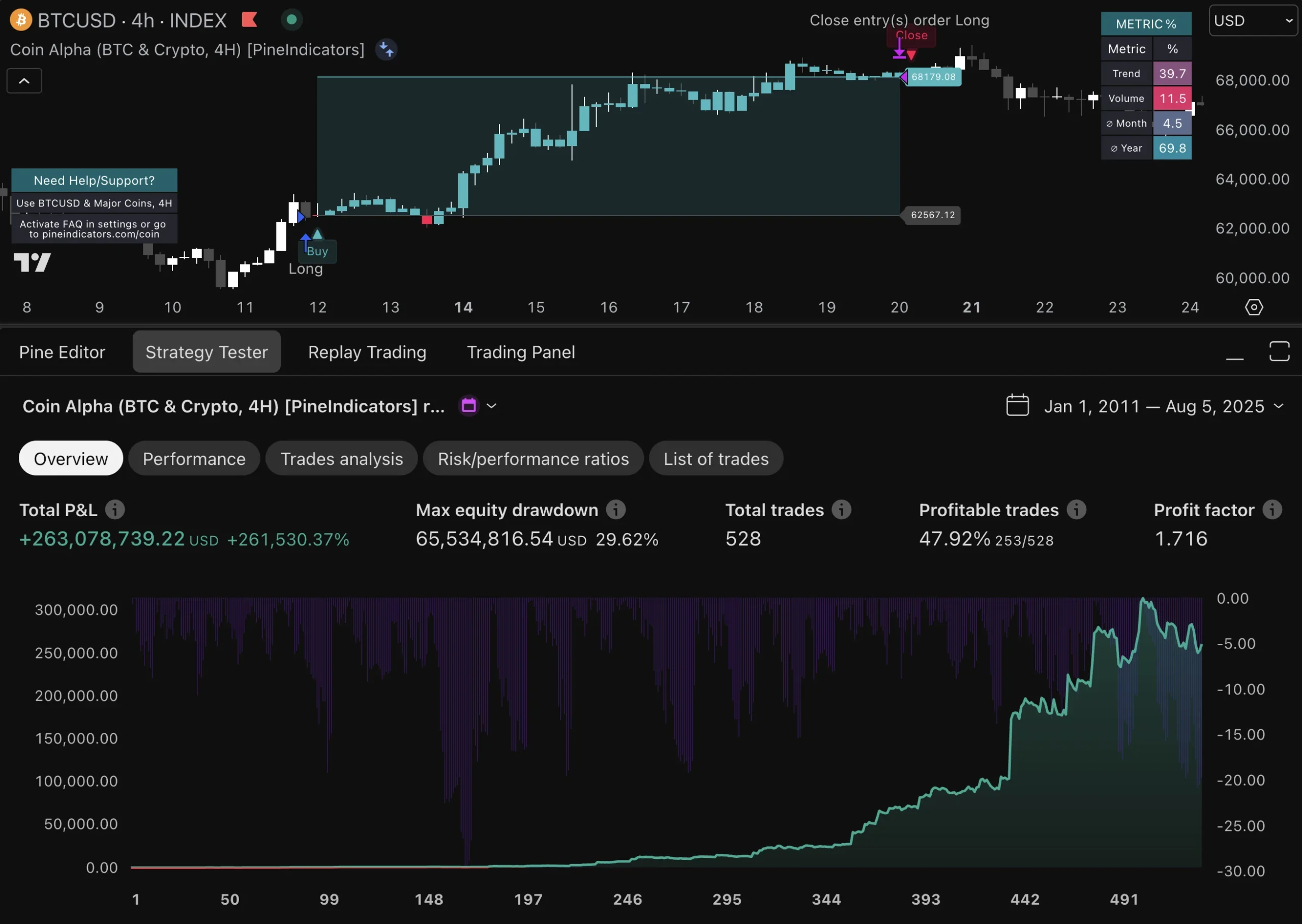
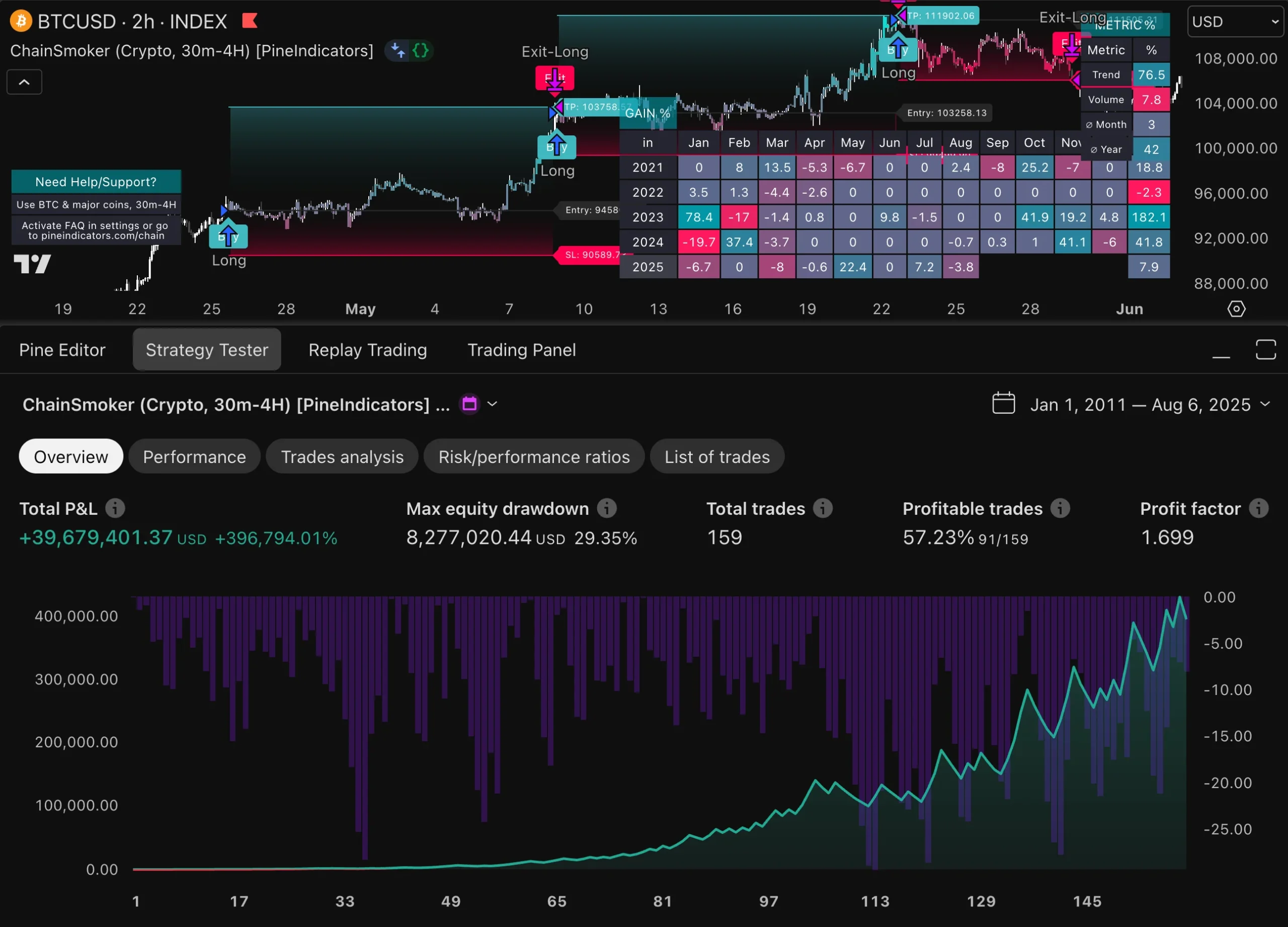
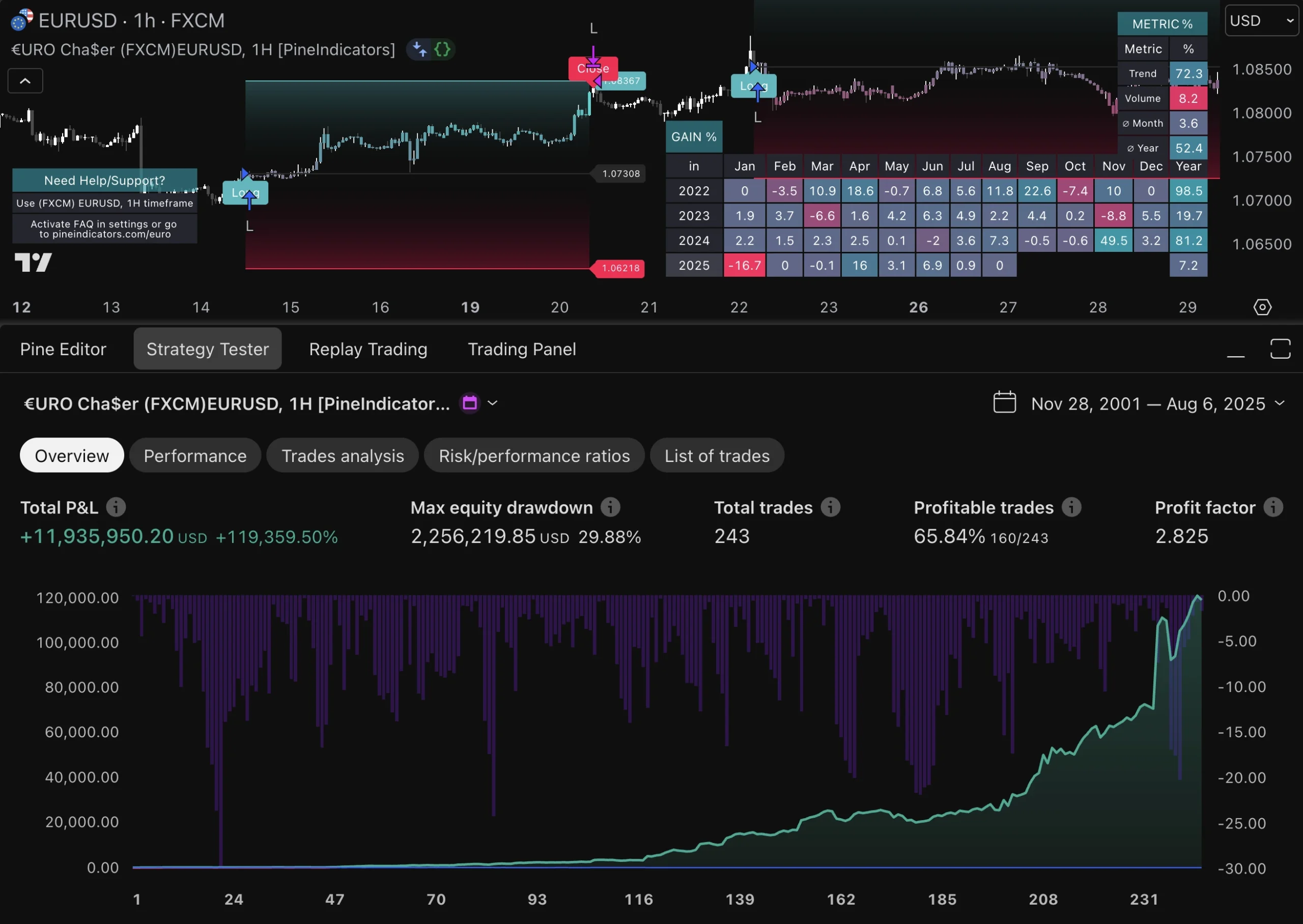
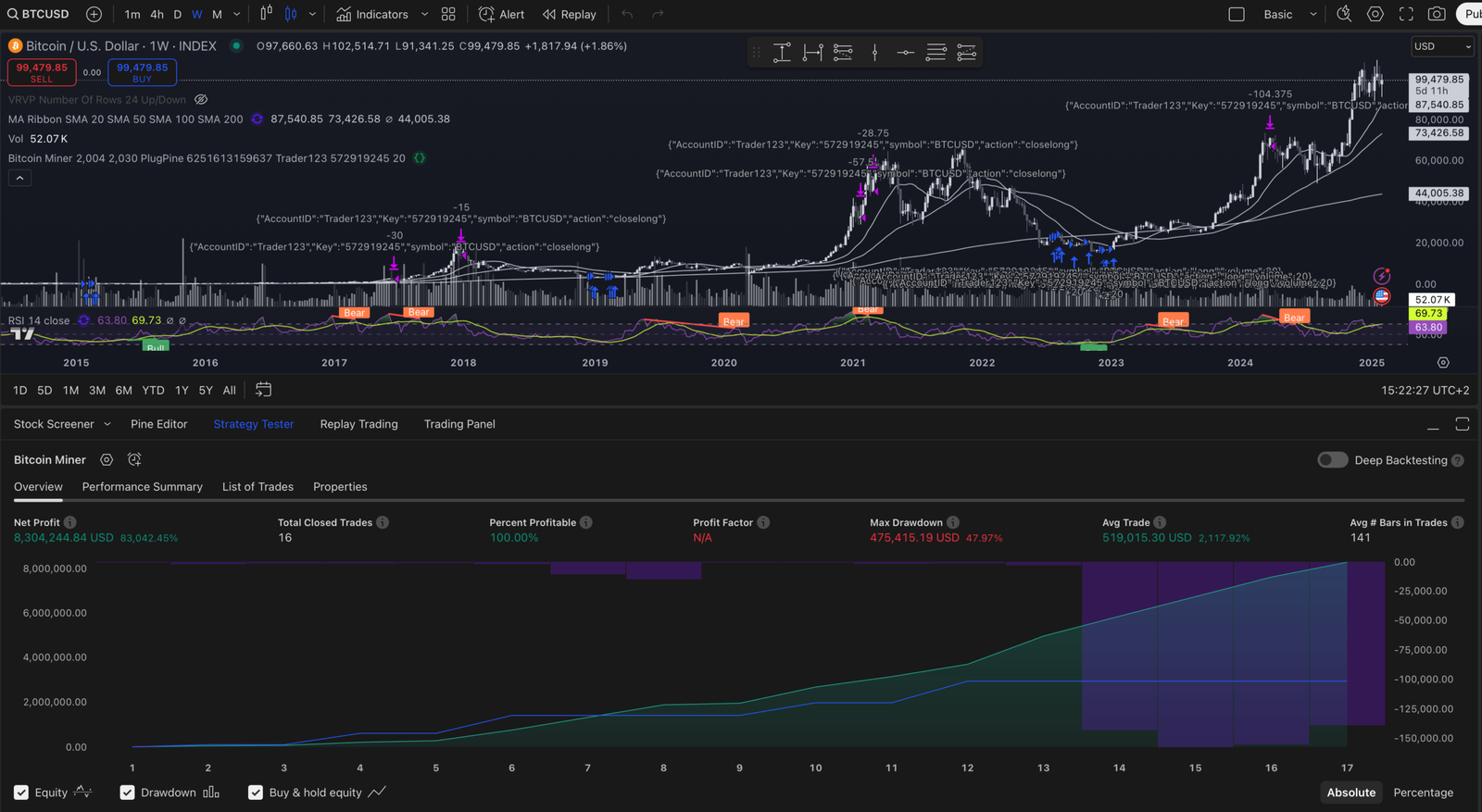
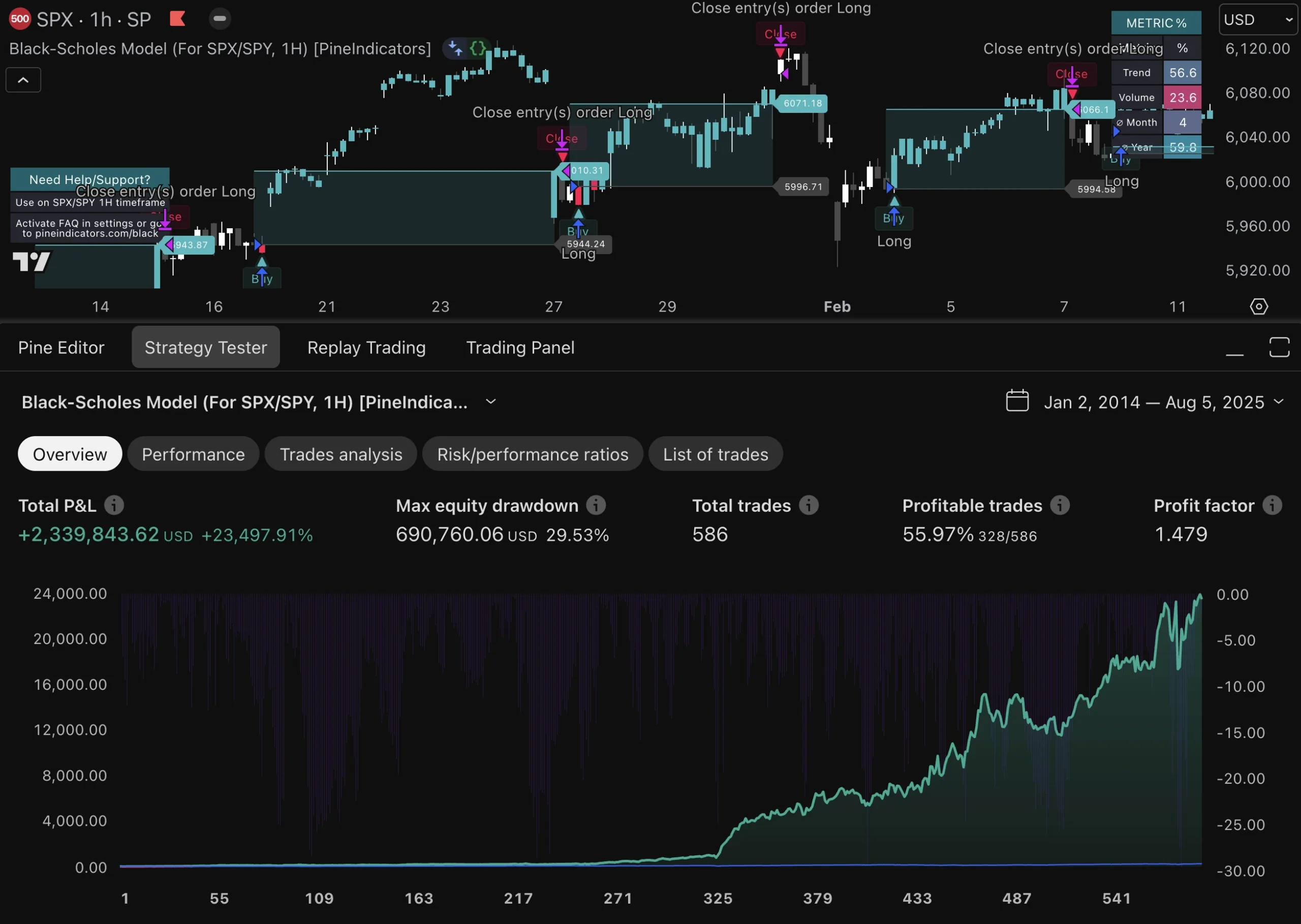
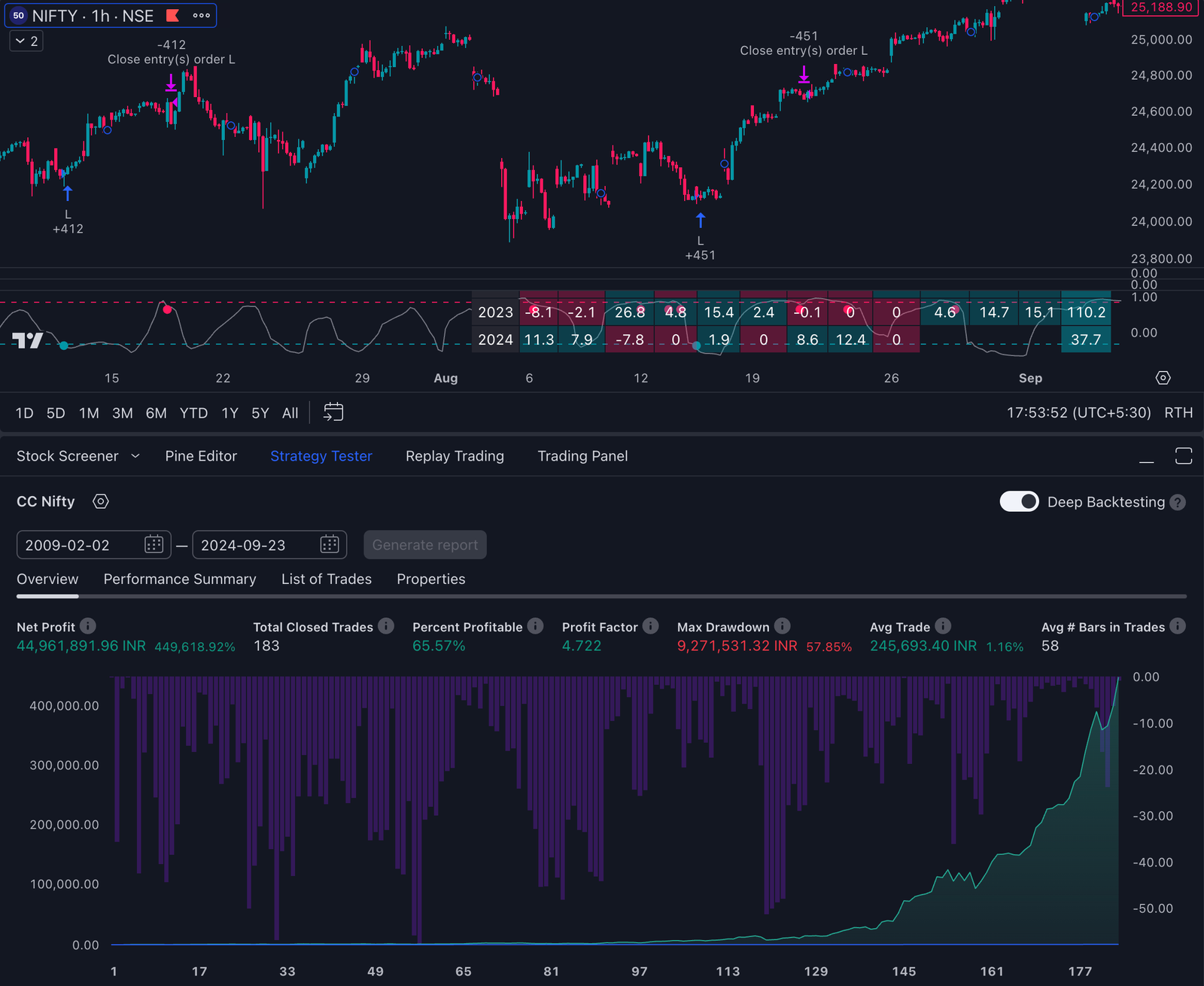
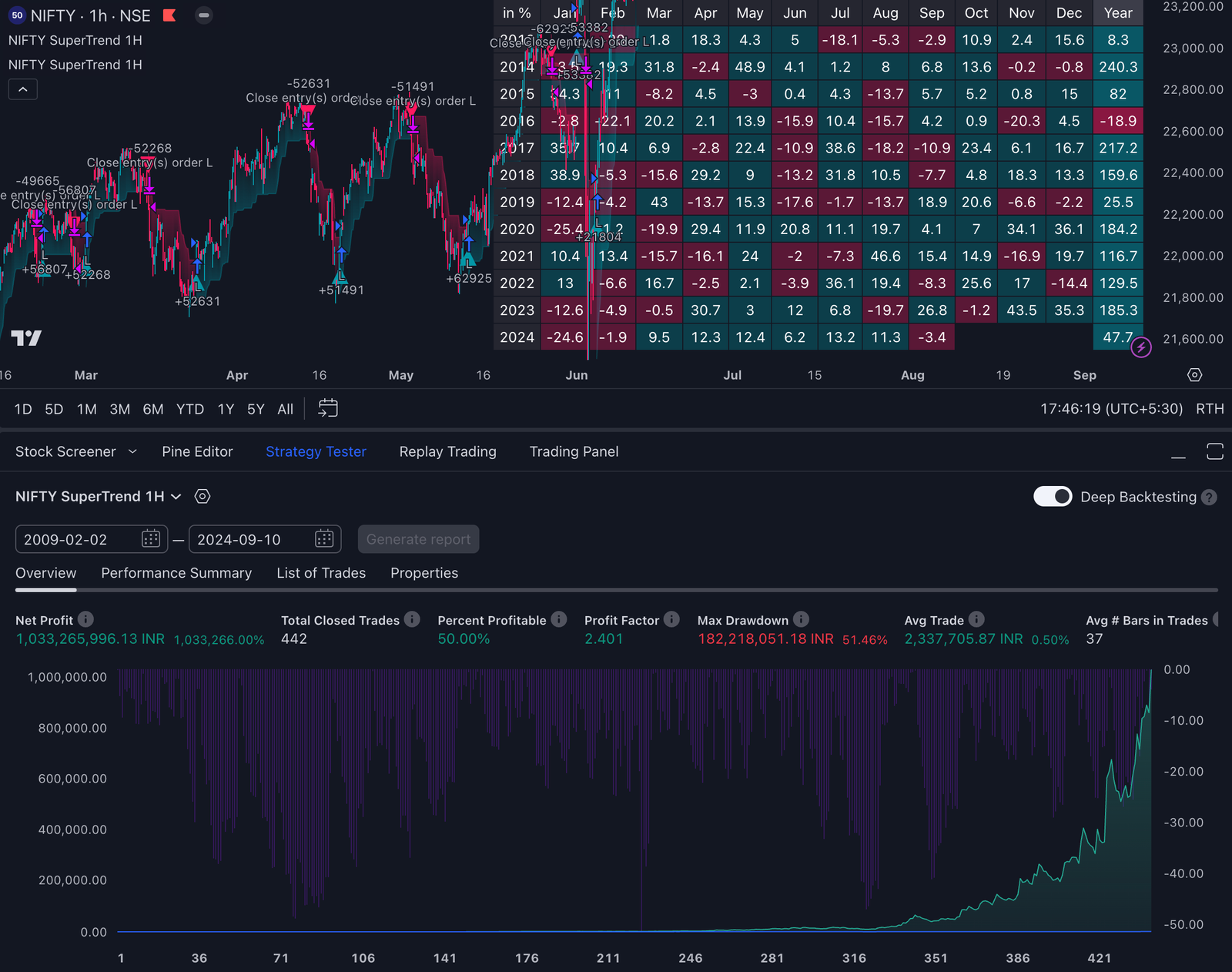
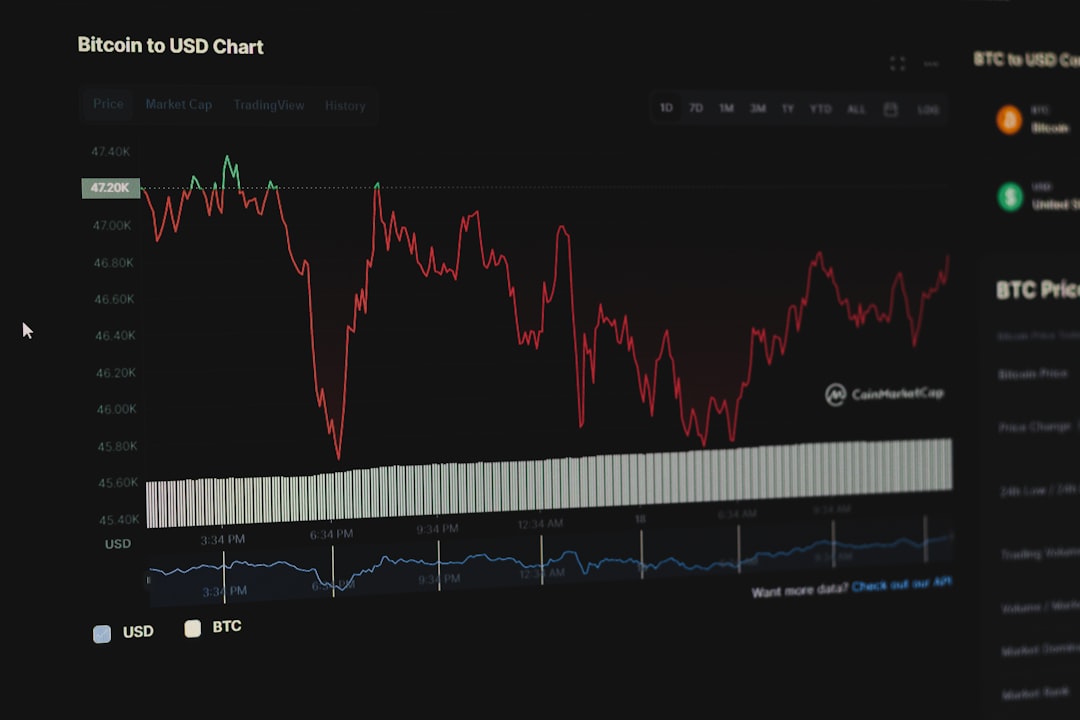
To navigate the complexities of financial markets, one must first grasp the fundamental principles that govern them. The market is a dynamic ecosystem where various factors, including economic indicators, geopolitical events, and investor sentiment, interact to influence asset prices. Understanding these elements is crucial for making informed trading decisions.
For instance, economic indicators such as GDP growth rates, unemployment figures, and inflation data can provide insights into the overall health of an economy. A robust economy typically leads to increased consumer spending and business investment, which can drive stock prices higher. Conversely, negative economic news can trigger sell-offs, highlighting the importance of staying attuned to macroeconomic trends.
Moreover, the market is influenced by psychological factors that can lead to irrational behavior among investors. Concepts such as herd mentality and fear of missing out (FOMO) can cause price fluctuations that do not necessarily align with a company’s fundamentals. For example, during a market rally, investors may rush to buy stocks simply because others are doing so, driving prices up beyond their intrinsic value.
Understanding these psychological dynamics can help traders anticipate market movements and make more strategic decisions. By recognizing the interplay between economic data and investor psychology, one can develop a more nuanced understanding of market behavior.
Key Takeaways
- Understand market dynamics to make informed trading decisions.
- Set achievable goals and manage risks to protect your investments.
- Use both technical and fundamental analysis for comprehensive insights.
- Diversify your portfolio and time trades to optimize returns.
- Continuously monitor performance, stay updated, and seek expert advice when needed.
Setting Realistic Goals
Establishing clear and achievable goals is a cornerstone of successful trading. Traders must define what they aim to accomplish, whether it be generating a specific percentage return on investment, building a retirement fund, or simply gaining experience in the market. Setting realistic goals involves assessing one’s risk tolerance, time horizon, and financial situation.
For instance, a young investor with a long time horizon may set aggressive growth targets, while someone nearing retirement might prioritize capital preservation over high returns. Additionally, it is essential to break down larger goals into smaller, manageable milestones. This approach not only makes the process less daunting but also allows for regular assessment of progress.
For example, if a trader aims to achieve a 20% return over the year, they might set quarterly targets of 5% to ensure they are on track. This incremental strategy helps maintain motivation and provides opportunities to adjust tactics if necessary. By setting realistic and measurable goals, traders can create a structured plan that guides their decision-making process.
Implementing Risk Management
Risk management is an integral aspect of trading that cannot be overlooked. It involves identifying potential risks and taking steps to mitigate them to protect one’s capital. One common method is the use of stop-loss orders, which automatically sell a security when it reaches a predetermined price.
This tool helps limit losses in volatile markets and prevents emotional decision-making during downturns. For instance, if a trader buys shares of a company at $50 and sets a stop-loss order at $45, they ensure that their losses are capped at 10% should the stock price decline. Another critical component of risk management is position sizing.
This strategy involves determining how much capital to allocate to each trade based on the trader’s overall portfolio size and risk tolerance. A common rule of thumb is to risk no more than 1-2% of the total portfolio on any single trade. By adhering to this principle, traders can withstand a series of losses without significantly impacting their overall financial health.
Effective risk management not only protects capital but also instills discipline in trading practices, allowing for more consistent performance over time.
Utilizing Technical Analysis
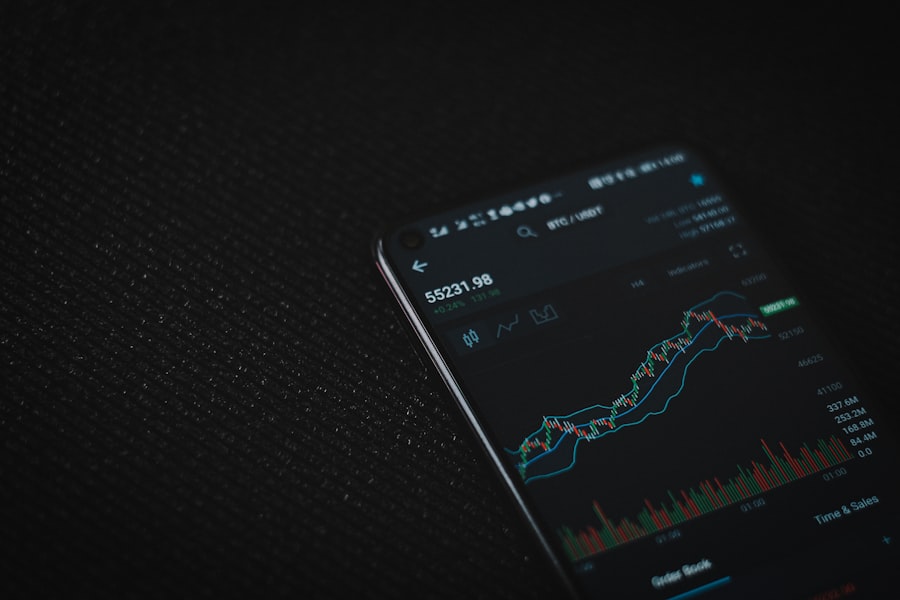
Technical analysis is a method used by traders to evaluate securities by analyzing statistical trends from trading activity. This approach relies on historical price movements and volume data to forecast future price behavior. Traders often use various charting tools and indicators, such as moving averages, Relative Strength Index (RSI), and Bollinger Bands, to identify patterns that may signal potential entry or exit points.
For example, a trader might observe that a stock has consistently bounced off a particular support level in the past; this could indicate a buying opportunity when the price approaches that level again. Moreover, technical analysis can help traders identify trends and reversals in the market. By analyzing price charts over different time frames—such as daily, weekly, or monthly—traders can gain insights into both short-term fluctuations and long-term trends.
For instance, if a stock has been in an upward trend for several months but suddenly shows signs of weakness through lower highs and lower lows, it may signal an impending reversal. Understanding these technical signals allows traders to make more informed decisions about when to enter or exit positions.
Leveraging Fundamental Analysis
| Strategy Name | Time Period | Annual Return (%) | Max Drawdown (%) | Sharpe Ratio | Win Rate (%) | Number of Trades |
|---|---|---|---|---|---|---|
| Mean Reversion | Jan 2020 – Dec 2023 | 12.5 | 8.3 | 1.2 | 58 | 150 |
| Momentum | Jan 2020 – Dec 2023 | 18.7 | 12.1 | 1.5 | 62 | 200 |
| Breakout | Jan 2020 – Dec 2023 | 15.3 | 10.5 | 1.3 | 55 | 180 |
| Pairs Trading | Jan 2020 – Dec 2023 | 10.8 | 6.7 | 1.1 | 60 | 130 |
| Trend Following | Jan 2020 – Dec 2023 | 20.2 | 14.0 | 1.6 | 57 | 220 |
While technical analysis focuses on price movements, fundamental analysis delves into the underlying factors that drive a company’s value. This approach involves evaluating financial statements, industry conditions, and economic factors to determine whether a stock is undervalued or overvalued. Key metrics such as earnings per share (EPS), price-to-earnings (P/E) ratio, and debt-to-equity ratio provide valuable insights into a company’s financial health.
For example, a company with strong earnings growth and low debt levels may be considered a solid investment opportunity. Additionally, understanding industry trends and competitive positioning is crucial in fundamental analysis. A trader should consider how external factors—such as regulatory changes or technological advancements—might impact a company’s performance within its sector.
For instance, the rise of renewable energy has significantly affected traditional fossil fuel companies; those that adapt by investing in sustainable practices may have better long-term prospects than those that do not. By combining fundamental analysis with technical insights, traders can develop a comprehensive view of potential investments.
Diversifying Your Portfolio
Diversification is a key strategy for managing risk in investment portfolios. By spreading investments across various asset classes—such as stocks, bonds, real estate, and commodities—traders can reduce their exposure to any single investment’s volatility. This approach helps mitigate losses during market downturns; for example, if equities decline sharply while bonds remain stable or appreciate in value, the overall impact on the portfolio is less severe.
Moreover, diversification can also be achieved within asset classes by investing in different sectors or geographic regions. A trader might choose to invest in technology stocks alongside consumer goods or healthcare companies to balance potential risks and rewards. Additionally, incorporating international investments can provide exposure to growth opportunities in emerging markets while reducing reliance on domestic economic conditions.
By thoughtfully diversifying their portfolios, traders can enhance their chances of achieving consistent returns over time.
Timing Your Trades
Timing plays a crucial role in trading success; entering or exiting positions at the right moment can significantly impact profitability. While it is impossible to predict market movements with absolute certainty, traders can employ various strategies to improve their timing decisions. One common approach is to use technical indicators that signal potential entry or exit points based on historical price patterns.
For instance, moving average crossovers—where a short-term moving average crosses above or below a long-term moving average—can indicate bullish or bearish trends. Additionally, traders should consider broader market conditions when timing their trades. Economic reports, earnings announcements, and geopolitical events can all influence market sentiment and lead to increased volatility.
For example, if a company is set to release its quarterly earnings report, traders may anticipate significant price movement based on the results compared to analysts’ expectations. By staying informed about upcoming events and utilizing technical signals, traders can enhance their ability to time their trades effectively.
Staying Informed
In the fast-paced world of trading, staying informed is paramount for making sound decisions. Traders should regularly consume financial news from reputable sources to keep abreast of market developments and economic indicators that could impact their investments. Subscribing to financial newsletters or following influential analysts on social media platforms can provide valuable insights into emerging trends and potential opportunities.
Furthermore, participating in trading communities—whether online forums or local meetups—can facilitate knowledge sharing among traders with varying levels of experience. Engaging with others allows for discussions about strategies, market conditions, and individual experiences that can enrich one’s understanding of trading dynamics.
Adapting to Market Conditions
The ability to adapt to changing market conditions is essential for long-term trading success. Markets are influenced by numerous factors that can shift rapidly; therefore, traders must remain flexible in their strategies and approaches. For instance, during periods of high volatility—such as economic crises or geopolitical tensions—traders may need to adjust their risk management techniques or reevaluate their investment thesis for certain assets.
Additionally, recognizing when market conditions favor certain strategies over others is crucial for optimizing performance. In bullish markets, trend-following strategies may yield better results as prices continue to rise; conversely, in bearish markets, short-selling or hedging strategies might be more effective in protecting capital. By continuously assessing market conditions and being willing to pivot when necessary, traders can enhance their resilience and adaptability in the face of uncertainty.
Monitoring Your Performance
Regularly monitoring trading performance is vital for identifying strengths and weaknesses in one’s approach. Traders should maintain detailed records of their trades—including entry and exit points, position sizes, and outcomes—to analyze patterns over time.
Performance metrics such as win rate (the percentage of profitable trades) and risk-reward ratio (the average profit compared to average loss) provide valuable insights into overall effectiveness. For example, if a trader consistently achieves a high win rate but has poor risk-reward ratios, they may need to reassess their exit strategies or position sizing techniques. By systematically evaluating performance data and making adjustments based on findings, traders can refine their skills and enhance their overall trading success.
Seeking Professional Advice
While self-education and independent research are essential components of successful trading, seeking professional advice can provide additional insights and guidance tailored to individual circumstances. Financial advisors or investment professionals possess expertise that can help traders navigate complex markets more effectively. They can offer personalized strategies based on an individual’s financial goals, risk tolerance, and investment horizon.
Moreover, professional advisors often have access to advanced tools and resources that individual traders may not readily have at their disposal. This includes sophisticated analytical software for market analysis or proprietary research reports that provide deeper insights into specific sectors or companies. By collaborating with professionals who understand the intricacies of trading and investing, individuals can enhance their decision-making processes and potentially achieve better outcomes in their financial endeavors.
For those interested in enhancing their trading strategies, a valuable resource is the article on how to refine your trading approach. This piece provides insights into optimizing trading techniques and improving overall performance in real-world scenarios. You can read more about it here: How to Refine Your Trading Approach.
FAQs
What is a real world trading strategy?
A real world trading strategy refers to a systematic plan or method used by traders to buy and sell financial instruments in actual market conditions, as opposed to simulated or backtested environments.
How are real world trading strategy results measured?
Results are typically measured by metrics such as return on investment (ROI), win rate, risk-adjusted returns (e.g., Sharpe ratio), drawdowns, and consistency over time.
Why are real world trading strategy results important?
They provide practical evidence of a strategy’s effectiveness, helping traders understand how it performs under live market conditions, including factors like slippage, transaction costs, and market volatility.
Can backtested trading strategies guarantee real world success?
No, backtested results do not guarantee real world success because live markets involve unpredictable variables, execution delays, and psychological factors that can affect performance.
What factors can affect the performance of a trading strategy in the real world?
Factors include market liquidity, transaction costs, slippage, order execution speed, changing market conditions, and trader discipline.
How can traders validate real world trading strategy results?
Traders can validate results by forward testing with small capital, using paper trading accounts, monitoring performance over time, and comparing results against benchmarks.
Are real world trading strategy results publicly available?
Some traders and firms publish their real world results, but many keep them private due to competitive reasons or regulatory requirements.
What role does risk management play in real world trading strategies?
Risk management is crucial to protect capital, limit losses, and ensure the sustainability of a trading strategy in live markets.
How often should real world trading strategy results be reviewed?
Results should be reviewed regularly, such as weekly or monthly, to assess performance, make necessary adjustments, and respond to changing market conditions.
Can real world trading strategy results vary across different markets?
Yes, performance can vary significantly depending on the market, asset class, and time frame due to differing volatility, liquidity, and market behavior.