
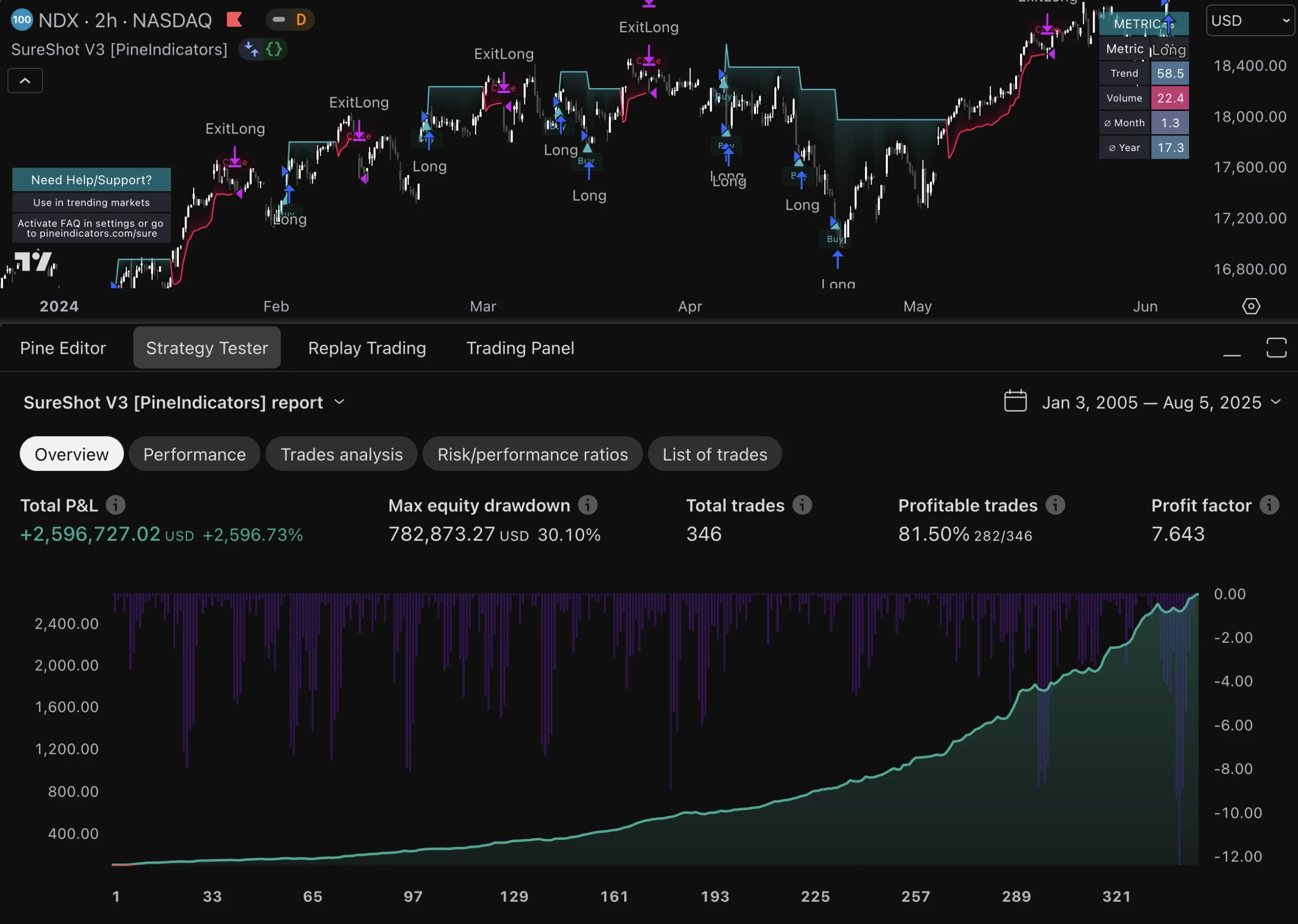
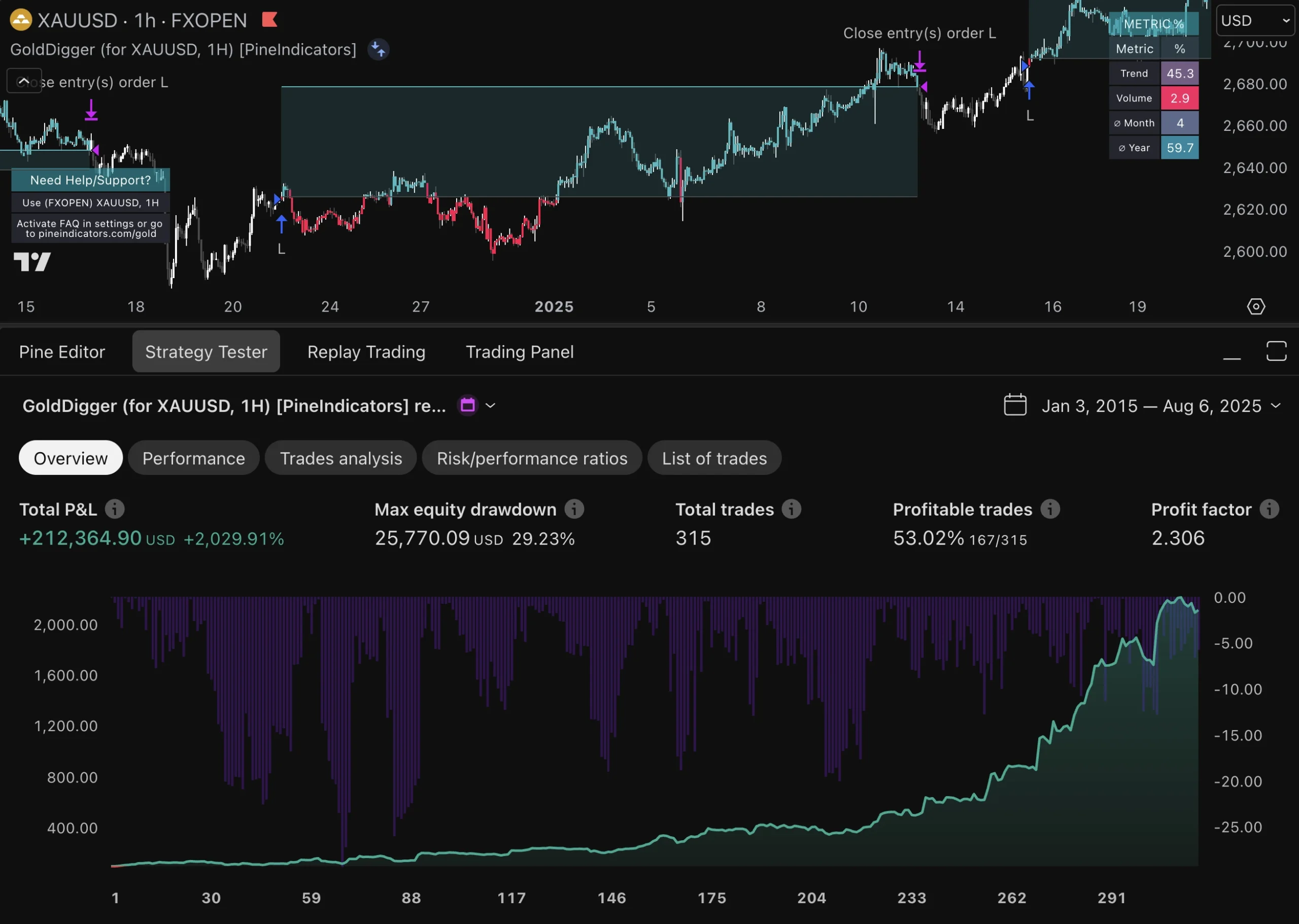
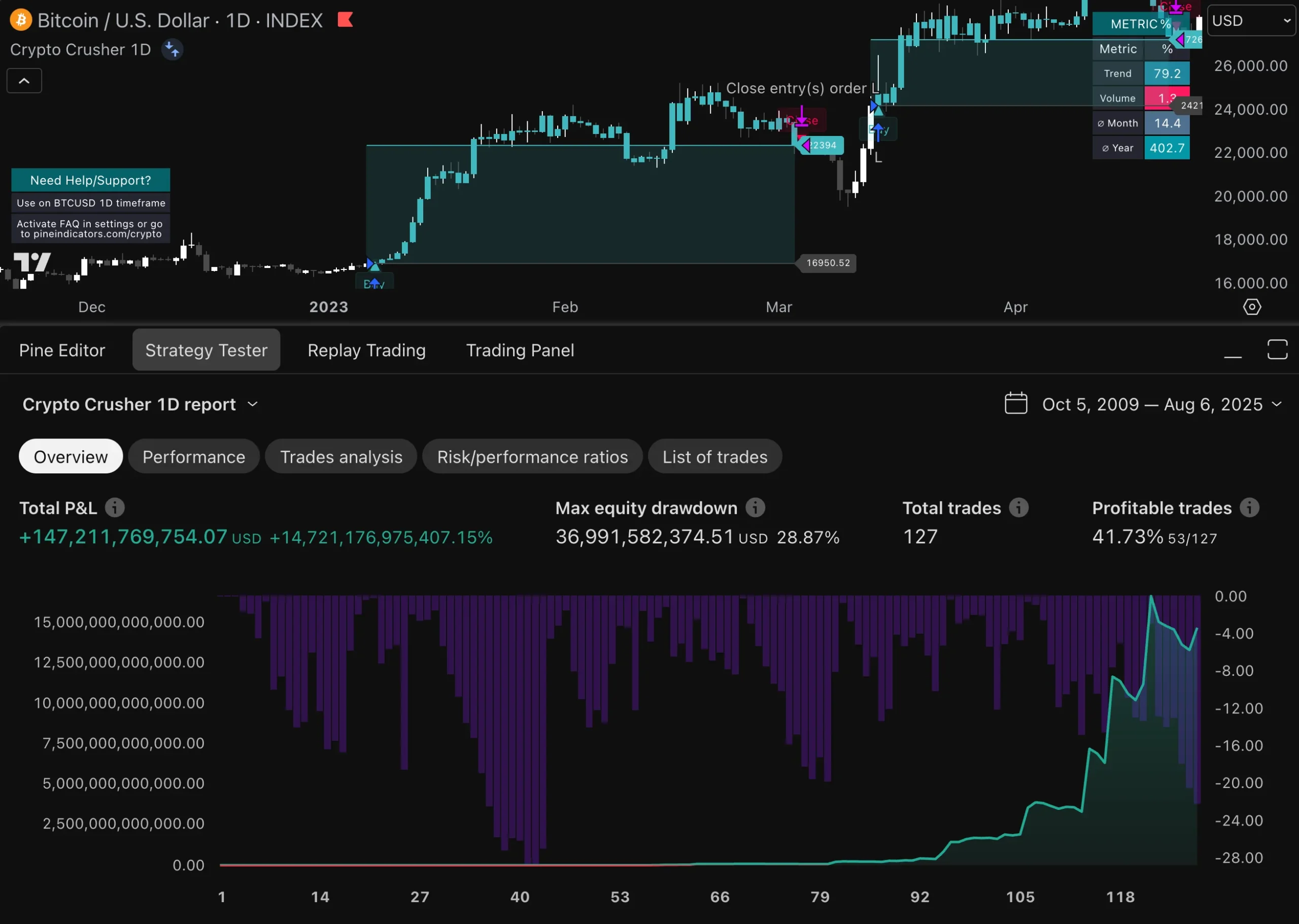
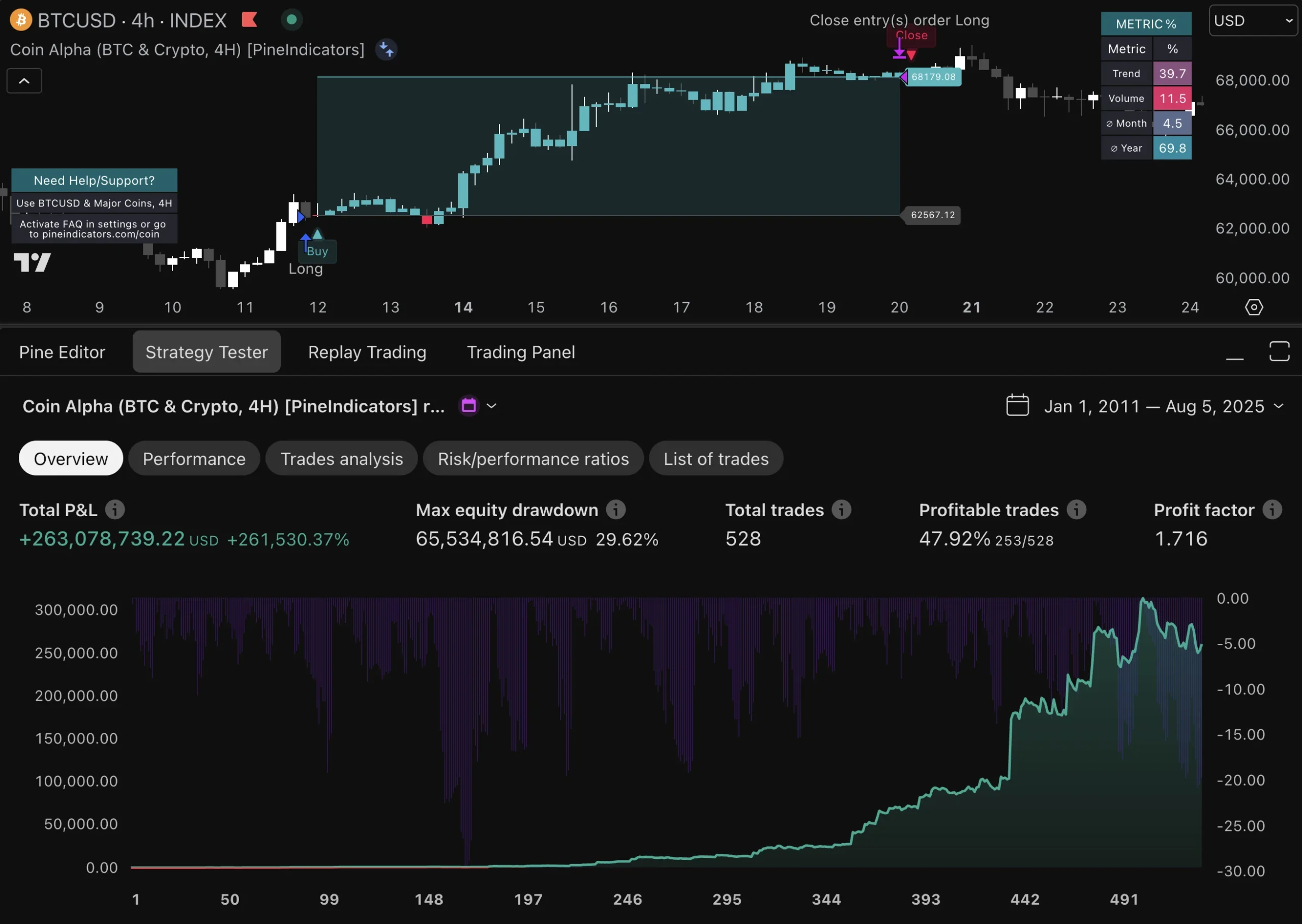
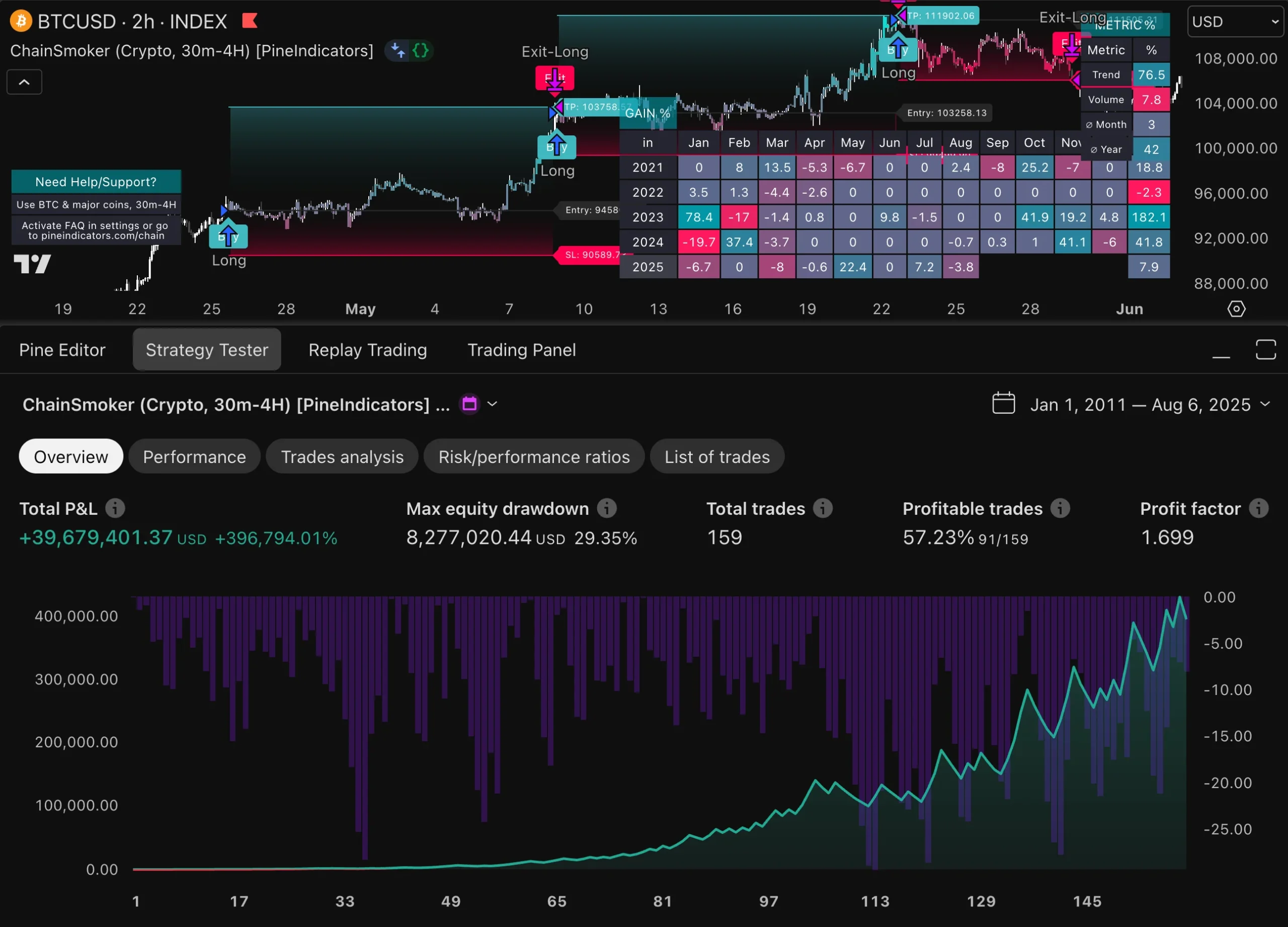
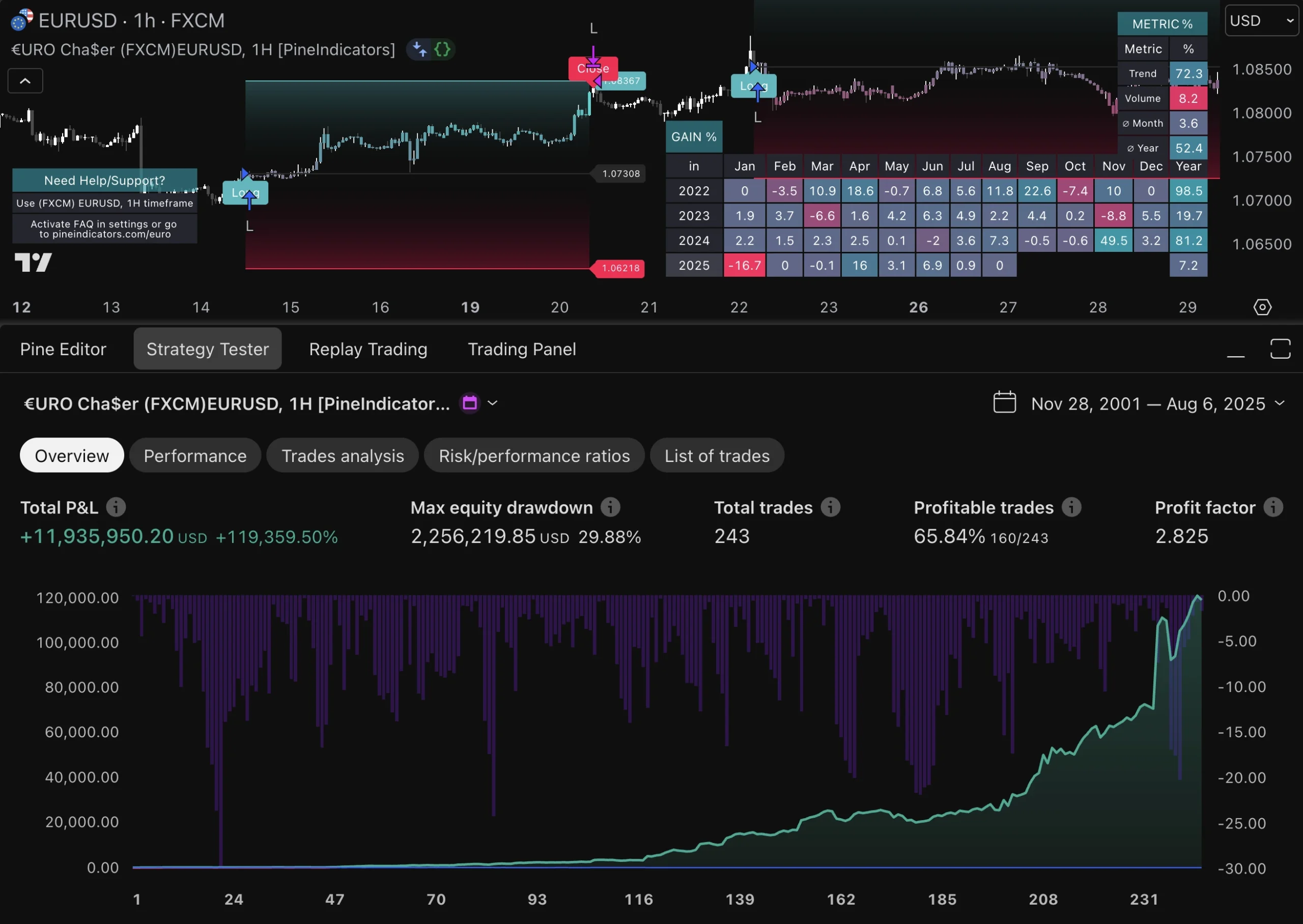
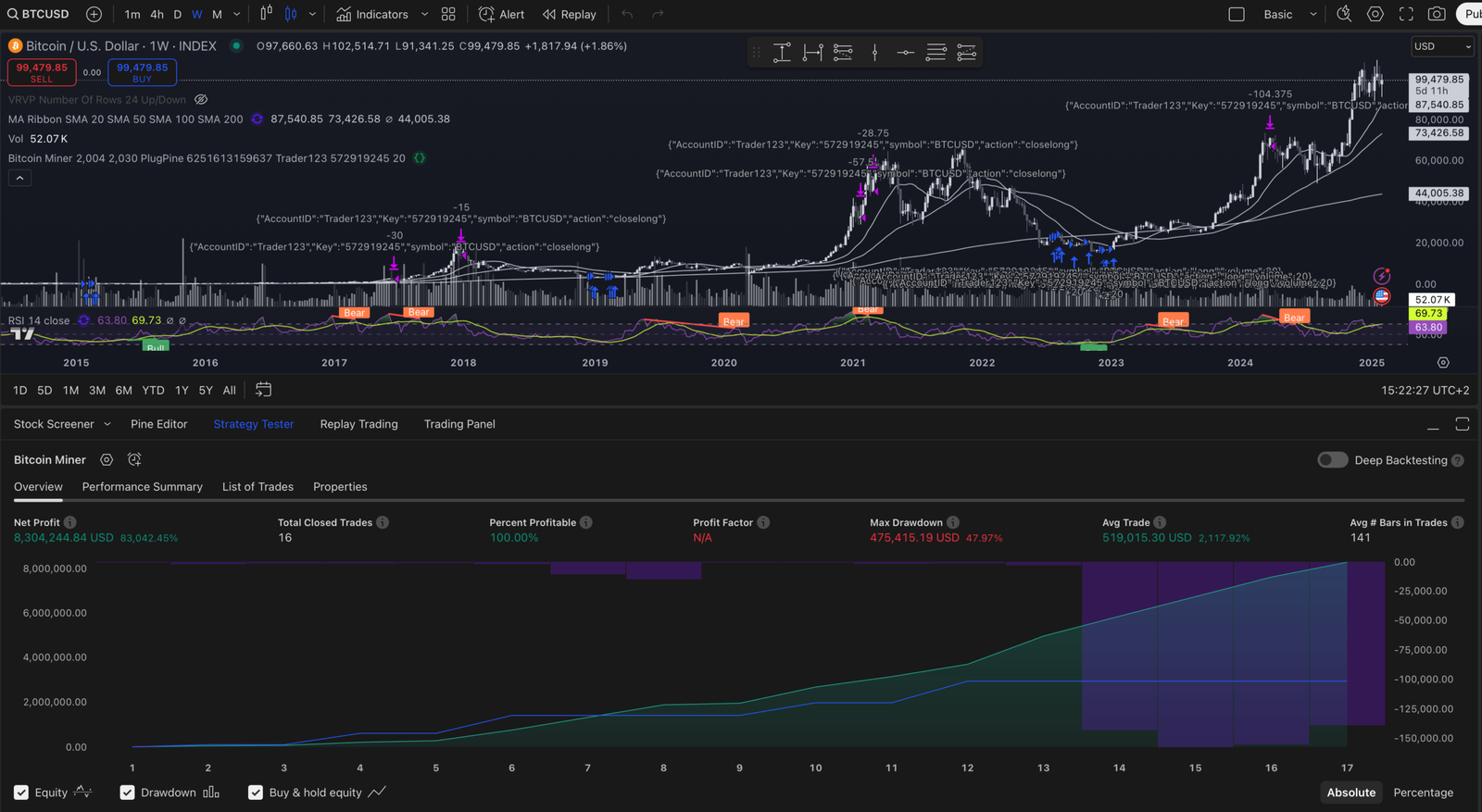
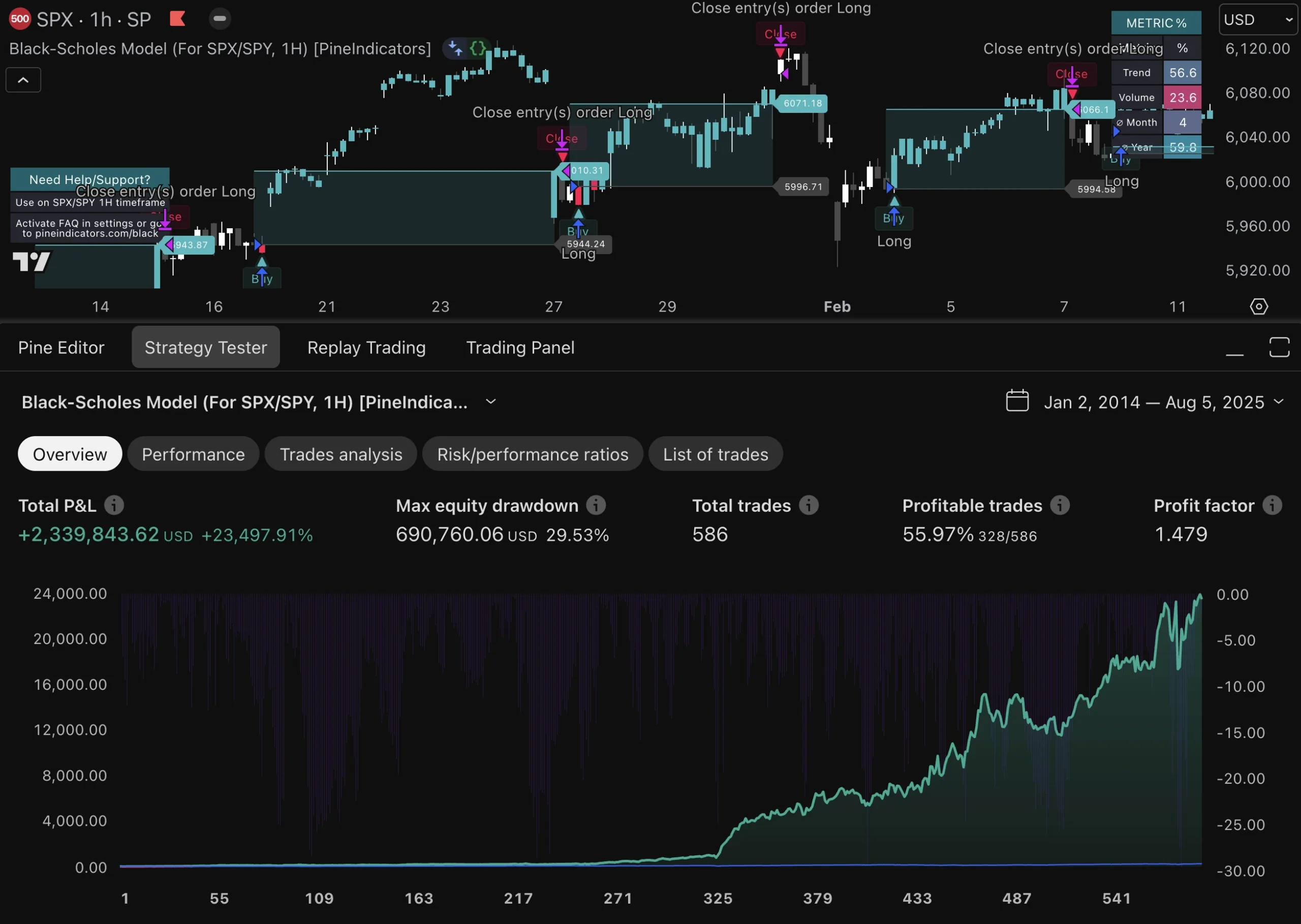
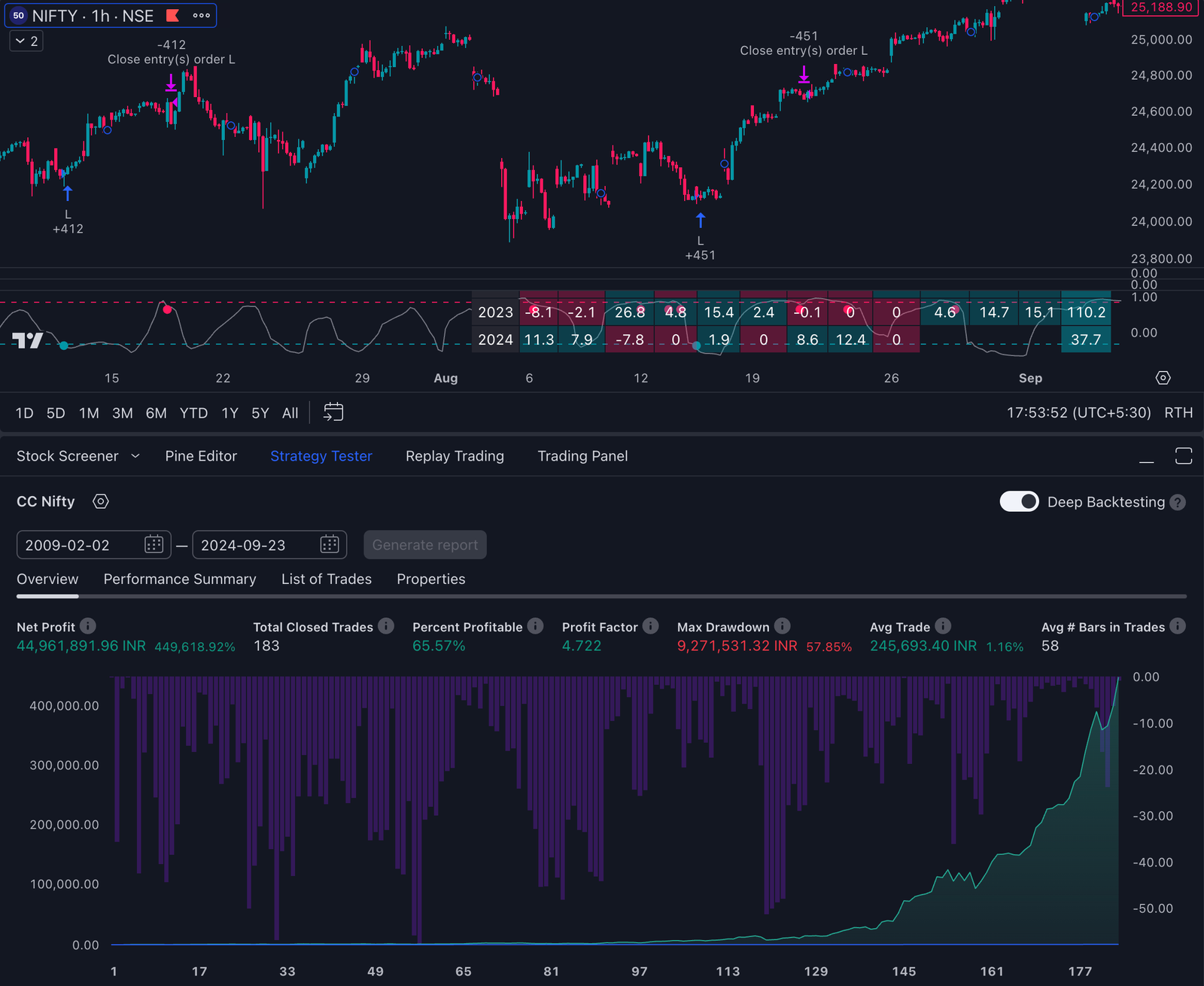
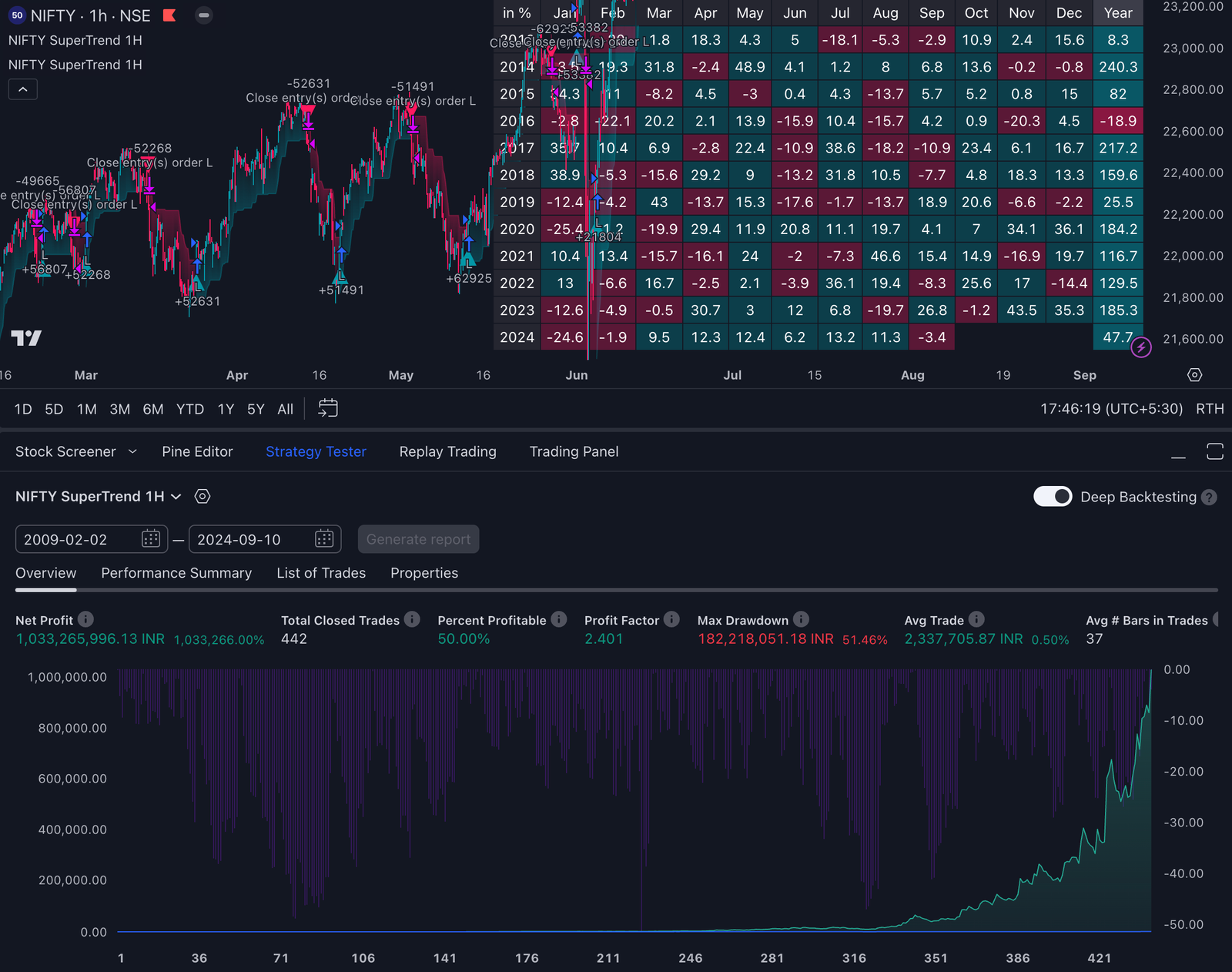

Multi timeframe strategy is a trading approach that involves analyzing price movements across different timeframes to make informed trading decisions. This method allows traders to gain a comprehensive view of market dynamics, as it combines insights from both short-term and long-term trends. By examining various timeframes, traders can identify potential entry and exit points that may not be visible when focusing solely on a single timeframe.
For instance, a trader might look at the daily chart to understand the overall trend while using the hourly chart to pinpoint precise entry levels. The essence of multi timeframe analysis lies in its ability to provide a broader context for price movements. A trader might observe that a stock is in a bullish trend on the daily chart, but a closer look at the hourly chart could reveal short-term pullbacks or consolidations.
This dual perspective enables traders to align their strategies with the prevailing market sentiment, enhancing their chances of success. Moreover, by integrating multiple timeframes, traders can filter out noise and focus on significant price movements that align with their trading goals.
Key Takeaways
- Multi timeframe strategy involves analyzing multiple timeframes to improve trading decisions.
- Identifying key timeframes and confirming signals with indicators enhances accuracy.
- Effective risk and reward management is crucial for maximizing returns.
- Regular performance evaluation and backtesting help optimize the strategy.
- Incorporating fundamental analysis alongside technicals provides a comprehensive approach.
Importance of Maximizing Returns
Maximizing returns is a fundamental objective for any trader or investor. In the context of multi timeframe strategies, this goal becomes even more critical as it allows traders to capitalize on various market conditions. By leveraging insights from multiple timeframes, traders can identify high-probability setups that offer favorable risk-reward ratios.
For example, if a trader identifies a strong bullish trend on the weekly chart, they may look for buying opportunities on the daily or hourly charts, thereby increasing their potential for profit. Furthermore, maximizing returns is not solely about identifying winning trades; it also involves minimizing losses. A well-structured multi timeframe strategy can help traders avoid entering trades during unfavorable conditions.
By analyzing longer timeframes for overall trends and shorter timeframes for precise entry points, traders can make more informed decisions that align with their risk tolerance and investment objectives. This disciplined approach not only enhances profitability but also contributes to long-term success in trading.
Identifying Key Timeframes for Analysis

Identifying the appropriate timeframes for analysis is crucial in developing an effective multi timeframe strategy. Traders typically select a combination of long-term, medium-term, and short-term charts to create a comprehensive view of market conditions. For instance, a common approach is to use the weekly chart for long-term trends, the daily chart for medium-term analysis, and the hourly or 15-minute chart for short-term trading decisions.
This triad of timeframes allows traders to align their strategies with both macro and micro market movements. The choice of timeframes may vary depending on individual trading styles and objectives. Day traders may focus primarily on shorter timeframes, such as 5-minute or 15-minute charts, while swing traders might prefer daily and weekly charts to capture larger price movements over several days or weeks.
Additionally, understanding the characteristics of each timeframe is essential; longer timeframes tend to provide more reliable signals due to reduced noise, while shorter timeframes can offer timely entry and exit points. By carefully selecting key timeframes, traders can enhance their analytical capabilities and improve their overall trading performance.
Implementing Multi Timeframe Analysis
Implementing multi timeframe analysis requires a systematic approach that integrates insights from various charts into a cohesive trading strategy. The first step involves conducting a thorough analysis of the higher timeframe to identify the prevailing trend. For example, if the weekly chart indicates an uptrend, traders may look for buying opportunities on lower timeframes.
This top-down approach ensures that trades are aligned with the overall market direction, increasing the likelihood of success. Once the higher timeframe trend is established, traders can shift their focus to medium and lower timeframes to identify specific entry and exit points. This may involve looking for patterns such as support and resistance levels, trendlines, or chart formations that signal potential reversals or continuations.
For instance, if a trader identifies a bullish flag pattern on the daily chart while the weekly trend remains upward, they may consider entering a long position when the price breaks above the flag’s resistance level on an hourly chart. This methodical implementation of multi timeframe analysis allows traders to make informed decisions based on a comprehensive understanding of market dynamics.
Analyzing Price Action across Different Timeframes
| Timeframe | Win Rate (%) | Average Return (%) | Max Drawdown (%) | Sharpe Ratio | Number of Trades |
|---|---|---|---|---|---|
| 1-Minute | 52.3 | 0.15 | 3.2 | 1.1 | 450 |
| 5-Minute | 56.7 | 0.45 | 4.5 | 1.4 | 320 |
| 15-Minute | 60.1 | 0.85 | 5.0 | 1.7 | 210 |
| 1-Hour | 63.5 | 1.25 | 6.2 | 1.9 | 150 |
| 4-Hour | 65.0 | 2.10 | 7.8 | 2.1 | 90 |
| Daily | 68.2 | 3.50 | 9.0 | 2.5 | 60 |
Price action analysis is a critical component of multi timeframe strategies, as it provides insights into market behavior without relying heavily on indicators. By observing how price moves across different timeframes, traders can identify key levels of support and resistance, as well as potential reversal points. For example, if a stock consistently bounces off a particular support level on the daily chart while showing bullish candlestick patterns on the hourly chart, this convergence of signals can strengthen the case for entering a long position.
Moreover, analyzing price action across multiple timeframes allows traders to gauge market sentiment more effectively.
Conversely, if price action shows signs of weakness on lower timeframes despite an overall bullish trend on higher timeframes, it may signal caution and prompt traders to reconsider their positions.
This nuanced understanding of price action enhances decision-making and helps traders navigate complex market conditions.
Utilizing Indicators and Oscillators for Confirmation

While price action analysis is invaluable, incorporating technical indicators and oscillators can provide additional confirmation for trading decisions within a multi timeframe strategy. Indicators such as moving averages, Relative Strength Index (RSI), and MACD can help traders identify trends and potential reversals more effectively. For instance, if a trader observes that the price is above its 50-day moving average on the daily chart while the RSI indicates overbought conditions on the hourly chart, this divergence may prompt them to consider taking profits or adjusting their stop-loss levels.
Oscillators like Stochastic or RSI can also be particularly useful in identifying overbought or oversold conditions across different timeframes. A trader might notice that while the daily chart shows an uptrend, the hourly RSI has reached overbought territory. This situation could indicate that a short-term pullback is imminent, allowing the trader to adjust their strategy accordingly.
By combining price action analysis with indicators and oscillators, traders can enhance their decision-making process and increase their chances of executing successful trades.
Managing Risk and Reward Ratio
Effective risk management is paramount in any trading strategy, and this principle holds true for multi timeframe approaches as well. A well-defined risk-reward ratio helps traders assess whether potential trades are worth taking based on their risk tolerance and overall trading plan. Typically, traders aim for a risk-reward ratio of at least 1:2 or higher; this means that for every dollar risked, they seek to gain two dollars in profit.
By analyzing price action across multiple timeframes, traders can identify optimal stop-loss levels that align with their risk-reward criteria.
By examining recent swing lows on the hourly chart and considering volatility levels from the daily chart, they can set a stop-loss that minimizes risk while allowing enough room for price fluctuations.
This disciplined approach to risk management not only protects capital but also fosters confidence in executing trades based on multi timeframe analysis.
Evaluating Performance and Adjusting the Strategy
Regularly evaluating performance is essential for any trader employing a multi timeframe strategy. By analyzing past trades and assessing their outcomes, traders can identify patterns in their decision-making processes and refine their strategies accordingly. Keeping detailed records of trades—including entry and exit points, reasons for taking each trade, and outcomes—enables traders to pinpoint areas for improvement and adjust their approach as needed.
For instance, if a trader notices that they consistently struggle with trades taken during specific market conditions or timeframes, they may choose to modify their strategy by focusing on more favorable setups or adjusting their risk management techniques. Additionally, evaluating performance allows traders to remain adaptable in changing market environments; what works well in one market phase may not be effective in another. By continuously assessing performance and making necessary adjustments, traders can enhance their multi timeframe strategies over time.
Incorporating Fundamental Analysis in Multi Timeframe Strategy
While technical analysis forms the backbone of multi timeframe strategies, incorporating fundamental analysis can provide valuable context for trading decisions. Understanding economic indicators, earnings reports, geopolitical events, and other fundamental factors can help traders gauge market sentiment and anticipate potential price movements across different timeframes. For example, if a company is set to release its quarterly earnings report soon and analysts expect strong results based on recent economic data, this information could influence trading decisions across multiple timeframes.
Traders might analyze how fundamental news impacts price action on longer timeframes while using shorter timeframes to execute trades based on immediate reactions to news releases. For instance, if positive earnings results lead to an initial spike in stock prices on the daily chart but show signs of volatility on the hourly chart due to profit-taking behavior, traders can adjust their strategies accordingly—perhaps by entering positions after initial volatility subsides or by setting tighter stop-loss orders during uncertain periods.
Backtesting and Optimizing the Strategy
Backtesting is an essential step in developing a robust multi timeframe strategy. By applying historical data to test how well a strategy would have performed under various market conditions, traders can gain insights into its effectiveness before risking real capital. This process involves simulating trades based on past price movements across selected timeframes while adhering to predefined entry and exit criteria.
During backtesting, traders should analyze key performance metrics such as win rate, average profit per trade, maximum drawdown, and overall profitability. These metrics provide valuable feedback on whether adjustments are needed in terms of risk management or trade execution rules. Additionally, backtesting allows traders to identify optimal parameters for indicators used within their multi timeframe strategy—such as moving average periods or oscillator settings—ensuring that they are tailored to specific market conditions.
Monitoring and Fine-Tuning the Multi Timeframe Strategy
Once a multi timeframe strategy has been implemented and backtested successfully, ongoing monitoring is crucial for maintaining its effectiveness in real-time trading environments. Market conditions are constantly evolving; therefore, what worked previously may not yield similar results in the future. Traders should regularly review their strategies against current market dynamics and adjust parameters as necessary.
Fine-tuning involves staying attuned to changes in volatility levels or shifts in market sentiment that could impact trade setups across different timeframes. For example, if increased volatility leads to wider price swings than previously observed, traders may need to adjust stop-loss levels or take-profit targets accordingly. Additionally, keeping abreast of economic news releases or geopolitical developments can help inform adjustments to trading strategies based on fundamental shifts affecting market behavior.
By actively monitoring performance metrics and adapting strategies based on real-time observations from multiple timeframes—while remaining disciplined in risk management—traders can enhance their chances of achieving consistent success in dynamic financial markets.
A multi-timeframe strategy can significantly enhance trading performance by providing a broader perspective on market trends and price action. For those interested in exploring automated solutions that can help implement such strategies, a related article on automated TradingView indicators can be found here: Automated TradingView Indicators. This resource offers insights into how to effectively utilize indicators across different timeframes to optimize trading decisions.
FAQs
What is a multi timeframe strategy in trading?
A multi timeframe strategy involves analyzing and trading financial instruments using multiple chart timeframes, such as daily, hourly, and minute charts, to gain a comprehensive view of market trends and improve decision-making.
How does multi timeframe analysis improve trading performance?
By examining different timeframes, traders can identify stronger trends, confirm signals, and reduce false entries, which can lead to more accurate trade setups and potentially better overall performance.
What are common timeframes used in a multi timeframe strategy?
Traders often use a combination of long-term (e.g., daily or weekly), medium-term (e.g., 4-hour or hourly), and short-term (e.g., 15-minute or 5-minute) charts to analyze market conditions and time their entries and exits effectively.
Can multi timeframe strategies be applied to all markets?
Yes, multi timeframe strategies can be applied across various markets including stocks, forex, commodities, and cryptocurrencies, as the concept of analyzing multiple timeframes is universal in technical analysis.
What are the challenges of using a multi timeframe strategy?
Challenges include increased complexity in analysis, potential conflicting signals between timeframes, and the need for more time and skill to interpret multiple charts effectively.
Is backtesting important for multi timeframe strategies?
Yes, backtesting helps traders evaluate the historical performance of their multi timeframe strategy, identify strengths and weaknesses, and optimize parameters before applying it in live trading.
Does using multiple timeframes guarantee better trading results?
No, while multi timeframe analysis can enhance decision-making, it does not guarantee profits. Successful trading also depends on risk management, discipline, and market conditions.
How do traders typically combine signals from different timeframes?
Traders often use higher timeframes to identify the overall trend and lower timeframes to time entries and exits, ensuring that trades align with the broader market direction for higher probability setups.