
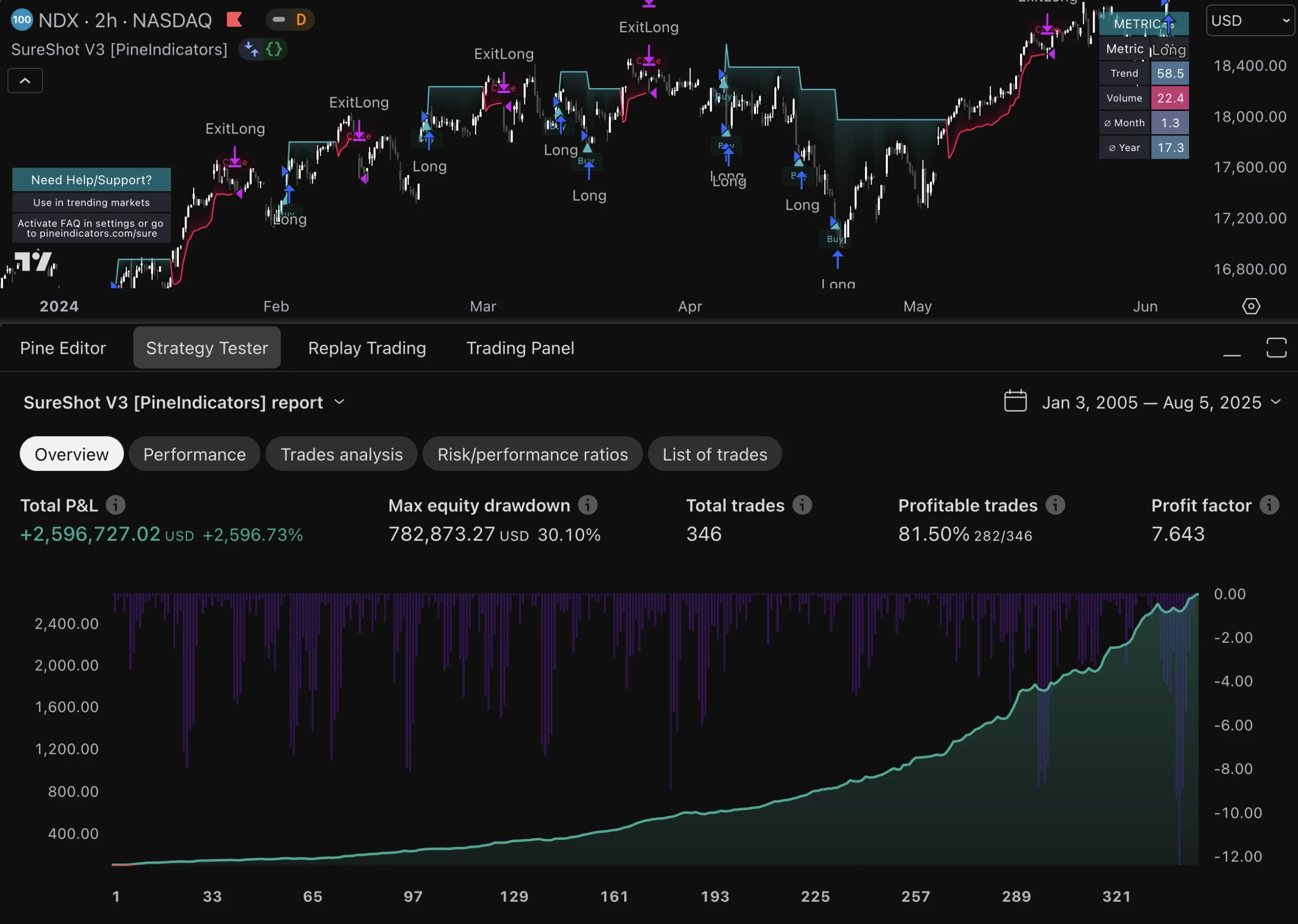
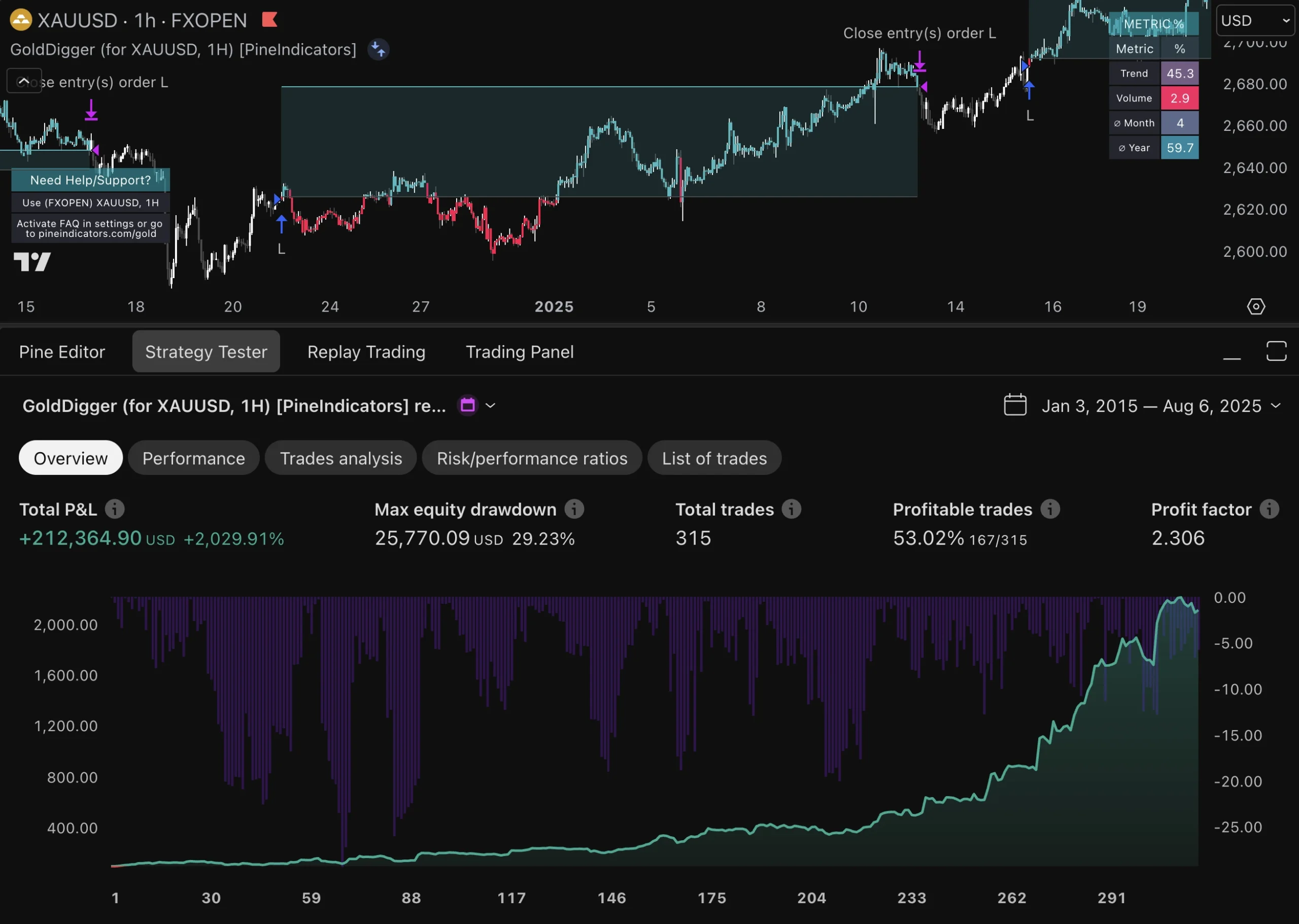
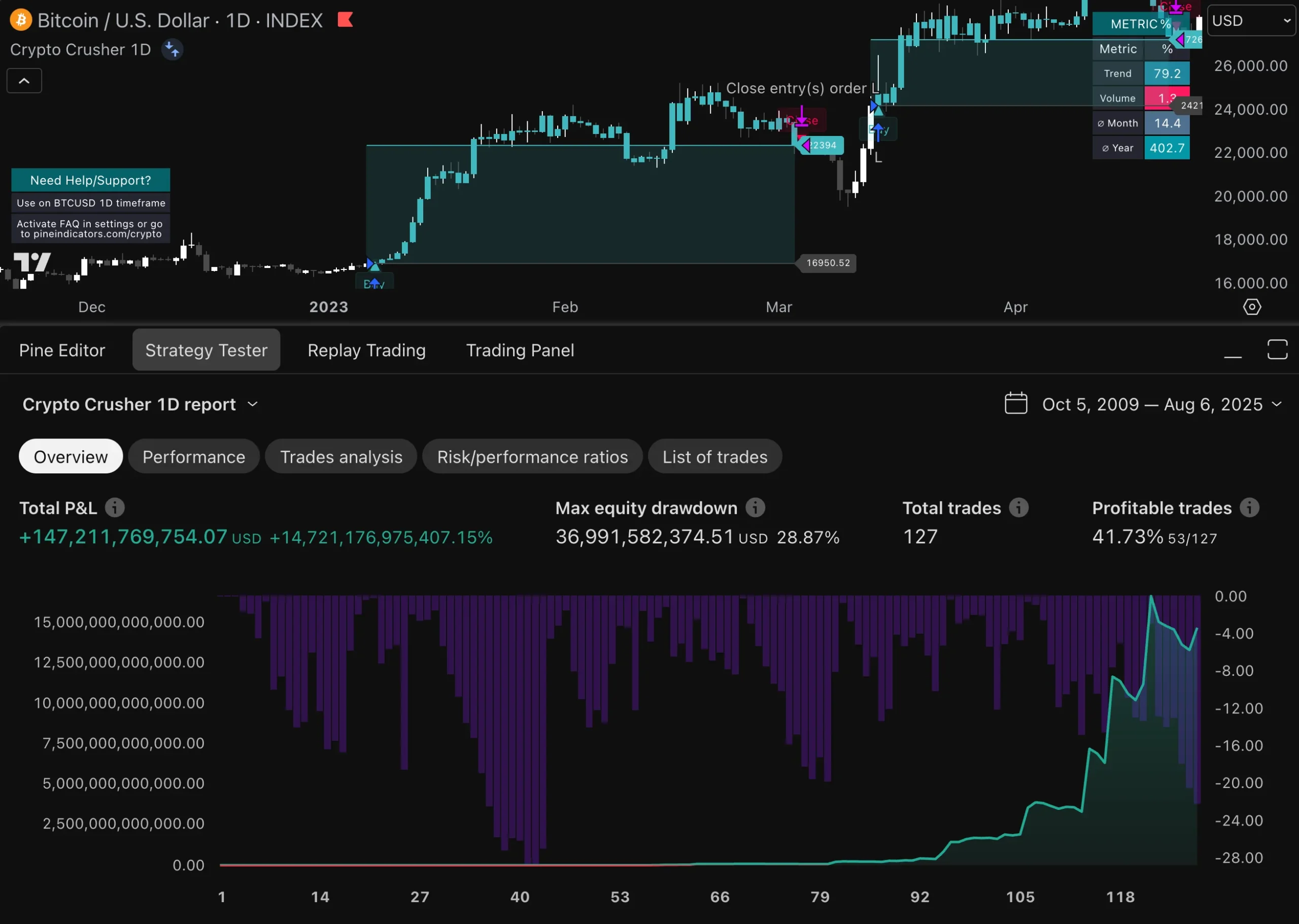
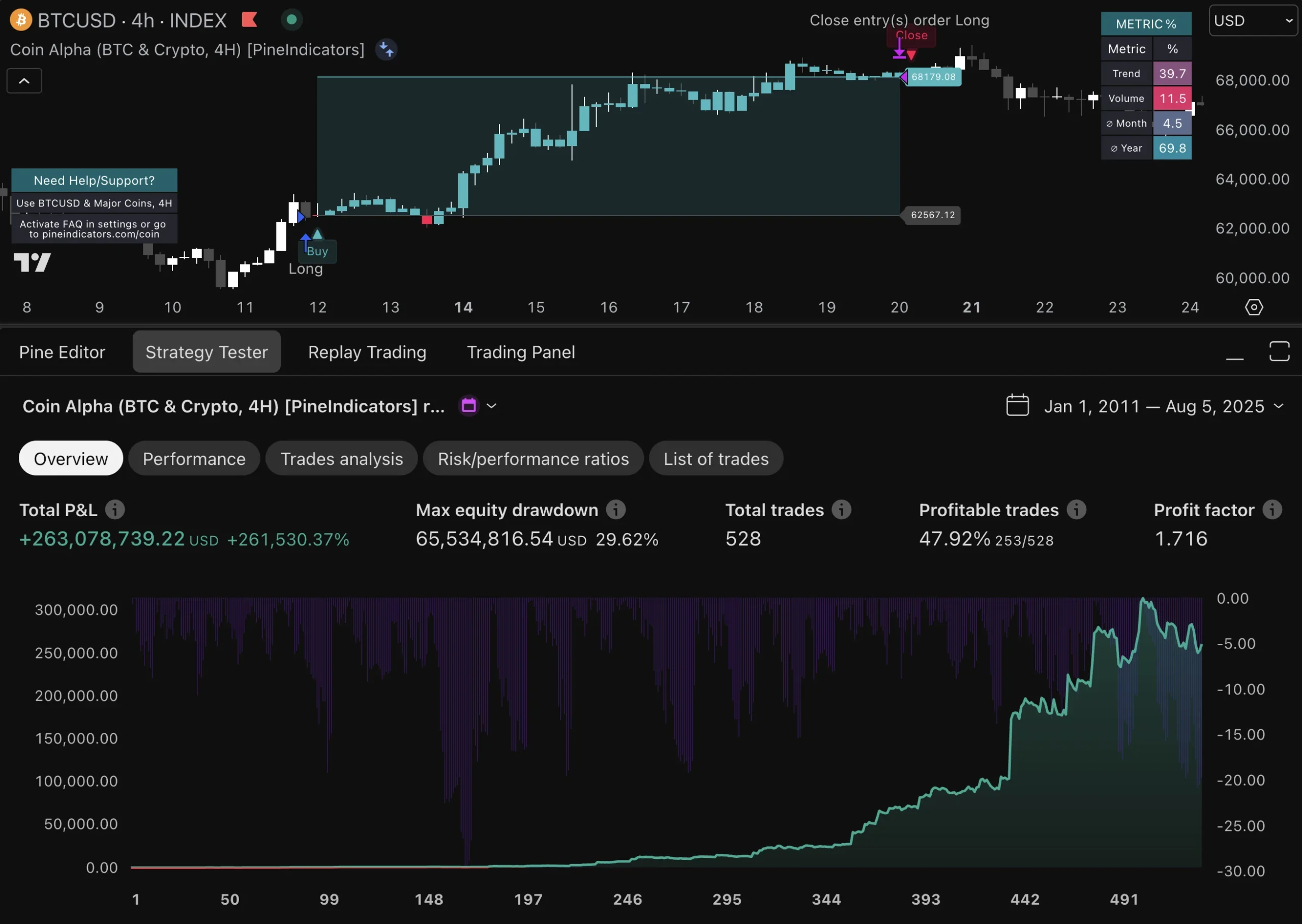
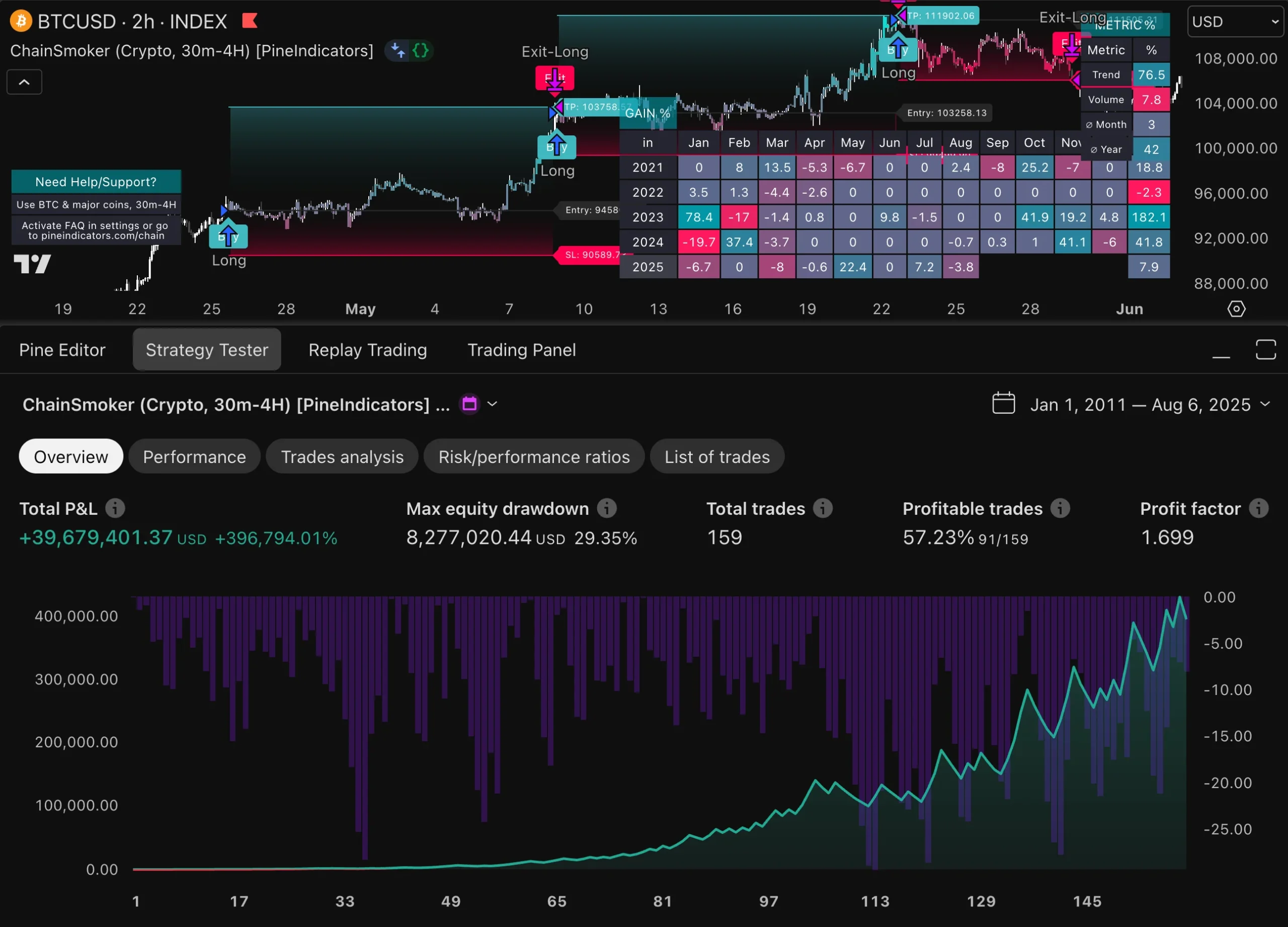
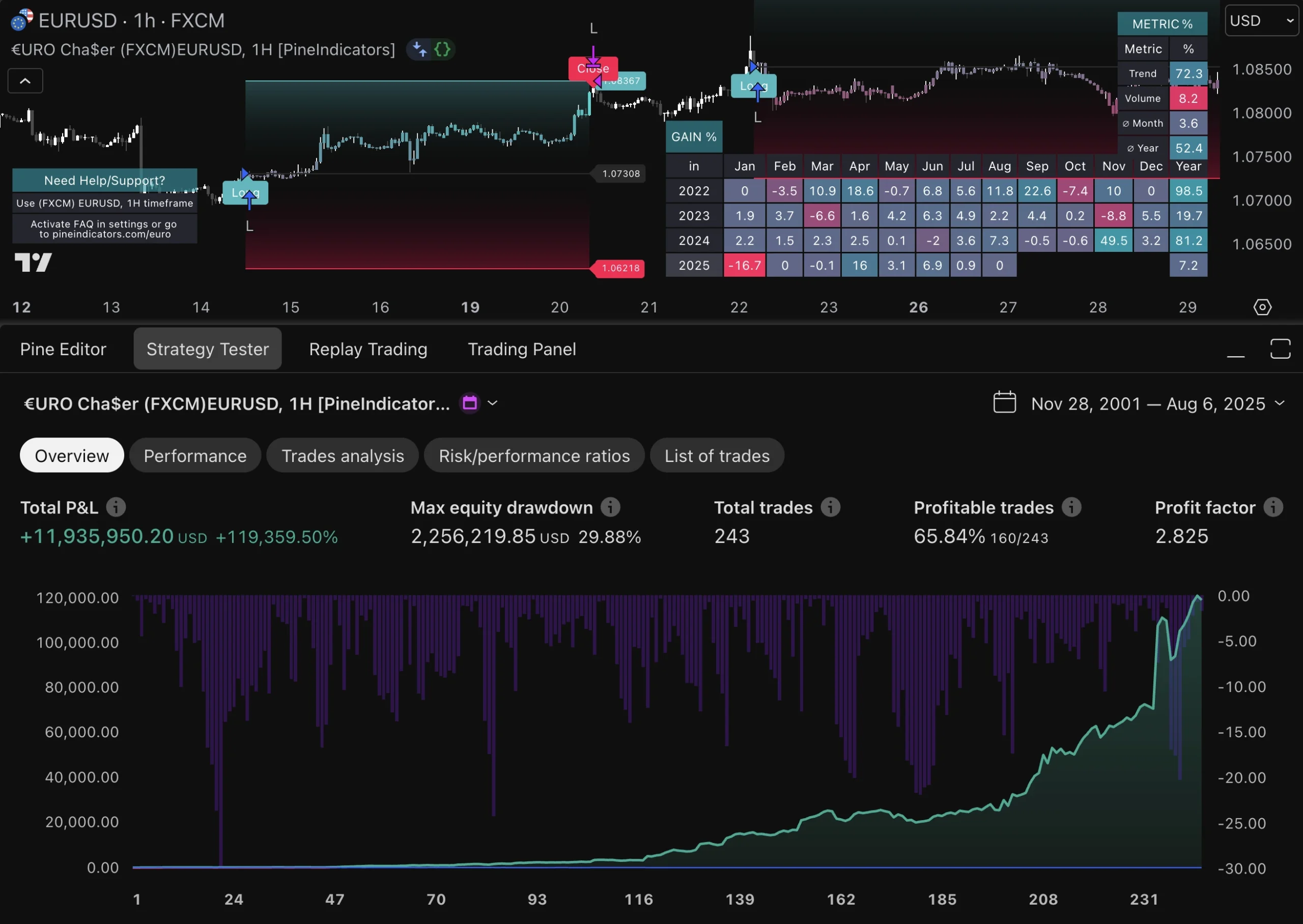
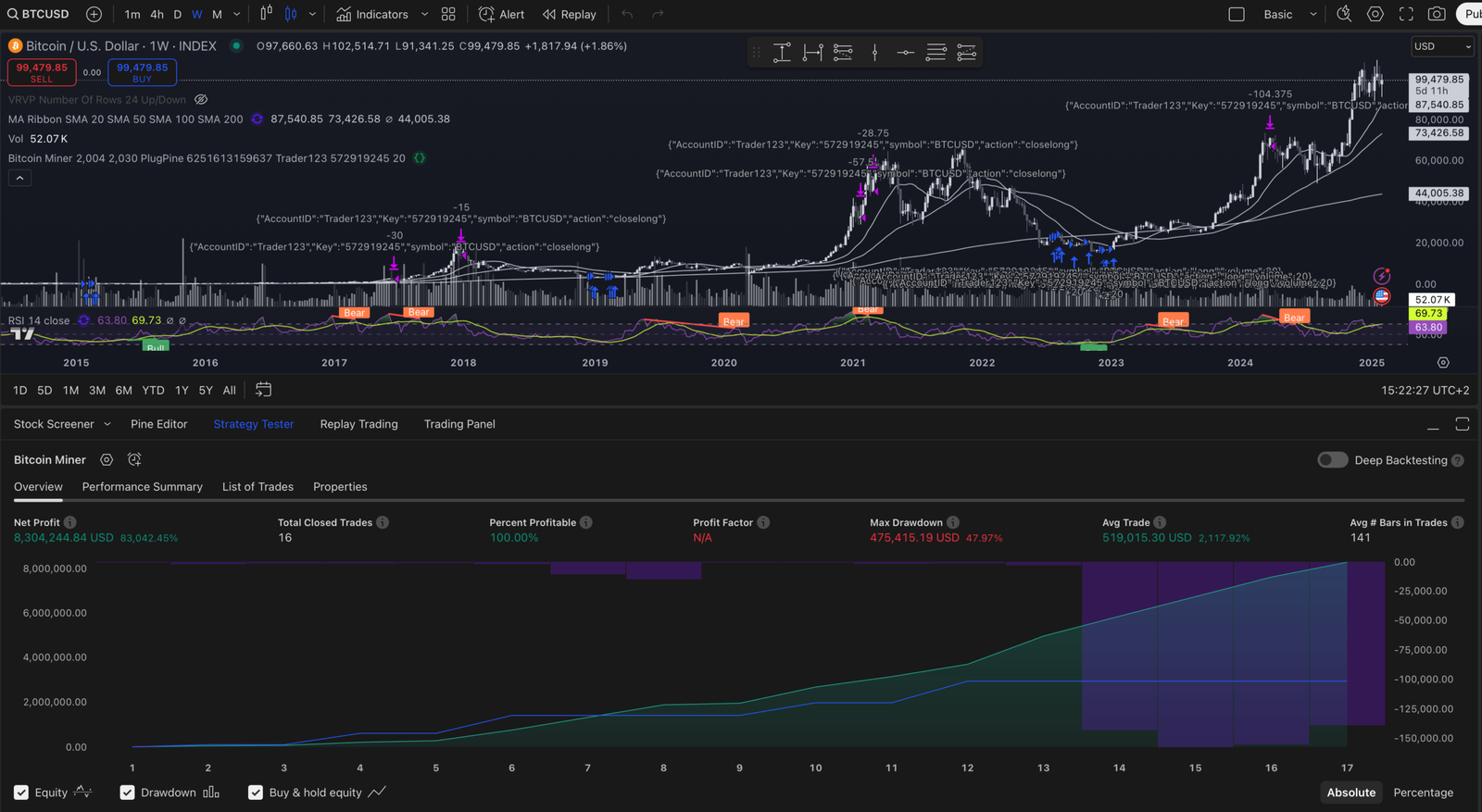
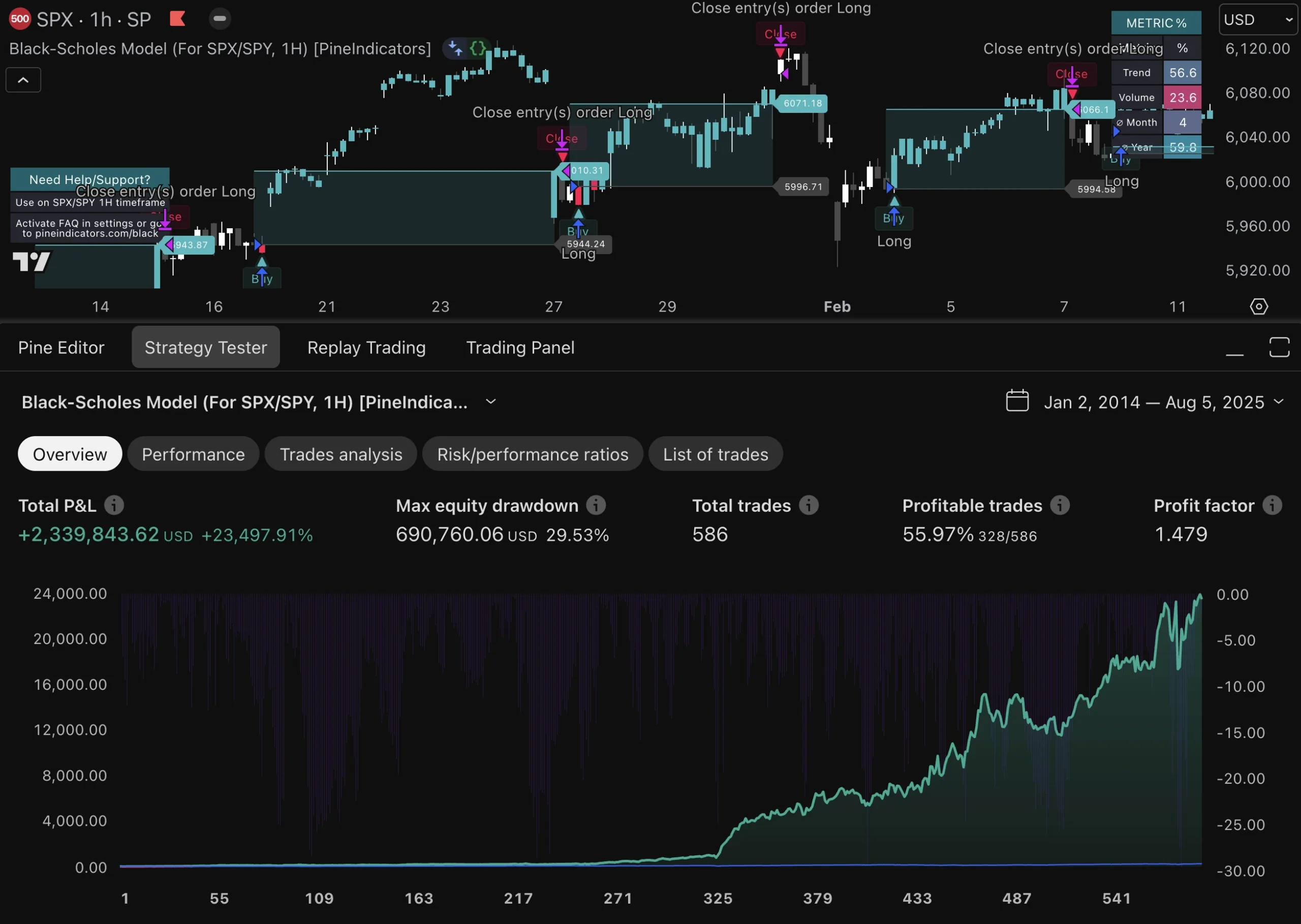
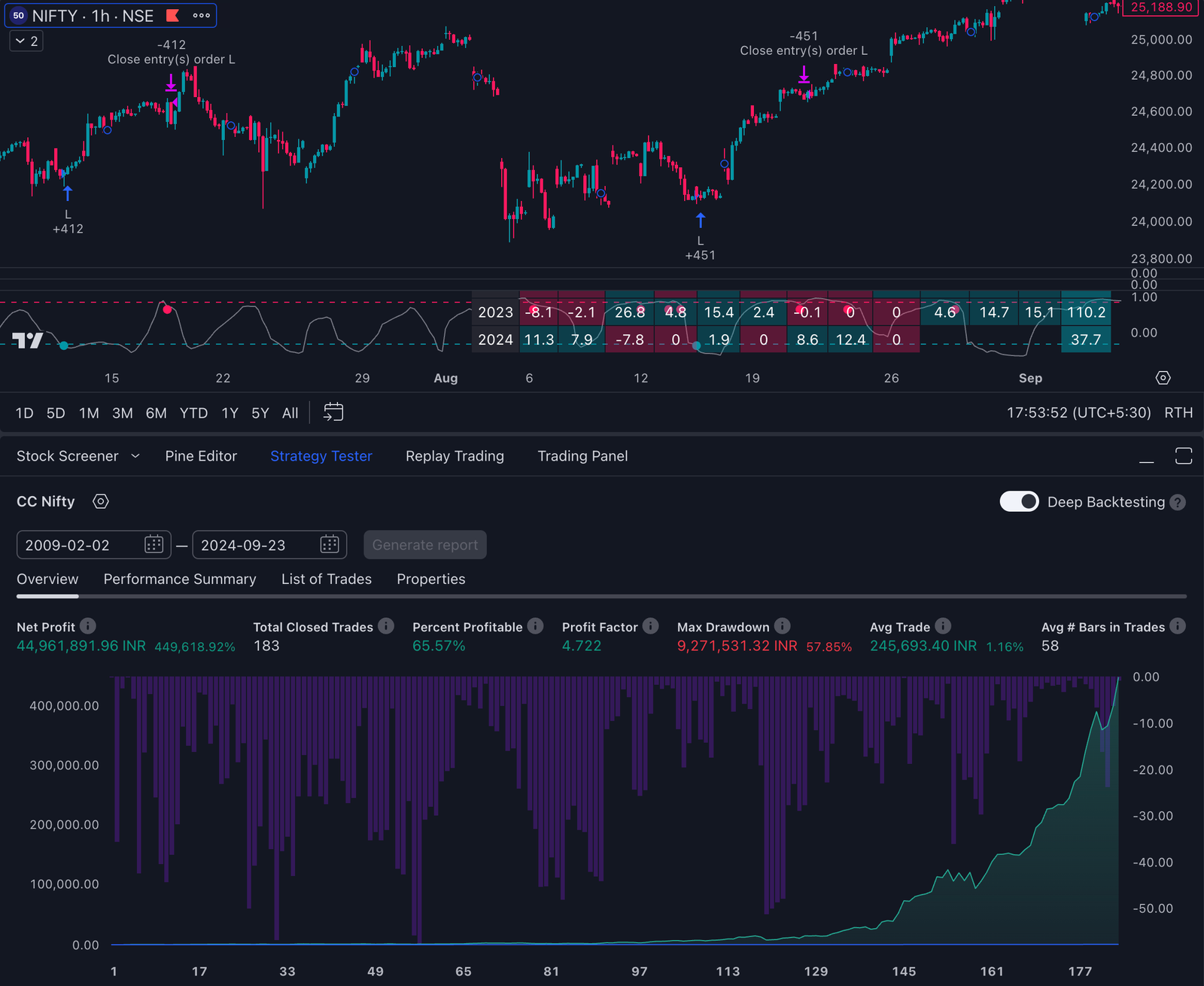
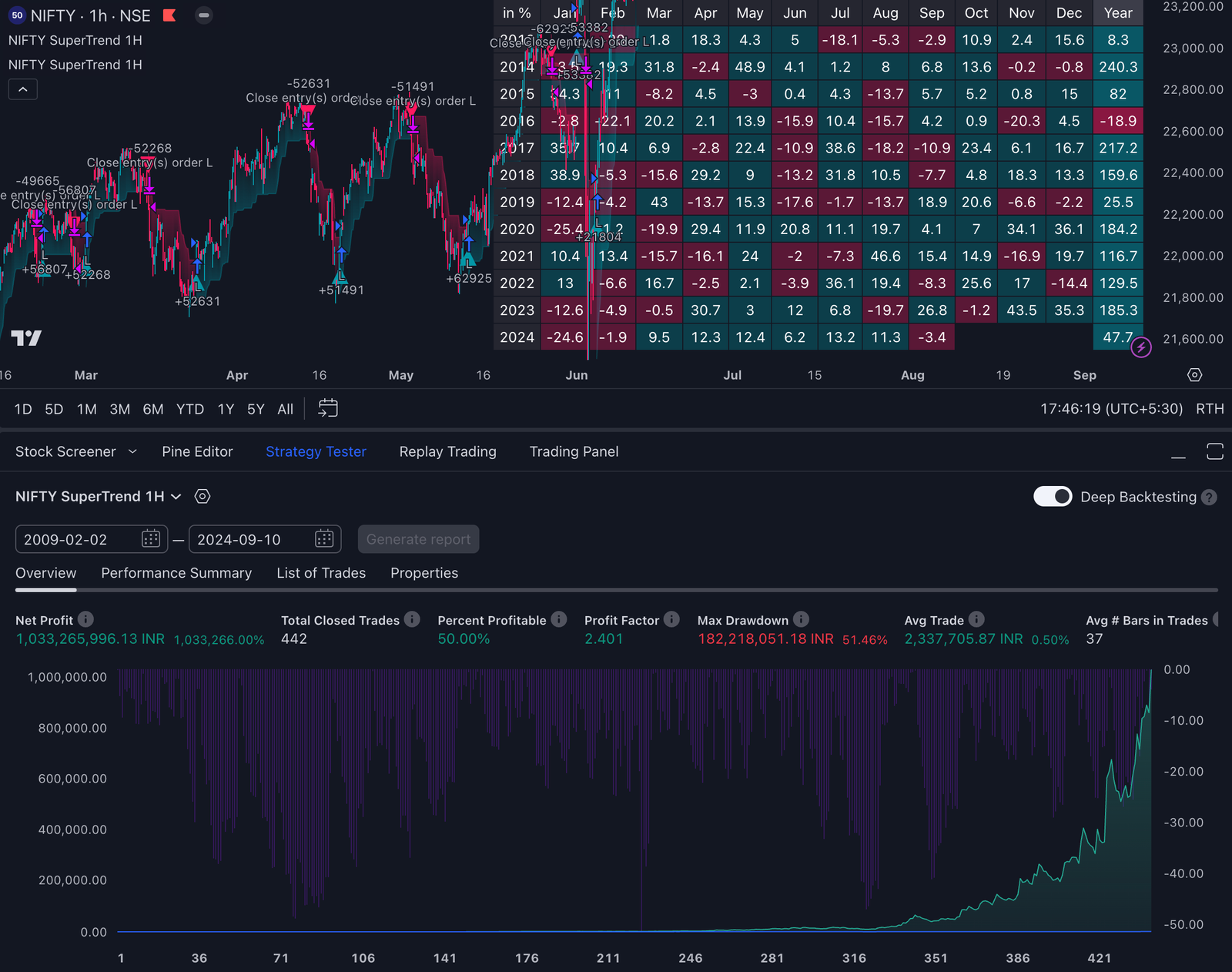

Trading strategies are systematic methodologies used by traders to determine when to buy and sell financial instruments. These approaches differ based on individual objectives, risk tolerance levels, and prevailing market conditions. A trading strategy’s primary function is to establish a structured decision-making framework that minimizes emotional influences, which frequently result in suboptimal trading performance.
In volatile financial markets, implementing a clearly defined strategy is essential for achieving consistent results and effectively managing market complexities. Strategy development involves comprehensive analysis, research, and backtesting procedures. Traders utilize multiple analytical approaches, including fundamental analysis (examining economic indicators and company financials), technical analysis (studying price patterns and market data), and sentiment analysis (evaluating market psychology and investor behavior).
Each methodology offers distinct advantages and can be adapted to various trading timeframes and styles, from short-term day trading focused on rapid profit generation to long-term investment strategies designed for wealth accumulation. Mastering these strategic approaches is fundamental for market participants, as it establishes the foundation for systematic and informed decision-making in financial markets.
Key Takeaways
- Trading strategies can be broadly categorized into fundamental, technical, and various tactical approaches like trend following and breakout trading.
- Fundamental analysis focuses on evaluating a security’s intrinsic value through economic and financial factors.
- Technical analysis uses historical price data and chart patterns to predict future market movements.
- Effective risk management and understanding trading psychology are crucial for long-term trading success.
- Different trading styles, such as swing trading and scalping, cater to varying timeframes and risk tolerances.
Fundamental Analysis for Trading
Fundamental analysis is a method of evaluating financial assets by examining economic indicators, company performance metrics, and broader market trends. This approach seeks to determine the intrinsic value of an asset by analyzing factors such as earnings reports, revenue growth, industry conditions, and macroeconomic data. For instance, a trader might look at a company’s earnings per share (EPS) and compare it to industry averages to gauge its performance relative to peers.
Additionally, economic indicators like GDP growth rates, unemployment figures, and inflation can provide insights into the overall health of the economy, influencing asset prices. One of the key advantages of fundamental analysis is its focus on long-term value rather than short-term price fluctuations. Traders who employ this strategy often seek to identify undervalued stocks or assets that have strong growth potential.
For example, during an economic downturn, certain sectors may be undervalued due to negative sentiment, presenting opportunities for savvy traders who can identify companies with solid fundamentals that are likely to rebound. However, fundamental analysis requires a deep understanding of financial statements and economic indicators, making it essential for traders to stay informed and continuously educate themselves about market dynamics.
Technical Analysis for Trading

Technical analysis is a trading methodology that relies on historical price data and trading volume to forecast future price movements. Unlike fundamental analysis, which focuses on intrinsic value, technical analysis emphasizes patterns and trends in price charts. Traders who utilize this approach often employ various tools such as moving averages, trend lines, and oscillators to identify potential entry and exit points.
For example, a trader might use a moving average crossover strategy, where they buy when a short-term moving average crosses above a long-term moving average, signaling a potential upward trend. One of the strengths of technical analysis is its ability to provide visual representations of market behavior through charts. This allows traders to quickly assess market sentiment and make decisions based on observable patterns.
For instance, support and resistance levels can indicate where prices are likely to reverse or break through, providing critical information for setting stop-loss orders or profit targets. However, technical analysis is not without its limitations; it can sometimes produce false signals or lead traders to overreact to short-term price movements. Therefore, successful technical traders often combine their analysis with other methods or risk management techniques to enhance their decision-making process.
Trend Following Strategies
Trend following strategies are designed to capitalize on sustained price movements in one direction—either upward or downward. The underlying principle is that assets that have been trending in a particular direction are likely to continue doing so for some time. Traders employing this strategy typically use indicators such as moving averages or the Average Directional Index (ADX) to identify trends and determine when to enter or exit trades.
For example, if a stock has been consistently making higher highs and higher lows, a trend follower might enter a long position with the expectation that the upward momentum will persist. One notable aspect of trend following is its adaptability across various time frames. Whether one is trading on a daily chart or a weekly chart, trend-following strategies can be applied effectively.
However, this approach requires patience and discipline; traders must be willing to ride out short-term fluctuations in price while remaining focused on the overarching trend. Additionally, trend followers often implement trailing stop-loss orders to protect profits as the trade moves in their favor. This strategy not only helps lock in gains but also allows traders to remain in profitable positions longer without exposing themselves to excessive risk.
Range Trading Strategies
| Strategy | Average Annual Return (%) | Risk Level | Time Horizon | Typical Instruments | Consistency Rating (1-10) |
|---|---|---|---|---|---|
| Trend Following | 12-15 | Medium | Medium to Long Term | Stocks, Futures, Forex | 7 |
| Mean Reversion | 8-12 | Low to Medium | Short to Medium Term | Stocks, ETFs, Forex | 6 |
| Dividend Growth Investing | 7-10 | Low | Long Term | Stocks | 8 |
| Pairs Trading | 6-9 | Low to Medium | Short to Medium Term | Stocks, ETFs | 7 |
| Value Investing | 10-14 | Medium | Long Term | Stocks | 8 |
| Covered Call Writing | 6-8 | Low | Short to Medium Term | Stocks, Options | 7 |
Range trading strategies are based on the premise that prices tend to move within defined support and resistance levels over certain periods. Traders who adopt this approach look for opportunities to buy at support levels and sell at resistance levels, capitalizing on price oscillations within the established range. For instance, if a stock consistently bounces between $50 (support) and $60 (resistance), a range trader might buy when the price approaches $50 and sell when it nears $60.
The effectiveness of range trading hinges on identifying stable ranges where price movements are predictable. Traders often use oscillators like the Relative Strength Index (RSI) or Stochastic Oscillator to determine overbought or oversold conditions within the range. For example, if the RSI indicates that an asset is oversold while approaching support, it may signal a buying opportunity.
However, range trading can become challenging during periods of high volatility or when significant news events disrupt established price levels. Therefore, successful range traders must remain vigilant and adapt their strategies as market conditions change.
Breakout Trading Strategies

Breakout trading strategies focus on identifying key price levels where an asset is likely to experience significant movement following a period of consolidation. A breakout occurs when the price moves beyond established support or resistance levels with increased volume, indicating strong market interest in the asset. Traders employing this strategy often look for patterns such as triangles or flags that suggest impending breakouts.
For instance, if a stock has been trading within a narrow range and suddenly breaks above resistance with high volume, it may signal the start of a new upward trend. One of the critical components of successful breakout trading is timing; entering too early can lead to false breakouts where prices quickly reverse back into the previous range. To mitigate this risk, traders often wait for confirmation signals such as increased volume or subsequent price action that supports the breakout direction.
Additionally, setting stop-loss orders just below the breakout point can help protect against sudden reversals while allowing traders to capture potential gains from significant price movements.
Swing Trading Strategies
Swing trading strategies aim to capture short- to medium-term price movements by holding positions for several days or weeks. This approach allows traders to take advantage of price swings resulting from market volatility without needing to monitor positions constantly throughout the day. Swing traders typically use technical analysis tools such as candlestick patterns and Fibonacci retracement levels to identify potential entry and exit points.
For example, if a stock experiences a pullback after an upward move but shows signs of support at a Fibonacci level, a swing trader might enter a long position anticipating a continuation of the upward trend. The flexibility of swing trading makes it appealing for those who cannot dedicate their entire day to trading but still want to engage actively in the markets. Swing traders often employ risk management techniques such as setting stop-loss orders based on technical levels or using position sizing strategies to control exposure.
However, swing trading also requires discipline; traders must be prepared for potential drawdowns and avoid emotional decision-making during periods of market volatility.
Scalping Strategies
Scalping strategies involve making numerous trades throughout the day with the goal of capturing small price movements. Scalpers typically hold positions for very short periods—often just minutes—aiming to profit from minor fluctuations in price rather than larger trends. This approach requires quick decision-making and execution skills, as well as access to real-time market data and advanced trading platforms that facilitate rapid order placement.
For instance, a scalper might buy shares of a stock at $10.00 and sell them at $10.05 within minutes, repeating this process multiple times throughout the day. Successful scalping relies heavily on liquidity; traders need sufficient volume in their chosen assets to enter and exit positions without significant slippage. Additionally, scalpers often use technical indicators such as Level II quotes or time-and-sales data to gauge market depth and identify optimal entry points.
While scalping can be highly profitable for those with the right skills and temperament, it also carries inherent risks due to its fast-paced nature; traders must remain vigilant and disciplined to avoid emotional reactions that could lead to losses.
Risk Management in Trading
Risk management is an essential component of any successful trading strategy; it involves identifying potential risks associated with trades and implementing measures to mitigate those risks effectively. One common approach is position sizing—determining how much capital to allocate to each trade based on individual risk tolerance and account size. For example, many traders adhere to the “1% rule,” which suggests risking no more than 1% of their total account balance on any single trade.
This practice helps protect against significant losses that could jeopardize overall capital. Another critical aspect of risk management is setting stop-loss orders—predefined exit points that limit potential losses if a trade moves against the trader’s expectations. By placing stop-loss orders at strategic levels based on technical analysis or volatility measures, traders can safeguard their investments while allowing for some degree of price fluctuation.
Additionally, diversifying across different asset classes or sectors can further reduce risk exposure by spreading capital across various investments rather than concentrating it in one area.
Psychology of Trading
The psychology of trading plays a pivotal role in determining success or failure in financial markets. Emotional factors such as fear and greed can significantly influence decision-making processes, often leading traders astray from their well-defined strategies. For instance, fear may cause a trader to exit a profitable position prematurely due to anxiety about potential losses, while greed might lead them to hold onto losing trades in hopes of recovery rather than adhering to their stop-loss plan.
Developing emotional discipline is crucial for maintaining consistency in trading performance. Many successful traders emphasize the importance of self-awareness—recognizing one’s emotional triggers and understanding how they impact decision-making processes. Techniques such as journaling trades can help traders reflect on their actions and identify patterns in behavior that may need adjustment.
Furthermore, cultivating patience and resilience allows traders to navigate periods of drawdown without succumbing to impulsive decisions driven by emotional responses.
Conclusion and Next Steps
In summary, understanding various trading strategies is essential for anyone looking to engage in financial markets effectively. From fundamental analysis that evaluates intrinsic value to technical analysis focused on price patterns, each approach offers unique insights into market behavior. Additionally, specific strategies like trend following, range trading, breakout trading, swing trading, and scalping cater to different trading styles and time frames.
Moreover, recognizing the psychological aspects of trading can significantly enhance performance by fostering emotional discipline and resilience in the face of challenges. For those eager to embark on their trading journey or refine existing strategies, continuous education through books, courses, webinars, and mentorship programs can provide valuable insights into best practices within the industry.
Engaging with trading communities online can also facilitate knowledge sharing and support among peers facing similar challenges in their trading endeavors. Ultimately, success in trading requires dedication, ongoing learning, and an unwavering commitment to personal growth within this dynamic field.
For traders looking to enhance their strategies, understanding how to navigate volatile market conditions is crucial. A valuable resource on this topic is the article on strategies for volatile market conditions, which provides insights into developing trading approaches that can yield consistent returns. You can read more about it in this article.
FAQs
What are trading strategies with consistent returns?
Trading strategies with consistent returns are systematic approaches to buying and selling financial instruments that aim to generate steady profits over time while minimizing risks. These strategies often rely on technical analysis, fundamental analysis, or a combination of both to identify favorable trading opportunities.
How can traders achieve consistent returns?
Traders can achieve consistent returns by developing a well-researched trading plan, employing risk management techniques such as stop-loss orders, diversifying their portfolio, and maintaining discipline to follow their strategy without emotional interference.
What role does risk management play in consistent trading returns?
Risk management is crucial for consistent trading returns as it helps limit potential losses and protect capital. Techniques include setting stop-loss levels, position sizing, and diversifying trades to avoid overexposure to any single asset or market.
Are there specific markets better suited for consistent trading strategies?
Certain markets, such as forex, stocks, and futures, offer high liquidity and volatility, which can be advantageous for consistent trading strategies. However, the suitability depends on the trader’s expertise, strategy, and risk tolerance.
Can automated trading systems help in achieving consistent returns?
Yes, automated trading systems can help achieve consistent returns by executing trades based on predefined criteria without emotional bias. They can operate 24/7 and backtest strategies using historical data to optimize performance.
Is it possible to guarantee consistent returns in trading?
No, it is not possible to guarantee consistent returns in trading due to market unpredictability and inherent risks. However, disciplined strategies and sound risk management can improve the likelihood of steady performance over time.
How important is backtesting in developing trading strategies?
Backtesting is essential as it allows traders to evaluate how a strategy would have performed historically. This helps identify strengths and weaknesses, optimize parameters, and increase confidence before applying the strategy in live markets.
What are common indicators used in trading strategies for consistent returns?
Common indicators include moving averages, Relative Strength Index (RSI), Bollinger Bands, MACD (Moving Average Convergence Divergence), and volume analysis. These tools help identify trends, momentum, and potential reversal points.
How does diversification contribute to consistent trading returns?
Diversification reduces risk by spreading investments across different assets, sectors, or markets. This approach helps mitigate the impact of poor performance in any single trade or asset, contributing to more stable overall returns.
What is the difference between short-term and long-term trading strategies for consistent returns?
Short-term strategies focus on capitalizing on small price movements within minutes to days, often requiring frequent trades and quick decision-making. Long-term strategies involve holding positions for weeks, months, or years, relying more on fundamental analysis and broader market trends. Both can achieve consistent returns if properly managed.