
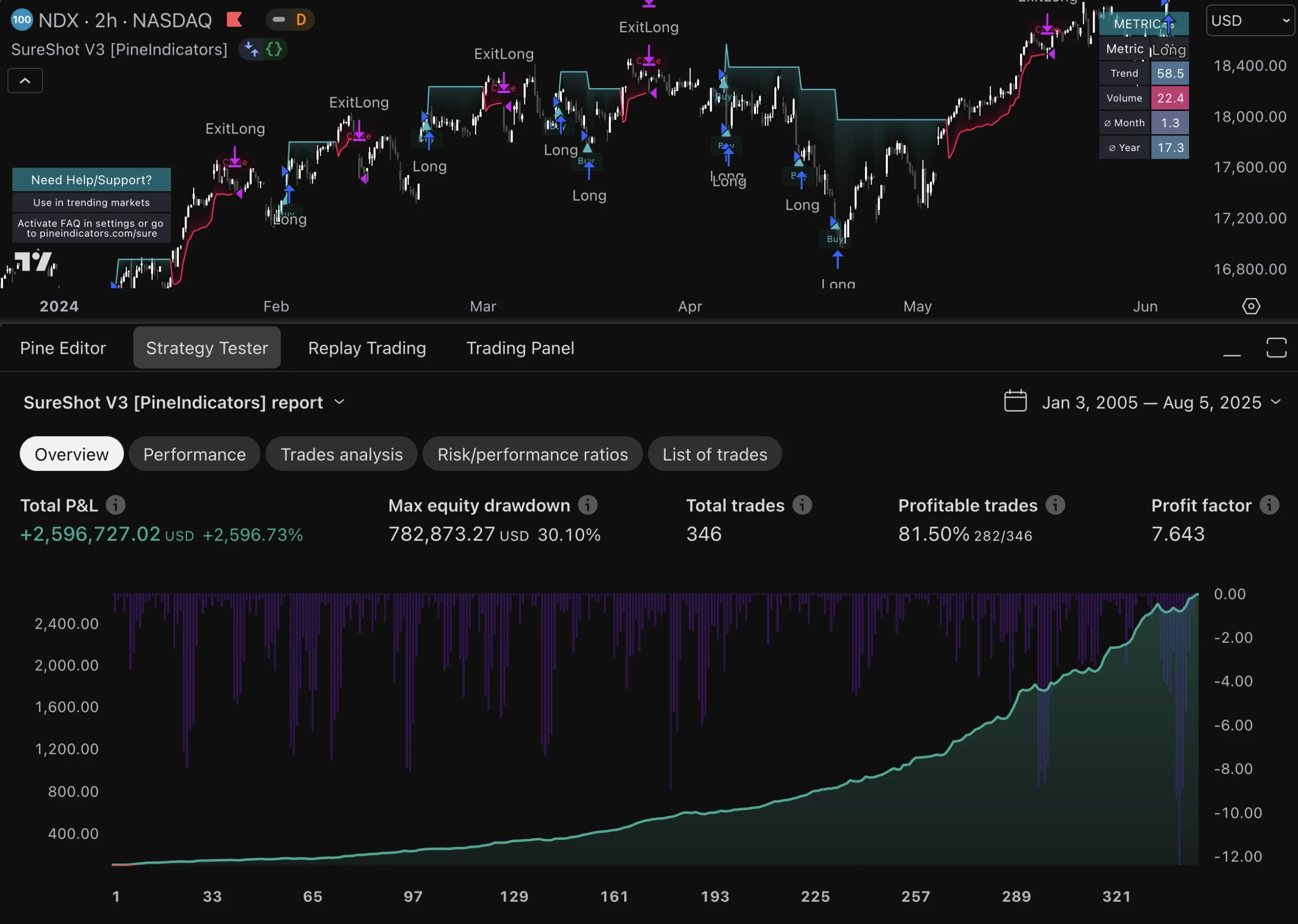
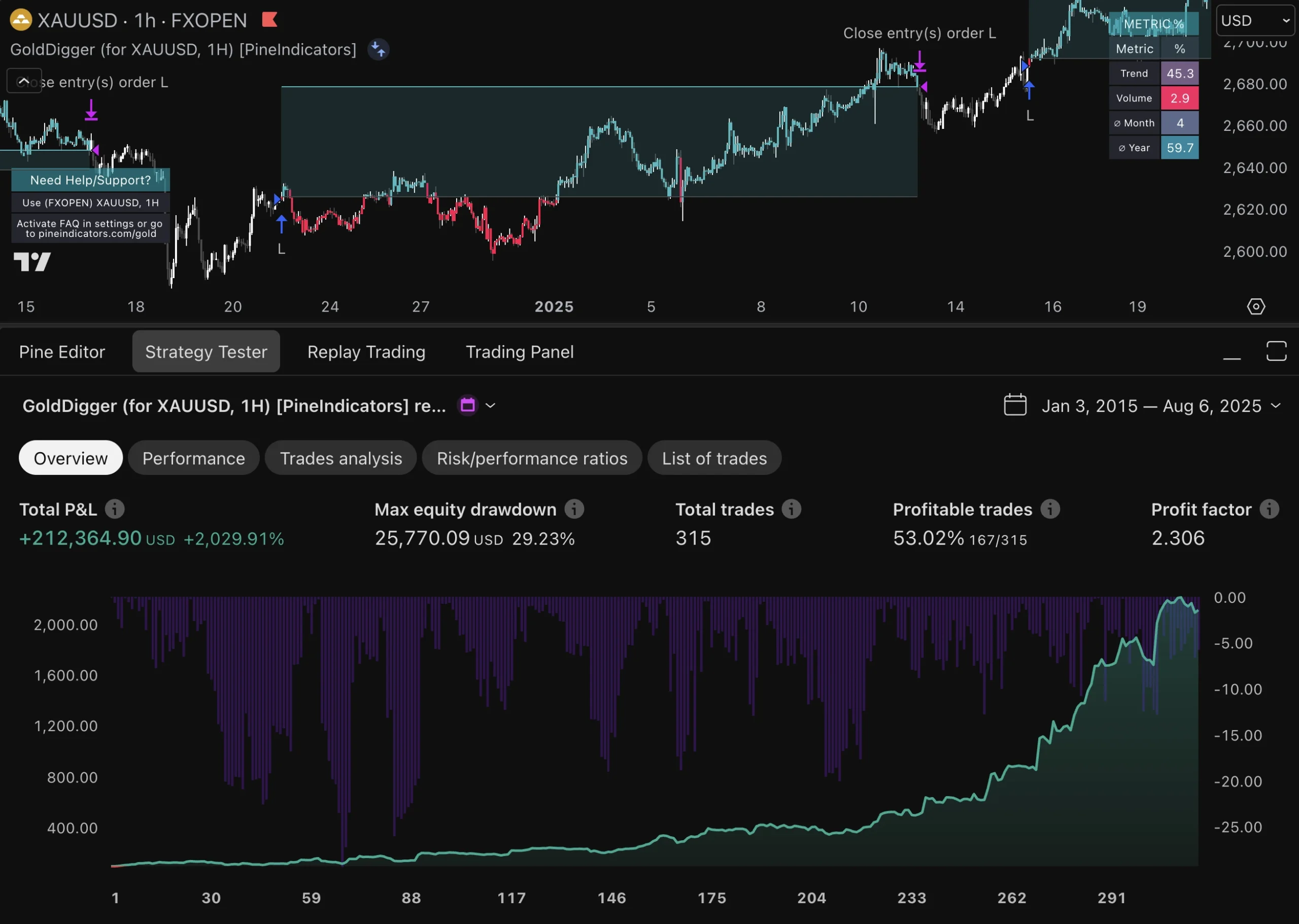
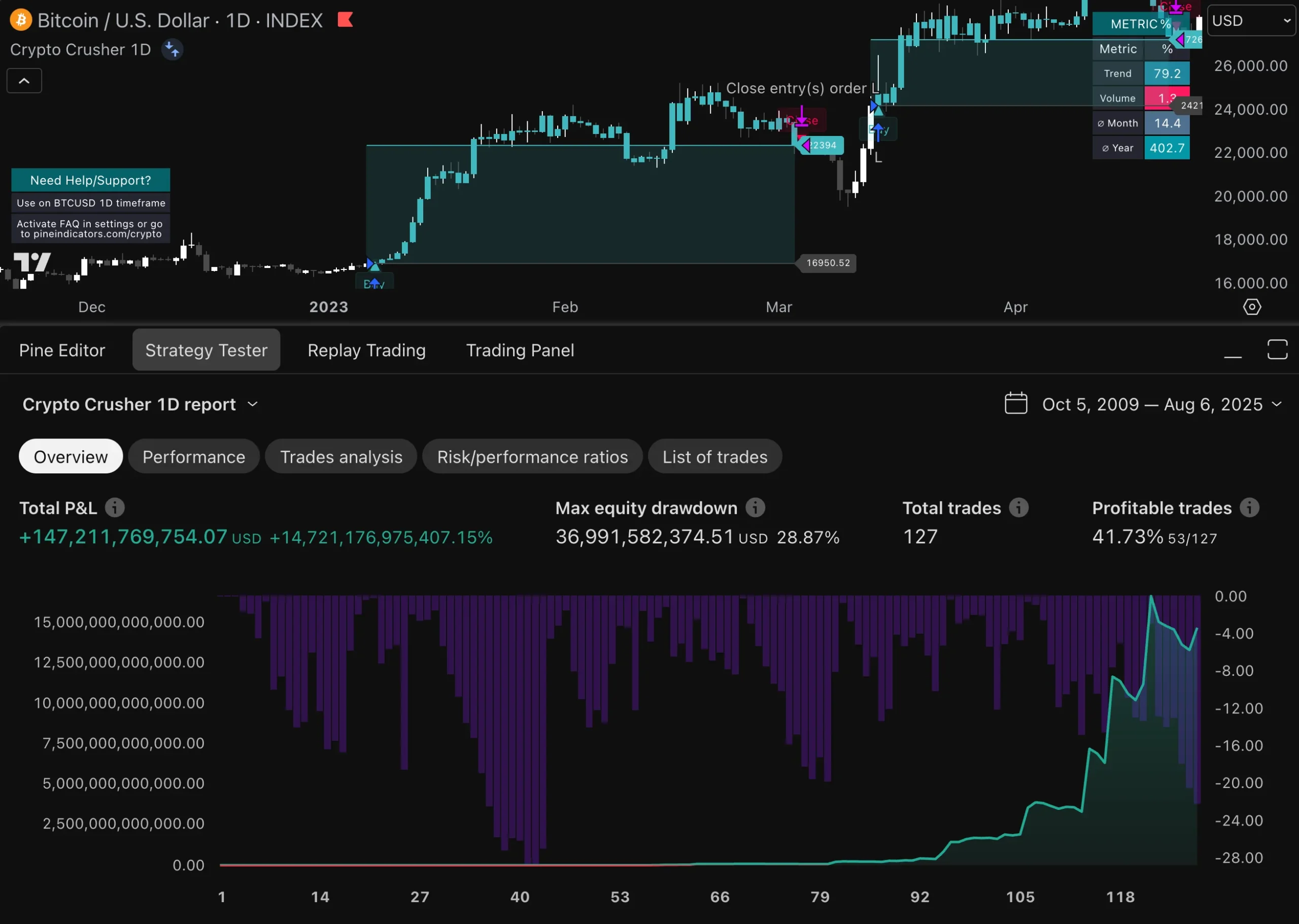
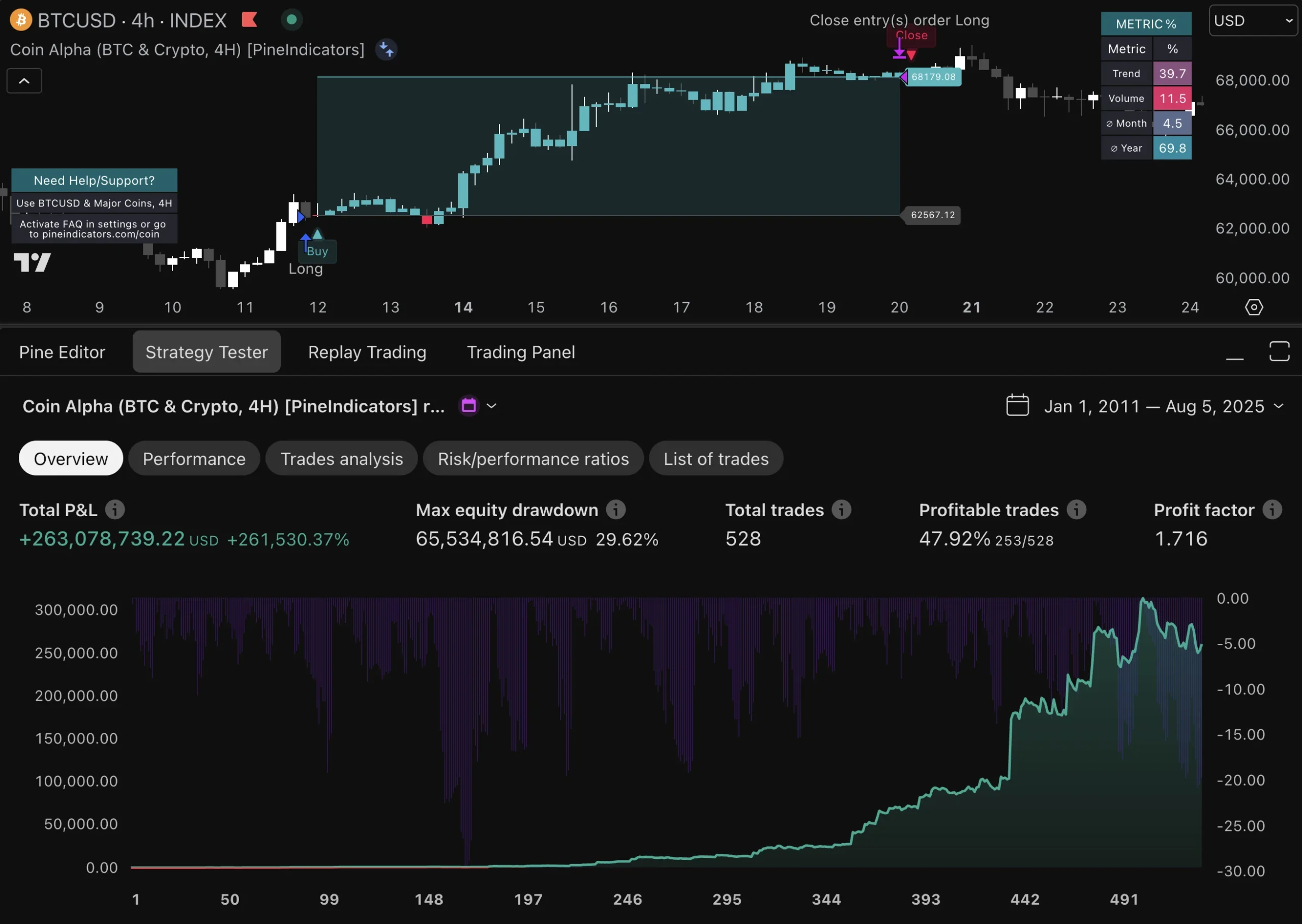
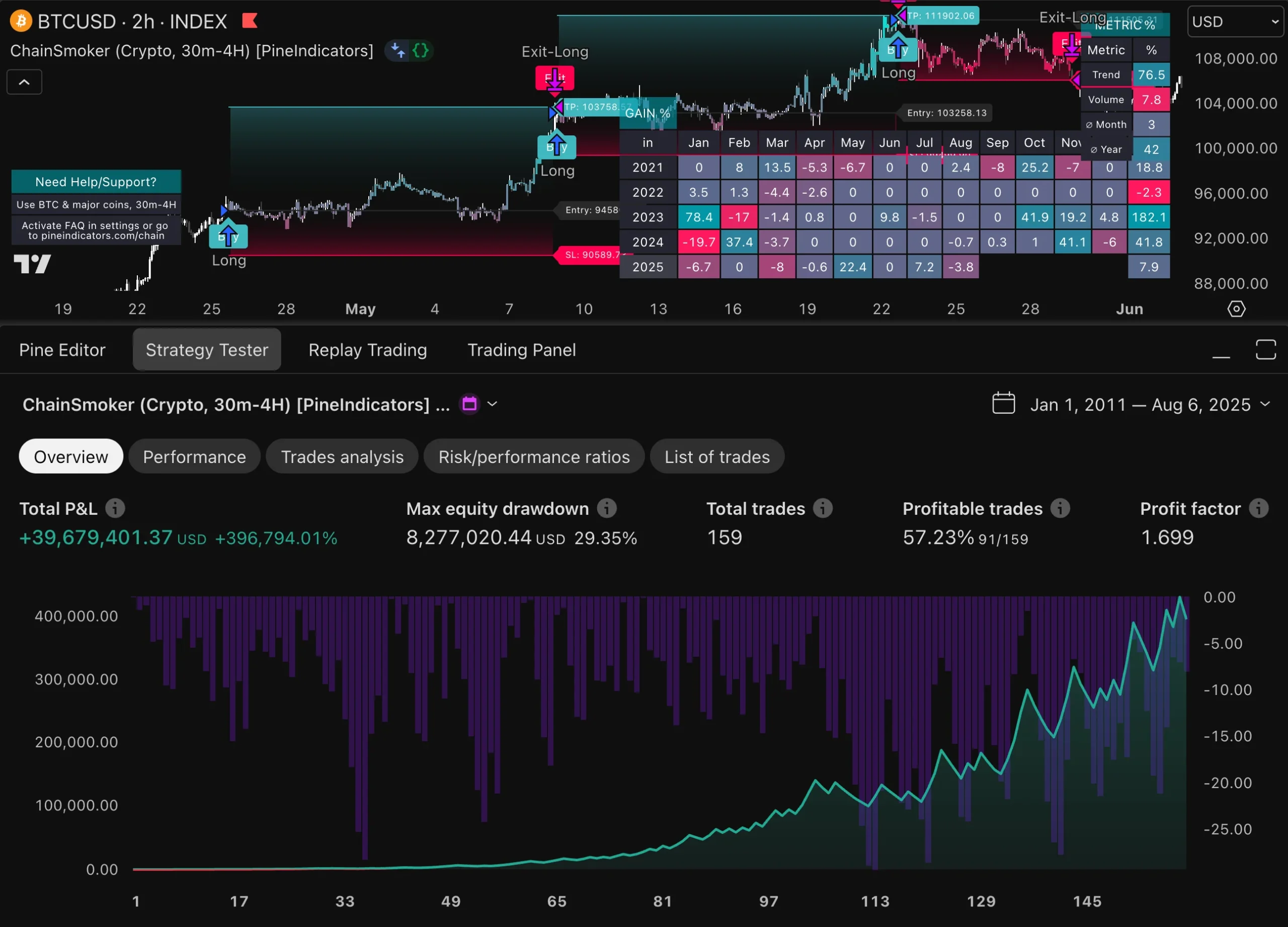
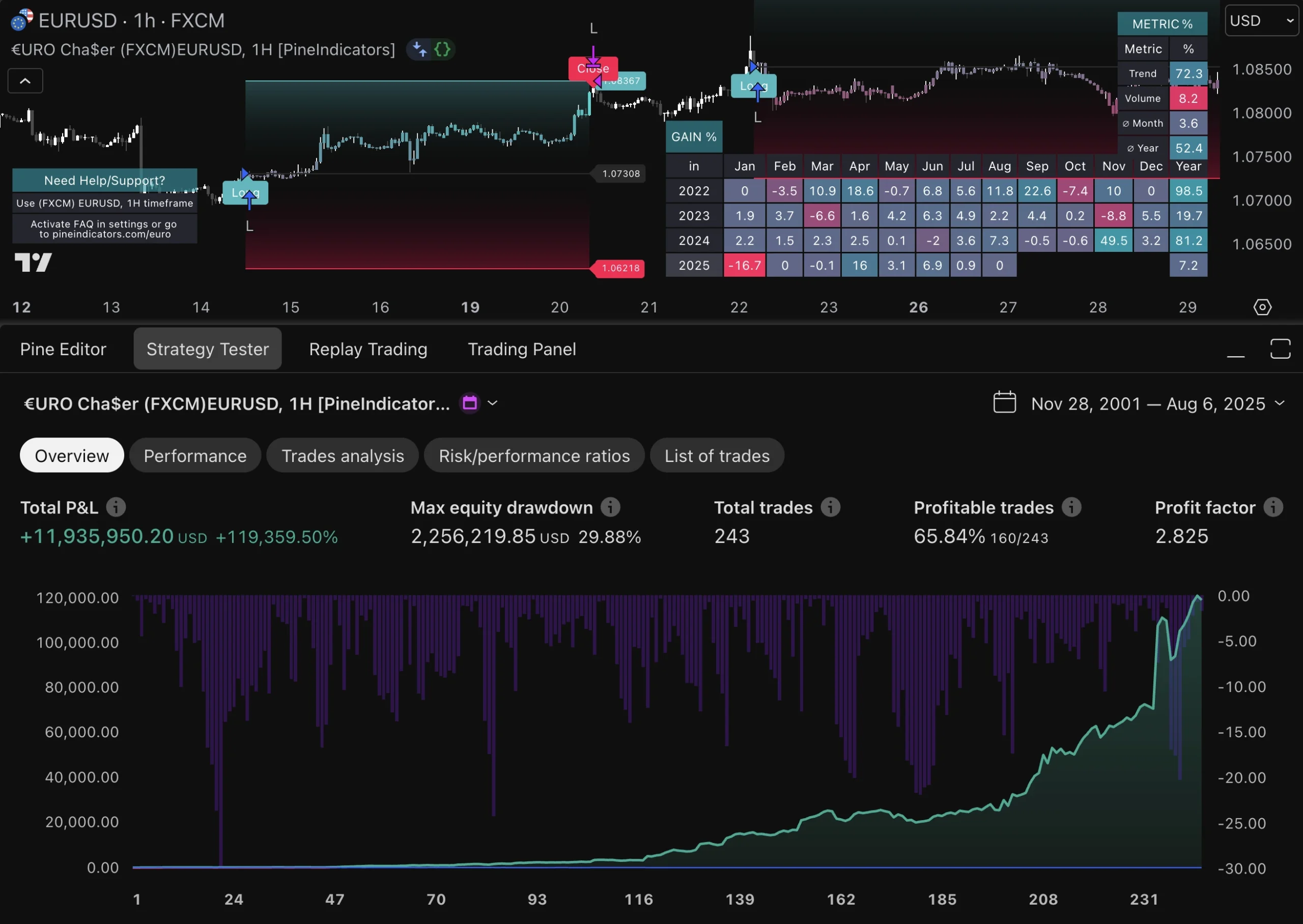
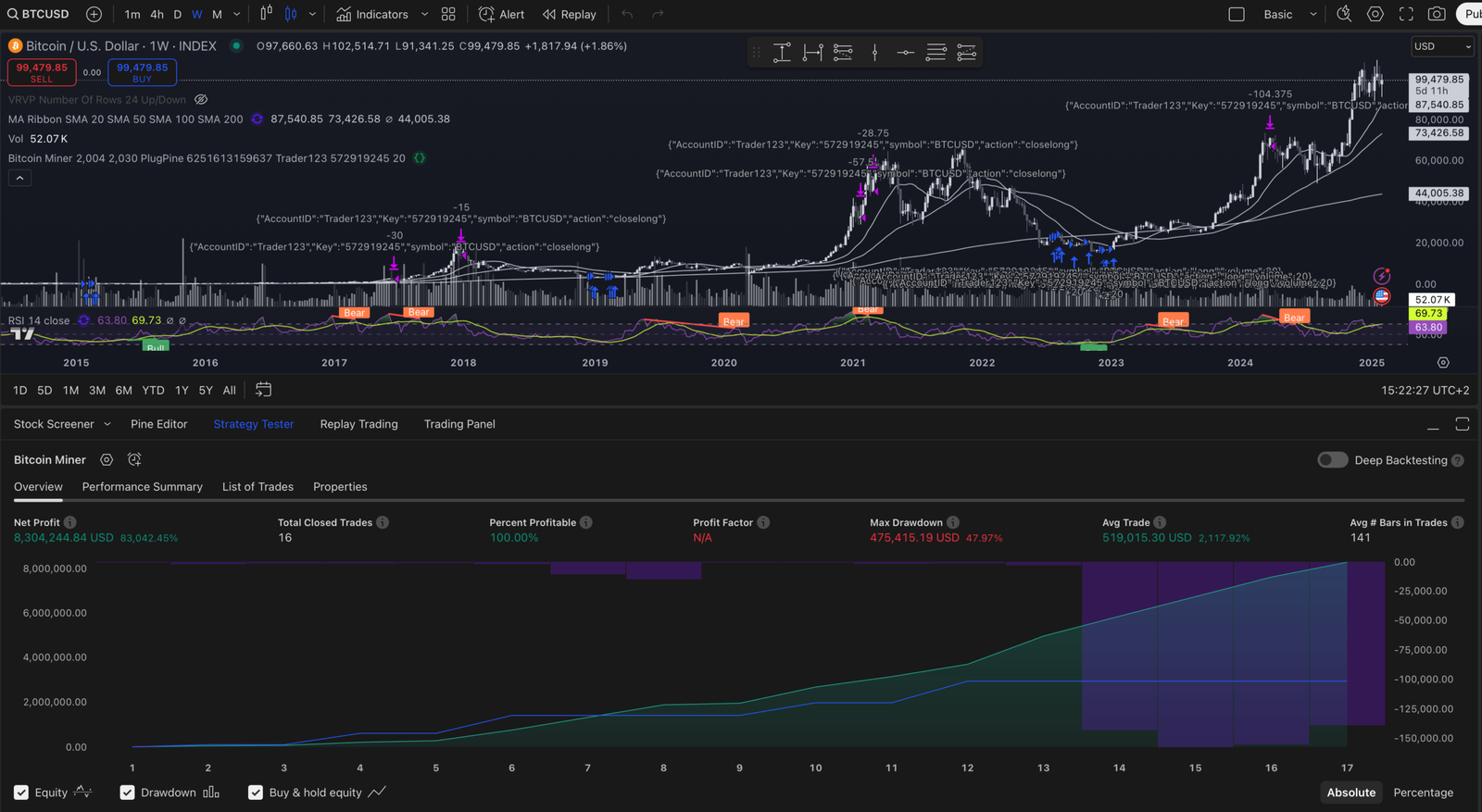
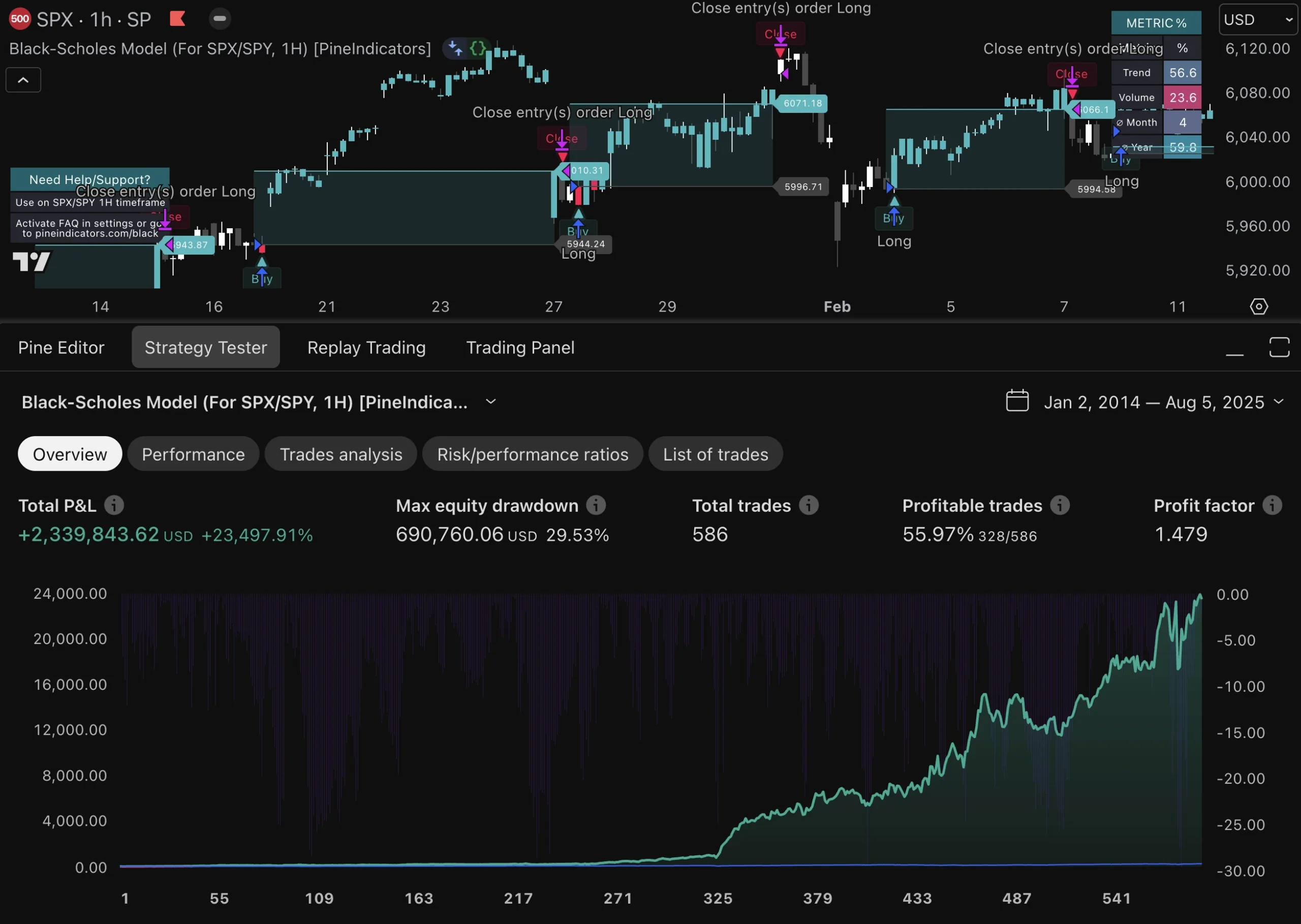
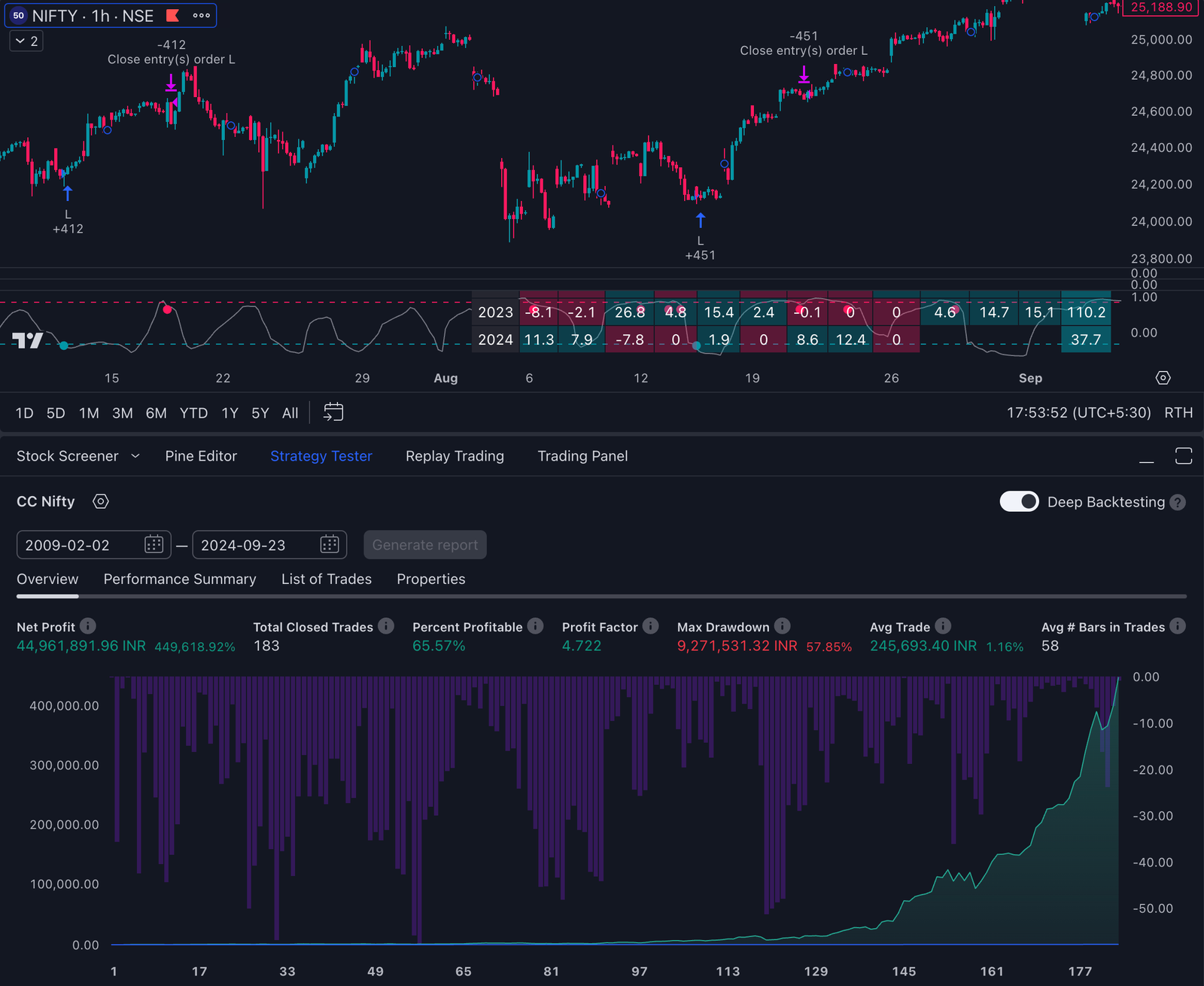
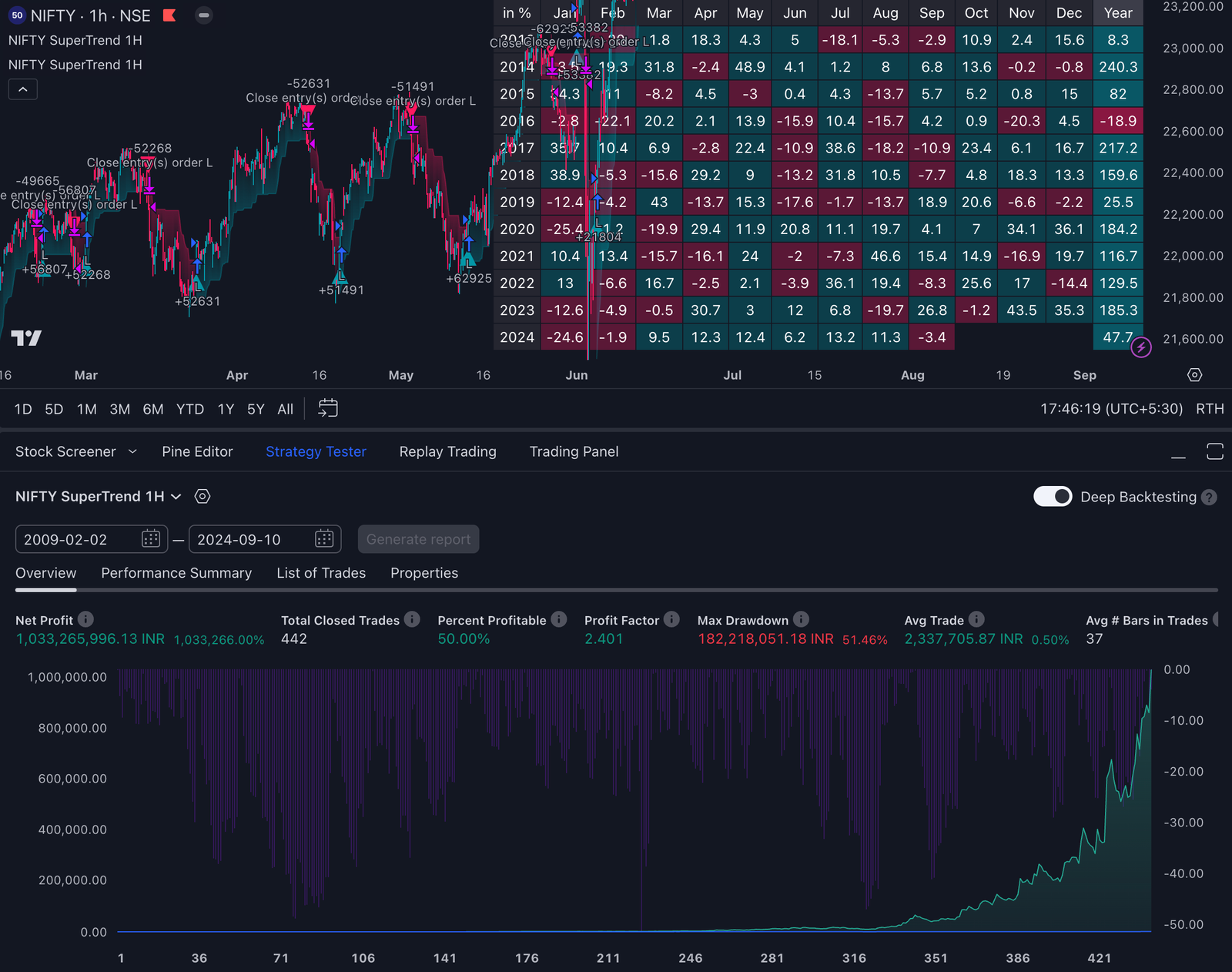

Financial markets present numerous trading strategies, with some targeting monthly returns of 10%. Such strategies typically combine technical analysis, fundamental analysis, risk management protocols, and disciplined execution. While 10% monthly returns represent substantial gains that could lead to significant capital growth over time, achieving these results consistently requires extensive market knowledge and ongoing education.
These trading approaches operate on the principle that proper tools and methodology can help traders navigate market complexities. The 10% monthly return target, while ambitious, has been achieved by some traders who employ systematic methods. Key components include market condition assessment, risk management frameworks, and comprehensive analysis combining both technical indicators and fundamental factors.
Successful implementation of high-return strategies typically involves structured processes for identifying favorable trading opportunities, establishing position sizes based on risk parameters, and making decisions based on quantitative and qualitative market analysis. These strategies require significant time investment, market expertise, and the ability to adapt to changing market conditions.
Key Takeaways
- A proven trading strategy aims for consistent 10% monthly returns through disciplined methods.
- Success depends on identifying favorable market conditions and applying both technical and fundamental analysis.
- Solid risk management and diversification are crucial to protect capital and enhance stability.
- Patience, discipline, and ongoing strategy adjustments help navigate market changes effectively.
- Maximizing profits involves continuous learning, monitoring, and refining trading tactics.
Understanding the 10% Monthly Returns Goal
Setting a target of 10% monthly returns is both an ambitious and realistic goal for many traders. This figure translates to an annualized return of approximately 214%, assuming consistent performance without compounding effects. To put this into perspective, traditional investment vehicles such as stocks or bonds typically yield much lower returns over the long term.
For instance, the average annual return of the S&P 500 has hovered around 10% over several decades, making a 10% monthly return seem extraordinary yet achievable for skilled traders. Achieving this level of return requires not only a sound strategy but also an understanding of market volatility and risk tolerance. Traders must be prepared to engage in active trading, which often involves short-term positions and frequent adjustments based on market movements.
This approach necessitates a keen awareness of market trends and the ability to react swiftly to changing conditions. Moreover, it is crucial for traders to maintain realistic expectations; while some months may yield returns exceeding 10%, others may fall short or even result in losses. Thus, consistency over time becomes the true measure of success.
Identifying the Right Market Conditions

The ability to identify favorable market conditions is paramount for any trader aiming for high returns. Market conditions can be broadly categorized into trending markets, ranging markets, and volatile markets. Each type presents unique opportunities and challenges that traders must navigate.
For instance, trending markets—characterized by sustained upward or downward movements—offer excellent opportunities for momentum trading strategies. In such environments, traders can capitalize on price movements by entering positions that align with the prevailing trend. Conversely, ranging markets present a different set of challenges.
In these scenarios, prices oscillate between defined support and resistance levels, creating opportunities for range-bound trading strategies. Traders can buy at support levels and sell at resistance levels, but they must remain vigilant for potential breakouts that could signal a shift in market dynamics. Understanding these conditions allows traders to tailor their strategies accordingly, enhancing their chances of achieving the desired returns.
Developing a Solid Risk Management Plan
A robust risk management plan is an essential component of any trading strategy aimed at achieving consistent returns. Effective risk management involves setting clear parameters for how much capital a trader is willing to risk on each trade, often expressed as a percentage of their total trading account. Many successful traders advocate for risking no more than 1-2% of their capital on any single trade.
This approach helps to mitigate losses and preserve capital over time, allowing traders to stay in the game even during periods of drawdown. In addition to position sizing, risk management also encompasses the use of stop-loss orders and take-profit levels. A stop-loss order automatically closes a position when it reaches a predetermined price level, limiting potential losses.
Similarly, take-profit orders lock in gains by closing a position once it reaches a specified profit target. By implementing these tools, traders can create a disciplined approach to managing their trades, reducing emotional decision-making that often leads to poor outcomes.
Utilizing Technical Analysis for Entry and Exit Points
| Metric | Value | Description |
|---|---|---|
| Annualized Return | 12.5% | Average yearly return generated by the strategy |
| Sharpe Ratio | 1.45 | Risk-adjusted return measure (higher is better) |
| Max Drawdown | 8.2% | Maximum observed loss from a peak to a trough |
| Win Rate | 62% | Percentage of profitable trades |
| Profit Factor | 1.8 | Ratio of gross profit to gross loss |
| Average Trade Duration | 3 days | Average holding period per trade |
| Number of Trades | 250 | Total trades executed during the evaluation period |
Technical analysis serves as a cornerstone for many traders seeking to optimize their entry and exit points in the market. This analytical method involves studying historical price data and chart patterns to forecast future price movements. Traders utilize various indicators—such as moving averages, Relative Strength Index (RSI), and Bollinger Bands—to identify potential entry and exit signals.
For example, a trader might use moving averages to determine the overall trend direction. If the short-term moving average crosses above the long-term moving average, it could signal a bullish trend, prompting the trader to enter a long position. Conversely, if the short-term moving average crosses below the long-term moving average, it may indicate a bearish trend, suggesting an exit or short position.
By combining multiple indicators and chart patterns, traders can develop a comprehensive technical analysis framework that enhances their decision-making process.
Implementing Fundamental Analysis for Informed Decisions

While technical analysis focuses on price movements, fundamental analysis delves into the underlying factors that drive market behavior. This approach involves evaluating economic indicators, company performance metrics, geopolitical events, and other macroeconomic factors that can influence asset prices. For instance, a trader interested in stocks may analyze earnings reports, revenue growth, and industry trends to assess whether a particular stock is undervalued or overvalued.
For example, if central banks signal an intention to raise interest rates due to rising inflation, it could lead to a sell-off in equities as investors anticipate higher borrowing costs. By integrating fundamental analysis into their trading strategy, traders can make more informed decisions that align with both technical signals and broader economic trends.
Leveraging the Power of Diversification
Diversification is a key principle in risk management that can significantly enhance a trader’s potential for consistent returns. By spreading investments across various asset classes—such as stocks, bonds, commodities, and currencies—traders can reduce their exposure to any single asset’s volatility. This approach not only mitigates risk but also allows traders to capitalize on different market conditions simultaneously.
For instance, during periods of economic uncertainty when equities may underperform, commodities like gold often serve as safe-haven assets that retain value or appreciate. By maintaining a diversified portfolio, traders can balance their risk exposure while still pursuing their goal of achieving 10% monthly returns. Additionally, diversification can be achieved within asset classes; for example, investing in different sectors or geographic regions can further enhance resilience against market fluctuations.
The Importance of Patience and Discipline
In trading, patience and discipline are often cited as critical attributes for success. The pursuit of high returns can lead to impulsive decisions driven by emotions such as fear or greed. Successful traders understand that sticking to their strategy—even during periods of drawdown—is essential for long-term success.
This requires cultivating emotional resilience and maintaining focus on the bigger picture rather than getting caught up in short-term fluctuations. Discipline manifests itself in various ways: adhering to predetermined entry and exit points based on technical analysis, following risk management protocols without deviation, and resisting the urge to chase losses by overtrading or increasing position sizes recklessly. By fostering these qualities, traders can create an environment conducive to achieving their financial goals while minimizing the impact of emotional decision-making.
Monitoring and Adjusting the Strategy as Needed
The financial markets are dynamic environments that require continuous monitoring and adjustment of trading strategies. What works well in one market condition may not be effective in another; therefore, traders must remain adaptable and willing to refine their approaches based on changing circumstances.
Moreover, staying informed about global economic developments and market news is crucial for making timely adjustments to trading strategies. For instance, if geopolitical tensions arise that could impact specific sectors or asset classes, traders may need to reassess their positions accordingly. By maintaining flexibility and being open to change, traders can enhance their chances of achieving consistent returns over time.
Tips for Maximizing Profit Potential
To maximize profit potential while pursuing a 10% monthly return goal, traders should consider several practical tips that can enhance their overall performance. First and foremost is the importance of continuous education; staying updated on market trends, new trading strategies, and emerging technologies can provide traders with an edge over competitors. Engaging with trading communities or forums can also facilitate knowledge sharing and foster collaboration among like-minded individuals.
Another effective strategy is to utilize automated trading systems or algorithms that can execute trades based on predefined criteria without emotional interference. These systems can help streamline decision-making processes and ensure adherence to established trading rules. Additionally, leveraging tools such as backtesting software allows traders to evaluate their strategies against historical data before deploying them in live markets.
Finally, maintaining a trading journal can be invaluable for tracking performance over time. Documenting trades—including entry and exit points, rationale behind decisions, and emotional responses—enables traders to identify patterns in their behavior and refine their strategies accordingly.
Conclusion and Final Thoughts
The journey toward achieving consistent 10% monthly returns in trading is undoubtedly challenging but also rewarding for those who approach it with diligence and commitment. By understanding market conditions, implementing robust risk management practices, utilizing both technical and fundamental analysis, diversifying portfolios, exercising patience and discipline, monitoring strategies regularly, and maximizing profit potential through continuous learning and adaptation, traders can significantly enhance their chances of success. Ultimately, while the goal may be ambitious, it is achievable with the right mindset and tools at one’s disposal.
The financial markets are filled with opportunities waiting to be seized by those who are prepared to navigate them thoughtfully and strategically.
For those interested in understanding how to effectively verify trading strategy performance, a great resource is the article on designing a profitable trading system. This article provides insights into the essential components of a successful trading strategy and offers practical tips for testing and validating your approach. You can read more about it here: How to Design a Profitable Trading System.
FAQs
What is a verified trading strategy performance?
Verified trading strategy performance refers to the documented and independently confirmed results of a trading strategy, demonstrating its effectiveness and reliability over a specific period.
Why is verification important for trading strategy performance?
Verification ensures that the reported results are accurate, free from manipulation, and based on real or simulated trades under consistent conditions, providing traders with confidence in the strategy’s potential.
How is trading strategy performance typically verified?
Performance is verified through third-party auditing services, backtesting with historical data, live trading records, or using platforms that track and authenticate trade results.
What metrics are commonly used to evaluate trading strategy performance?
Common metrics include return on investment (ROI), win rate, drawdown, Sharpe ratio, profit factor, and risk-adjusted returns.
Can verified performance guarantee future success?
No, verified past performance does not guarantee future results, as market conditions can change and affect the strategy’s effectiveness.
Where can I find verified trading strategy performance reports?
Verified performance reports can be found on reputable trading platforms, financial websites, third-party verification services, and sometimes directly from strategy developers who provide audited results.
What is the difference between backtested and live verified performance?
Backtested performance is based on historical data simulations, while live verified performance reflects actual trades executed in real-time markets, often considered more reliable.
Are there risks associated with relying on verified trading strategies?
Yes, even verified strategies carry risks such as market volatility, execution delays, and changes in market dynamics that can impact performance.
How often should verified trading strategy performance be reviewed?
Performance should be reviewed regularly, typically monthly or quarterly, to ensure the strategy remains effective and adapts to changing market conditions.
Can individual traders verify their own trading strategy performance?
Yes, traders can verify their strategies by maintaining detailed trade logs, using trading journals, and employing third-party tools or platforms that track and authenticate trade results.