
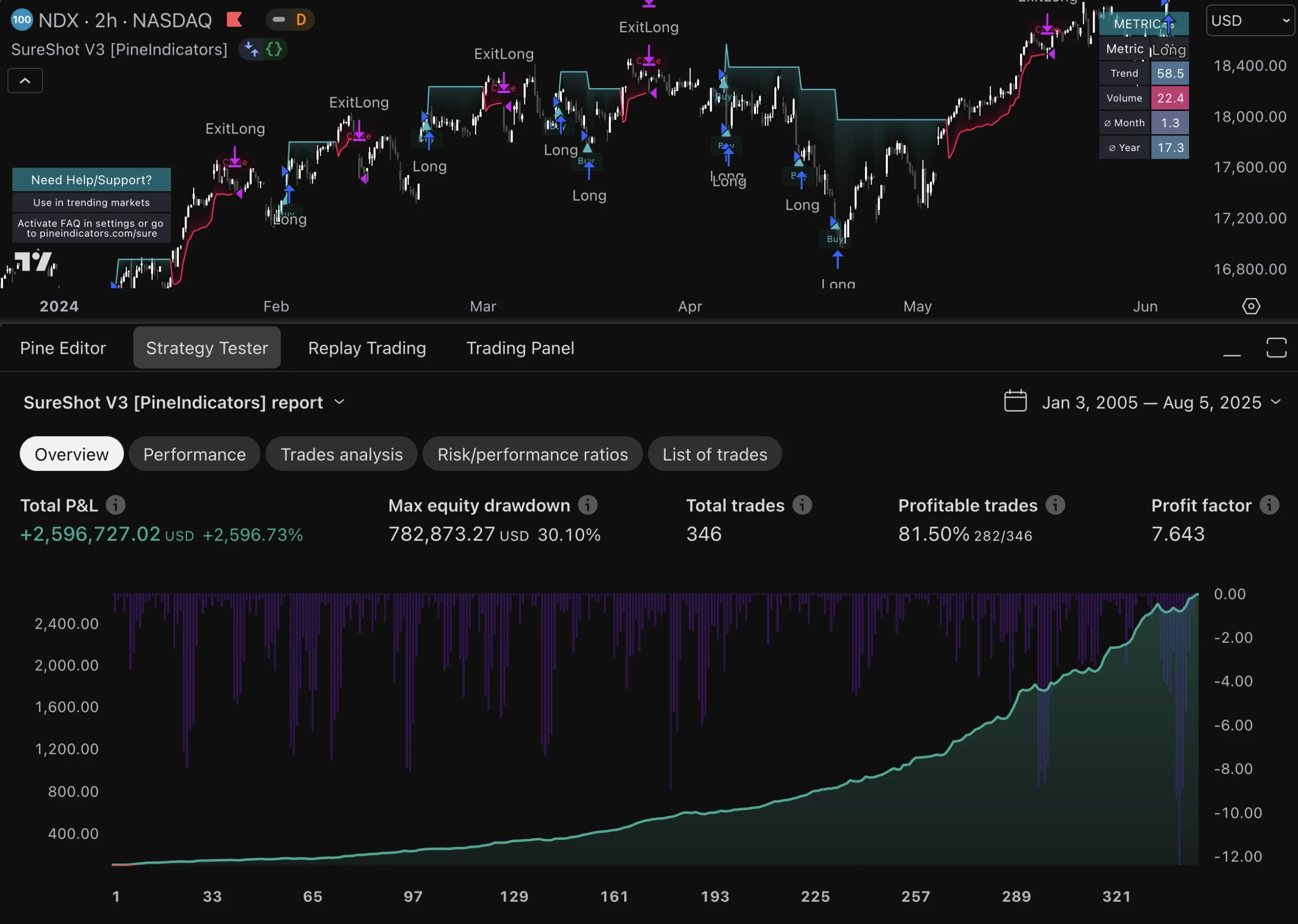
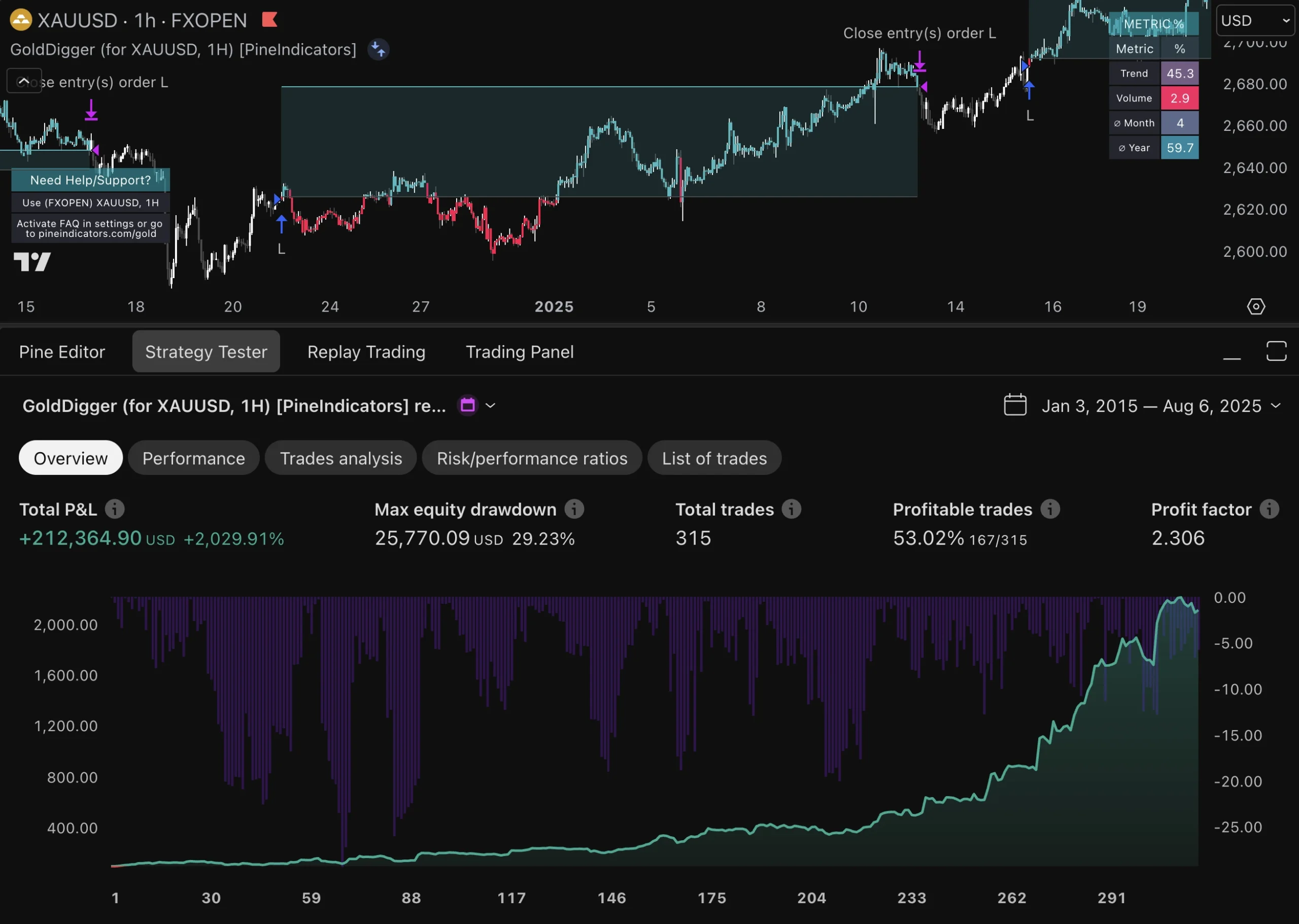
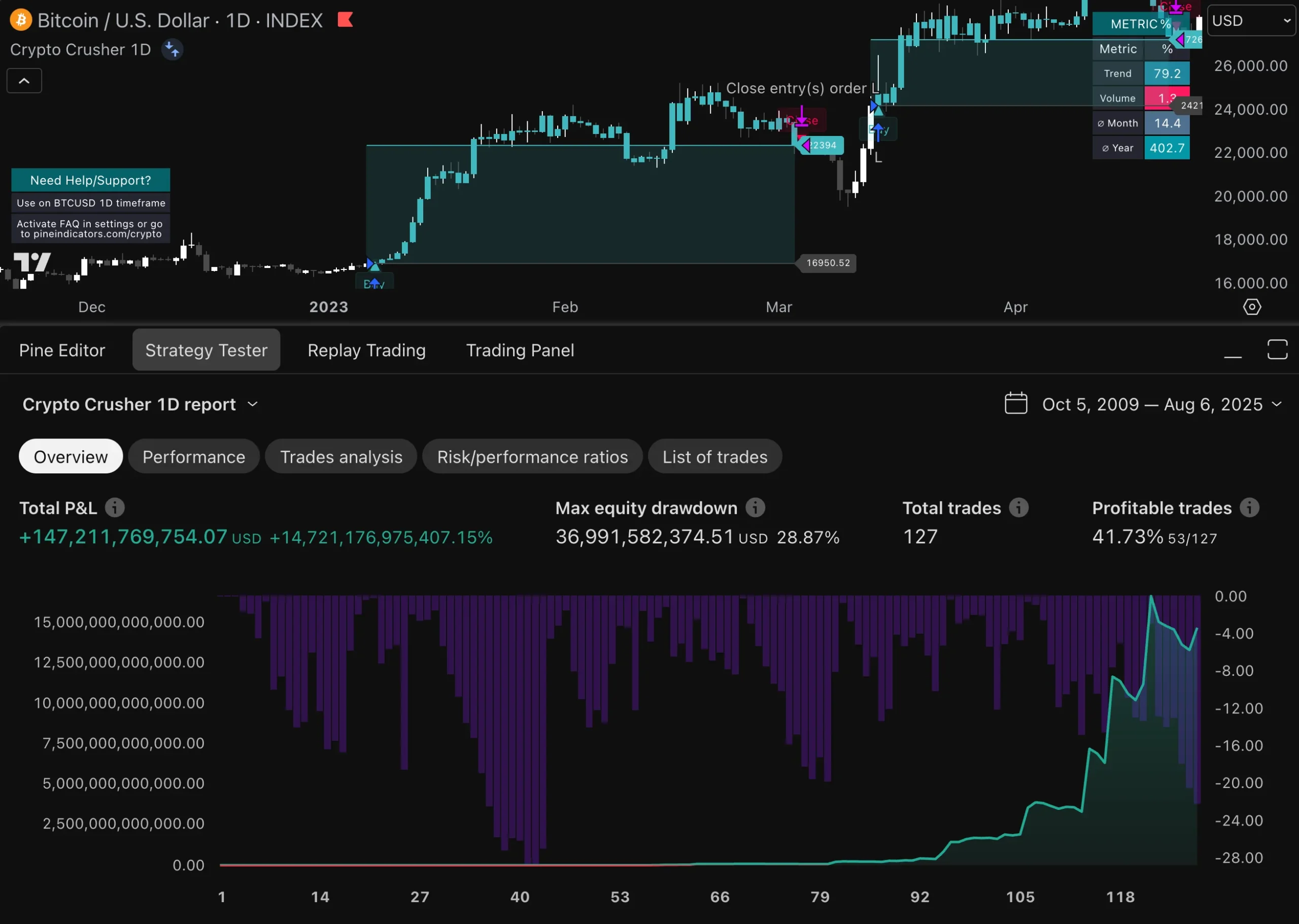
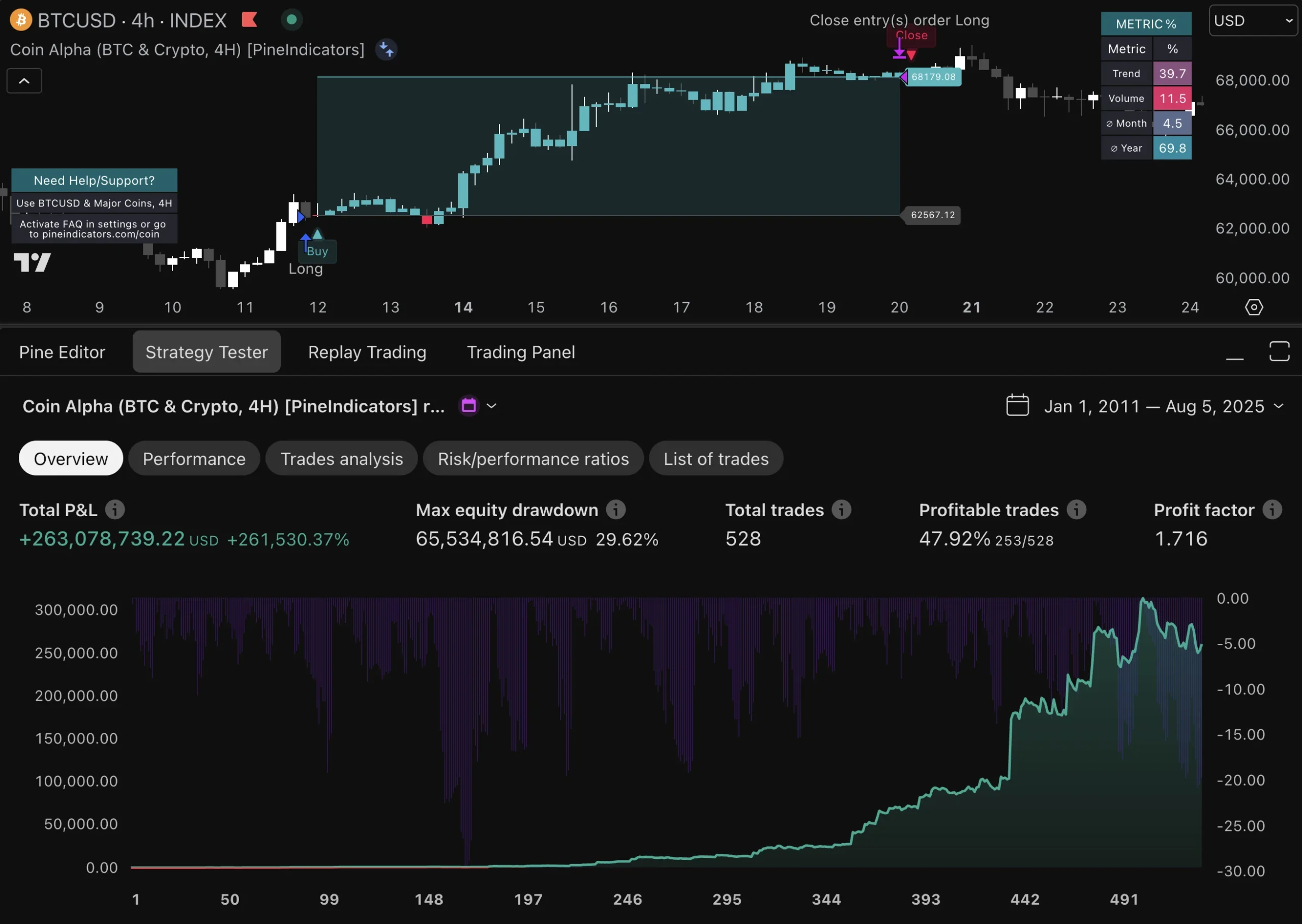
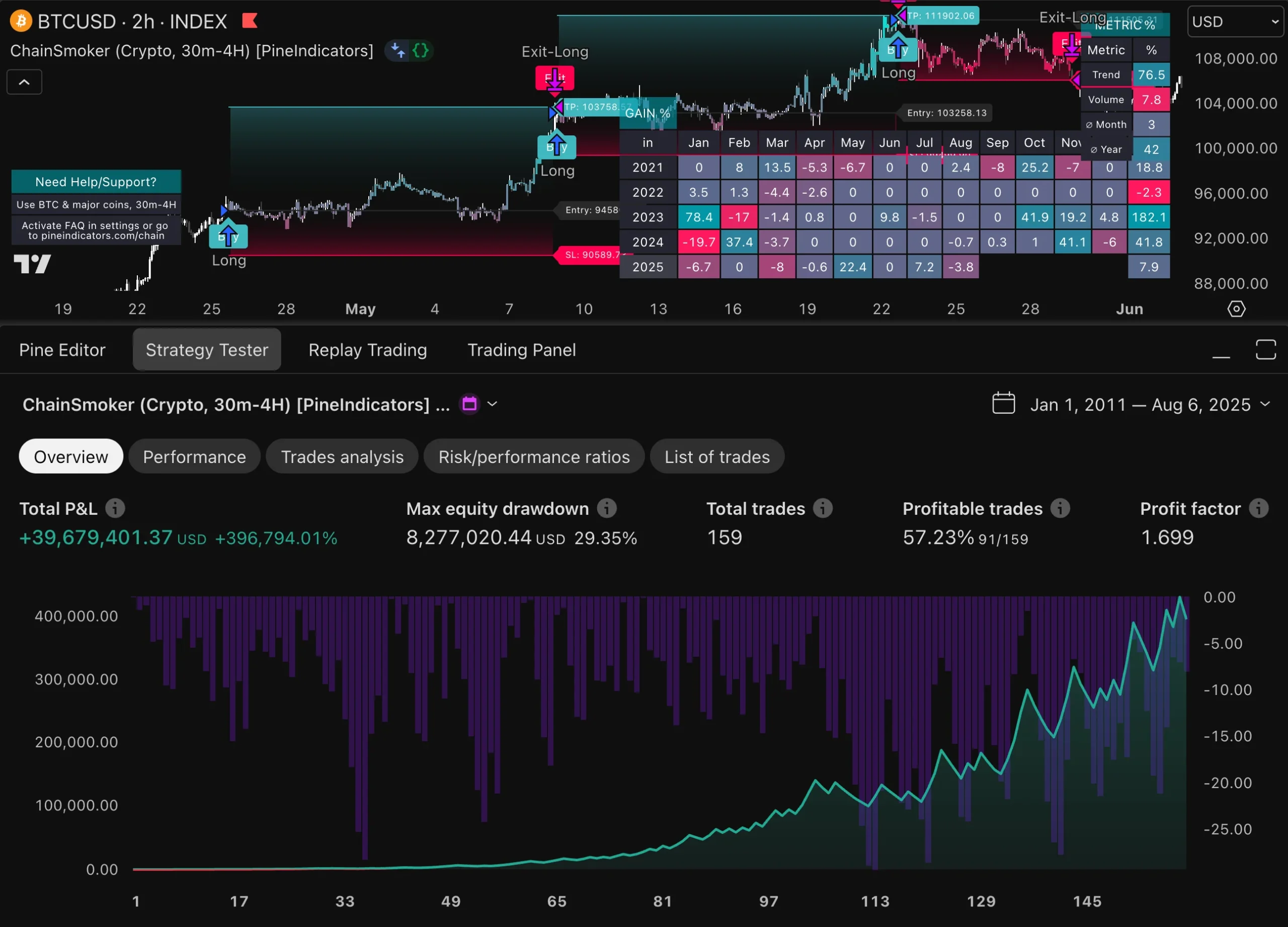
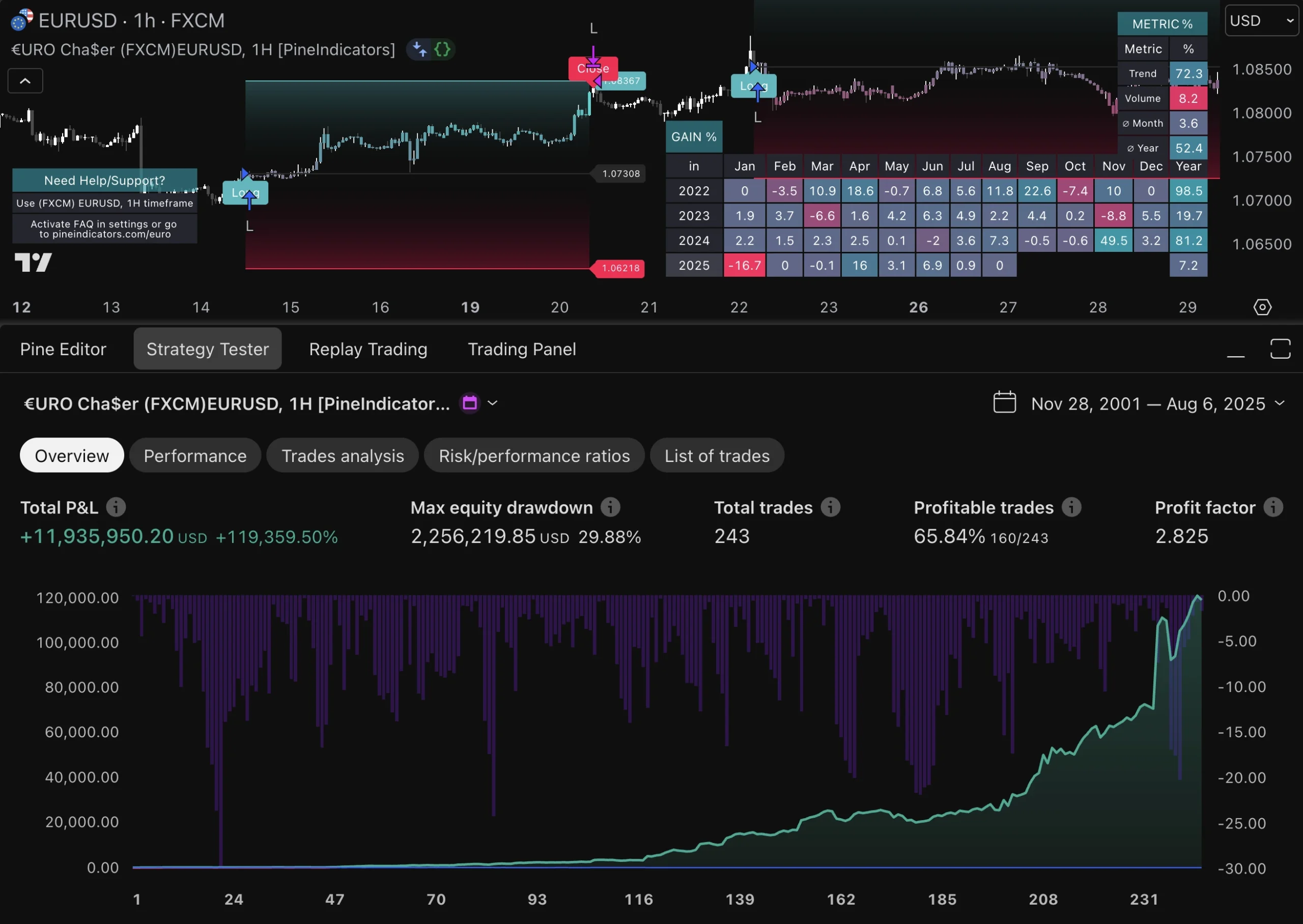
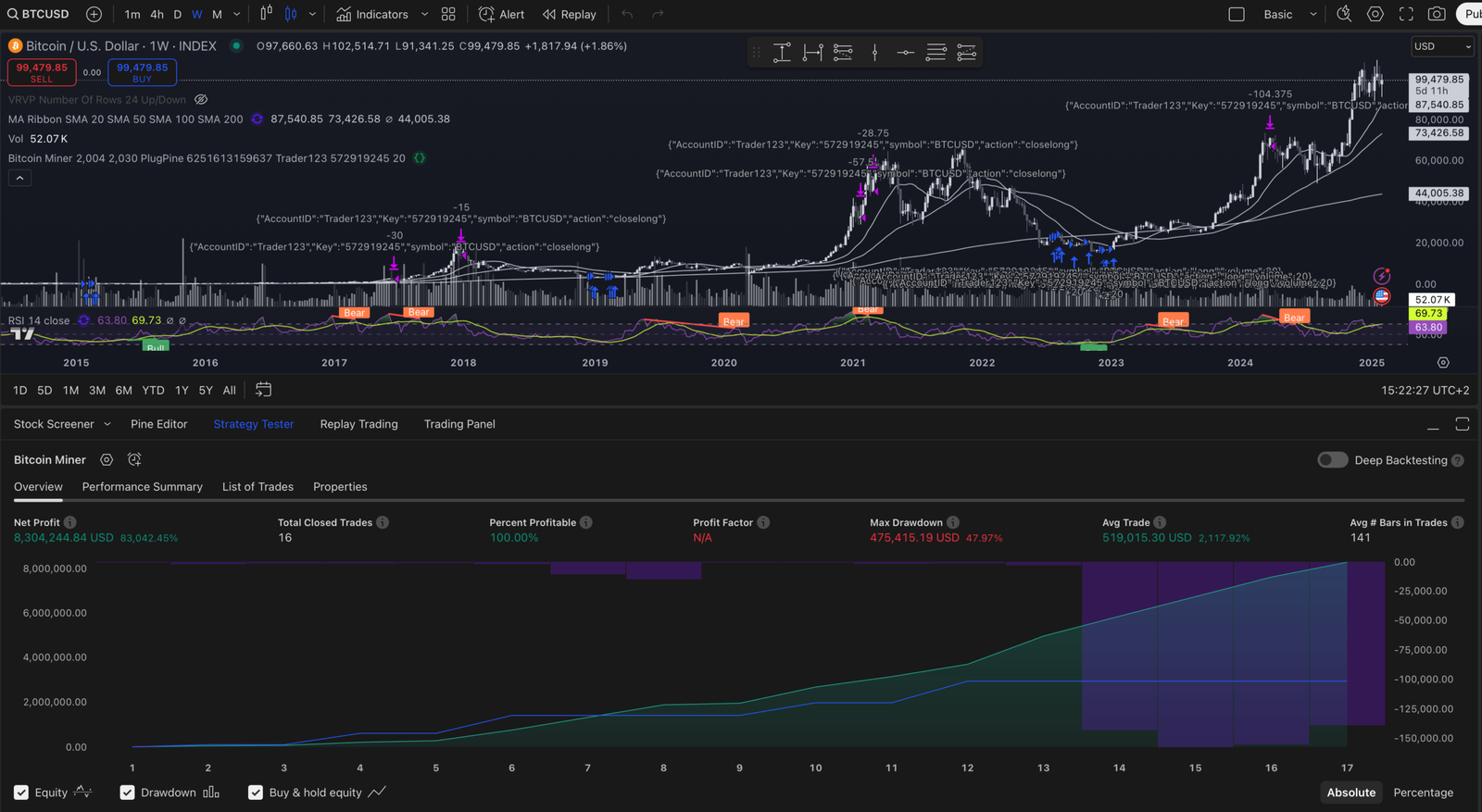
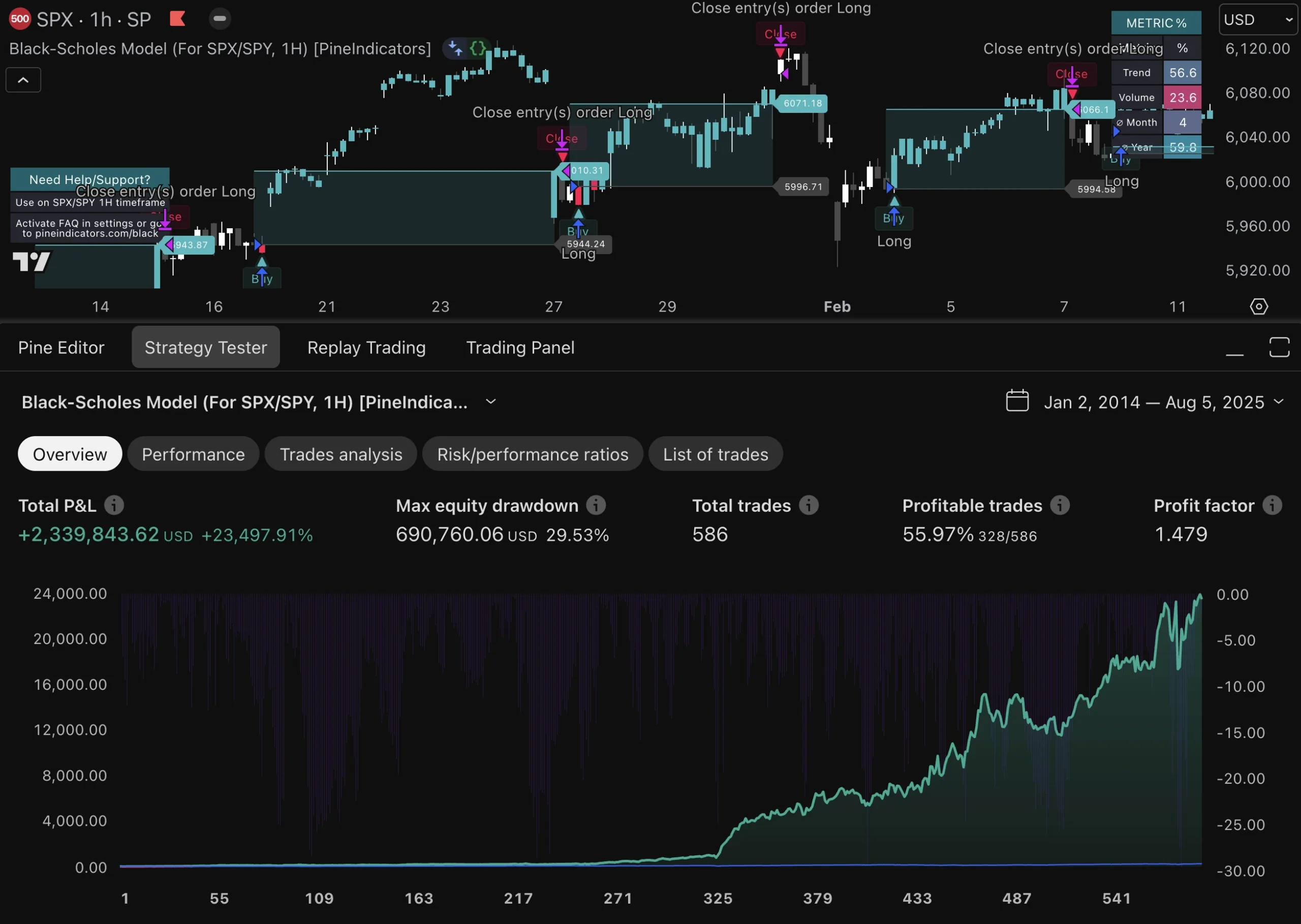
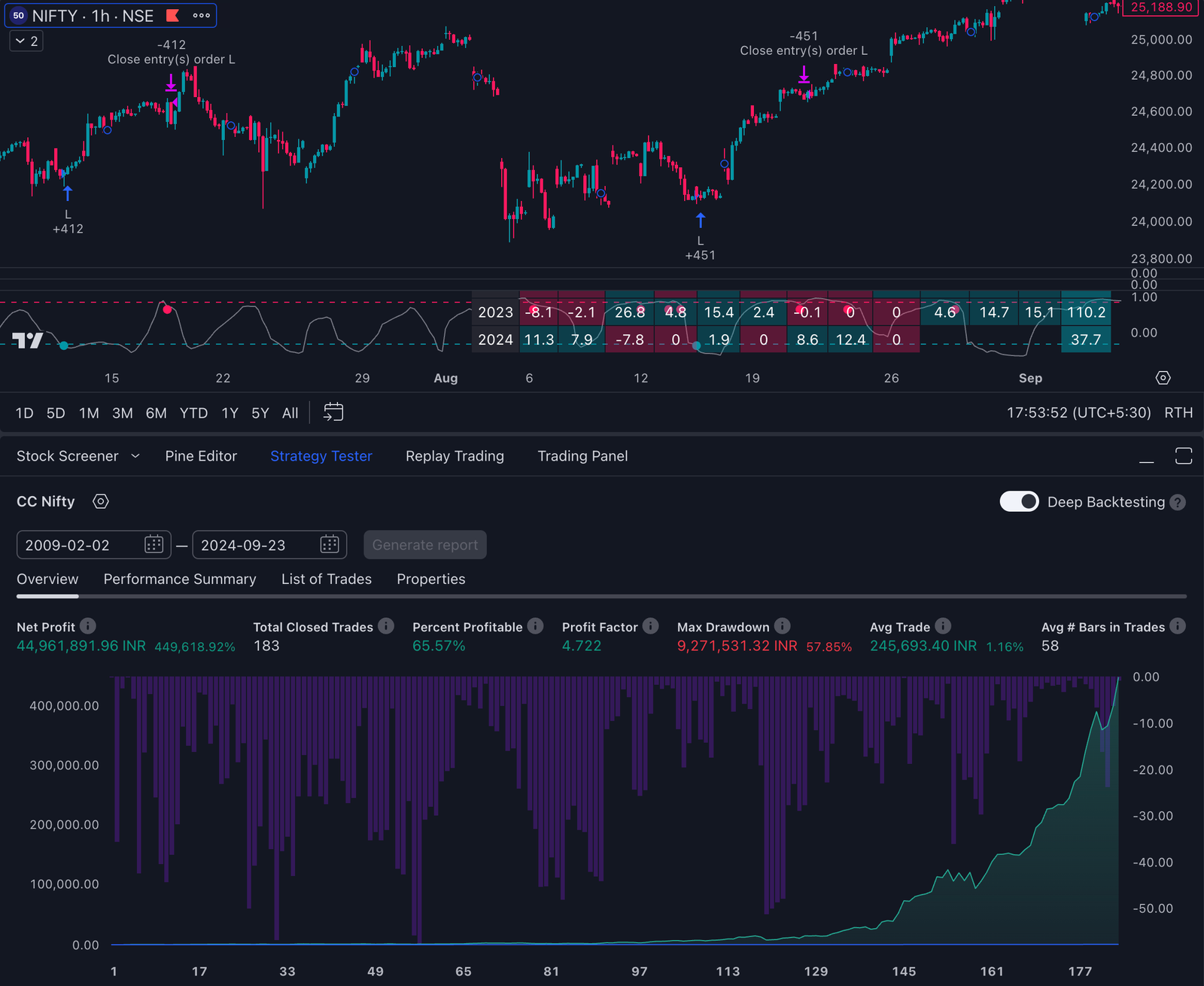
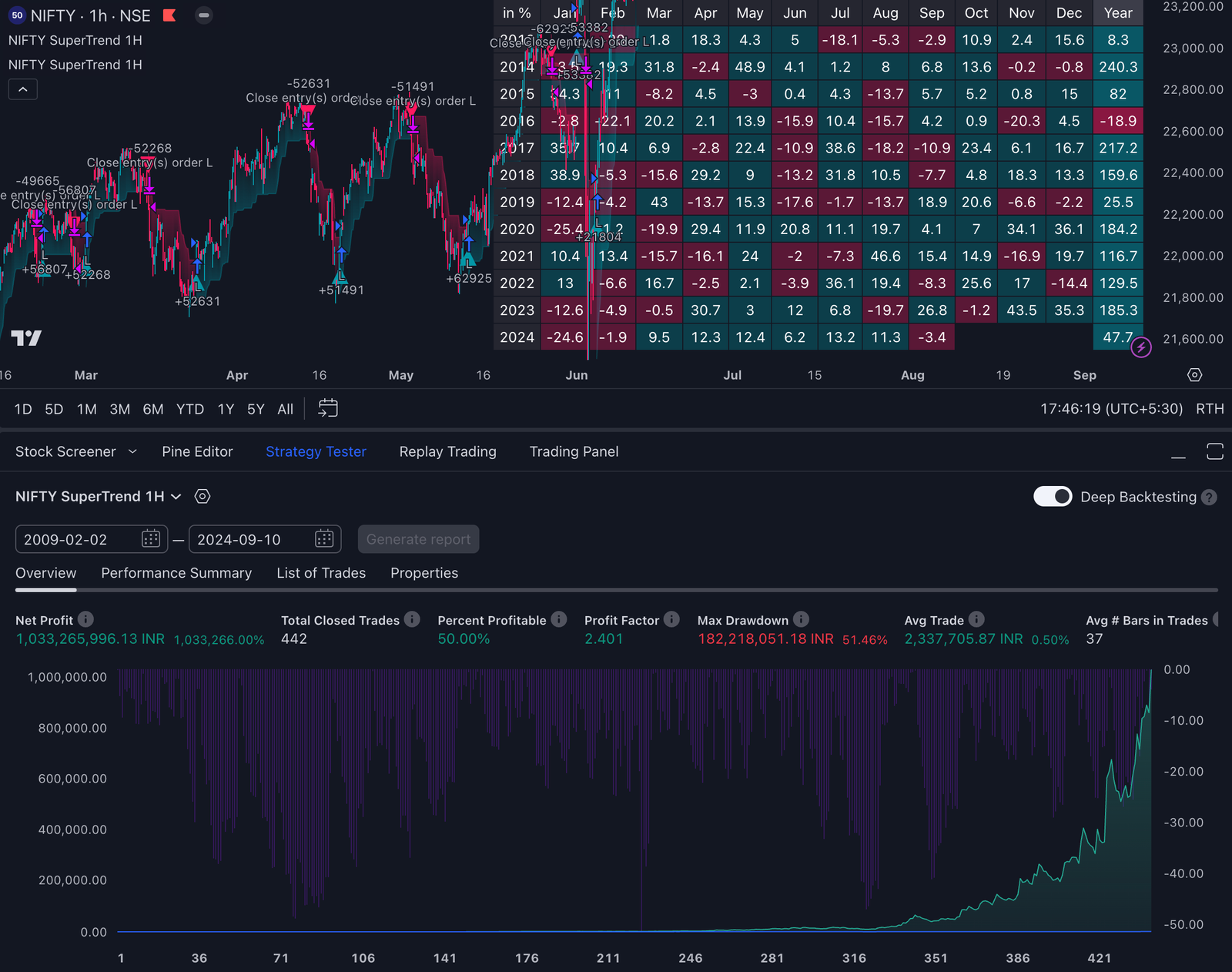

Scalping is a trading strategy that focuses on making small profits from numerous trades throughout the day. Traders who employ this technique, known as scalpers, aim to capitalize on minor price fluctuations in highly liquid markets. The essence of scalping lies in its rapid execution and the ability to enter and exit positions within seconds or minutes.
This approach requires a keen understanding of market dynamics, quick decision-making skills, and a robust trading plan. Scalpers often utilize technical analysis, relying on charts and indicators to identify potential entry and exit points. The appeal of scalping is its potential for generating consistent profits, albeit small ones, which can accumulate significantly over time.
Unlike long-term investors who may hold positions for weeks or months, scalpers thrive on the immediacy of the market. They often trade in high volumes, leveraging their capital to amplify returns. However, this strategy is not without its challenges; it demands intense focus, discipline, and a well-defined risk management strategy to mitigate potential losses.
As such, understanding performance metrics becomes crucial for evaluating the effectiveness of a scalping strategy.
Key Takeaways
- Scalping strategies rely heavily on precise performance metrics to gauge effectiveness and profitability.
- Key indicators such as win rate, risk-reward ratio, profit factor, and average trade duration are essential for evaluating scalping success.
- External factors like slippage and spread significantly impact the real-world performance of scalping strategies.
- Comparing and optimizing scalping strategies using performance metrics can enhance trading outcomes and reduce risks.
- Understanding the limitations of performance metrics is crucial for realistic expectations and continuous improvement in scalping.
Understanding Performance Metrics in Trading
Performance metrics are quantitative measures used to assess the effectiveness of a trading strategy. They provide traders with insights into how well their strategies are performing and help identify areas for improvement. Common performance metrics include win rate, profit factor, average trade duration, and risk-reward ratio.
Each of these metrics offers a different perspective on trading performance and can be instrumental in refining strategies. For instance, the win rate indicates the percentage of profitable trades relative to the total number of trades executed. A high win rate may suggest a successful strategy; however, it must be analyzed in conjunction with other metrics to provide a comprehensive view.
The profit factor, which is the ratio of gross profit to gross loss, helps traders understand the overall profitability of their trades. By examining these metrics collectively, traders can gain a clearer picture of their performance and make informed decisions about their trading strategies.
Importance of Performance Metrics in Scalping Strategy

In the fast-paced world of scalping, performance metrics serve as essential tools for traders seeking to optimize their strategies. Given the rapid nature of scalping, where decisions must be made almost instantaneously, having reliable metrics allows traders to evaluate their performance without the emotional biases that can cloud judgment. By relying on data-driven insights, scalpers can make more informed decisions about when to enter or exit trades.
Moreover, performance metrics help scalpers identify patterns in their trading behavior. For example, by analyzing their win rate over different market conditions or time frames, traders can discern whether certain strategies work better under specific circumstances. This level of analysis is crucial for adapting to changing market dynamics and improving overall trading performance.
In essence, performance metrics not only provide a snapshot of past performance but also guide future trading decisions.
Key Performance Indicators for Scalping Strategy
Several key performance indicators (KPIs) are particularly relevant for evaluating a scalping strategy. The win rate is perhaps the most straightforward KPI; it reflects the percentage of winning trades out of the total number of trades executed. A win rate above 50% is generally considered favorable for scalpers, as it indicates that more than half of their trades are profitable.
Another critical KPI is the risk-reward ratio, which measures the potential profit of a trade relative to its potential loss. For scalpers, maintaining a favorable risk-reward ratio is essential because even with a high win rate, a few significant losses can erode profits. Additionally, the average trade duration provides insights into how long positions are held before closing them.
Scalpers typically aim for short durations, often just a few minutes, to capitalize on fleeting market opportunities.
Analyzing Win Rate and Risk-Reward Ratio in Scalping Strategy
| Metric | Description | Example Value |
|---|---|---|
| Win Rate | Percentage of profitable trades out of total trades | 65% |
| Average Profit per Trade | Mean profit earned on each trade | 0.15% |
| Average Loss per Trade | Mean loss incurred on each losing trade | 0.10% |
| Risk-Reward Ratio | Ratio of average profit to average loss | 1.5 |
| Number of Trades | Total trades executed during the period | 150 |
| Maximum Drawdown | Largest peak-to-trough decline in equity | 3% |
| Profit Factor | Ratio of gross profit to gross loss | 1.8 |
| Average Trade Duration | Average time a trade is held open | 5 minutes |
The win rate and risk-reward ratio are interrelated metrics that play a pivotal role in determining the success of a scalping strategy. A high win rate alone does not guarantee profitability; it must be balanced with an appropriate risk-reward ratio. For instance, a scalper may have a win rate of 70%, but if their average loss is significantly larger than their average gain, they may still end up with negative returns.
To illustrate this point, consider a scalper who wins 70 out of 100 trades but has an average loss of $100 and an average gain of $50 per trade. In this scenario, even with a high win rate, the trader would incur substantial losses overall. Conversely, if another trader has a lower win rate of 50% but maintains a risk-reward ratio of 2:1—meaning they gain $200 for every $100 lost—they could achieve greater profitability despite fewer winning trades.
Thus, both metrics must be analyzed together to assess the viability of a scalping strategy effectively.
Evaluating Profit Factor and Average Trade Duration in Scalping Strategy

The profit factor is another vital performance metric that provides insight into the overall profitability of a scalping strategy. It is calculated by dividing the total gross profit by the total gross loss. A profit factor greater than one indicates that the strategy is profitable; for instance, a profit factor of 1.5 means that for every dollar lost, the trader makes $1.50 in profit.
Scalpers should aim for a profit factor significantly above one to ensure that their trading activities are sustainable over time. Average trade duration complements the profit factor by revealing how long positions are typically held before being closed. In scalping, where speed is paramount, shorter average trade durations are generally preferred as they allow traders to capitalize on quick price movements without exposing themselves to prolonged market risks.
For example, if a scalper has an average trade duration of just two minutes but maintains a high profit factor, it suggests an effective strategy that efficiently captures small price changes while minimizing exposure to adverse market movements.
Impact of Slippage and Spread on Scalping Strategy Performance
Slippage and spread are critical factors that can significantly impact the performance of a scalping strategy. Slippage occurs when there is a difference between the expected price of a trade and the actual price at which it is executed. This phenomenon is particularly relevant in fast-moving markets where prices can change rapidly between the time an order is placed and when it is filled.
For scalpers who rely on tight margins for profitability, even minor slippage can erode gains or exacerbate losses. The spread—the difference between the bid and ask price—also plays a crucial role in scalping performance. A narrower spread allows traders to enter and exit positions more efficiently, maximizing potential profits from small price movements.
Conversely, wider spreads can diminish profitability by increasing the cost of each trade. Therefore, successful scalpers often seek out brokers that offer competitive spreads and low slippage rates to enhance their trading outcomes.
Comparing Different Scalping Strategies Using Performance Metrics
When evaluating various scalping strategies, performance metrics provide an objective framework for comparison. Different strategies may yield varying results based on market conditions, asset classes, or time frames employed. For instance, some scalpers may focus on high-frequency trading using algorithms to execute trades at lightning speed, while others may adopt a more discretionary approach based on technical analysis.
By analyzing key performance indicators such as win rate, profit factor, and average trade duration across different strategies, traders can identify which methods align best with their trading style and risk tolerance.
In contrast, another strategy might have fewer winning trades but achieve higher profitability through better risk management practices.
This comparative analysis enables traders to refine their approaches and select strategies that optimize their overall performance.
Using Performance Metrics to Optimize Scalping Strategy
Performance metrics are not only useful for evaluating existing strategies but also play a crucial role in optimizing them for better results. By continuously monitoring these metrics over time, traders can identify trends and patterns that inform adjustments to their strategies. For instance, if a trader notices that their win rate decreases during specific market conditions—such as high volatility—they may choose to modify their approach or implement stricter risk management measures during those times.
Additionally, backtesting different scenarios using historical data can help traders understand how changes in their strategies might impact performance metrics like profit factor or average trade duration. By simulating various conditions and analyzing the resulting metrics, traders can make data-driven decisions about which adjustments are likely to yield positive outcomes in real-time trading environments.
Challenges and Limitations of Performance Metrics in Scalping Strategy
While performance metrics are invaluable tools for assessing and optimizing trading strategies, they also come with inherent challenges and limitations. One significant challenge is that past performance does not guarantee future results; market conditions can change rapidly due to economic events or shifts in trader sentiment. As such, relying solely on historical metrics may lead traders to overlook emerging trends or adapt too slowly to changing environments.
Moreover, performance metrics can sometimes provide misleading information if not interpreted correctly. For example, a high win rate might give traders a false sense of security if they do not consider other factors like risk-reward ratios or slippage rates. Additionally, focusing too heavily on specific metrics may lead traders to neglect other important aspects of their trading strategy or overall market analysis.
Conclusion and Recommendations for Improving Scalping Strategy Performance
To enhance the effectiveness of a scalping strategy, traders should adopt a holistic approach that incorporates various performance metrics while remaining adaptable to changing market conditions. Regularly reviewing key indicators such as win rate, profit factor, and average trade duration will provide valuable insights into areas needing improvement. Furthermore, traders should consider implementing robust risk management practices that account for slippage and spread impacts on overall profitability.
By continuously refining their strategies based on data-driven insights and maintaining flexibility in response to market dynamics, scalpers can position themselves for sustained success in this fast-paced trading environment.
When evaluating the performance metrics of scalping strategies, it’s essential to consider various factors that can influence their effectiveness. A related article that delves into effective trading strategies across different markets can provide valuable insights into optimizing scalping techniques. For more information, you can read the article here: Effective Trading Strategies for Different Markets. This resource offers a comprehensive overview of strategies that can enhance your trading performance, including those specifically tailored for scalping.
FAQs
What is a scalping strategy in trading?
A scalping strategy is a short-term trading approach that aims to profit from small price movements by making numerous trades throughout the trading session. Traders using this strategy typically hold positions for a few seconds to minutes.
What are the key performance metrics used to evaluate a scalping strategy?
Key performance metrics include win rate (percentage of profitable trades), average profit per trade, average loss per trade, risk-reward ratio, maximum drawdown, profit factor, and the total number of trades executed.
Why is the win rate important in scalping strategies?
The win rate indicates the percentage of trades that are profitable. Since scalping involves many small trades, a high win rate is often necessary to ensure overall profitability despite small profit margins per trade.
How does the risk-reward ratio affect scalping strategy performance?
The risk-reward ratio compares the potential profit of a trade to its potential loss. In scalping, this ratio is often close to 1:1 or less, so managing risk and maintaining a high win rate are crucial for success.
What role does maximum drawdown play in assessing a scalping strategy?
Maximum drawdown measures the largest peak-to-trough decline in the trading account balance. It helps assess the risk and capital preservation of the scalping strategy, indicating how much loss a trader might experience during unfavorable periods.
How can profit factor be used to evaluate scalping strategies?
Profit factor is the ratio of gross profits to gross losses. A profit factor greater than 1 indicates that the strategy is profitable overall. It helps traders understand the efficiency of the scalping strategy in generating profits relative to losses.
Is the number of trades executed important in scalping strategy performance?
Yes, the number of trades is important because scalping relies on high trade frequency to accumulate small profits. However, excessive trading can increase transaction costs, which must be factored into performance evaluation.
How do transaction costs impact scalping strategy performance metrics?
Transaction costs, such as spreads and commissions, can significantly reduce net profits in scalping due to the high volume of trades. Accurate performance metrics must account for these costs to reflect true profitability.
Can backtesting be used to evaluate scalping strategy performance?
Yes, backtesting involves applying the scalping strategy to historical market data to assess its performance metrics. It helps traders understand potential profitability and risks before applying the strategy in live markets.
What is the importance of consistency in scalping strategy performance?
Consistency in performance metrics, such as steady win rates and controlled drawdowns, is crucial for long-term success in scalping. Inconsistent results may indicate that the strategy is unreliable or overly sensitive to market conditions.