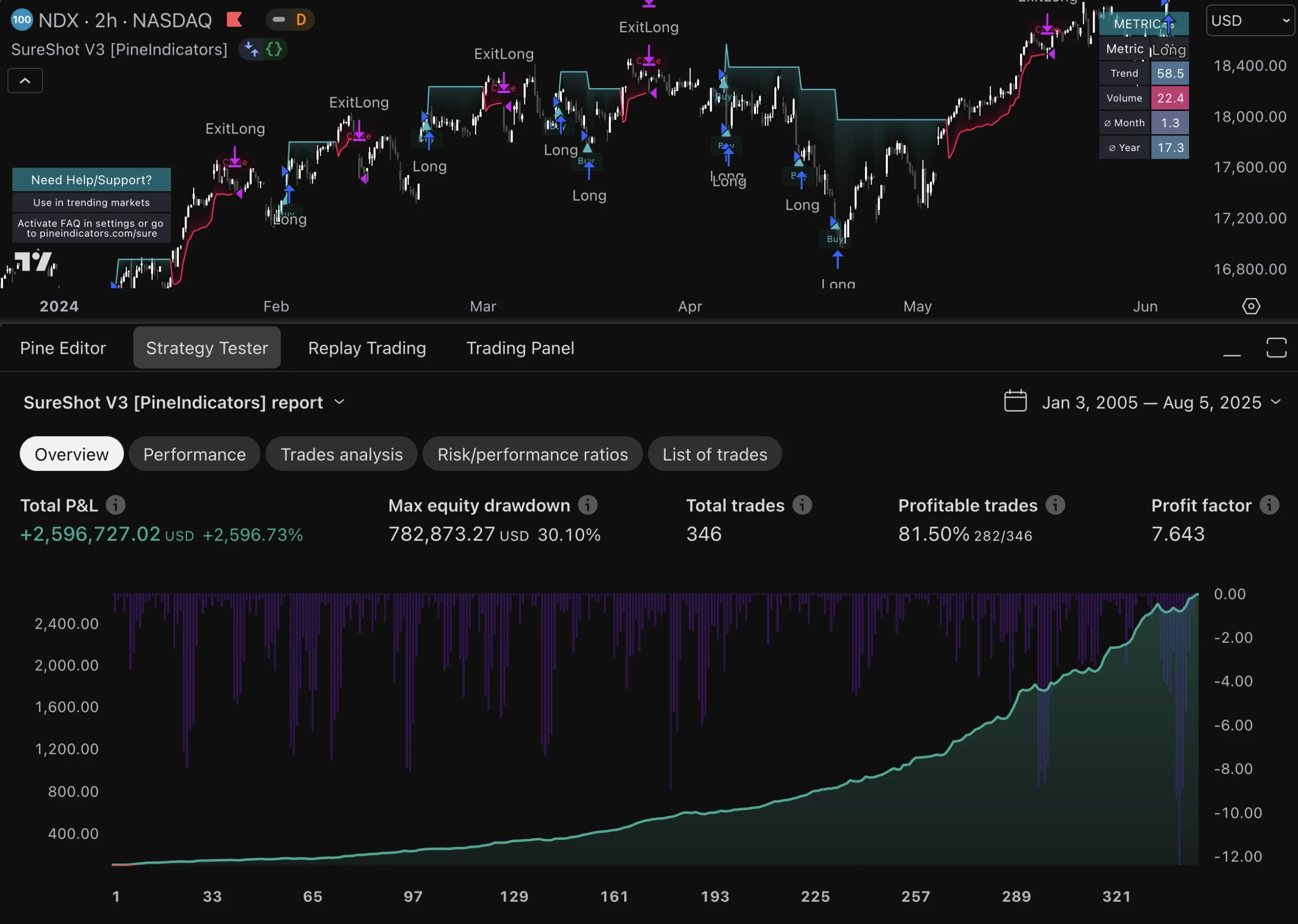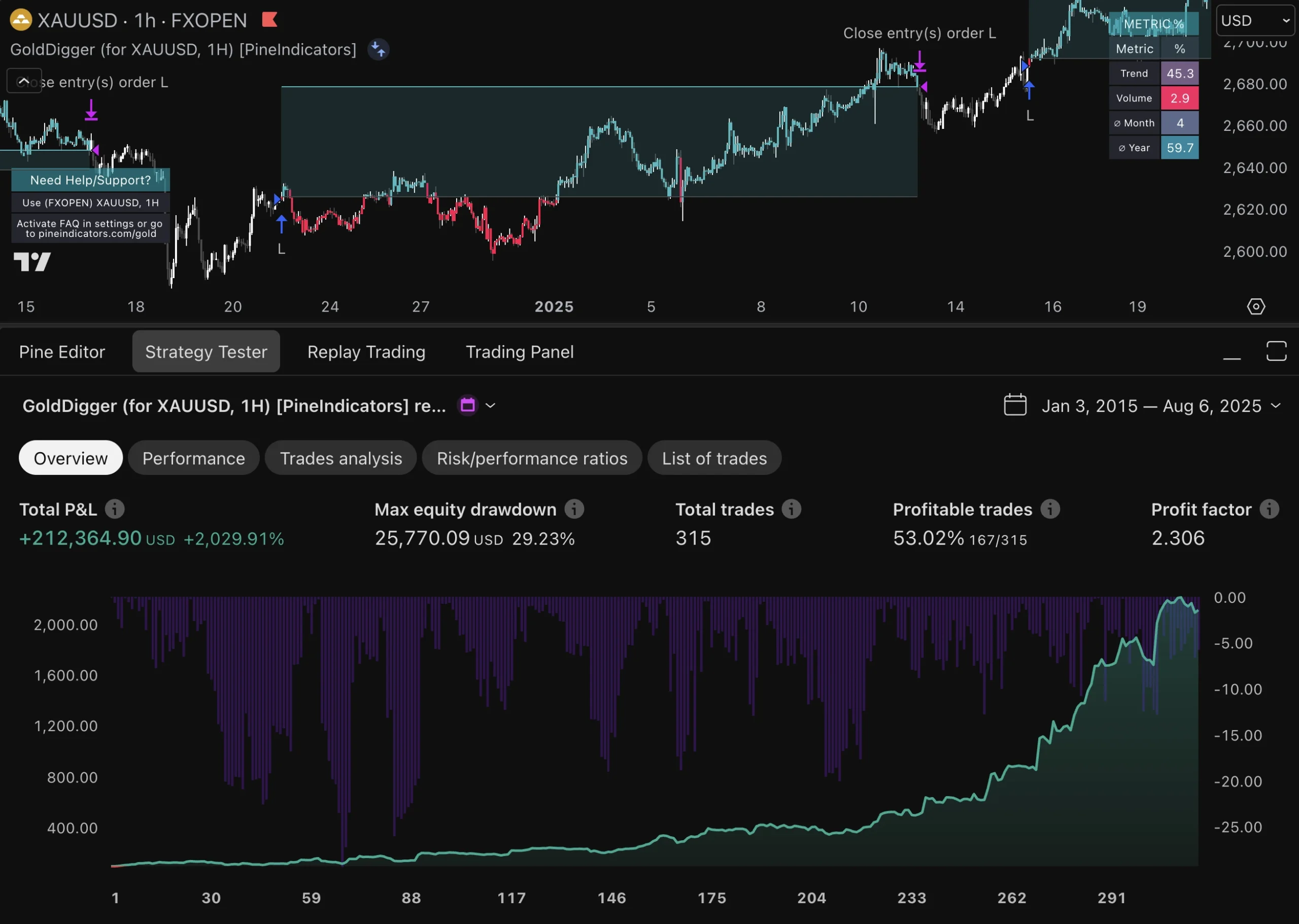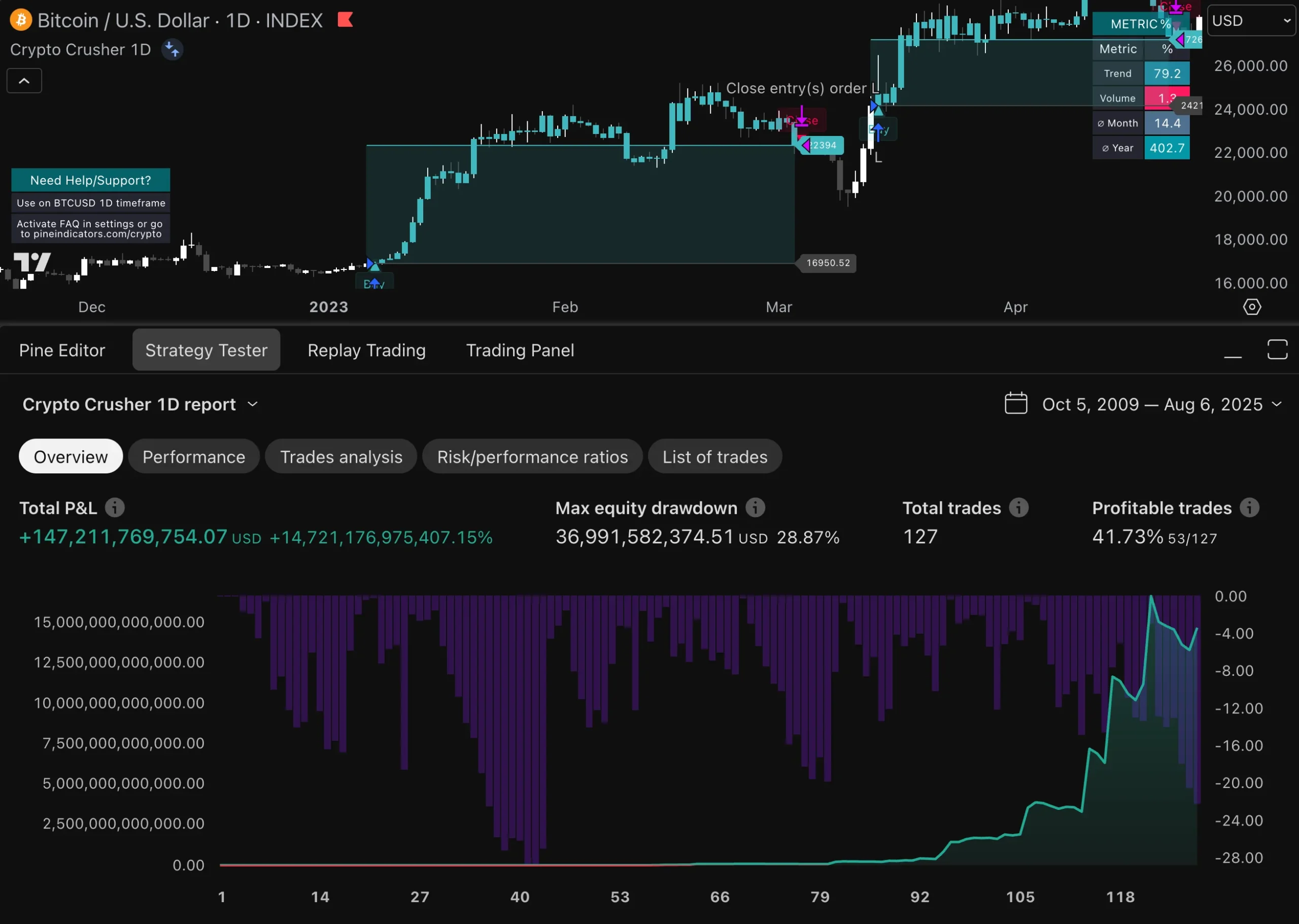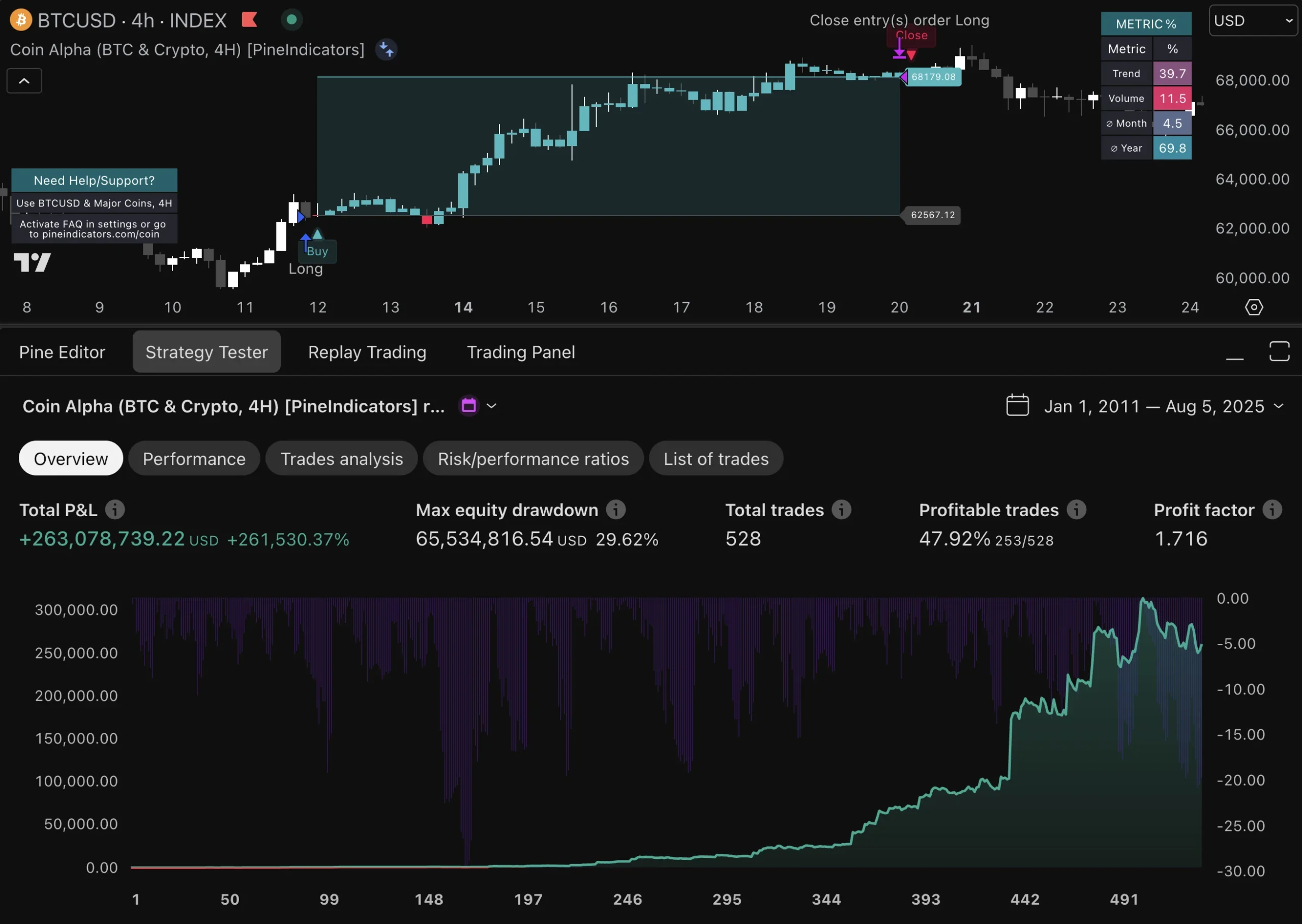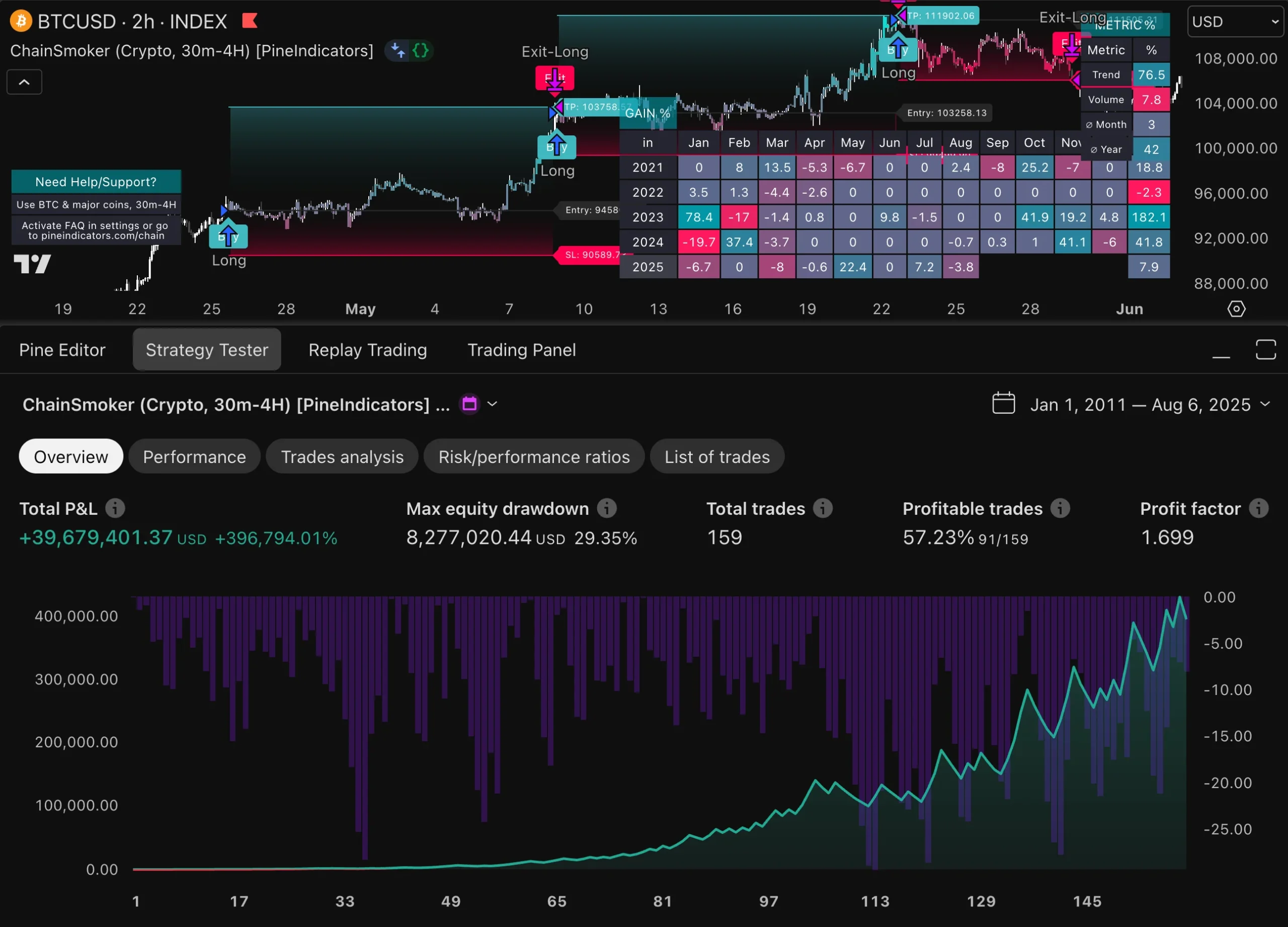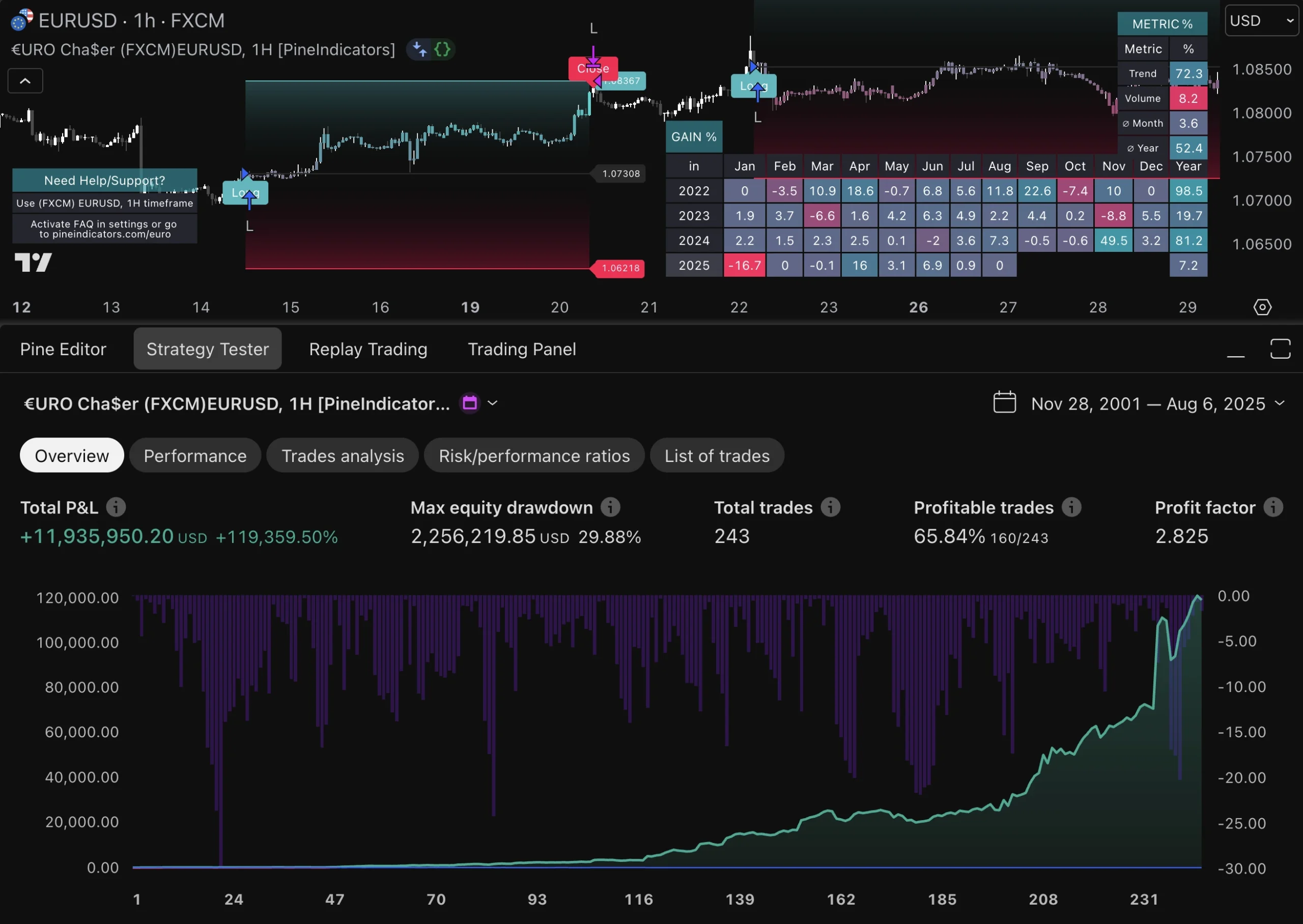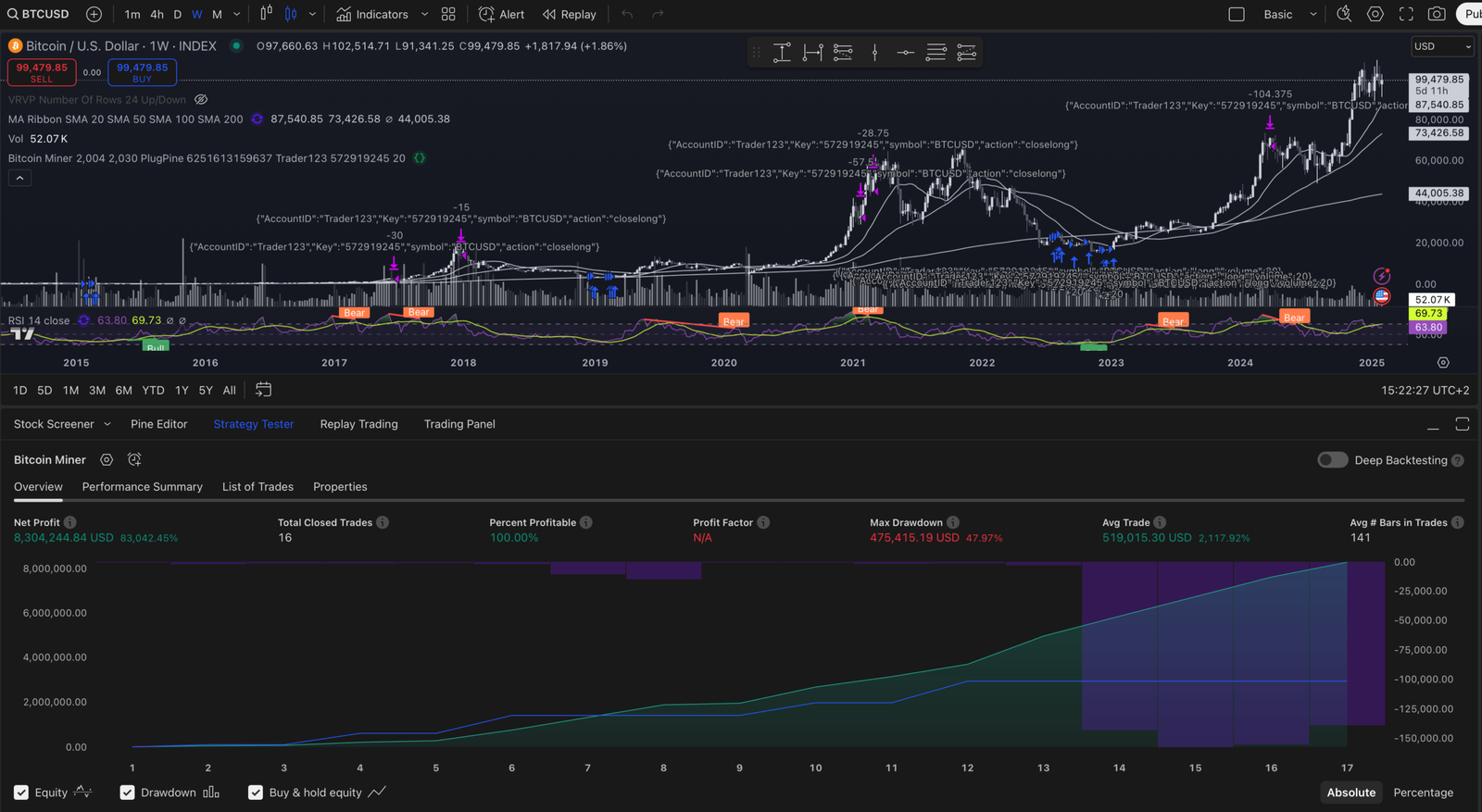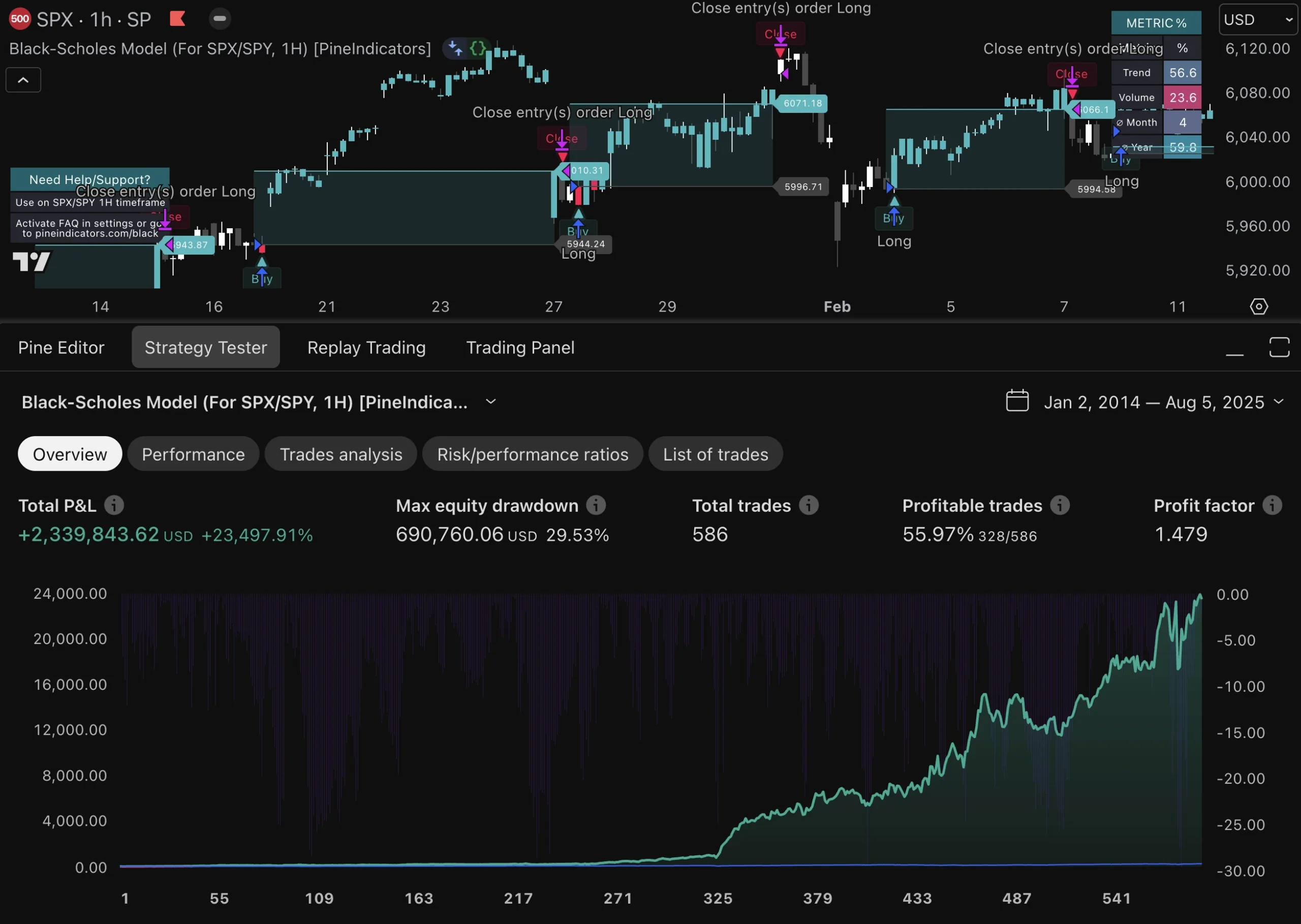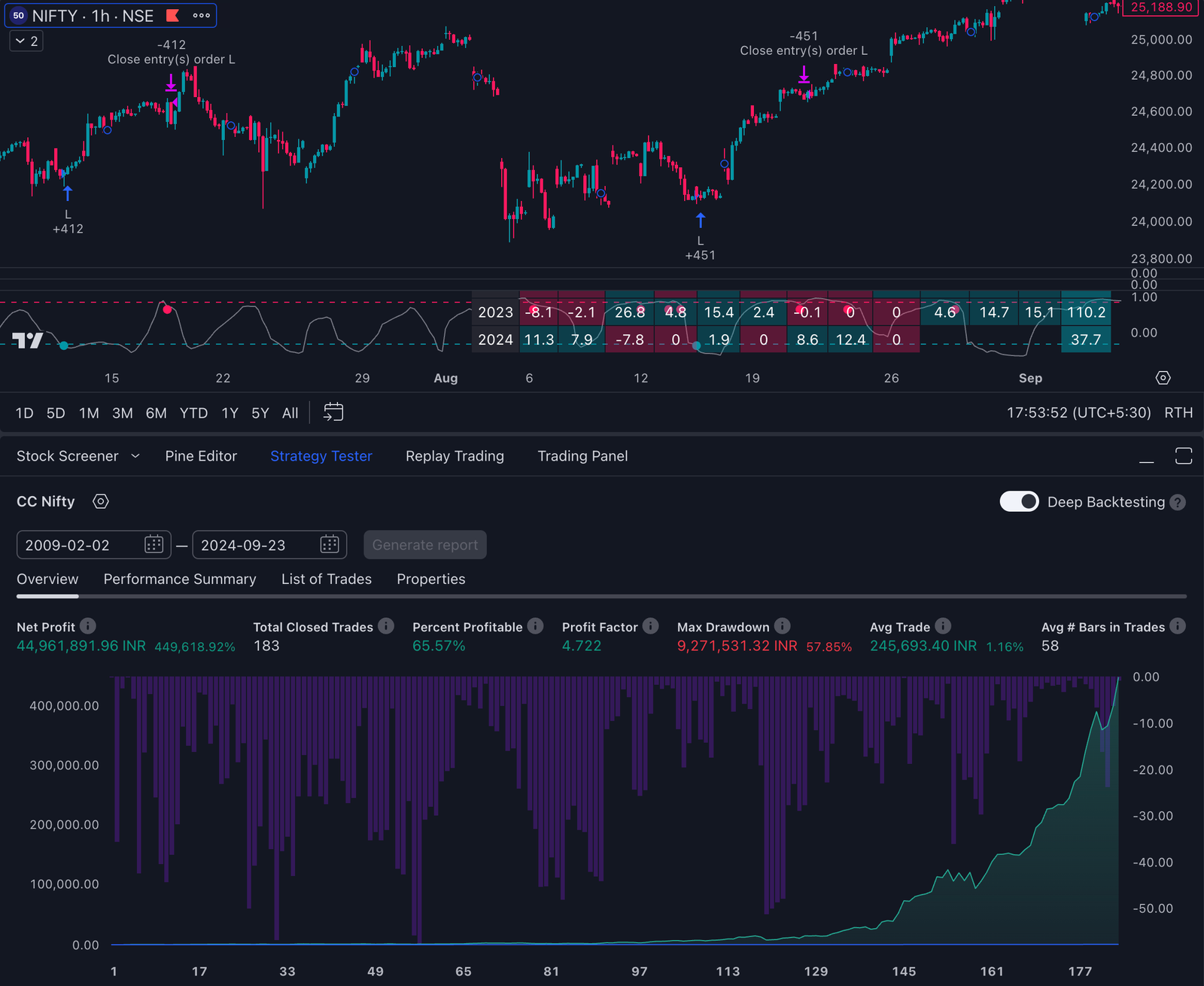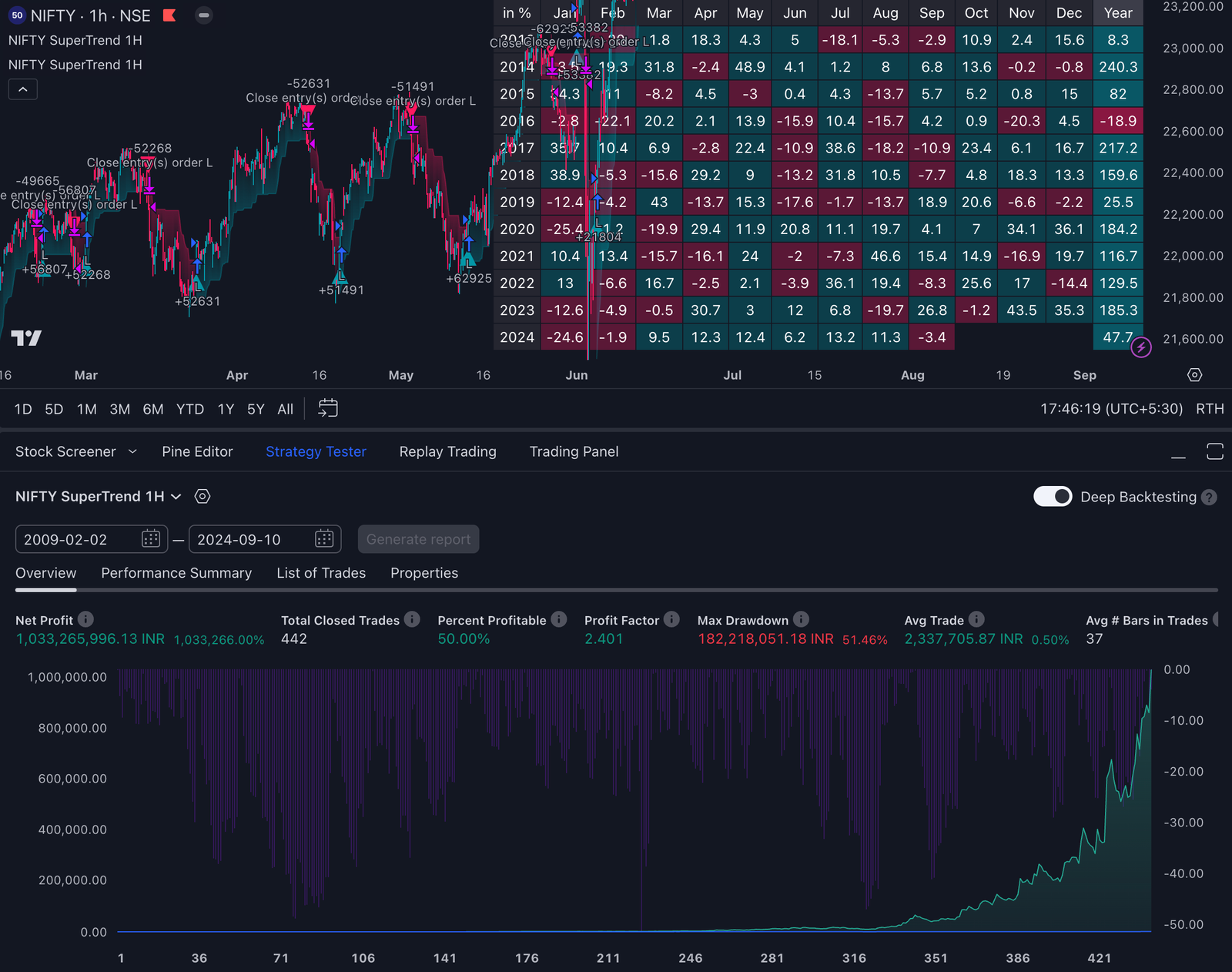

Trend following is a systematic investment strategy designed to profit from sustained price movements in financial markets. The core principle underlying this approach is that securities experiencing upward price momentum will likely continue rising, while those in decline will persist in falling. This strategy draws from behavioral finance theory, which indicates that market participants frequently engage in herding behavior, creating extended directional price movements.
Trend following strategies can be implemented across multiple asset classes, including stocks, commodities, foreign exchange, and bonds, providing broad diversification opportunities for portfolio managers. The implementation of trend following strategies relies primarily on technical analysis tools and price pattern recognition to identify and validate market trends. Common techniques include moving average systems, price breakout methodologies, and momentum oscillators to establish trade entry and exit criteria.
The approach offers operational simplicity by eliminating the need for complex fundamental analysis or economic forecasting. Trend followers base decisions exclusively on historical price data and market behavior patterns, enabling rapid adaptation to evolving market dynamics and systematic risk management protocols.
The historical performance of trend following strategies has been a subject of extensive research and analysis. Numerous studies have demonstrated that trend following can yield significant returns over the long term. For instance, a comprehensive study by the AQR Capital Management found that trend-following strategies produced an average annual return of approximately 8% from 1980 to 2014, outperforming traditional buy-and-hold strategies during various market cycles.
This performance is particularly notable during periods of high volatility when trend-following strategies tend to excel. Moreover, the performance of trend following has been validated across different asset classes and time frames. Research conducted by the Managed Futures Association indicates that trend-following hedge funds have consistently outperformed traditional equity markets during downturns.
For example, during the financial crisis of 2008, many trend-following funds generated positive returns while global equity markets plummeted. This resilience in adverse market conditions highlights the potential of trend following as a valuable component of a diversified investment portfolio.

To effectively evaluate the performance of trend-following strategies, investors must consider several key metrics. One of the most critical metrics is the Sharpe ratio, which measures the risk-adjusted return of an investment. A higher Sharpe ratio indicates that an investment has generated more return per unit of risk taken.
Trend-following strategies often exhibit favorable Sharpe ratios due to their ability to capture large price movements while managing downside risk. Another important metric is the maximum drawdown, which quantifies the largest peak-to-trough decline in an investment’s value over a specified period. This metric is crucial for understanding the potential risks associated with trend-following strategies.
While these strategies can deliver impressive returns, they are not immune to periods of underperformance. Analyzing drawdowns helps investors gauge the potential psychological impact of losses and assess whether they can withstand such fluctuations in their portfolios.
When comparing trend following with other investment strategies, it becomes evident that each approach has its unique strengths and weaknesses. For instance, value investing focuses on identifying undervalued assets based on fundamental analysis, while growth investing seeks companies with strong earnings potential. In contrast, trend following relies solely on price movements and market momentum, making it less dependent on economic indicators or company fundamentals.
One significant advantage of trend following is its ability to adapt to changing market conditions. Unlike value or growth investing, which may struggle during bear markets or periods of stagnation, trend-following strategies can capitalize on downward price movements by short-selling or taking defensive positions. This flexibility allows trend followers to maintain positive returns even when traditional investment strategies falter.
However, it is essential to note that trend following can also lead to whipsaw losses in choppy markets where prices oscillate without establishing a clear direction.
| Metric | Value | Description |
|---|---|---|
| Annualized Return | 12.5% | Average yearly return generated by the strategy |
| Sharpe Ratio | 1.2 | Risk-adjusted return measure |
| Max Drawdown | 18% | Maximum peak-to-trough decline during the period |
| Win Rate | 55% | Percentage of profitable trades |
| Average Trade Duration | 30 days | Average holding period per trade |
| Profit Factor | 1.5 | Ratio of gross profits to gross losses |
| Volatility | 10% | Standard deviation of returns |
The effectiveness of trend-following strategies can vary significantly depending on prevailing market conditions. In trending markets—characterized by sustained upward or downward price movements—trend following tends to perform exceptionally well. For example, during bull markets, trend followers can ride the upward momentum of stocks or commodities, capturing substantial gains as prices rise.
Conversely, in bear markets, these strategies can profit from short positions or defensive trades as prices decline. However, in sideways or range-bound markets where prices fluctuate within a narrow band, trend-following strategies may struggle. The lack of clear trends can lead to frequent false signals and whipsaw losses as traders enter and exit positions based on short-term price movements.
To mitigate this challenge, some trend followers incorporate filters or additional criteria to avoid trading during periods of low volatility or unclear market direction.
Effective risk management is paramount for the success of any trading strategy, and trend following is no exception. One common approach employed by trend followers is position sizing, which involves determining the appropriate amount of capital to allocate to each trade based on the trader’s risk tolerance and the volatility of the asset being traded. By adjusting position sizes according to market conditions, traders can protect their capital during adverse movements while maximizing potential gains during favorable trends.
Another critical aspect of risk management in trend following is the use of stop-loss orders. These orders automatically close a position when an asset’s price reaches a predetermined level, limiting potential losses. By implementing stop-loss orders strategically, traders can safeguard their investments against sudden market reversals while allowing profitable trades to run their course.
Additionally, diversifying across multiple asset classes can further enhance risk management by reducing exposure to any single market or sector.
Transaction costs play a significant role in the overall performance of trend-following strategies. These costs include brokerage fees, slippage (the difference between expected and actual execution prices), and taxes on capital gains from frequent trading.
To mitigate the impact of transaction costs, traders may adopt various techniques such as using limit orders instead of market orders to minimize slippage or selecting brokers with competitive fee structures. Additionally, some trend followers may choose to implement longer-term trading horizons to reduce turnover and associated costs. By balancing the frequency of trades with transaction expenses, traders can enhance the net returns generated by their trend-following strategies.
Drawdowns and volatility are critical factors in assessing the performance and risk profile of trend-following strategies. Drawdowns represent periods when an investment’s value declines from its peak, providing insight into potential risks faced by investors. Evaluating historical drawdowns helps traders understand how much capital they might lose during adverse market conditions and whether they can tolerate such fluctuations.
Volatility is another essential consideration for trend followers since it directly impacts both potential returns and risks. High volatility can create opportunities for significant gains but also increases the likelihood of substantial losses. Therefore, many trend followers employ volatility-adjusted position sizing techniques to ensure that their exposure aligns with prevailing market conditions.
By carefully analyzing drawdowns and volatility metrics, traders can make informed decisions about their risk tolerance and adjust their strategies accordingly.
Several factors influence the performance of trend-following strategies beyond market conditions and risk management practices. One critical factor is market liquidity; highly liquid markets tend to facilitate smoother execution of trades and reduce slippage, enhancing overall performance. Conversely, illiquid markets may lead to increased transaction costs and difficulty entering or exiting positions at desired prices.
Another significant factor is the choice of technical indicators used for identifying trends. Different indicators may yield varying results depending on market conditions and asset classes. For instance, moving averages are popular among trend followers for their simplicity; however, they may lag in rapidly changing markets.
As such, traders often experiment with different combinations of indicators and time frames to optimize their strategies for specific market environments.
Numerous case studies illustrate the successful implementation of trend-following strategies across various markets and time periods. One notable example is the performance of managed futures funds during the 2008 financial crisis. Many funds employing trend-following techniques generated positive returns as they capitalized on falling equity prices and rising volatility in commodities like gold and oil.
Another compelling case study involves Richard Dennis and his Turtle Traders experiment in the 1980s. Dennis trained a group of novice traders in his trend-following methodology, emphasizing rules-based trading and risk management principles. The Turtle Traders achieved remarkable success over several years, demonstrating that even individuals without prior trading experience could profit from a disciplined approach to trend following.
Implementing a successful trend-following strategy requires careful consideration of various factors including market conditions, risk management practices, transaction costs, and individual trader psychology. Investors interested in adopting this approach should begin by developing a clear set of rules for entering and exiting trades based on technical indicators while maintaining strict discipline in adhering to these rules. Additionally, it is crucial for traders to continuously evaluate their performance metrics such as Sharpe ratios and drawdowns while remaining adaptable to changing market dynamics.
By combining robust risk management techniques with a thorough understanding of market behavior, investors can harness the potential benefits of trend following while mitigating associated risks effectively.
Trend following strategies have gained significant attention in the trading community due to their potential for consistent performance in various market conditions. For a deeper understanding of how to evaluate the effectiveness of these strategies, you can refer to the article on trading strategy evaluation techniques, which provides valuable insights and methodologies for assessing performance. Check it out here: trading strategy evaluation techniques.
A trend following strategy is an investment approach that aims to capitalize on the momentum of asset prices by buying when prices are rising and selling when prices are falling. It relies on the assumption that trends in financial markets tend to persist over time.
Performance is typically measured using metrics such as total return, annualized return, Sharpe ratio, maximum drawdown, and win-loss ratio. These metrics help investors evaluate the profitability, risk-adjusted returns, and consistency of the strategy.
Trend following strategies are commonly applied in various markets including equities, commodities, currencies, and futures. They tend to perform well in trending markets but may underperform during sideways or choppy market conditions.
Advantages include the potential to generate profits in both rising and falling markets, risk management through systematic rules, and the ability to adapt to changing market conditions without relying on market forecasts.
Risks include false signals during non-trending markets, potential for significant drawdowns during trend reversals, and the possibility of lagging behind rapid market changes due to the strategy’s reliance on historical price data.
Trend following differs from strategies like mean reversion or buy-and-hold by actively responding to price movements rather than assuming prices will revert to a mean or remain stable. It can offer diversification benefits when combined with other strategies.
Yes, trend following strategies are often implemented using algorithmic trading systems that automatically execute trades based on predefined rules, reducing emotional bias and improving execution speed.
Numerous studies and historical data analyses have shown that trend following strategies have delivered positive returns over long periods, especially during sustained market trends, though past performance is not indicative of future results.
Trade frequency varies depending on the specific strategy and time frame used. Some trend followers trade on daily or weekly signals, while others may use monthly or longer-term trends to reduce transaction costs.
Trend following may not be suitable for all investors due to its risk profile and potential for drawdowns. It is generally more appropriate for investors with a higher risk tolerance and a long-term investment horizon.