
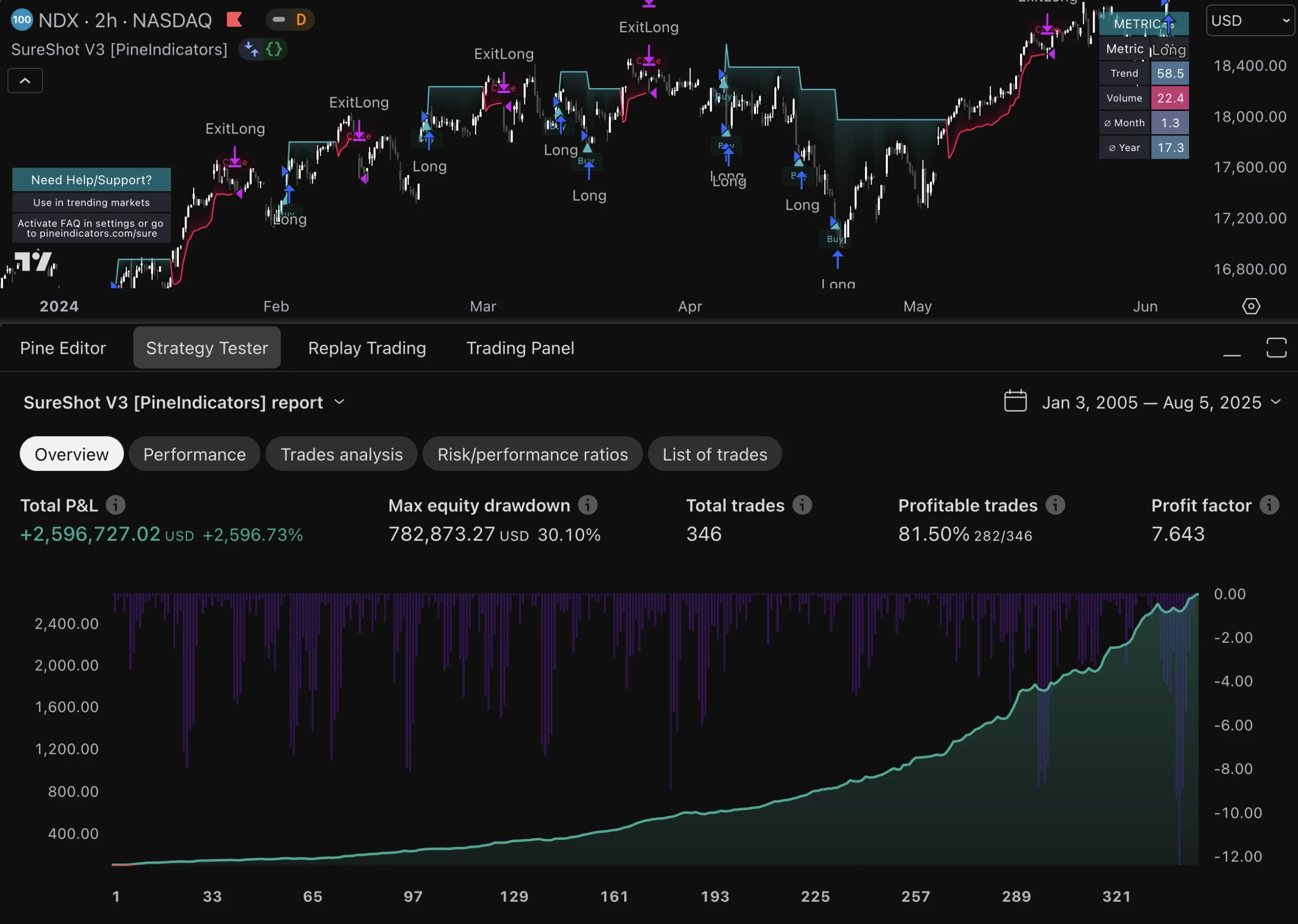
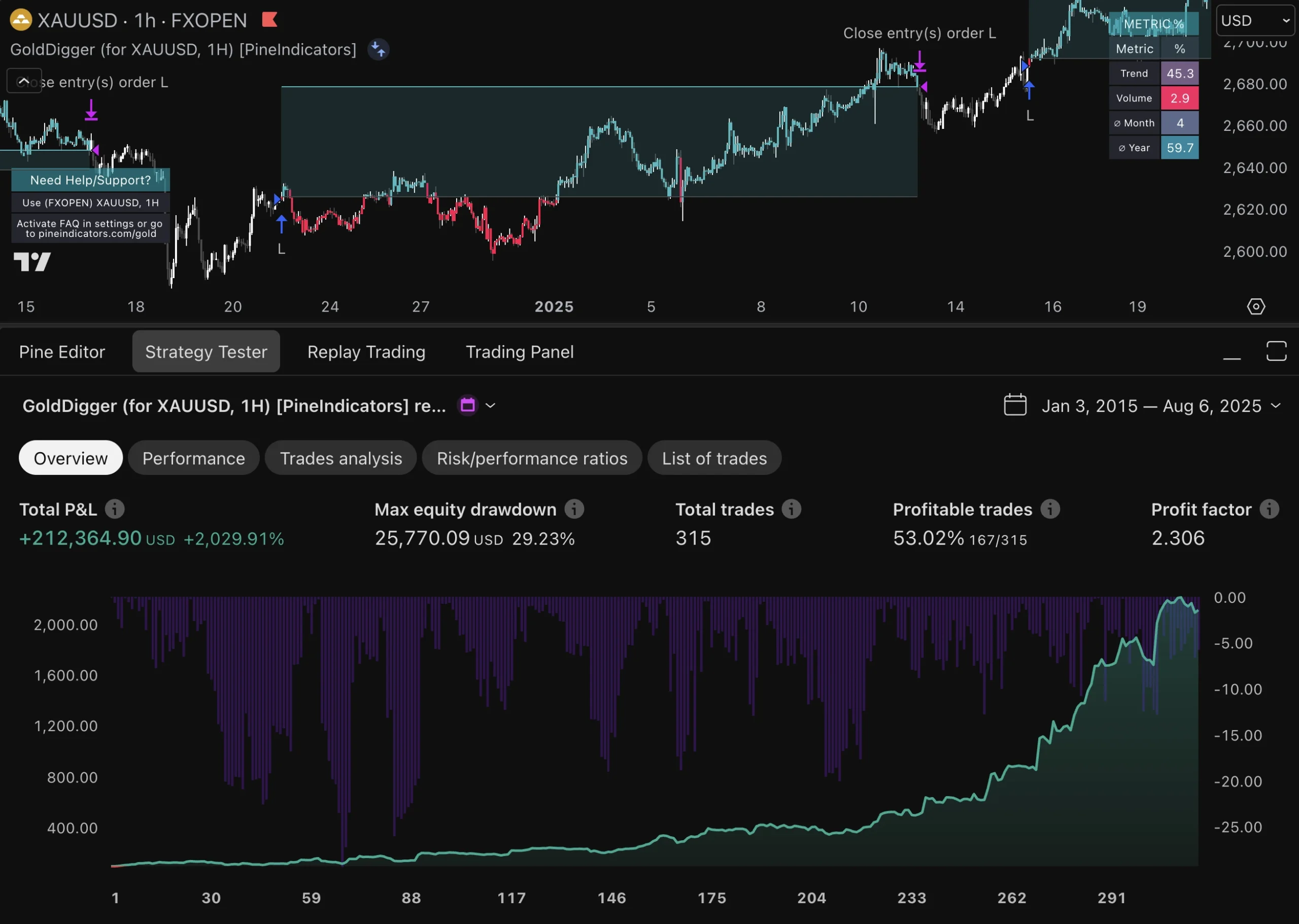
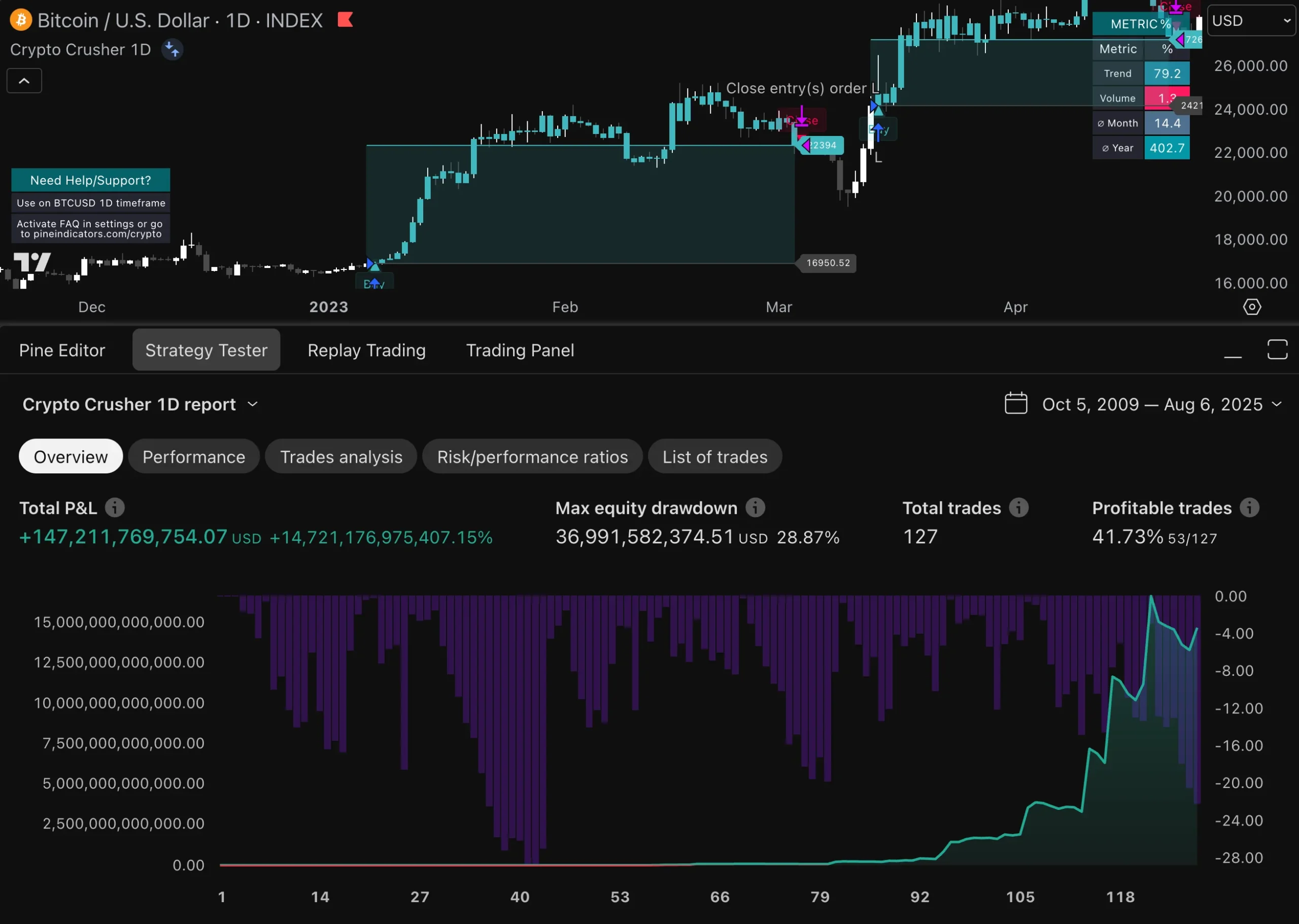
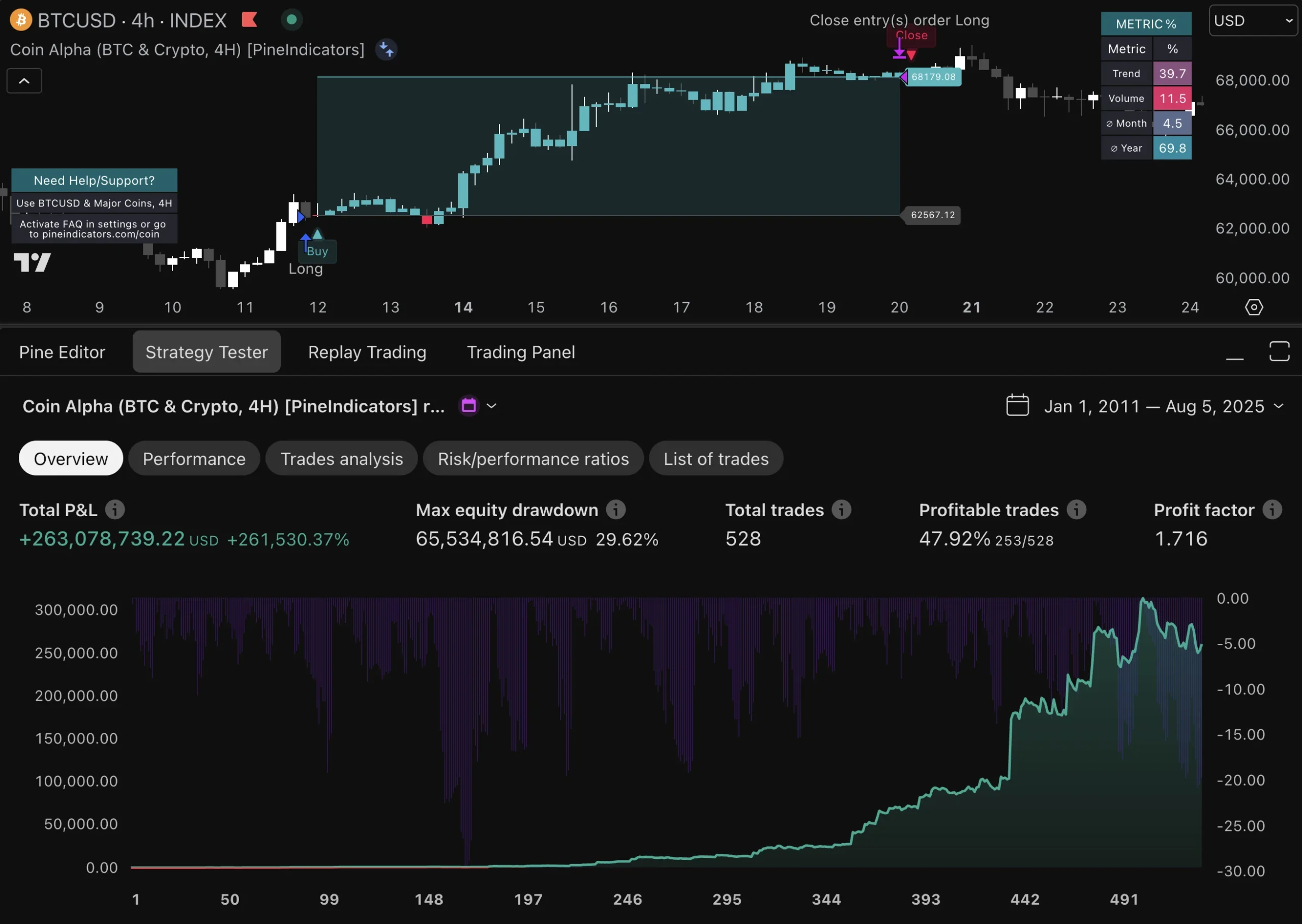
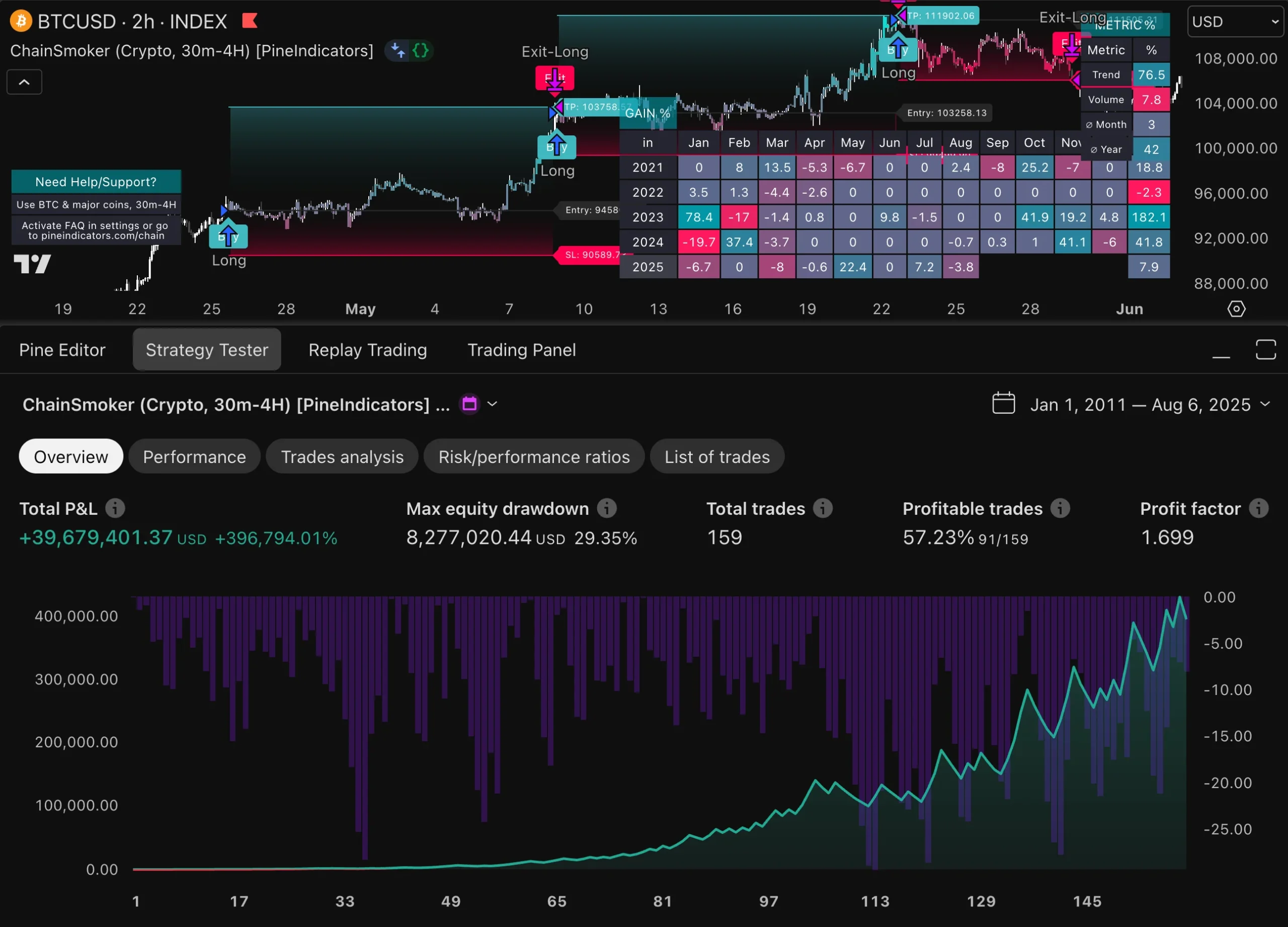
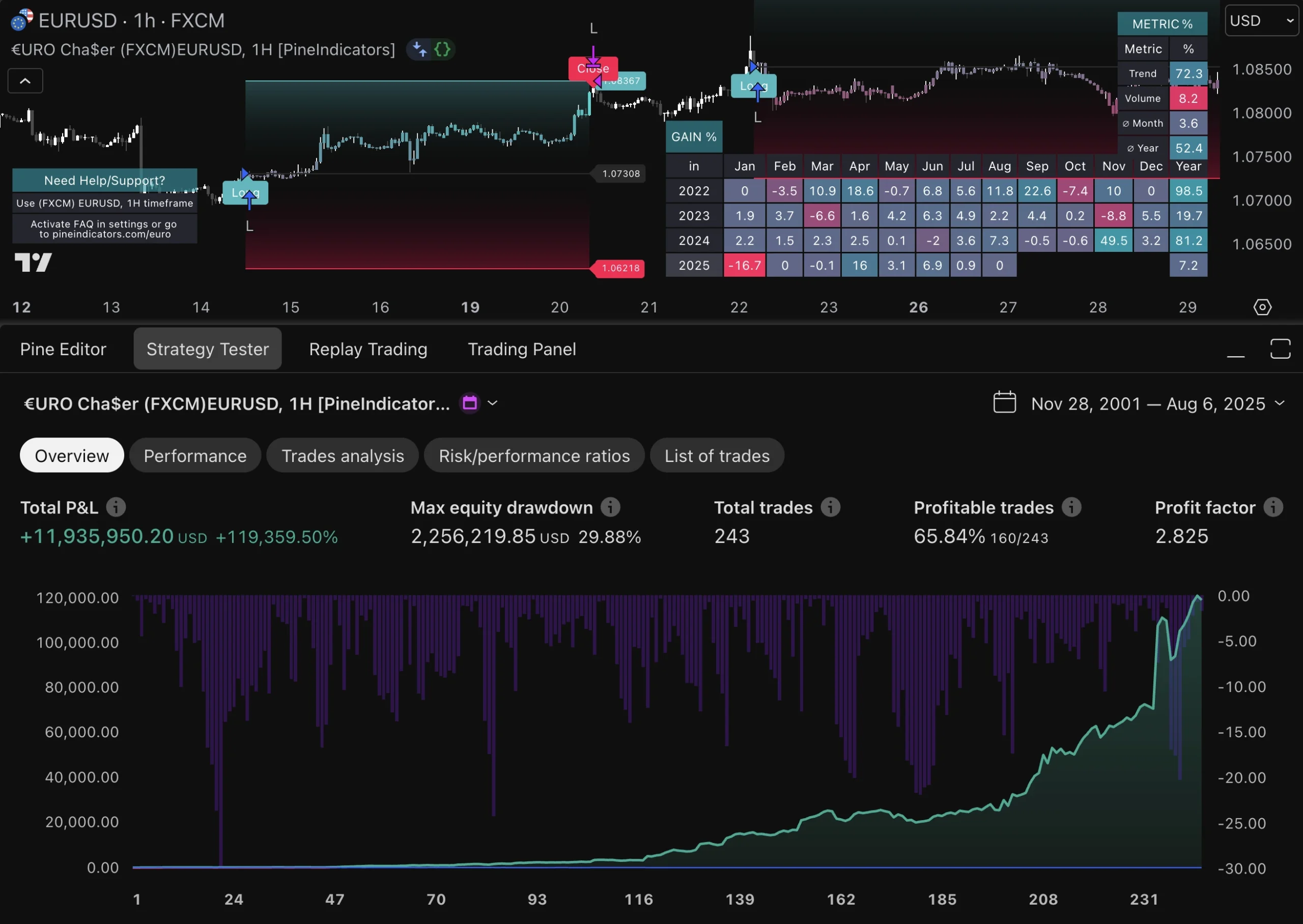
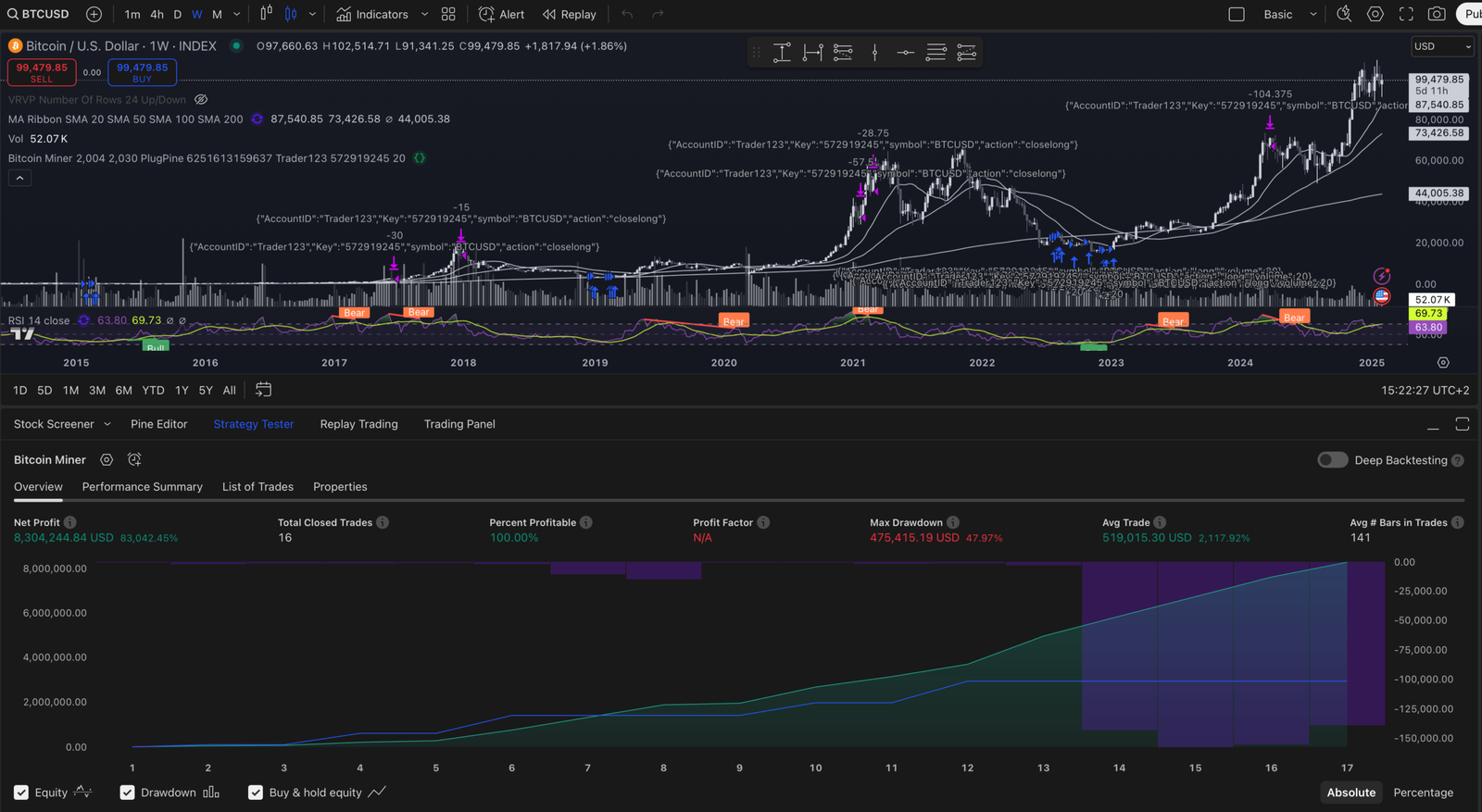
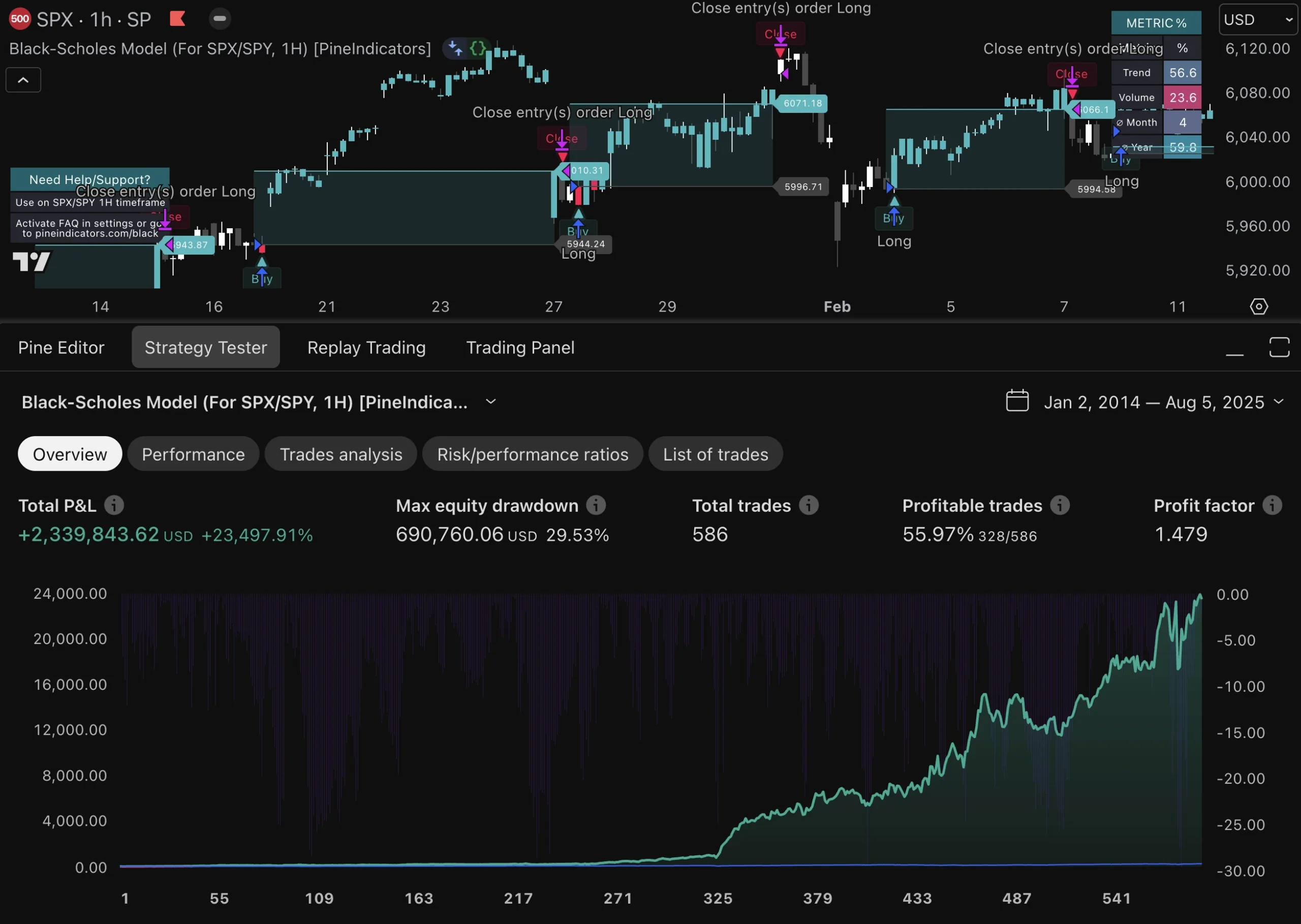
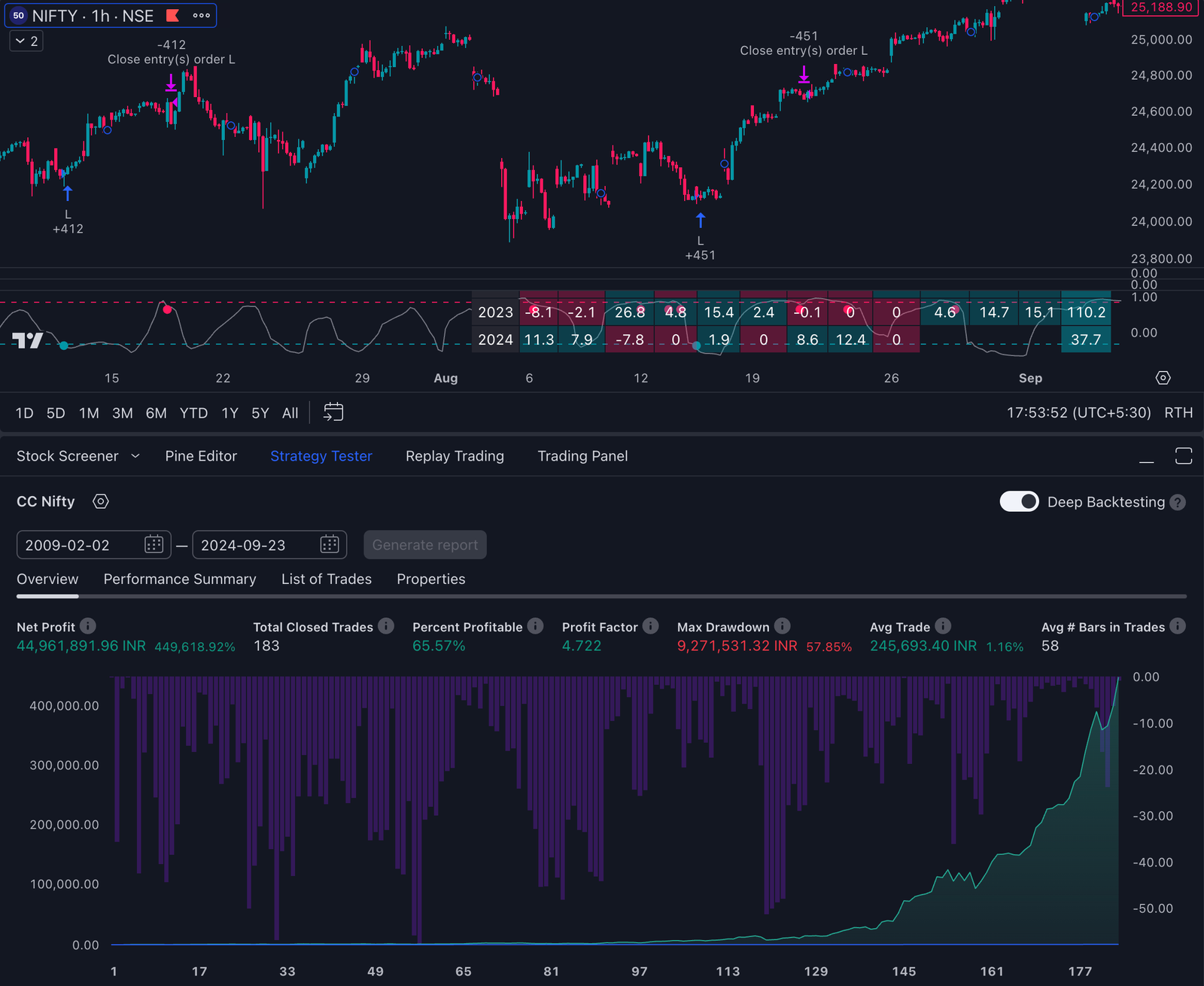
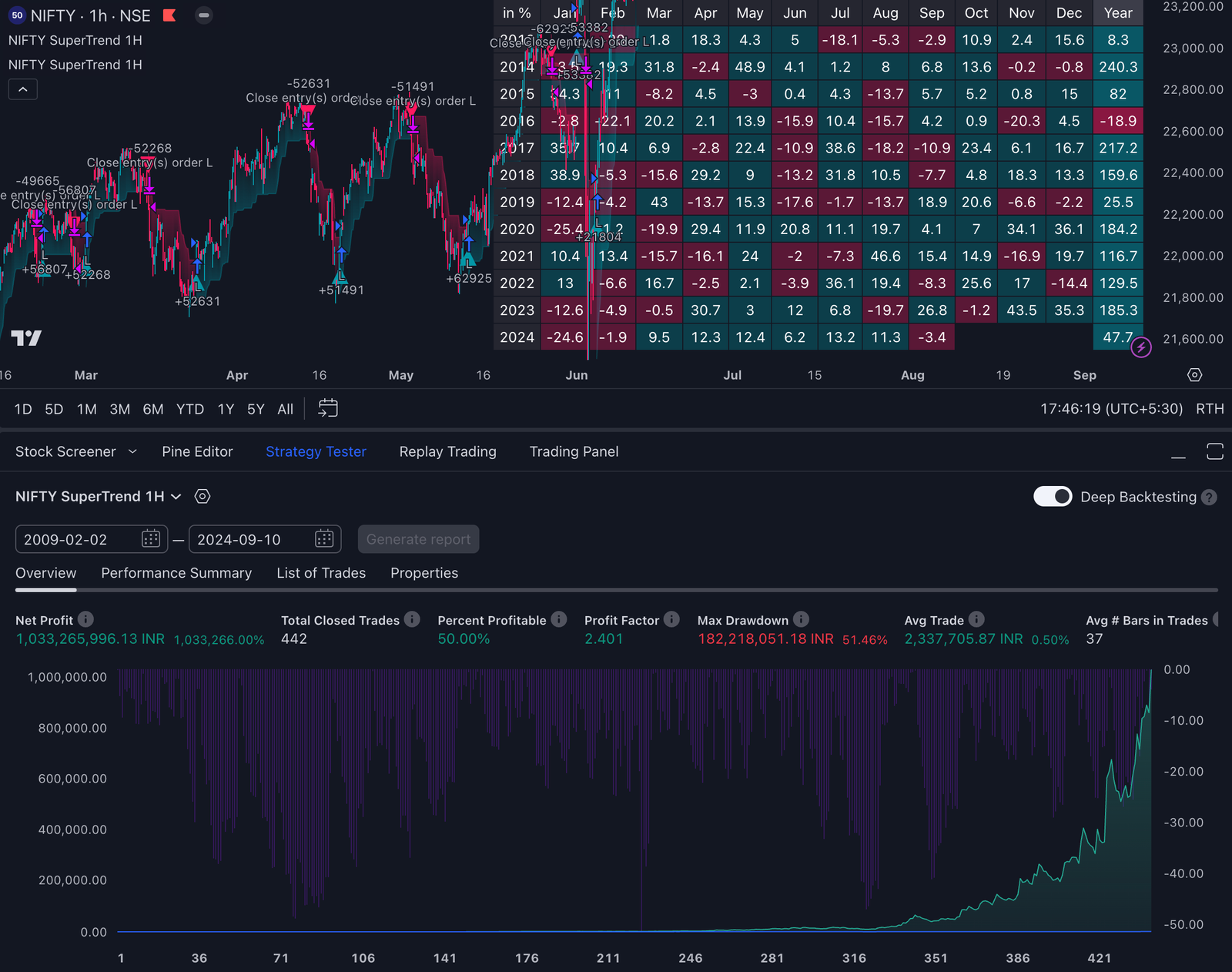
High performance trading strategies are systematic approaches designed to optimize returns while managing risk exposure in financial markets. These strategies are categorized into three primary types based on time horizons and execution methods. Day trading involves opening and closing positions within the same trading session, typically lasting minutes to hours, to capture intraday price fluctuations.
Swing trading extends the holding period from several days to weeks, targeting intermediate-term price movements that occur between short-term volatility and long-term trends. Position trading represents a long-term approach where positions are held for months or years, relying primarily on fundamental analysis and macroeconomic factors to drive investment decisions. Effective trading strategies require adaptability to changing market conditions and the integration of multiple analytical frameworks.
Technical analysis utilizes mathematical indicators and chart patterns to identify entry and exit points, with commonly used tools including moving averages, which smooth price data to identify trends, and the Relative Strength Index (RSI), which measures momentum by comparing recent gains to recent losses. Fundamental analysis examines economic indicators such as Gross Domestic Product (GDP) growth rates, unemployment statistics, inflation data, and corporate earnings to assess underlying asset values and market direction. The combination of these analytical methods provides traders with quantitative metrics and qualitative market insights necessary for informed decision-making across varying market environments.
Key Takeaways
- High performance trading requires a well-developed plan and a deep understanding of both technical and fundamental analysis.
- Effective risk management and identifying high probability trade setups are crucial for consistent success.
- Advanced tools and technology can enhance decision-making and execution in trading.
- Emotional control and psychological discipline are key to maintaining trading performance.
- Continuous evaluation, adaptation, and learning are essential to thrive in dynamic market conditions.
Developing a Solid Trading Plan
Creating a robust trading plan is a fundamental step for any trader aiming for success in the financial markets. A well-structured trading plan outlines specific goals, risk tolerance, and the strategies that will be employed.
A comprehensive trading plan should include details such as the types of assets to be traded, the timeframes for trades, and the criteria for entering and exiting positions. Moreover, a solid trading plan should incorporate a clear risk management strategy. This involves determining the maximum amount of capital that can be risked on any single trade, often expressed as a percentage of the total trading account.
For example, many traders adhere to the rule of risking no more than 1-2% of their account balance on a single trade. By establishing these parameters in advance, traders can protect their capital and avoid emotional decision-making during challenging market conditions.
Utilizing Technical Analysis for Effective Trading

Technical analysis is a cornerstone of effective trading strategies, providing traders with tools to analyze price movements and identify trends. This analytical approach relies on historical price data and various charting techniques to forecast future price behavior. Traders often utilize candlestick charts, trend lines, and various indicators such as Bollinger Bands or Fibonacci retracements to gain insights into market sentiment and potential reversals.
One of the primary advantages of technical analysis is its ability to provide visual representations of market trends.
Conversely, recognizing bearish patterns like lower highs and lower lows can signal potential downturns.
By combining these visual cues with volume analysis—examining the number of shares traded—traders can enhance their decision-making process and increase the likelihood of successful trades.
Implementing Risk Management Techniques
Risk management is an integral component of any successful trading strategy, as it helps protect capital and ensures long-term sustainability in the markets. Effective risk management techniques involve setting stop-loss orders, diversifying portfolios, and employing position sizing strategies. A stop-loss order automatically closes a position when it reaches a predetermined price level, limiting potential losses.
For example, if a trader enters a long position at $100 with a stop-loss set at $95, they are willing to risk $5 per share. Diversification is another critical risk management technique that involves spreading investments across various assets or sectors to reduce exposure to any single investment’s volatility. By diversifying their portfolio, traders can mitigate risks associated with adverse movements in specific stocks or commodities.
Additionally, position sizing—determining the appropriate amount of capital to allocate to each trade based on risk tolerance—ensures that no single trade can significantly impact the overall portfolio.
Identifying High Probability Trade Setups
| Strategy | Average Return (%) | Sharpe Ratio | Max Drawdown (%) | Holding Period | Typical Instruments |
|---|---|---|---|---|---|
| Statistical Arbitrage | 12.5 | 1.8 | 8.0 | Days to Weeks | Equities, ETFs |
| Momentum Trading | 15.0 | 1.5 | 10.0 | Days to Months | Stocks, Futures |
| Mean Reversion | 10.0 | 1.3 | 7.5 | Intraday to Days | Forex, Equities |
| High-Frequency Trading (HFT) | 8.0 | 2.0 | 5.0 | Seconds to Minutes | Equities, Futures |
| Pairs Trading | 11.0 | 1.6 | 6.5 | Days to Weeks | Equities |
Identifying high probability trade setups is essential for traders looking to enhance their success rates in the markets. High probability setups are characterized by favorable risk-to-reward ratios and strong technical or fundamental signals that indicate potential price movements. Traders often look for specific patterns or indicators that suggest an impending breakout or reversal.
For instance, a trader might identify a bullish flag pattern forming after a strong upward move, signaling a potential continuation of the trend. Moreover, utilizing multiple time frame analysis can help traders confirm high probability setups. By examining charts across different time frames—such as daily, hourly, and 15-minute charts—traders can gain insights into both short-term fluctuations and long-term trends.
This comprehensive view allows them to align their trades with broader market movements while also identifying optimal entry points for maximum profitability.
Using Fundamental Analysis to Inform Trading Decisions
Fundamental analysis plays a crucial role in informing trading decisions by evaluating economic indicators, company performance metrics, and geopolitical events that can impact asset prices. Traders who employ fundamental analysis often focus on key economic reports such as employment figures, inflation rates, and central bank announcements. For example, an unexpected increase in unemployment claims may lead traders to anticipate a bearish sentiment in the stock market.
In addition to macroeconomic factors, company-specific fundamentals are vital for stock traders. Analyzing earnings reports, revenue growth, and profit margins can provide insights into a company’s financial health and future prospects. For instance, if a technology company reports better-than-expected earnings due to strong demand for its products, traders may view this as a bullish signal and consider entering long positions in anticipation of further price appreciation.
Incorporating Advanced Trading Tools and Technology
The integration of advanced trading tools and technology has revolutionized the way traders operate in financial markets. Algorithmic trading systems utilize complex mathematical models to execute trades at high speeds based on predefined criteria. These systems can analyze vast amounts of data in real-time, allowing traders to capitalize on fleeting opportunities that may be missed through manual trading.
Additionally, trading platforms equipped with advanced charting tools and indicators enable traders to conduct thorough technical analysis efficiently. Features such as customizable alerts can notify traders when specific price levels are reached or when certain technical conditions are met. Furthermore, social trading platforms allow traders to share insights and strategies with one another, fostering collaboration and knowledge exchange within the trading community.
Managing Emotions and Psychology in Trading
The psychological aspect of trading is often underestimated but plays a significant role in determining success or failure in the markets. Emotions such as fear and greed can lead to impulsive decisions that deviate from a trader’s established plan. For instance, during periods of market volatility, fear may prompt traders to exit positions prematurely or avoid taking trades altogether, while greed can lead them to over-leverage their accounts in pursuit of quick profits.
To manage emotions effectively, traders must cultivate discipline and adhere strictly to their trading plans. Techniques such as mindfulness meditation or journaling can help traders reflect on their emotional responses during trades and identify patterns that may hinder their performance. By recognizing emotional triggers and developing coping strategies, traders can maintain a more objective perspective when making decisions in high-pressure situations.
Monitoring and Evaluating Trading Performance
Regularly monitoring and evaluating trading performance is essential for continuous improvement in trading strategies. Traders should maintain detailed records of their trades, including entry and exit points, position sizes, and the rationale behind each decision. This data allows them to analyze their performance over time and identify areas for improvement.
Performance metrics such as win rate, average profit per trade, and maximum drawdown provide valuable insights into a trader’s effectiveness. For example, if a trader consistently experiences significant drawdowns despite having a high win rate, it may indicate issues with risk management or position sizing. By conducting thorough evaluations of their performance metrics, traders can refine their strategies and enhance their overall profitability.
Adapting to Changing Market Conditions
The financial markets are inherently dynamic, influenced by various factors such as economic data releases, geopolitical events, and shifts in investor sentiment. Successful traders must remain adaptable and responsive to changing market conditions rather than relying solely on static strategies. This adaptability involves continuously assessing market trends and adjusting trading plans accordingly.
For instance, during periods of heightened volatility—such as during major economic announcements—traders may need to adjust their position sizes or implement tighter stop-loss orders to mitigate risks associated with sudden price swings. Conversely, in more stable market conditions, they might consider increasing their exposure to capitalize on sustained trends. By staying attuned to market dynamics and being willing to modify their approaches, traders can navigate changing conditions more effectively.
Continuous Learning and Improvement in Trading Strategies
The journey of becoming a successful trader is one of continuous learning and improvement. The financial markets are constantly evolving; thus, traders must stay informed about new developments in market theory, technology advancements, and emerging trends. Engaging in ongoing education through books, webinars, or mentorship programs can provide valuable insights that enhance trading skills.
Moreover, participating in trading communities or forums allows traders to exchange ideas and learn from one another’s experiences. Sharing successes and failures fosters an environment of collective growth where traders can refine their strategies based on real-world feedback. By embracing a mindset of lifelong learning and actively seeking opportunities for improvement, traders can adapt their approaches over time and increase their chances of achieving long-term success in the markets.
High-performance trading strategies are essential for traders looking to maximize their returns in today’s fast-paced markets. One insightful resource that delves into this topic is the article on algorithmic trading indicators, which discusses how to leverage technology to enhance trading performance. You can read more about it in the article titled Maximize Profits with Algorithmic Trading Indicators. This article provides valuable insights into the tools and techniques that can help traders optimize their strategies for better results.
FAQs
What are high performance trading strategies?
High performance trading strategies are systematic approaches designed to maximize returns and minimize risks in financial markets. They often involve advanced algorithms, quantitative analysis, and real-time data processing to execute trades efficiently.
What types of markets are high performance trading strategies used in?
These strategies are commonly used in various markets including equities, forex, commodities, futures, and cryptocurrencies. They are particularly prevalent in high-frequency trading and algorithmic trading environments.
What technologies support high performance trading strategies?
High performance trading strategies rely on technologies such as low-latency trading platforms, high-speed data feeds, machine learning algorithms, and powerful computing infrastructure to analyze market data and execute trades rapidly.
Are high performance trading strategies suitable for individual investors?
While some aspects can be adapted for individual investors, most high performance trading strategies require significant technical expertise, capital, and infrastructure, making them more accessible to institutional traders and professional firms.
What risks are associated with high performance trading strategies?
Risks include market volatility, algorithmic errors, system failures, and regulatory changes. Additionally, the rapid pace of trading can amplify losses if strategies are not properly managed or tested.
How do traders develop high performance trading strategies?
Traders typically develop these strategies through quantitative research, backtesting historical data, optimizing algorithms, and continuously monitoring performance to adapt to changing market conditions.
Can high performance trading strategies guarantee profits?
No trading strategy can guarantee profits. While high performance strategies aim to improve the probability of success, they are subject to market risks and uncertainties that can lead to losses.
What role does risk management play in high performance trading?
Risk management is critical and involves setting stop-loss limits, position sizing, diversification, and continuous monitoring to protect capital and ensure the sustainability of trading strategies.
How do regulations impact high performance trading strategies?
Regulations may impose restrictions on trading practices, require transparency, and enforce compliance standards. Traders must ensure their strategies adhere to legal requirements to avoid penalties and maintain market integrity.
Where can one learn more about high performance trading strategies?
Educational resources include financial textbooks, online courses, trading forums, professional certifications, and research papers from financial institutions and academic sources.