
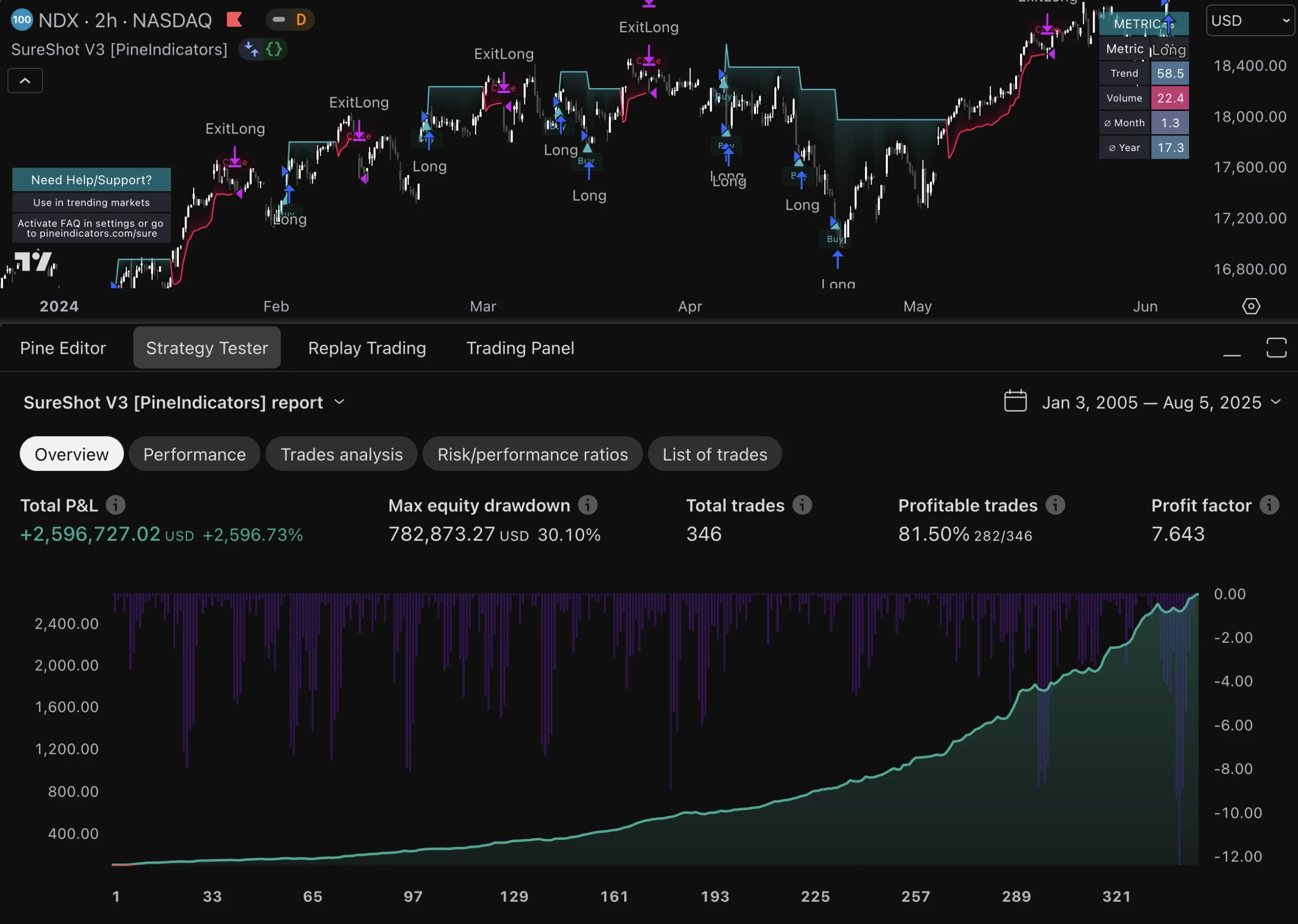
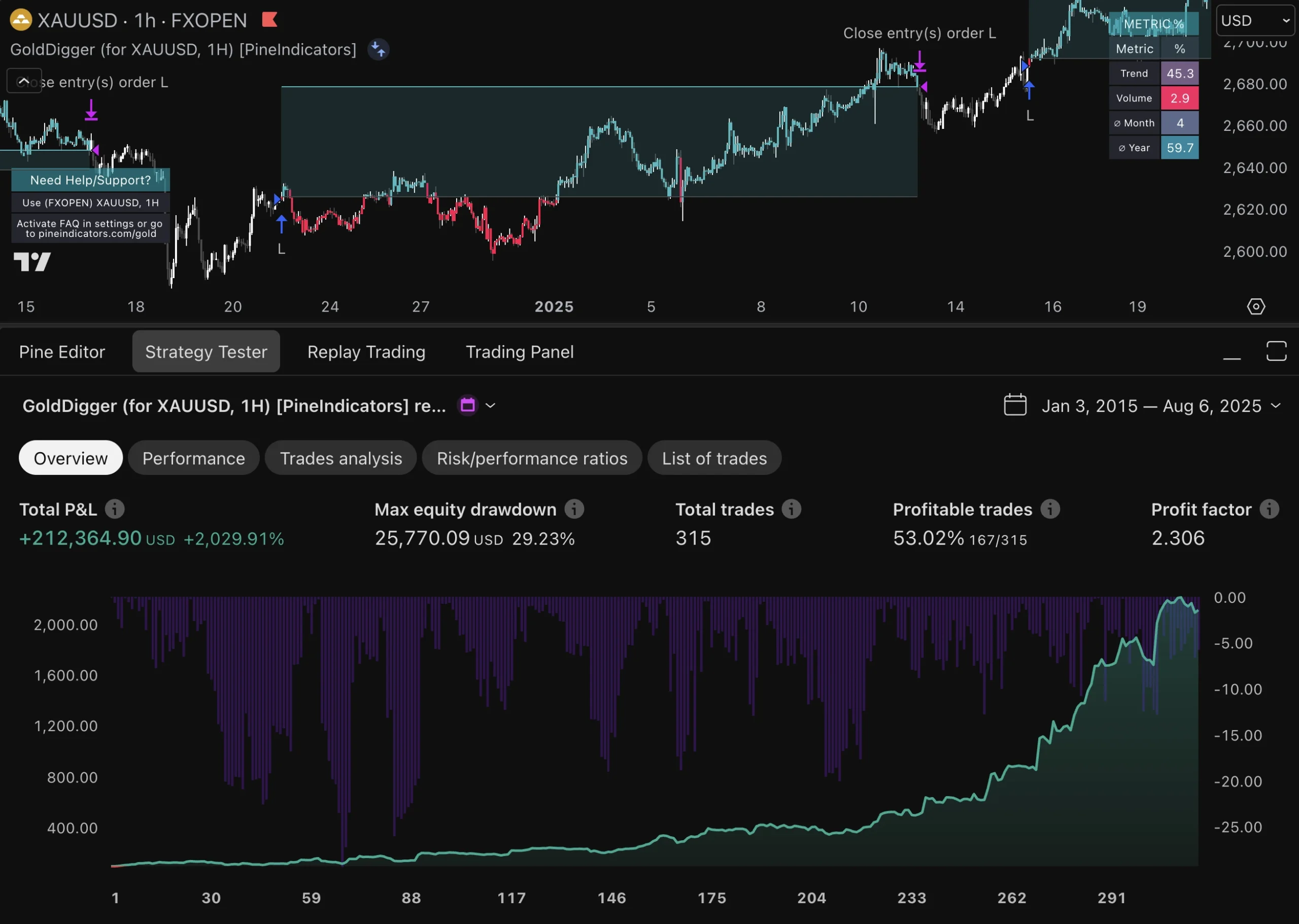
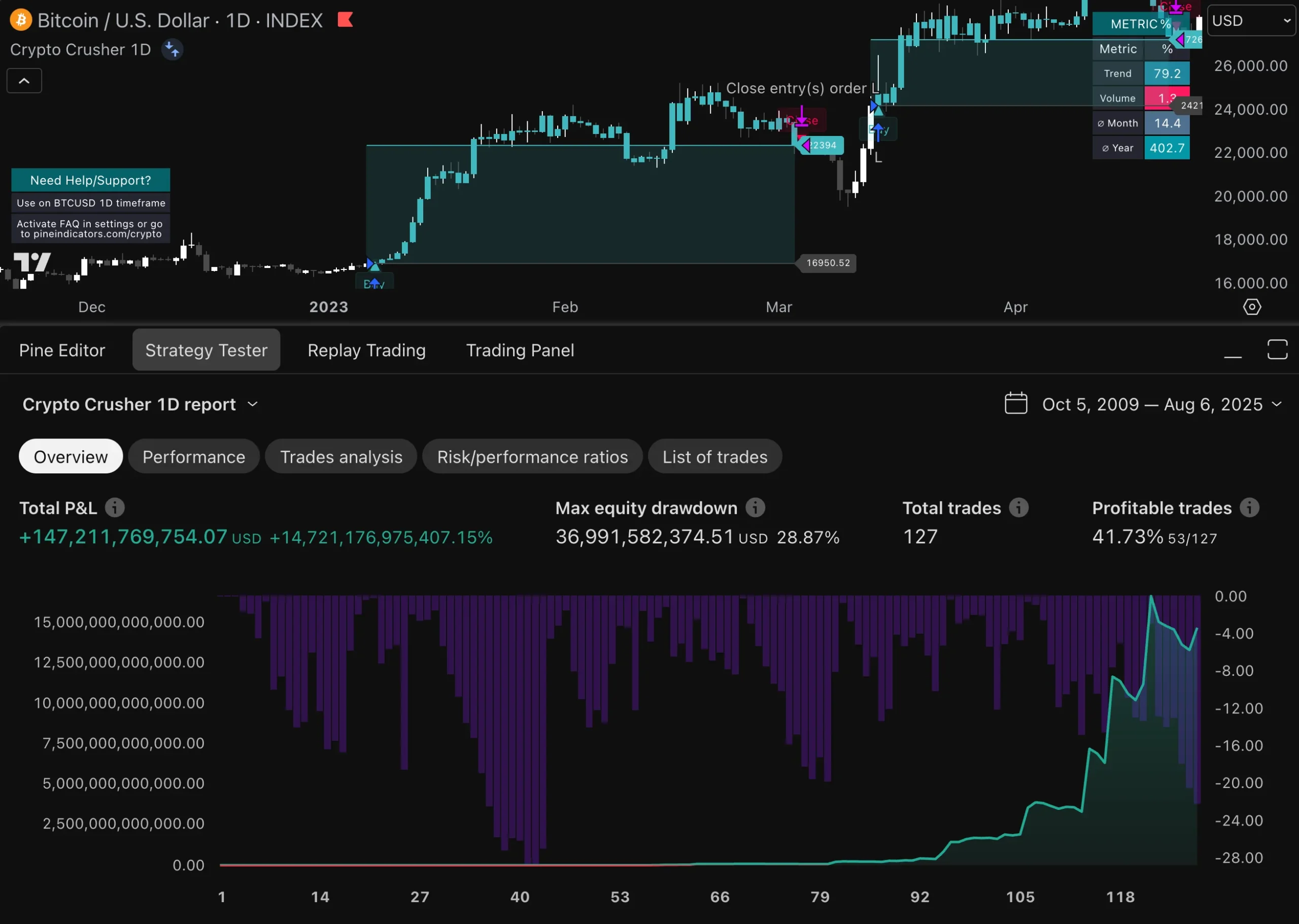
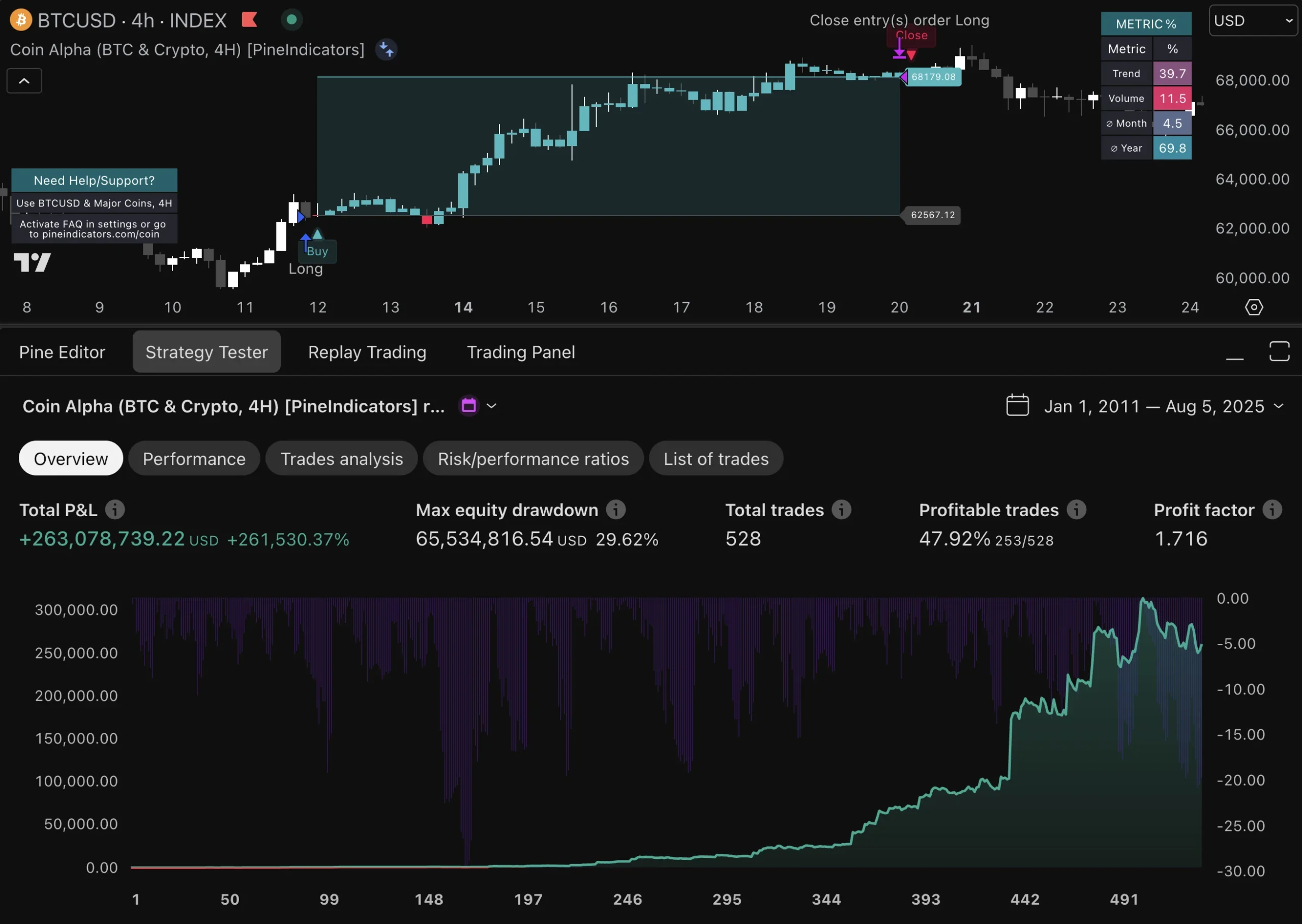
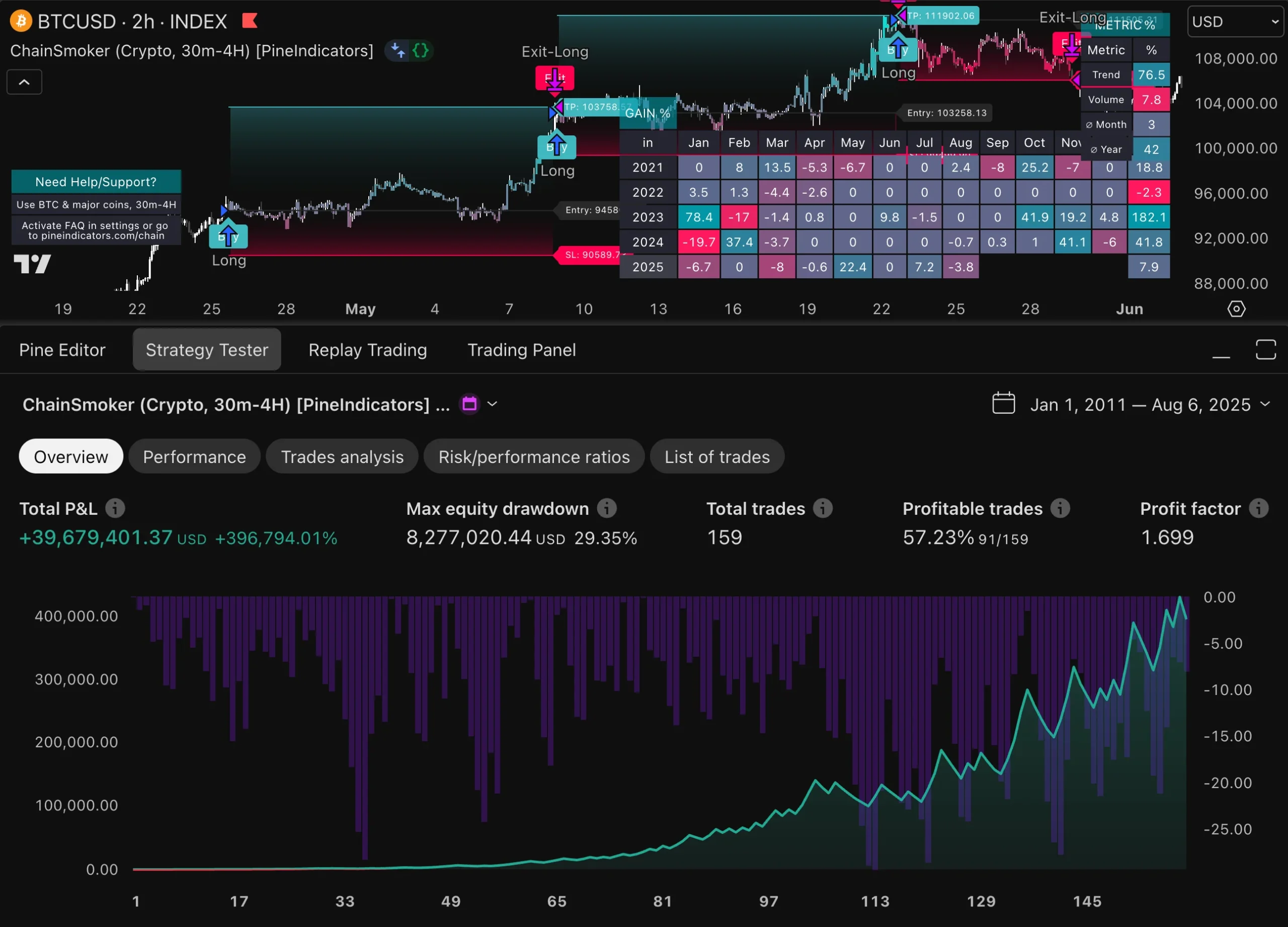
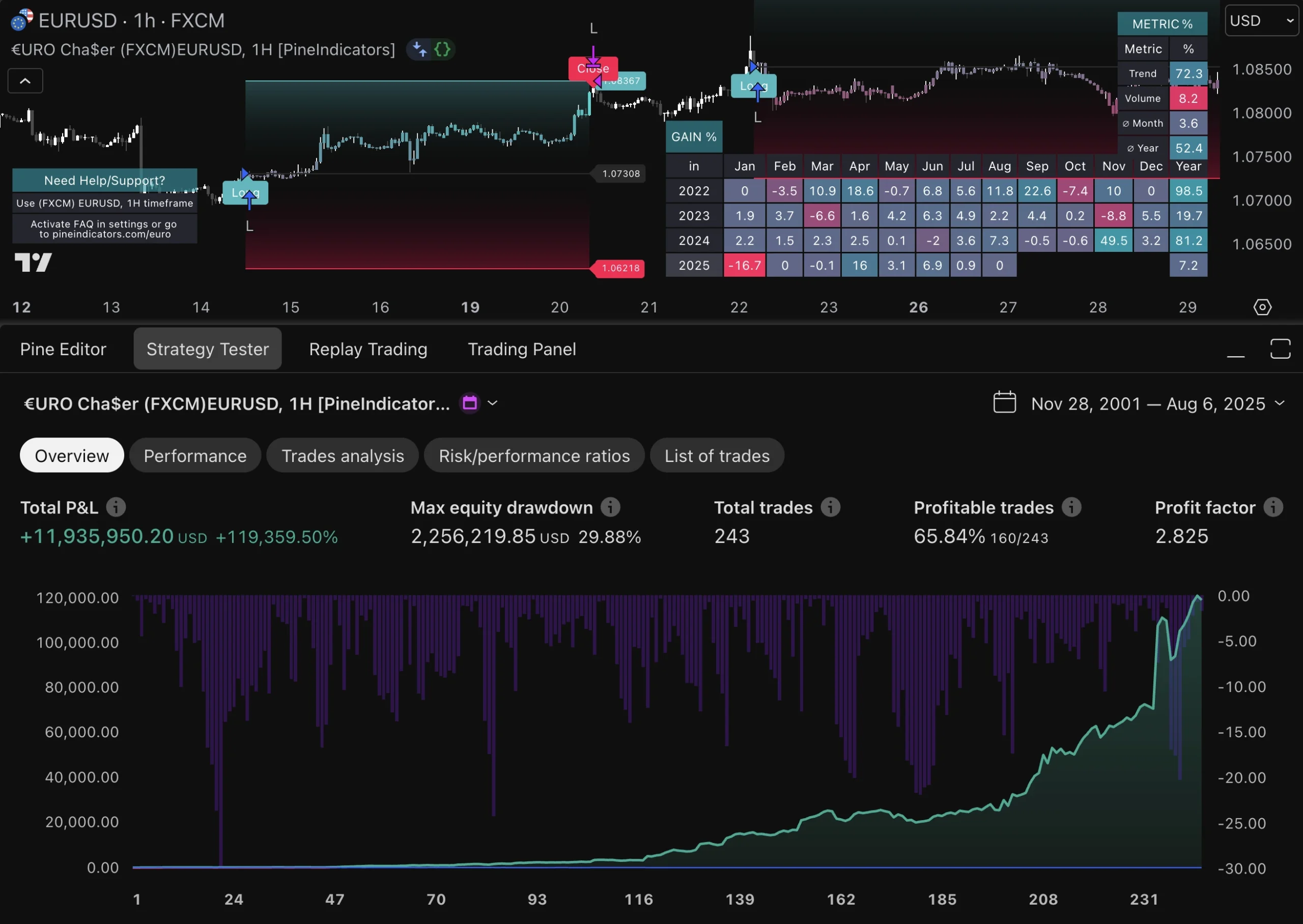
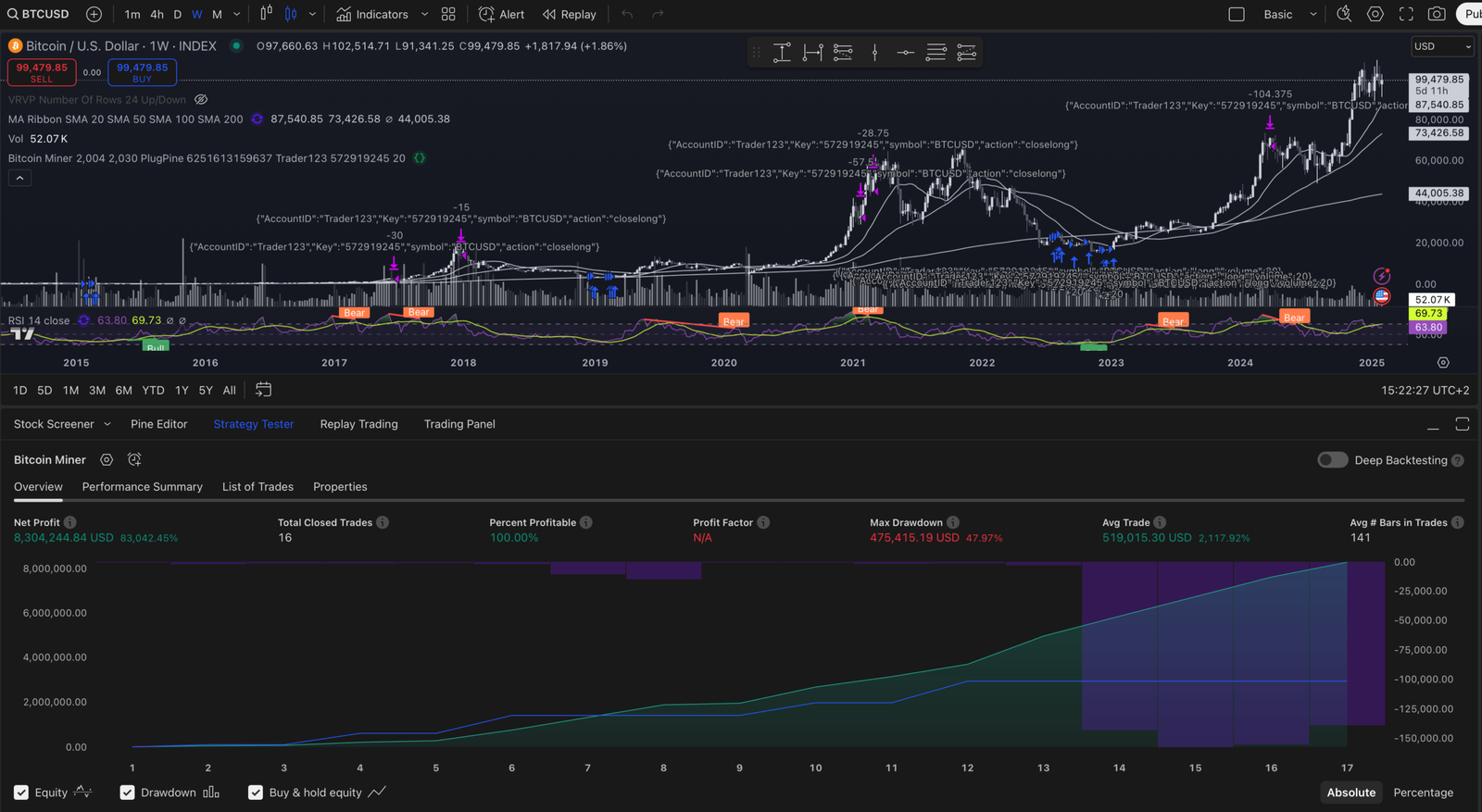
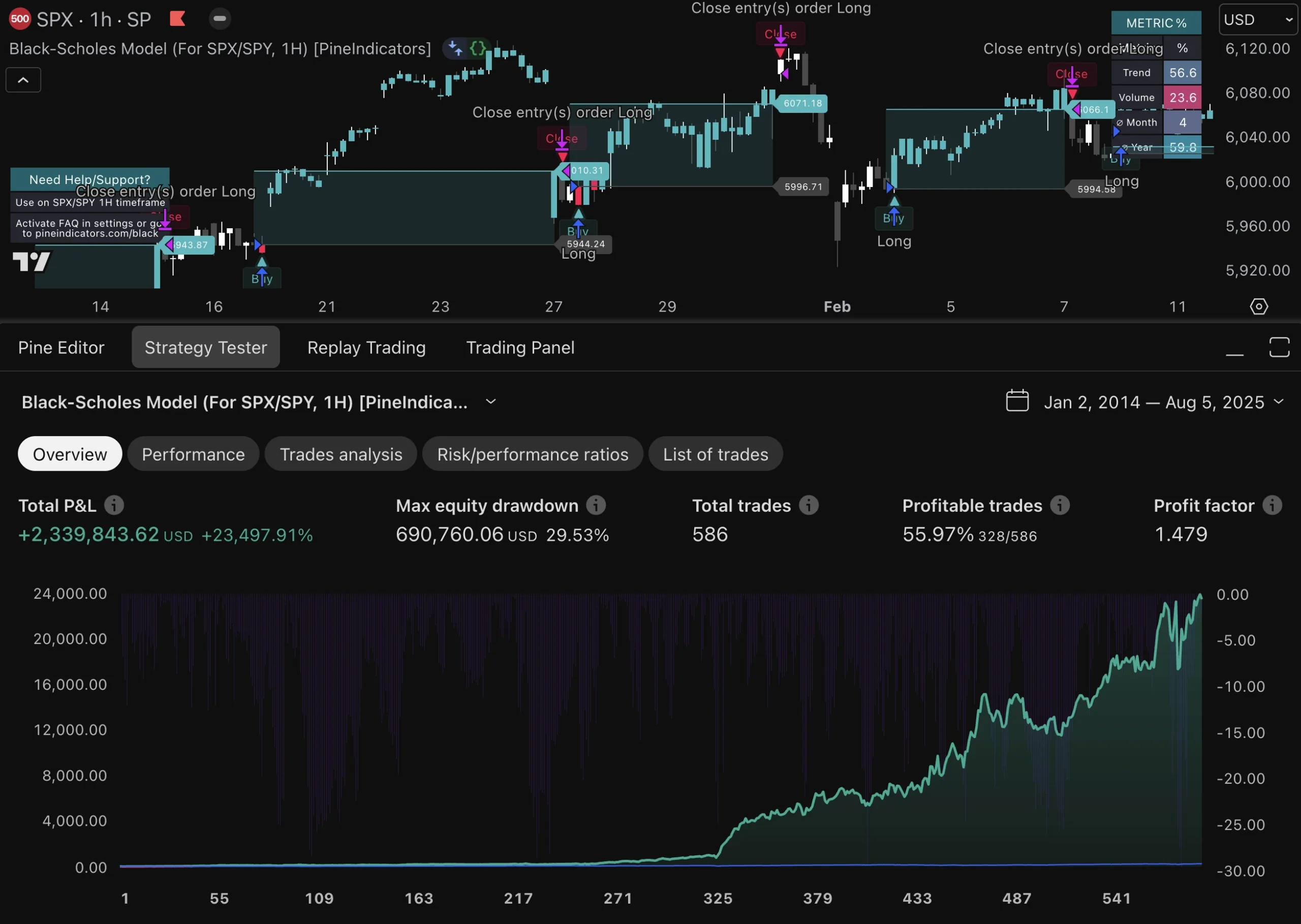
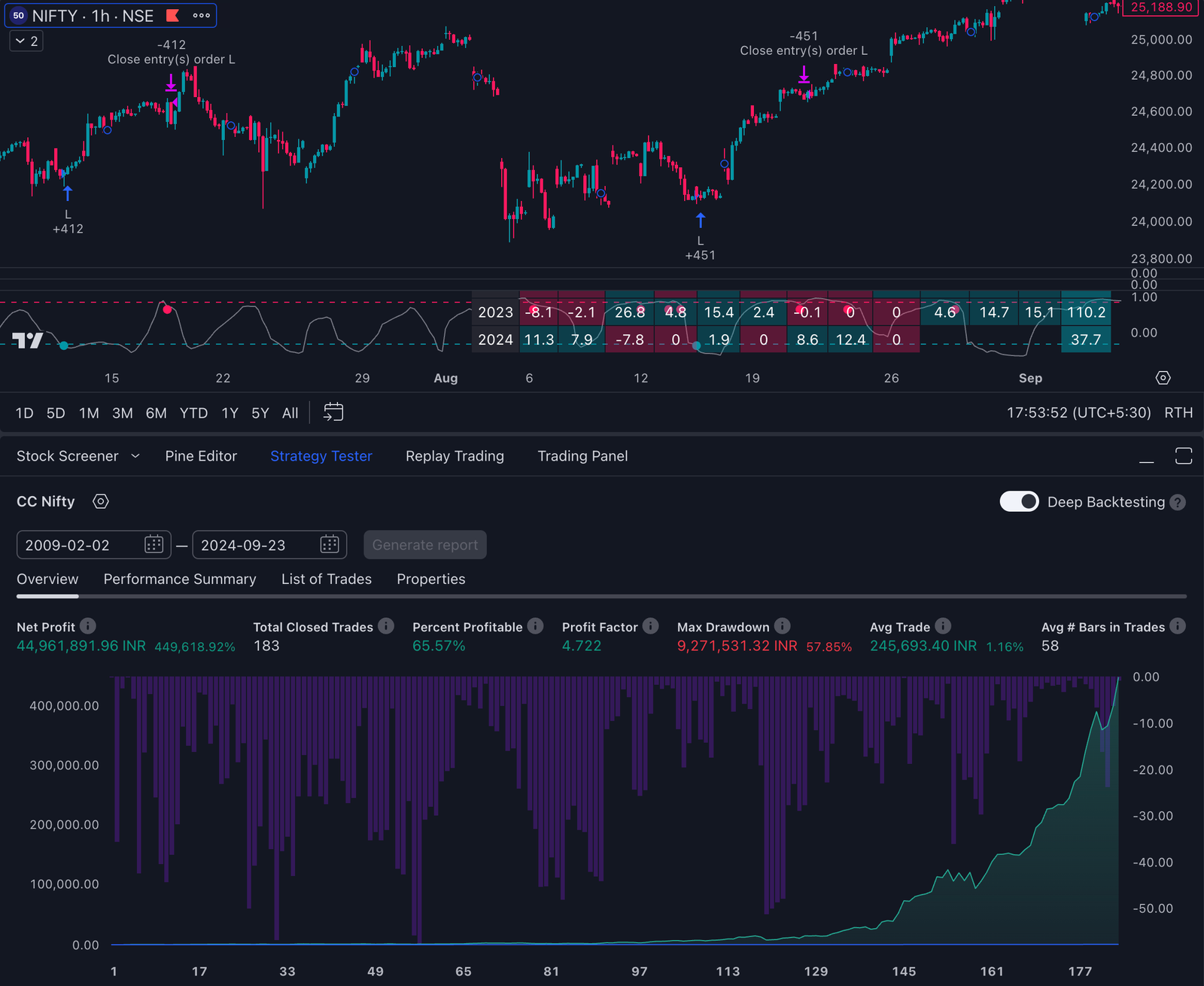
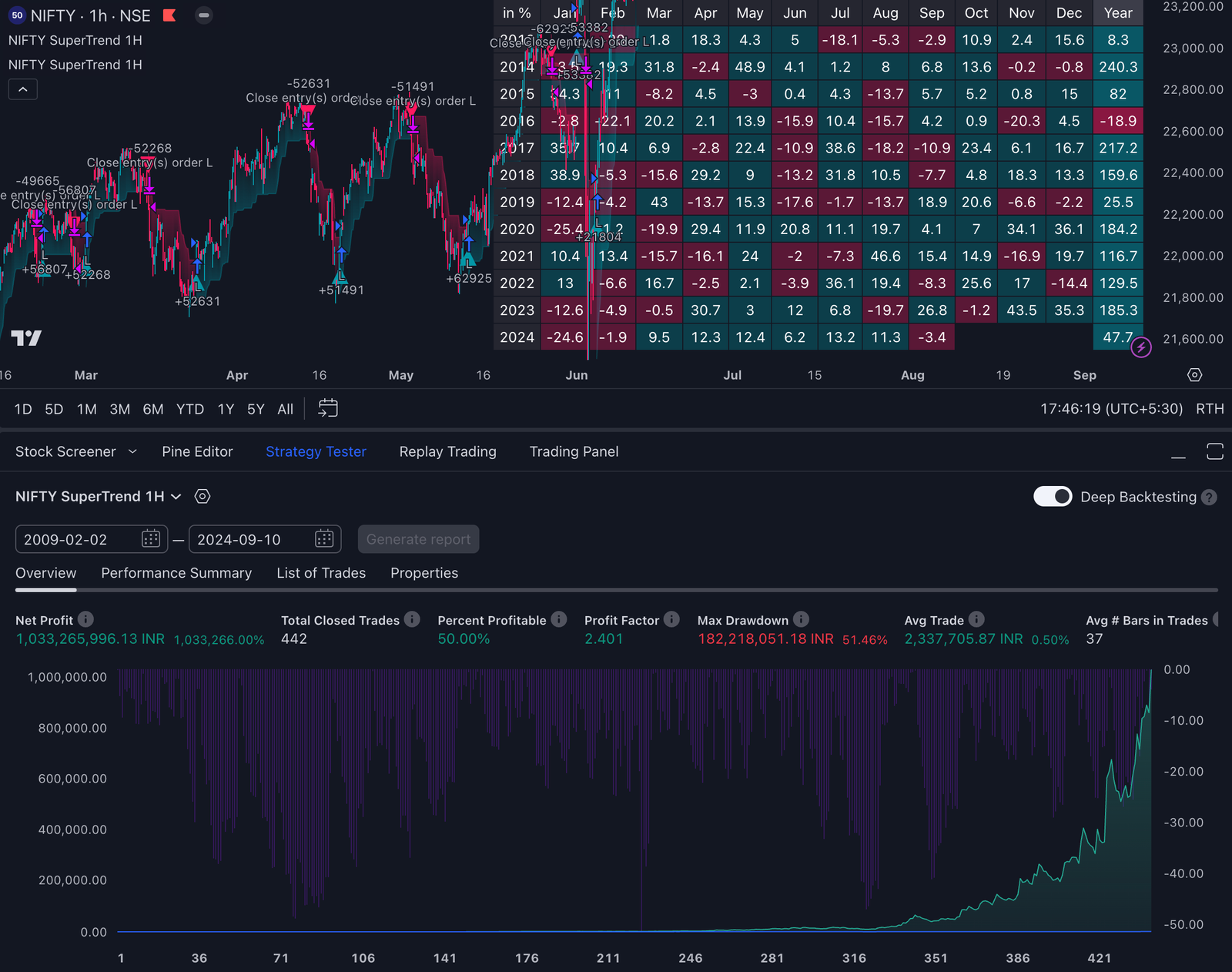

Data-driven trading strategies utilize systematic analysis of financial data to inform investment decisions, replacing subjective judgment with empirical evidence. These strategies process multiple data sources including historical price data, trading volumes, market volatility metrics, and macroeconomic indicators. Quantitative analysis methods identify statistical patterns, correlations, and market inefficiencies that traditional fundamental or technical analysis may overlook.
This systematic approach reduces cognitive biases and emotional decision-making that can negatively impact trading performance. Technological advancement has enabled the widespread adoption of data-driven trading methodologies. High-frequency trading systems can execute thousands of transactions per second, while algorithmic trading platforms automatically implement predefined strategies based on real-time market data.
Machine learning algorithms analyze complex datasets to identify predictive patterns and adapt to evolving market conditions. Cloud computing infrastructure provides the computational power necessary to process large datasets and run sophisticated models. Both institutional investors and individual traders now employ data-driven strategies across various asset classes including equities, fixed income, commodities, and foreign exchange markets.
Institutional applications include portfolio optimization, risk management, and market-making operations. Retail traders access simplified versions through automated trading platforms and robo-advisors that implement algorithmic strategies based on quantitative models.
Key Takeaways
- Data-driven trading strategies rely on analyzing key data points and historical data to predict market movements.
- Machine learning and sentiment analysis enhance the accuracy and adaptability of trading models.
- Real-time data and automated systems enable faster, more efficient decision-making in trading.
- Backtesting and continuous optimization are essential for refining trading strategies and managing risk.
- Monitoring news, events, and market changes helps adjust strategies to maintain effectiveness.
Identifying Key Data Points for Trading
In the realm of data-driven trading, identifying the right data points is crucial for developing effective strategies. Key data points can vary depending on the asset class being traded, but they generally include price data, volume metrics, and various technical indicators. Price data encompasses historical prices, opening and closing values, and high and low points within a given timeframe.
Volume metrics provide insights into market activity and liquidity, indicating how many shares or contracts are being traded over a specific period. These fundamental data points serve as the foundation for most trading strategies. Beyond basic price and volume data, traders often incorporate additional indicators such as moving averages, Relative Strength Index (RSI), and Bollinger Bands to enhance their analysis.
Moving averages smooth out price fluctuations over time, helping traders identify trends more clearly. The RSI measures the speed and change of price movements, providing insights into overbought or oversold conditions. Bollinger Bands offer a visual representation of volatility by plotting standard deviations above and below a moving average.
By combining these technical indicators with fundamental data such as earnings reports or economic releases, traders can create a comprehensive view of market conditions that informs their trading decisions.
Utilizing Historical Data for Predictive Analysis

Historical data serves as a vital resource for predictive analysis in trading strategies. By examining past price movements and market behavior, traders can identify trends and patterns that may repeat in the future. This retrospective analysis allows for the development of models that forecast potential price movements based on historical performance.
For instance, a trader might analyze how a particular stock reacted to earnings announcements over the past five years to predict its future behavior during similar events. The use of historical data is not limited to simple trend analysis; it also encompasses more sophisticated statistical techniques such as regression analysis and time series forecasting. Regression analysis helps traders understand relationships between different variables, such as how changes in interest rates might impact stock prices.
Time series forecasting involves using historical data to predict future values based on identified patterns over time. By employing these methods, traders can create robust predictive models that enhance their decision-making processes.
Implementing Machine Learning Algorithms for Trading
Machine learning algorithms have emerged as powerful tools in the arsenal of data-driven traders. These algorithms can analyze vast datasets far beyond human capability, identifying complex patterns and relationships that inform trading decisions. For example, supervised learning techniques can be employed to train models on historical data, allowing them to predict future price movements based on input features such as technical indicators or macroeconomic variables.
This approach enables traders to develop models that adapt to new information and improve their predictive accuracy over time. Unsupervised learning techniques also play a significant role in trading strategies by uncovering hidden structures within data without predefined labels. Clustering algorithms can group similar stocks based on their price movements or other characteristics, helping traders identify potential investment opportunities within specific sectors or asset classes.
Additionally, reinforcement learning has gained traction in algorithmic trading, where agents learn optimal trading strategies through trial and error in simulated environments. By continuously refining their strategies based on feedback from their performance, these algorithms can adapt to changing market conditions and enhance overall profitability.
Incorporating Sentiment Analysis in Trading Strategies
| Metric | Description | Example Value | Importance |
|---|---|---|---|
| Win Rate | Percentage of trades that are profitable | 65% | High – Indicates strategy effectiveness |
| Sharpe Ratio | Risk-adjusted return measure | 1.8 | High – Measures risk vs reward |
| Max Drawdown | Maximum observed loss from a peak | 12% | High – Indicates risk exposure |
| Average Trade Duration | Average time a trade is held | 3 days | Medium – Helps in strategy timing |
| Profit Factor | Ratio of gross profit to gross loss | 1.5 | High – Measures profitability |
| Number of Trades | Total trades executed in a period | 250 | Medium – Indicates strategy activity |
| Alpha | Excess return relative to benchmark | 4% | High – Shows added value |
| Beta | Volatility relative to market | 0.9 | Medium – Indicates market correlation |
Sentiment analysis has become an increasingly important aspect of data-driven trading strategies as it provides insights into market psychology and investor behavior. By analyzing news articles, social media posts, and other textual data sources, traders can gauge public sentiment towards specific assets or the market as a whole. This qualitative data complements traditional quantitative analysis by offering a broader perspective on factors influencing price movements.
For instance, a surge in positive sentiment surrounding a particular stock due to favorable news coverage or social media buzz may indicate potential upward price momentum. Conversely, negative sentiment stemming from adverse news or public opinion can signal impending declines.
By integrating sentiment analysis into their trading strategies, traders can enhance their ability to anticipate market movements driven by collective investor sentiment.
Leveraging Real-Time Data for Decision Making

In today’s fast-paced financial markets, leveraging real-time data is essential for making timely and informed trading decisions. Real-time data encompasses live price feeds, order book information, and market depth analysis, providing traders with up-to-the-minute insights into market conditions. This immediacy allows traders to react swiftly to emerging trends or sudden market shifts that could impact their positions.
For example, high-frequency traders rely heavily on real-time data to execute trades within milliseconds based on minute fluctuations in price or volume. They utilize sophisticated algorithms that analyze real-time market data to identify arbitrage opportunities or execute trades at optimal prices before competitors can react. Additionally, real-time news feeds can alert traders to significant events such as economic releases or geopolitical developments that may influence market sentiment.
By incorporating real-time data into their decision-making processes, traders can enhance their responsiveness and capitalize on fleeting opportunities.
Developing Automated Trading Systems
Automated trading systems have gained popularity among traders seeking to eliminate emotional biases and enhance execution efficiency. These systems utilize predefined algorithms to execute trades automatically based on specific criteria set by the trader.
The development of an automated trading system typically involves several stages, including strategy formulation, coding the algorithm, backtesting against historical data, and live deployment. Traders must carefully define their entry and exit criteria based on technical indicators or other relevant factors before coding the algorithm in programming languages such as Python or R. Backtesting is crucial for evaluating the system’s performance under various market conditions and ensuring its robustness before deploying it in live markets.
Once operational, automated systems can monitor multiple assets simultaneously, executing trades at optimal times while minimizing slippage.
Backtesting and Optimizing Trading Strategies
Backtesting is an integral part of developing data-driven trading strategies as it allows traders to evaluate the effectiveness of their approaches using historical data before risking real capital. By simulating trades based on past market conditions, traders can assess how their strategies would have performed over different timeframes and market environments. This process helps identify strengths and weaknesses within the strategy while providing valuable insights into potential adjustments needed for optimization.
During backtesting, it is essential to consider various factors such as transaction costs, slippage, and market impact to ensure realistic results. Traders often utilize software platforms that facilitate backtesting by providing access to historical price data and analytical tools for performance evaluation. Key performance metrics such as return on investment (ROI), maximum drawdown, and win-loss ratios are analyzed to gauge the strategy’s viability.
Once backtesting is complete, optimization techniques can be applied to fine-tune parameters within the strategy for improved performance under specific market conditions.
Risk Management in Data-Driven Trading
Effective risk management is paramount in data-driven trading strategies as it helps protect capital while maximizing potential returns. Traders must establish clear risk parameters that dictate how much capital they are willing to risk on each trade and overall exposure across their portfolio. This involves setting stop-loss orders to limit potential losses and position sizing techniques that determine how much capital should be allocated to each trade based on its risk profile.
Moreover, diversification plays a critical role in risk management by spreading exposure across different asset classes or sectors to mitigate the impact of adverse movements in any single investment. Traders often employ risk-reward ratios to evaluate potential trades; this ratio compares the expected profit against the potential loss associated with a trade. By adhering to disciplined risk management practices, traders can navigate volatile markets more effectively while preserving their capital for future opportunities.
Evaluating the Impact of News and Events on Trading
The financial markets are significantly influenced by news events and macroeconomic developments that can lead to rapid price fluctuations. Traders must stay informed about relevant news releases such as earnings reports, economic indicators (e.g., GDP growth rates or unemployment figures), central bank announcements, and geopolitical events that may impact market sentiment. Understanding how these events affect asset prices is crucial for developing effective trading strategies.
For instance, a positive earnings report from a major corporation may lead to an immediate surge in its stock price as investors react favorably to the news. Conversely, unexpected economic downturns or geopolitical tensions can trigger widespread sell-offs across various asset classes. Traders often utilize event-driven strategies that capitalize on anticipated market reactions following significant news releases.
By analyzing historical responses to similar events, traders can better position themselves to take advantage of potential price movements resulting from new information.
Monitoring and Adjusting Data-Driven Trading Strategies
The dynamic nature of financial markets necessitates continuous monitoring and adjustment of data-driven trading strategies. Market conditions can change rapidly due to various factors such as economic shifts, changes in investor sentiment, or unexpected events impacting supply and demand dynamics. Therefore, traders must remain vigilant in assessing the performance of their strategies over time.
Regular performance reviews allow traders to identify areas for improvement or necessary adjustments based on evolving market conditions. This may involve recalibrating parameters within automated systems or modifying entry and exit criteria based on recent trends or developments. Additionally, incorporating feedback loops into trading systems enables ongoing learning from past trades—an essential aspect of refining strategies for long-term success in an ever-changing environment.
By embracing a proactive approach to monitoring and adjusting their strategies, traders can enhance their adaptability and resilience in navigating complex financial markets while maximizing their potential for success.
Data-driven trading strategies have become increasingly popular among traders looking to enhance their decision-making processes. One insightful resource on this topic is the article on swing trading strategies available at Pine Indicators. This article delves into various techniques that leverage data analysis to identify optimal entry and exit points, making it a valuable read for anyone interested in refining their trading approach.
FAQs
What are data-driven trading strategies?
Data-driven trading strategies use quantitative data analysis and algorithms to make trading decisions. These strategies rely on historical and real-time market data to identify patterns and execute trades.
How do data-driven trading strategies work?
They work by collecting large volumes of market data, applying statistical models or machine learning algorithms to analyze trends, and generating buy or sell signals based on the insights derived from the data.
What types of data are used in data-driven trading?
Common data types include price and volume data, economic indicators, news sentiment, social media trends, and alternative data such as satellite imagery or credit card transactions.
What are the advantages of using data-driven trading strategies?
Advantages include increased objectivity, the ability to process vast amounts of data quickly, reduced emotional bias, and the potential to identify profitable trading opportunities that may not be visible through traditional analysis.
Are data-driven trading strategies suitable for all traders?
While they can be beneficial, these strategies often require technical expertise, access to quality data, and computational resources. They may be more suitable for institutional traders or experienced individuals comfortable with quantitative methods.
What risks are associated with data-driven trading strategies?
Risks include model overfitting, reliance on historical data that may not predict future market conditions, data quality issues, and the potential for rapid losses if algorithms malfunction or market conditions change abruptly.
Can data-driven trading strategies guarantee profits?
No trading strategy can guarantee profits. Data-driven approaches aim to improve decision-making but are subject to market risks and uncertainties.
How can one start developing a data-driven trading strategy?
Starting involves learning quantitative analysis, acquiring relevant market data, choosing appropriate modeling techniques, backtesting strategies on historical data, and continuously refining the approach based on performance.
What tools are commonly used for data-driven trading?
Popular tools include programming languages like Python and R, data analysis libraries, trading platforms with API access, and specialized software for backtesting and algorithmic trading.
Is machine learning used in data-driven trading strategies?
Yes, machine learning techniques are increasingly used to identify complex patterns, improve prediction accuracy, and adapt to changing market conditions in data-driven trading.